REVIEW · KATHMANDU
Kathmandu city tour – 4 UNESCO World Heritage Sites
Book on Viator →Operated by Trekking Planner Nepal · Bookable on Viator
One good day can unpack a city. This Kathmandu loop hits four UNESCO World Heritage sites in a tight window, so you get ancient palaces, temples, and stupas without wasting hours figuring out transport. I especially like the small group size (max 10) and the way the pace can flex to your wishes. The main thing to watch is the weather—this experience requires good conditions, or it can be shifted or refunded.
I also appreciate that you start after a hearty breakfast and don’t have to wrestle with directions. With hotel pickup/drop-off and an AC car/van, the day stays practical even when Kathmandu traffic slows things down. One potential drawback: monuments entry fees are not included, so you’ll need extra cash for on-site payments.
In This Review
- Key highlights worth caring about
- Four UNESCO Stops, One Efficient Kathmandu Day
- Price and What $75 Really Covers
- Pacing That Works When Your Day Has Limits
- Starting Point: Pickup, Breakfast Energy, and a Simple Flow
- Stop 1: Kathmandu Durbar Square (Hanuman Dhoka) for Royal-Courtyard Vibes
- Stop 2: Swayambhunath Monkey Temple for Hilltop Sacred Views
- Stop 3: Boudhanath Stupa for a Longer Pause (Plus Lunch Break)
- Stop 4: Pashupatinath Temple for Hindu Temple Significance on the Bagmati River
- Transportation, Entry Fees, and Local Budget Reality
- Weather Matters More Than You Think
- Who This Tour Suits Best
- Should You Book This Kathmandu UNESCO Tour?
- FAQ
- What sites are included in this Kathmandu city tour?
- How long does the tour take?
- Is hotel pickup and drop-off included?
- Is a tour guide included?
- What about transportation?
- Are monument entry fees included in the price?
- Is food included?
- How big is the group?
- What is the cancellation policy like?
Key highlights worth caring about
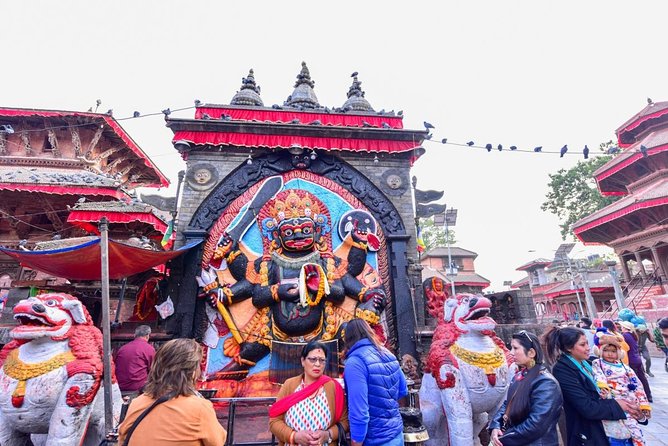
- Four UNESCO stops in one day: Durbar Square (Hanuman Dhoka), Swayambhunath, Boudhanath, and Pashupatinath
- Hotel pickup and drop-off: less hassle, especially if you’re short on sightseeing time
- AC car/van with a driver: a relief during hot mornings or busy roads
- Max 10 travelers: easier conversation with your guide and less jostling at viewpoints
- Monuments entry paid locally (NPR 2650): plan for this extra cost so the day stays smooth
- Good-weather dependency: bring flexibility in your itinerary
Four UNESCO Stops, One Efficient Kathmandu Day
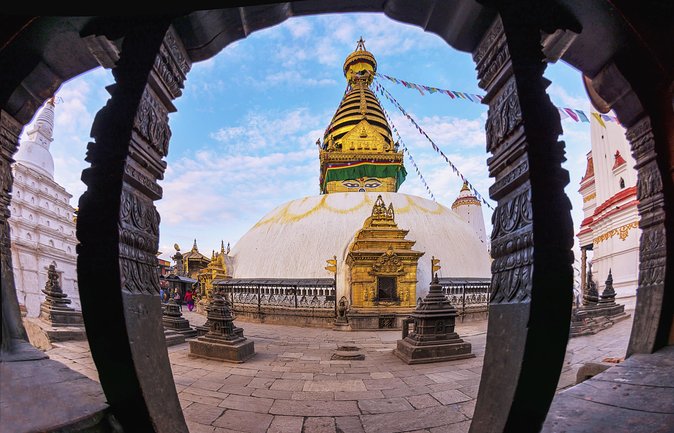
This is the kind of tour that makes sense when you want Kathmandu’s big spiritual and royal landmarks but you still want an afternoon of breathing room. The route is built around four major heritage sites, each with its own feel—former royal courtyard life, a hilltop stupa scene, a major Buddhist stupa complex, and one of the best-known Hindu temples in the Kathmandu Valley.
What I like for you: you’re not just visiting buildings. You’re moving through different layers of Kathmandu’s story—royal power in the center of town, sacred sites on the outskirts, and the kind of temple geography that explains how people live and worship around these landmarks.
The time frame is short enough to feel doable. It’s long enough to get real context from your guide. That balance matters, because Kathmandu can either feel fast and overwhelming—or meaningful—depending on how you structure the day.
You can also read our reviews of more city tours in Kathmandu
Price and What $75 Really Covers
At $75 per person, you’re paying for the guide, the vehicle, and the convenience of pickup/drop-off. That’s the bulk of what usually costs you in Nepal: professional guidance plus transport through city traffic.
Here’s what you should factor in beyond the base price:
- Monuments entry fees are not included and are NPR 2650 per person, paid locally in local currency
- Food and drinks aren’t included
- Tips for the guide and driver are not included
So the true cost is base tour price + local entry fees + meals + tips. Still, compared with paying for separate taxis and trying to stitch the sites together yourself, this usually comes out as good value—especially because it’s a coordinated route with a guide who can interpret what you’re seeing.
One practical tip: keep some cash ready specifically for the site fees. Since payment is on the ground and in NPR, it’s one less thing to deal with mid-day.
Pacing That Works When Your Day Has Limits
The duration is listed as 4 to 6 hours, which is the sweet spot for many first-timers. You get four stops without turning the day into a full-day ordeal.
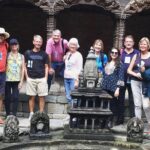
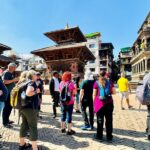
There’s also a real advantage in the group size: up to 10 travelers. Smaller groups tend to mean less waiting at each place and more chance to ask questions. In one guide-led experience I’ve seen described, Kedar (one of the guides associated with the tour) helped keep the pacing comfortable, with the day shaped around what people wanted to prioritize.
Also, this tour isn’t framed as a sprint. Expect time at each site that fits a “see, understand, move on” rhythm rather than a checklist. If you like taking photos and pausing for details, you’ll probably enjoy the structure.
Starting Point: Pickup, Breakfast Energy, and a Simple Flow
You start in the morning after breakfast in your hotel, then meet your guide for a drive into the city and beyond. The tour includes hotel pickup and drop-off, plus an AC car/van and driver, which makes a huge difference when you’re moving across different neighborhoods.
You’ll also get a mobile ticket, which is handy because it cuts down on paperwork.
One thing to mentally prepare: Kathmandu traffic can stretch drive times. The tour design still holds together well within a half-day window, but if you’re the type who hates delays, keep a little buffer in your schedule.
Stop 1: Kathmandu Durbar Square (Hanuman Dhoka) for Royal-Courtyard Vibes
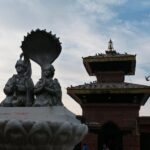
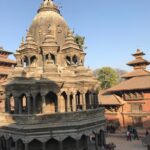
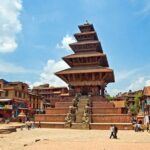
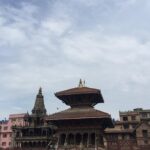
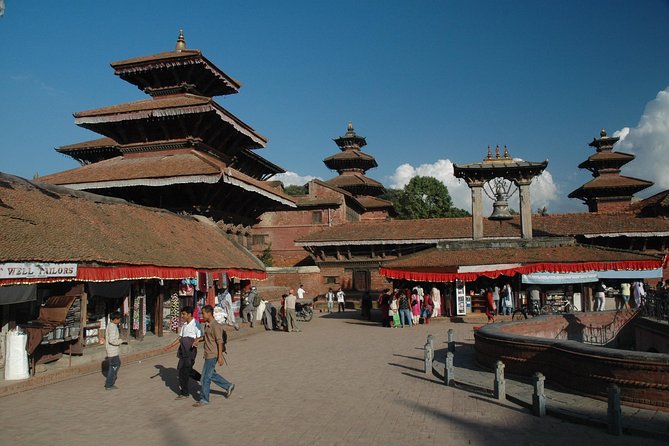
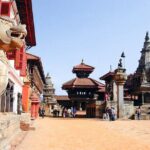
You’ll spend about 1 hour 30 minutes here. Kathmandu Durbar Square is in the center of Kathmandu and it feels alive—colorful daily activity, people moving through the space, and plenty to look at right where the city’s old power was based.
This part of the tour focuses on the Durbar Square / Hanuman Dhoka area—once a royal palace and courtyard. That matters because you’re not just seeing temples in isolation. You’re seeing how rulers, worship, and public space all overlapped in Kathmandu’s past.
Why I think this stop is valuable:
- You get the “Kathmandu core” first, so the rest of the day feels easier to place
- It’s a great orientation stop for understanding how the city grew around heritage sites
One consideration: it’s a busy, central area. If you prefer quieter sightseeing, you’ll still get the meaning here, but you may want to plan for crowd flow—go at your pace, take breaks when you need them, and don’t rush through the details.
You can also read our reviews of more historical tours in Kathmandu
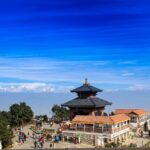
Stop 2: Swayambhunath Monkey Temple for Hilltop Sacred Views
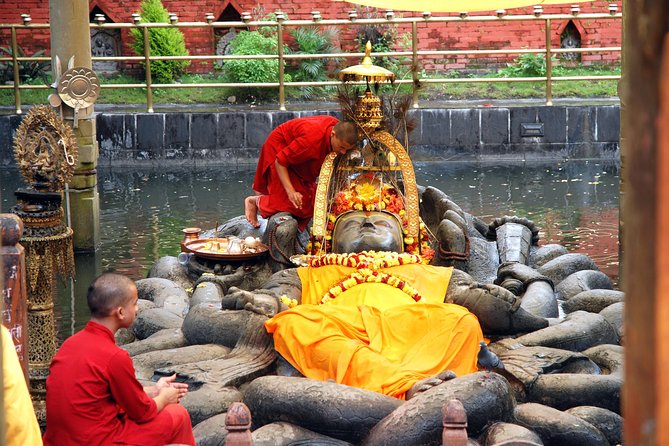
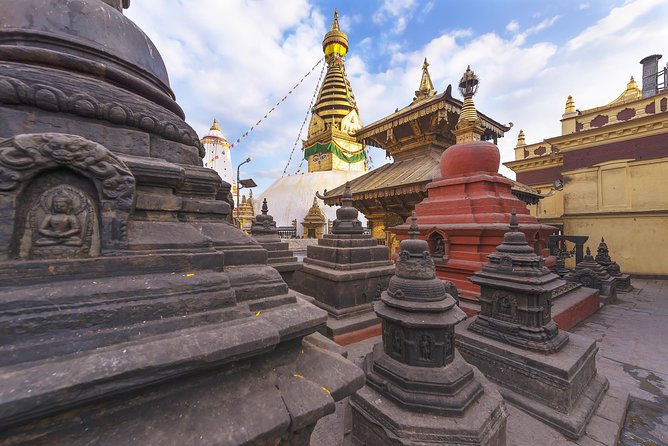
Next is Swayambhunath, often called the Monkey Temple. Plan on about 1 hour or less for this stop.
The route takes you toward the west side of the city’s outskirts to reach the stupa area. Even if you don’t love big crowds, hilltop sacred sites usually do one thing well: they help you see Kathmandu’s scale. You’re up on higher ground, so the surrounding city context kicks in quickly.
What to expect here:
- A stupa-centered visit that’s easy to understand even if you’re not a deep religion expert
- The name itself signals what you might see—monkeys around the temple complex
If you’re traveling with kids or you just don’t want animal surprises, keep your distance and watch your belongings. Monkeys aren’t something you should try to engage with.
This stop is short by design, which is good. It prevents the day from stretching too long before you reach the larger stupa experience.
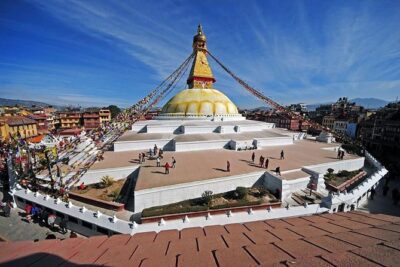
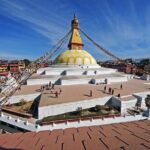
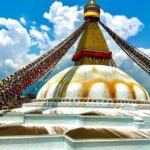
Stop 3: Boudhanath Stupa for a Longer Pause (Plus Lunch Break)
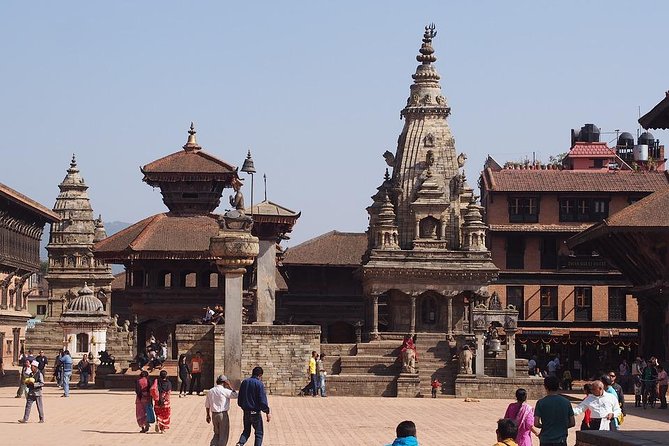
Boudhanath is where the tour slows down. You’ll spend about 2 hours (noted as an hour or less with a lunch break, but the schedule here gives you time to include a meal break during the visit).
The drive goes north from the previous area, moving you toward one of Kathmandu’s most important Buddhist sites. This stop is clearly set up as both a cultural visit and a reset point in the day.
Why this stop is a highlight in the practical sense:
- You get a longer window compared to the earlier sites
- It’s paired with a lunch break, which keeps the day comfortable
A common mistake in sightseeing days is skipping food until you feel awful. This tour design fights that problem by giving you a scheduled break. That’s especially useful if you’re sensitive to fatigue or you’re not used to warm weather.
Since the details of lunch options aren’t provided, keep expectations flexible: the main promise is that you’ll have time to eat while you’re in the area.
Stop 4: Pashupatinath Temple for Hindu Temple Significance on the Bagmati River
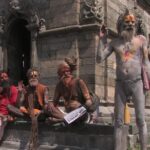
The final major stop is Pashupatinath Temple, with about 1 hour for the visit. It’s described as being around 5 km east of the main city, on the bank of the Bagmati River.
This is a Hindu temple visit, and it’s one of the places where Kathmandu feels most spiritually intense. The tour gives you enough time to understand the site’s importance and to take in the temple setting without rushing.
What I like for you:
- It finishes the day with a major, recognizable spiritual anchor
- You get the contrast after Buddhist-focused stops, so the day covers multiple religious worlds
One consideration: temple areas can have specific viewing rules and local customs. Dress neatly and follow what your guide advises. If you’re unsure where to stand or what to photograph, ask your guide before you act.
Transportation, Entry Fees, and Local Budget Reality
This tour is designed to remove travel friction:
- Air-conditioned car/van and a driver
- Hotel pickup and drop-off
- Professional tour guide
That said, you’re still responsible for what isn’t included:
- Monuments entry fees: NPR 2650 per person, paid locally
- Food and drinks
- Tips to guide and driver
So what’s the best way to handle it? Show up ready. If you can, carry enough cash in NPR for the entry fee portion so you’re not scrambling mid-tour.
Also note: admission tickets for monuments are not included in the tour price. If you’re the kind of person who hates surprise costs, this is the big “watch this” item.
Weather Matters More Than You Think
The experience requires good weather. That doesn’t just mean it might rain. It can affect travel comfort and how enjoyable the hilltop and open-area sections feel.
If your trip window is fixed, you’ll still be covered: if the tour is canceled due to poor weather, you’ll be offered a different date or a full refund. That’s a useful safety net when you’re planning around Kathmandu’s changing conditions.
Who This Tour Suits Best
This is a strong fit if:
- You want big-name Kathmandu heritage sites without spending the day coordinating transport
- You like having a professional guide interpret what you’re seeing
- You prefer a small group and a comfortable pace
It also suits you if your time is limited and you want a route that makes sense geographically: central Durbar Square, then west to Swayambhunath, north to Boudhanath, then east to Pashupatinath.
If you’re a hardcore researcher who wants long stays at every site, you might find the time short. But if you want a smart first pass with context, this tour is built for you.
Should You Book This Kathmandu UNESCO Tour?
I’d book it if you want a well-structured way to see four UNESCO World Heritage sites in one half-day plan, with hotel pickup, an AC vehicle, and a professional guide. The price is reasonable for what’s included, and the route is efficient without feeling like a drive-by.
Skip it only if you know you dislike paying local monument entry fees on the ground, or if you’re traveling with a tight schedule where weather can ruin your plans. Otherwise, it’s one of those tours that helps you get your bearings fast and leaves you free to explore further on your own.
If you do book, I’d suggest two simple things: bring local currency for the entry fee and keep your expectations realistic about time at each site. This is a highlights-and-context day, not an all-day museum marathon.
FAQ
What sites are included in this Kathmandu city tour?
The tour covers Kathmandu Durbar Square (Hanuman Dhoka), Swayambhunath (Monkey Temple), Boudhanath Stupa, and Pashupatinath Temple.
How long does the tour take?
It runs about 4 to 6 hours.
Is hotel pickup and drop-off included?
Yes, hotel pickup and drop-off are included.
Is a tour guide included?
Yes, you’ll have a professional tour guide.
What about transportation?
You travel in an air-conditioned car or van with a driver.
Are monument entry fees included in the price?
No. Monument entry fees are paid locally in NPR and are listed as NPR 2650 per person.
Is food included?
Food and drinks are not included.
How big is the group?
The tour has a maximum of 10 travelers.
What is the cancellation policy like?
You can cancel up to 24 hours in advance for a full refund, and weather-related cancellations are handled with an alternate date or a full refund.