REVIEW · KATHMANDU
Explore The Beauty Of Langtang Valley In 8-Days Trek
Book on Viator →Operated by Bold Himalaya Treks and Travels Pvt Ltd · Bookable on Viator
Langtang Valley turns hikes into real stories. This 8-day trek is built for real pacing and teahouse comfort, with a guide who brings Himalayan culture and nature into the walk, not just the view. The big upside is that the itinerary stays adjustable for breaks, photos, and comfort stops. The main consideration is altitude and weather: you’ll gain height day by day, and if skies are stubborn, some peak views can be less dramatic.
What I really like is that you’re not doing this as a faceless group. With a licensed guide for small groups (up to 5 trekkers) and English support, the trail feels easier to manage, especially if it’s your first time in the high mountains. One thing to weigh: the trek still involves multiple 4.5–6 hour hiking days, so you’ll want to come in rested and ready to move.
In This Review
- Key highlights worth your attention
- Why Langtang Valley feels personal on an 8-day timeline
- The drive into Syabrubesi: 6 hours that set the tone
- Day 2: Syabrubesi to Lama Hotel via bridges and river crossings
- Day 3: Lama Hotel to Langtang Village (3,430m) and the feel of the valley
- Day 4: Langtang Village to Kyanjin Gompa at 3,870m
- Day 5: The 360-degree morning and the optional Tserko Ri hike
- Day 6: Back to Lama Hotel, retracing your steps
- Day 7: Lama Hotel to Syabrubesi through green forest and rolling hills
- Day 8: The drive back to Kathmandu and a final mountain look
- Teahouses, meals, and how the included food shapes your day
- Guides you’ll actually rely on (not just point out a route)
- Price and logistics: what $270 really buys
- What this trek is best for (and who should think twice)
- A realistic packing mindset for Langtang weather
- Should you book this Langtang Valley 8-day trek?
- FAQ
- Where does the trek start?
- How long is the trek?
- What’s included in the price?
- Is pickup and drop-off provided?
- Can beginners join?
- Are there any optional parts?
Key highlights worth your attention
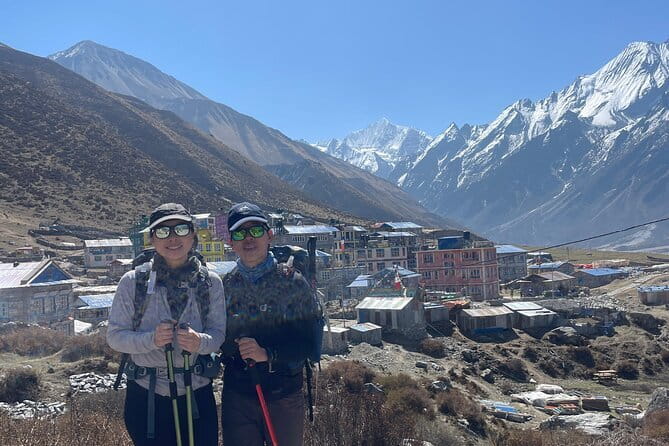
- Small-group guiding up to 5 trekkers with a licensed, English-speaking guide
- Flexible breaks for photos, breakfast, and taking the day at your pace
- Teahouse accommodation along the route, with meals built into the plan
- Kyanjin Gompa plus an optional Tserko Ri hike for big, clear-weather views
- Sorbit-style support in Kathmandu, including extra help when real-life travel problems happen
Why Langtang Valley feels personal on an 8-day timeline
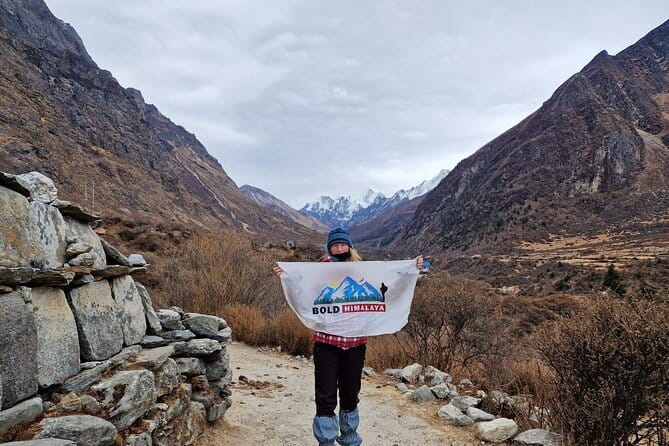
Langtang Valley is the kind of trek where the days add up to a story. You start in Syabrubesi, climb through river valleys and forest paths, and gradually step into a higher, colder world. The route gives you enough time to feel the change without rushing you into a burnout sprint.
This specific 8-day plan also makes room for how you actually travel. You get regular breaks and refreshments, plus the option for additional stops so you can grab photos and enjoy breakfast instead of treating each day like a checklist. That flexibility matters when you’re adjusting to altitude or just trying to enjoy the trail instead of racing it.
Another strong point: you’re not just getting a route. You’re getting a guide who shares Himalayan culture and nature along the way. That’s how the walk stops being a physical task and starts feeling like you’re learning something with every turn.
You can also read our reviews of more hiking tours in Kathmandu
The drive into Syabrubesi: 6 hours that set the tone
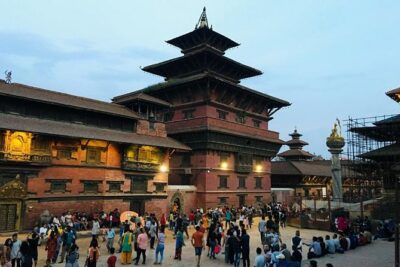
Day 1 is travel from Kathmandu to Syabrubesi, about a 6-hour shared jeep ride. It’s not just logistics. This long drive is your first taste of Nepal beyond the city: mountain valleys, villages, rivers, and waterfalls sliding by as you head toward the trailhead.
You’ll also meet the operator’s team before the drive. For solo travelers, or anyone who wants a smooth start, that handshake matters. In earlier experiences with Bold Himalaya, guides like Sorbit have been described as warm and detail-oriented, including stepping in when things go sideways during Kathmandu time.
Practical note: the meeting point listed is near the Ring Road at Tribhuvan International Airport. If you’re landing late or with jet lag, give yourself time to handle a local SIM card right away so you can stay in sync.
Day 2: Syabrubesi to Lama Hotel via bridges and river crossings
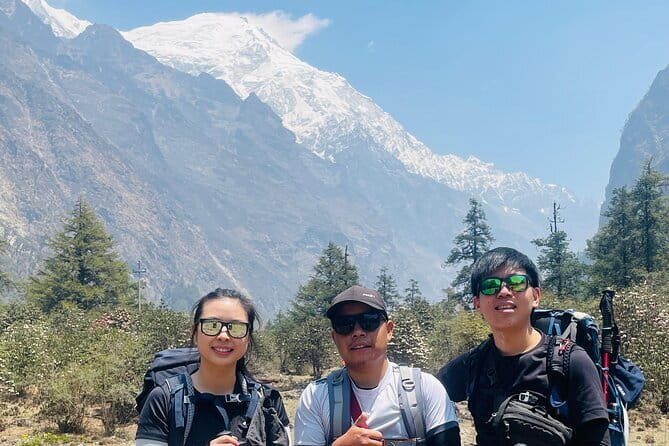
On Day 2, you’ll trek from Syabrubesi up to Lama Hotel (2,380m), taking about 5.5 hours. It’s a classic start: gradual climbing, scenic crossings, and that steady transition from low valley to trekking terrain.
One of the more interesting bits here is the suspension bridge sequence. The route includes crossings over the Bhote Koshi and into the Langtang area as the valley geometry tightens. Bridges like these are more than a photo stop. They break the day into sections and give your brain a checkpoint—plus they’re usually where you get the first real sense of scale in the mountains.
If you’re new to trekking, this is a good day to practice your rhythm. The plan explicitly suggests walking at your own pace to acclimate effectively, which is exactly what you want in the early stage.
Day 3: Lama Hotel to Langtang Village (3,430m) and the feel of the valley
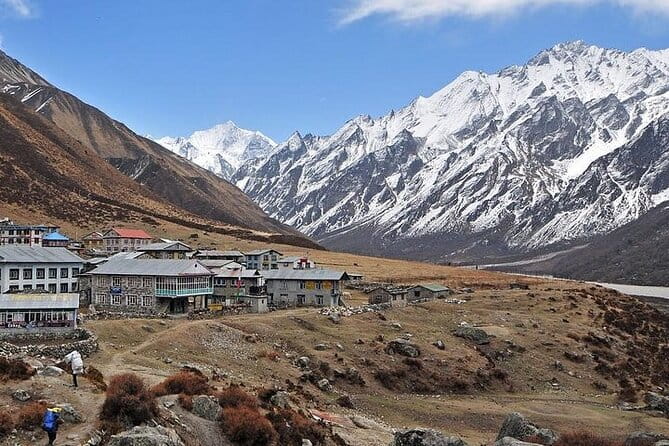
Day 3 is the jump from Lama Hotel (2,380m) to Langtang Village (3,430m), about 6 hours. This is where the trail starts to feel like it belongs to the valley, not just a connector road to the main stops.
Expect a mix of forests and meadows as the path climbs. That alternation matters. Forest sections cool you down and steady your footing, while meadow stretches give you longer sight lines and breathing room—literally and mentally.
Langtang Village is also where teahouse life becomes real. You’ll get your meals included as part of the trek plan, and your day ends in a setting built for trekkers: simple rooms, communal dining, and a chance to settle in before the next climb.
Day 4: Langtang Village to Kyanjin Gompa at 3,870m
Day 4 takes you from Langtang Village to Kyanjin Gompa (3,870m) in about 4.5 hours. That’s one of the more comfortable days on the itinerary, time-wise, even though you’re still gaining altitude.
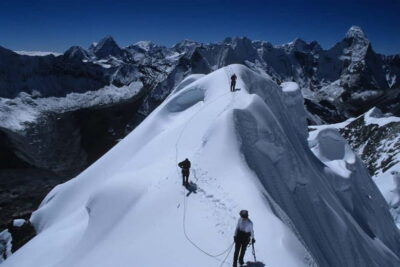
What you’re chasing here is the payoff of the route. The day is described as starting with breathtaking mountain views, then continuing through a short but very scenic push to Kyanjin Gompa. You should plan for weather to play a role. When clouds are light, this stretch can feel like every turn reveals a new angle of the range.
Kyanjin Gompa itself is a meaningful trekking node. It’s a place where the trek shifts from valley walking to a higher, more spiritual, more remote feeling. Teahouse accommodations here let you slow down and actually enjoy the surroundings instead of just transiting through.
Day 5: The 360-degree morning and the optional Tserko Ri hike
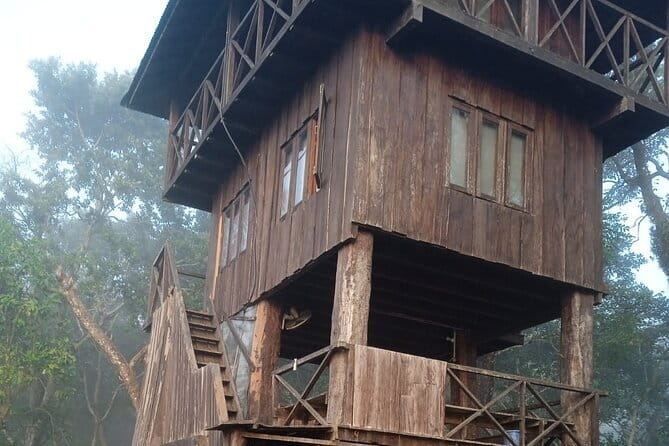
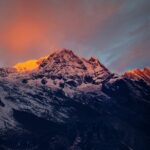
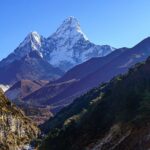
Day 5 is where the itinerary gives you a choice. You wake up at/near Kyanjin Gompa, then you can explore and enjoy the area, including the famous sense of sky and range views often described as 360 degrees.
For the adventurous, there’s an optional hike to Tserko Ri (4,984m), estimated around 7 hours total for the day. That optionality is smart. Not everyone wants to chase the extra altitude on day 5. But if you have the legs and you’re feeling good, this is the moment to test yourself.
My advice: treat the optional hike as a weather and energy decision, not a pride decision. If you’re feeling off, you still get value from being at Kyanjin Gompa and taking in the views and the slower pace.
Day 6: Back to Lama Hotel, retracing your steps
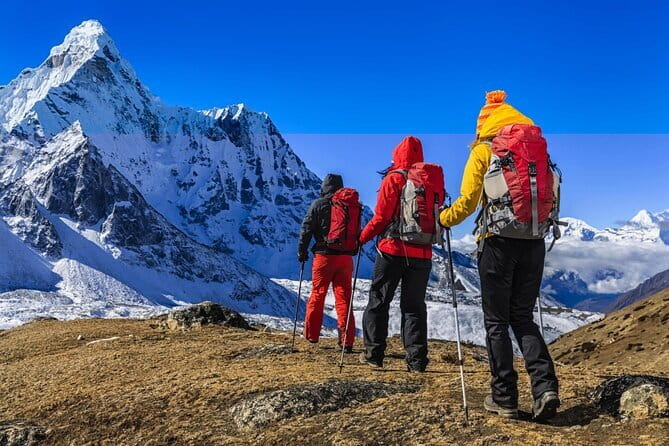
Day 6 returns you to Lama Hotel (2,380m), again about 6 hours, retracing your route through the valley. This day can feel easier than the climb because you know the trail layout now. You’re still hiking, though, and your knees will still notice the downhill.
The upside is mental. Returning the same way can help you connect what you saw earlier with how it looks from a different angle. It’s also a good day to practice walking smart—steady steps, shorter strides on steeper sections, and taking breaks before you get tired.
Teahouse stays continue to be part of the experience, and meals are included as part of the trek package. This makes a big difference: you’re not constantly budgeting or hunting down food choices once you’re already tired from the hike.
Day 7: Lama Hotel to Syabrubesi through green forest and rolling hills

Day 7 brings you back to Syabrubesi, about 5 hours. The description focuses on lush green forest and soothing river sounds. That’s the kind of sensory shift that makes a return trek satisfying: you’re heading home, but you’re still seeing the valley in full.
This day matters for recovery. It’s shorter than some of the other days, and you’ll appreciate that after multiple altitude changes. If you’ve been walking at your own pace since the start, you’ll likely feel stronger here.
Day 8: The drive back to Kathmandu and a final mountain look
On Day 8, you drive back to Kathmandu, about 6 hours. This is your wind-down day: reflections, last chances for mountain views from the road, and time to transition back into city life.
Because the plan includes pickup and drop-off, the ending usually feels tidy. In Kathmandu, you can then sort the stuff that trekking puts on pause—SIM card use, shopping, and any lingering logistics.
One helpful detail from prior experience with Bold Himalaya: support doesn’t always stop at the trail. Reports describe Sorbit helping with real-world needs in Thamel, including when luggage didn’t arrive in Kathmandu on time. That’s the kind of local problem-solving that makes a trek feel safer.
Teahouses, meals, and how the included food shapes your day
A key part of the value here is meals are included. Lunch, dinner, and breakfast are planned for the trekking days (breakfast 7, lunch 8, dinner 7). Seasonal fruits are also mentioned in the meal setup.
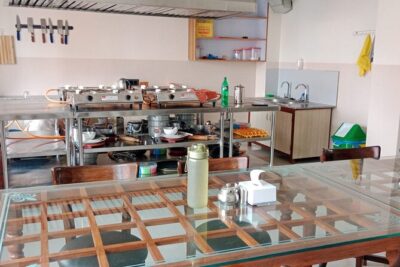
Teahouses are simple by design, and that simplicity is part of the experience. You’ll sleep in basic rooms, eat in a communal dining area, and usually spend evenings swapping stories and checking the sky. The comfort level is tied to the operator’s choice of teahouses along the route, and the plan specifically says they use the best teahouses along the trek route.
This matters if you want the trek to feel manageable. When meals are handled, you spend your energy on walking, not decision-making. And when you’re dealing with altitude, removing choices is a gift.
Guides you’ll actually rely on (not just point out a route)
The whole experience leans on the guide more than you might expect. The plan includes a hiking guide who shares detailed Himalayan culture and nature, plus a licensed trekking guide (English) for small groups.
In real-world feedback, guides have been named: Garap is mentioned as outstanding, with knowledge and patience that helped make a first solo high-altitude trek feel supported. Another reviewer mentions Sorbit as particularly attuned to personal needs and proactive when luggage didn’t arrive, even escorting to help with shopping needs in Thamel.
That support is not fluff. On a trek, it affects everything from pacing to confidence. If you’re prone to overdoing it, a good guide helps you slow down. If you get anxious about altitude, a good guide helps you plan your effort. If you’re new, a good guide helps you understand what you’re seeing and why it matters.
Price and logistics: what $270 really buys
At $270 per person, this trek feels priced more like an organized trekking package than a bare-bones route. You’re not just paying for a path on a map.
You get:
- Accommodation in teahouses along the trek route
- A licensed trekking guide plus meal and insurance support for the guide
- Most meals covered (breakfast/lunch/dinner counts included)
- Pickup and drop-off around Kathmandu
- A special cultural show and farewell dinner program
For value, I think the biggest wins are included food and a guide who can handle more than just walking directions. That’s also where small costs matter. If you had to buy every meal and manage every transition yourself, the trek would feel more stressful and less relaxed.
Upgraded Kathmandu lodging is mentioned as possible (3-star to 5-star options), but that appears to be an extra cost. So if you want maximum comfort in Kathmandu, plan for that added expense and ask ahead.
What this trek is best for (and who should think twice)
Most travelers can participate, and the plan even notes a helpful approach for beginners: walk at your own pace to acclimate more effectively. That makes it a solid fit if you’re new to trekking or returning after a break.
It also fits solo travelers in spirit because the guiding support is emphasized and the group is kept small. If you want company but not crowds, small-group guiding (up to 5 trekkers) is a nice middle ground.
Who should think twice? People who can’t handle multi-day hiking on uneven ground and varying altitude should be cautious. The itinerary includes 4.5 to 6-hour hiking days multiple times, plus an optional extra-high hike if you choose Tserko Ri. If you’re unsure about your readiness, you should treat the optional hike as optional and keep your focus on finishing the main route well.
A realistic packing mindset for Langtang weather
The trek is described through weather-dependent highlights, like strong mountain views when conditions are right. That’s the key. You should expect fog, cloud cover, and temperature swings to sometimes blunt the view payoff.
Packing-wise, plan for layers, rain protection, and warm clothing for higher elevations. Even if your goal is just to see the mountains and walk comfortably, the altitude and the day-to-day weather changes will make layers your best friend.
Also plan to keep your trekking pace flexible. The itinerary specifically builds in breaks for photos and breakfast. If you try to force a fast pace, you’ll miss the calm benefit of the plan.
Should you book this Langtang Valley 8-day trek?
I’d book this if you want a structured trek with room to breathe. The included teahouse stays, the meal coverage, and the small-group English guidance make it feel like good value for your energy. The itinerary hits the classic Langtang stops—Syabrubesi, Lama Hotel, Langtang Village, Kyanjin Gompa—and gives you a real choice with the optional Tserko Ri hike.
I would think twice if you’re only comfortable with easy walks or if you’re expecting guaranteed panoramic skies every morning. Weather can change what you see, and altitude still asks for steady effort.
If you’re a beginner, this plan’s self-paced acclimation idea is exactly the right mindset. If you’re traveling solo, the named guide support and problem-solving in Kathmandu suggest you won’t feel left to figure things out alone.
FAQ
Where does the trek start?
The meeting/start point is listed near Tribhuvan International Airport on Ring Rd in Kathmandu, Nepal.
How long is the trek?
The trek is approximately 8 days, including drives between Kathmandu and Syabrubesi.
What’s included in the price?
Meals (lunch, dinner, breakfast counts are included), teahouse accommodation along the trek route, a guide (with salary, accommodation, meals, and insurance), pick up and drop off, plus a special cultural show and farewell dinner program.
Is pickup and drop-off provided?
Yes, pickup and drop-off are offered as part of the experience.
Can beginners join?
Yes. Beginners are welcome, and the plan recommends walking at your own pace to acclimate effectively.
Are there any optional parts?
Yes. On Day 5, there is an optional hike to Tserko Ri (4,984m) from the Kyanjin Gompa area.