REVIEW · KATHMANDU
Kathmandu/Pokhara: 3 Day Chitwan Jungle Safari Tour
Book on GetYourGuide →Operated by Rainbow Adventure & Travel · Bookable on GetYourGuide
Wild animals start the moment you arrive. This Chitwan tour is a classic Nepal combo of big wildlife and local Tharu culture in a tight 3 days. You’ll spend your time on jeep safaris, a Rapti River canoe ride, and guided jungle walks, then round it out with Tharu village life and a cultural dance show.
What I like most is how the days are built around different ways of seeing wildlife. One day feels like land hunting (jeep safari), and the next shifts to slower water and birding moments (canoe and optional early birdwatching). The second big win: you’re not stuck in a generic “watch from the lodge” routine—there’s active guiding with an English-speaking naturalist and park-entry included.
One thing to consider: the drive in and out can be long, especially if you’re starting from Kathmandu. I’ve seen reports of a rougher ride experience on the road (time running long and seat frustration), so if comfort matters most, plan for that reality.
In This Review
- Quick hits: what makes this Chitwan safari tour worth your time
- Why Chitwan works so well in just 3 days
- Getting to Chitwan: Pokhara or Kathmandu, and what the long ride means
- Day 1 in Chitwan: Tharu village, sunset tour, and a cultural dance night
- Day 2: Rapti River canoe ride, jungle walk, and the jeep safari push
- The canoe ride: slow viewing, better birding odds
- The jungle walk: where the guide really earns their keep
- Elephant breeding center visit: educational and practical
- The jeep safari: your big chance at rhinos and more
- Day 3: optional birdwatching, then you’re back on the road
- What wildlife viewing really feels like here (and how to set expectations)
- The resort and meals: comfort that doesn’t break the nature mood
- Price and value: what $129 buys you (and what it might not)
- Who should book this tour, and who should skip it
- Practical tips that will make your Chitwan days smoother
- Should you book the Kathmandu/Pokhara 3-Day Chitwan Safari?
- FAQ
- Where are the pickup and drop-off locations for this tour?
- What time does pickup happen?
- How long is the tour?
- What activities are included during the 3 days?
- Are meals and park entrance fees included?
- What should I bring for the jungle and safari activities?
- Are drones allowed?
- Is this tour suitable for people with animal allergies?
Quick hits: what makes this Chitwan safari tour worth your time
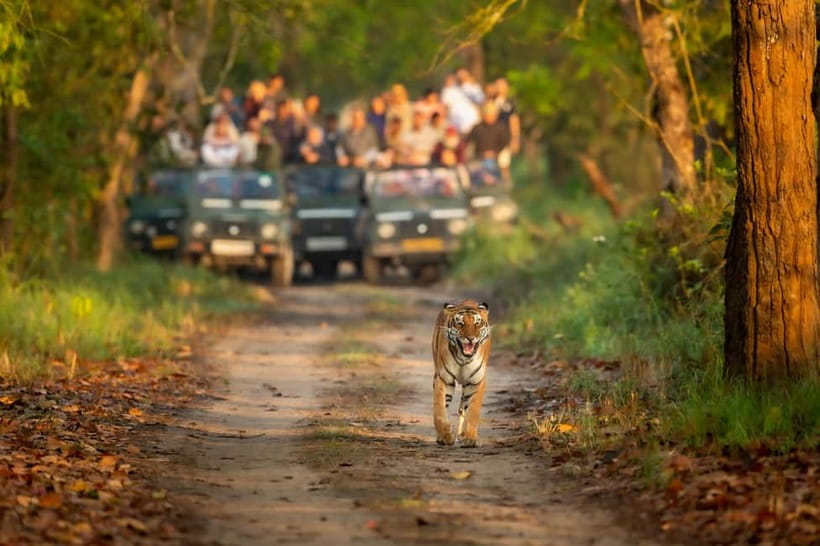
- Rhino, crocodile, deer, and more wildlife chances, built into both jeep and canoe time
- Rapti River canoe ride for quieter viewing and birdwatching along the river corridor
- Tharu village + cultural dance show so the park visit includes living local traditions
- Jungle walk and guided naturalist support to help you spot what you’d otherwise miss
- Elephant breeding center stop as part of the Day 2 sequence
- Jungle resort lodging with meals included so your budget stays predictable
Why Chitwan works so well in just 3 days
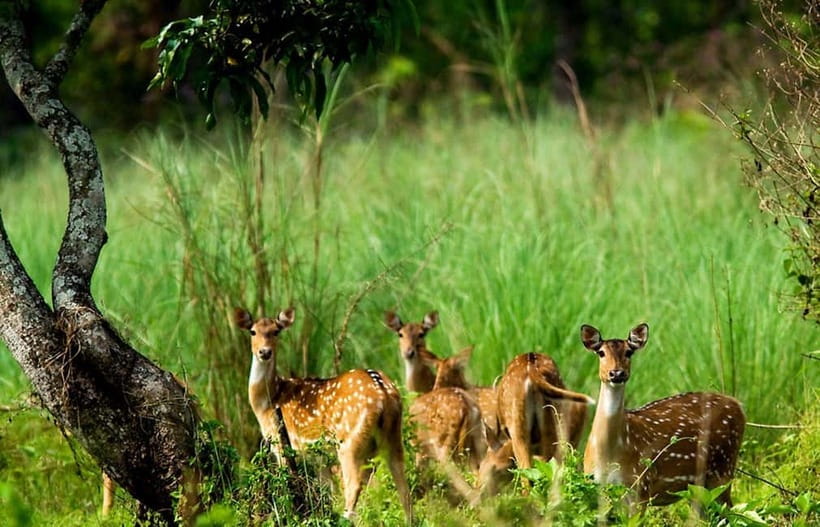
Chitwan National Park sits in Nepal’s lowland subtropics, which changes the feel of the trip compared with higher-altitude trekking. It’s warmer, flatter, and the wildlife tends to be concentrated where water, food, and cover overlap. That’s exactly what you want on a short itinerary: more time in the field, less time “hoping” the park is far from where you are.
This tour is built like a wildlife buffet. You get land time in jeeps, river time on a canoe, and walking time with a guide. Each method catches different animals and different behavior patterns, and the guide’s job is to help you read the environment quickly—tracks, movement, calls, and the right side of the river bank.
Then there’s the human side. The Tharu village visit and dance performance aren’t treated like an add-on you ignore after dinner. They give context for how people live alongside the protected area and what traditions have stayed strong despite change.
You can also read our reviews of more tours and experiences in Kathmandu
Getting to Chitwan: Pokhara or Kathmandu, and what the long ride means
Your tour includes pickup from hotels in either Pokhara or Kathmandu, with pickup time listed as 6:30 AM. From Kathmandu, you’re looking at a long bus transfer—one report cited 6–7 hours, and another described it stretching closer to 9 hours due to waiting for additional guests. From Pokhara, the trip is typically shorter, but the schedule still moves early.
Here’s the practical takeaway: treat the road like part of the journey, not a “gap” in the experience. Bring something for the ride—snacks, water, and anything you need to stay comfortable, because once you arrive, you’ll jump into tours and timing stays tight. Also, if you’re picky about seat comfort, know that public or tourist buses can be a mixed bag. I’d still book the trip, but I wouldn’t assume every ride will feel smooth.
Day 1 in Chitwan: Tharu village, sunset tour, and a cultural dance night
Day 1 is your orientation day, which matters more than it sounds. You arrive, settle in at the jungle resort, and then shift straight into two things that make the region feel real: Tharu village life and a sunset tour.
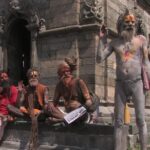
In the Tharu village tour, you’re guided through customs and everyday traditions, plus the community’s history and resilience. This is the part I always appreciate on cultural add-ons: when it’s done well, it stops you from viewing the park as just a wildlife movie set. It reminds you the surrounding communities are not props—they’re neighbors.
Later, you’ll catch the cultural dance show with colorful costumes and live drumming. Even if dance shows aren’t your usual thing, this one is worth paying attention to because it connects movement, music, and identity in a way that feels local rather than staged for outsiders.
By the end of the day, you should feel like you’re not just visiting Chitwan—you’re in it. That’s the goal for Day 1: get your bearings fast.
Day 2: Rapti River canoe ride, jungle walk, and the jeep safari push
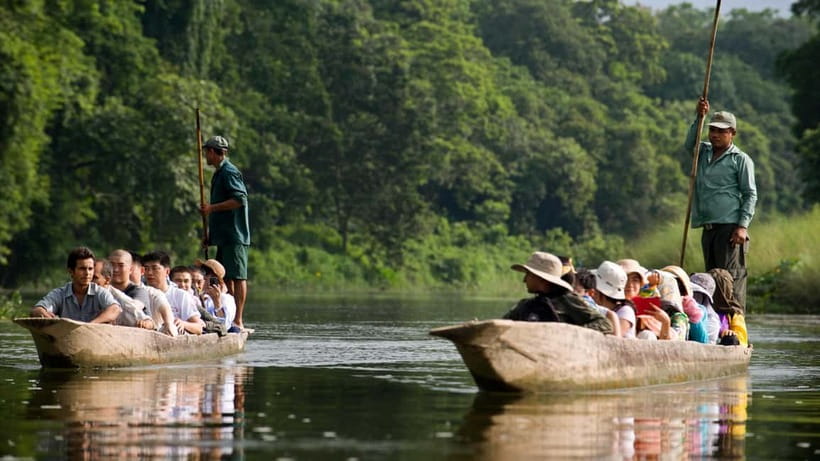
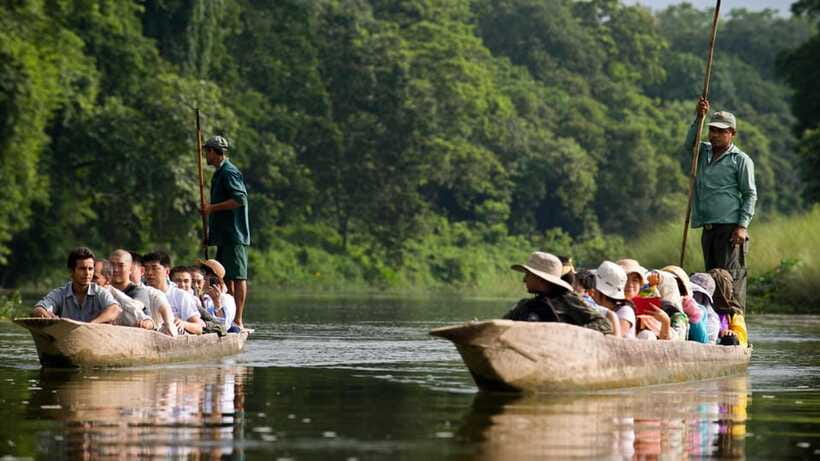
Day 2 is where most people feel the “real safari” energy. You start with a canoe ride on the Rapti River in a dugout-style canoe, then move into a nature walk guided by your naturalist, and finish with the jungle jeep safari.
The canoe ride: slow viewing, better birding odds
Canoes are quieter than jeeps, and that changes what you notice. You’ll likely focus more on river edges, water movement, and bird activity. The tour also positions this as birdwatching time, and that matches Chitwan’s reputation as a major bird area. If you love birds, this is the part that often surprises people who thought the trip would only be about mammals.
You can also read our reviews of more tours and experiences in Kathmandu
The jungle walk: where the guide really earns their keep
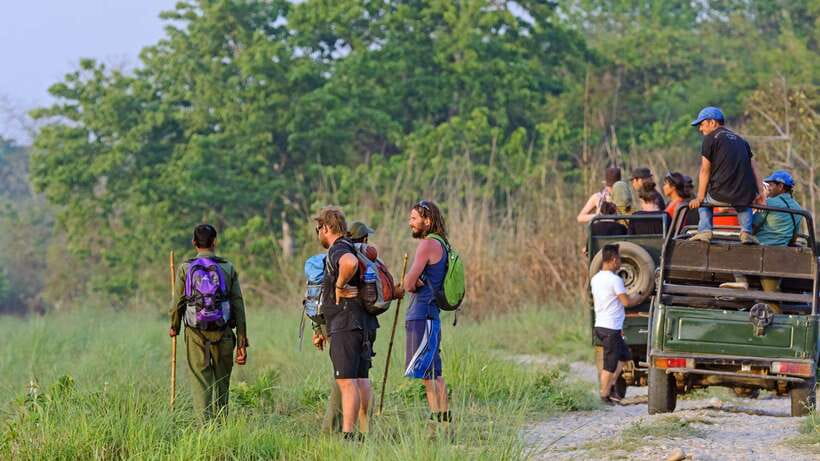
The guided jungle walk is short enough to stay doable, but it’s not a flat stroll where you breeze through without seeing much. When you walk with a trained guide, you start reading the small signs—movement in undergrowth, tracks, and subtle animal presence. It’s also a good day to wear comfortable shoes and breathable clothing, because you’ll be moving.
Elephant breeding center visit: educational and practical
Later on Day 2, you’ll visit an elephant breeding center. What you’ll take away from this stop depends on what’s operating during your visit, but it’s a meaningful way to connect elephants to the human side of conservation and management, not just the thrill of spotting animals out in the forest.
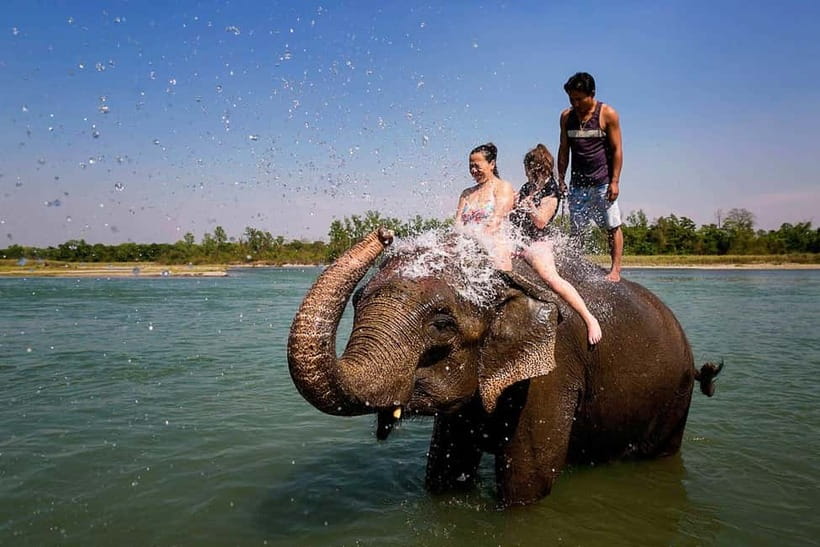
Some guests specifically mention an elephant ride experience as a highlight. Since the included activity named here is the breeding center visit, you should treat the ride as something you may see depending on daily operations and what’s offered.
The jeep safari: your big chance at rhinos and more
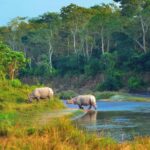
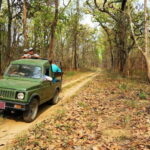
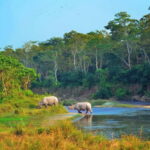
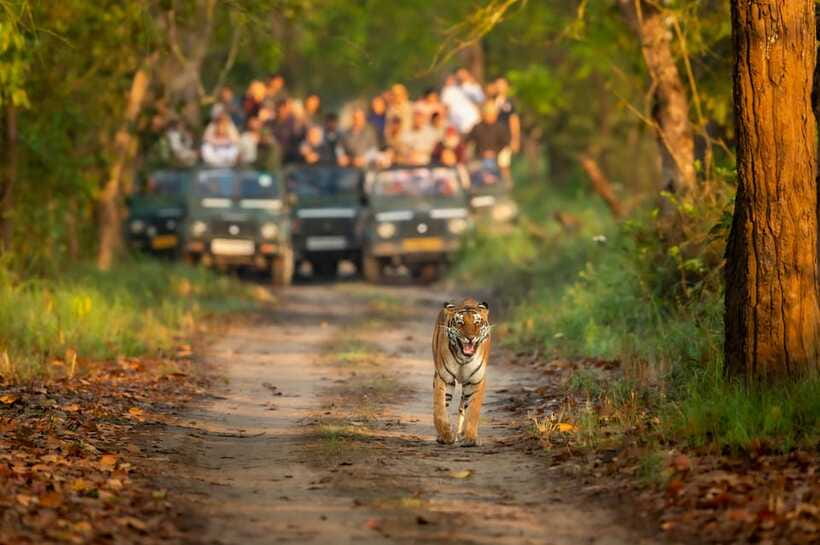
The jeep safari is the main event for many people because it gives you more coverage and a better shot at spotting larger wildlife. Rhinos are a big focus here, and you should expect your guide to work actively—choosing routes, scanning, and stopping quickly when the landscape signals movement.
One recurring theme from the experience: animal sightings can come fast when your timing is right, especially when guides spot things others miss. In particular, I’ve seen praise for guides such as Babu, noted for finding animals even when they seem almost invisible. That’s exactly what you want from a safari guide: not just driving around, but actively interpreting signs and positioning.
Day 3: optional birdwatching, then you’re back on the road
Day 3 is built as a lighter morning. You’ll have breakfast and depart, with an optional early morning birdwatching walk. This optional stop is a smart add-on for anyone who gets up early anyway, because it’s often when bird activity is easiest to spot.
Then it’s the return transfer to Kathmandu or Pokhara. Expect the travel day to feel long, especially after two active wildlife days. Plan your evening after arrival with low expectations—save your big energy tasks for later.
What wildlife viewing really feels like here (and how to set expectations)
Chitwan’s wildlife is real, but it’s still wildlife. The tour is designed to maximize chances with a mix of jeep safari, canoe time, and guided walking. That structure helps you avoid the common disappointment of doing one long activity and then hoping the animals show up.
Here’s the mindset I’d recommend:
- Go in expecting multiple small moments, not one single perfect encounter.
- Pay attention to the guide’s spotting—your odds improve when you listen and reposition quickly.
- Keep an eye on both land and water. Crocodiles and birds often show up where people don’t automatically look until someone points them out.
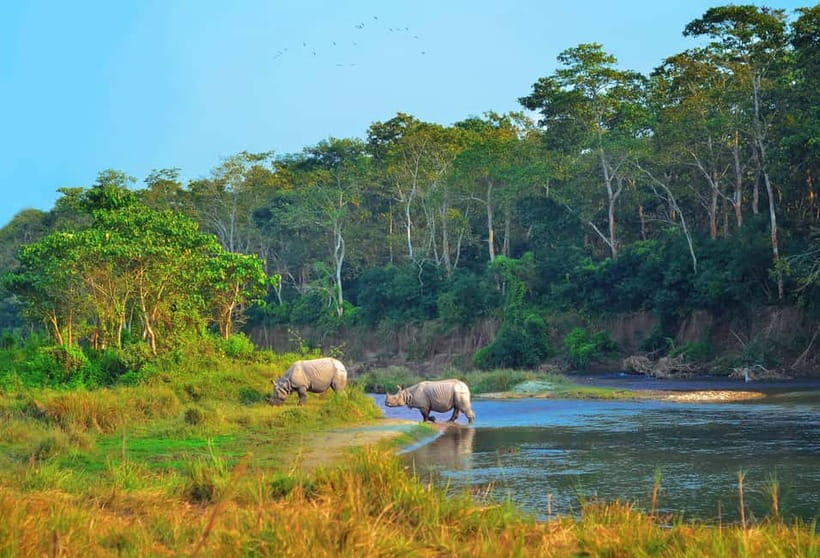
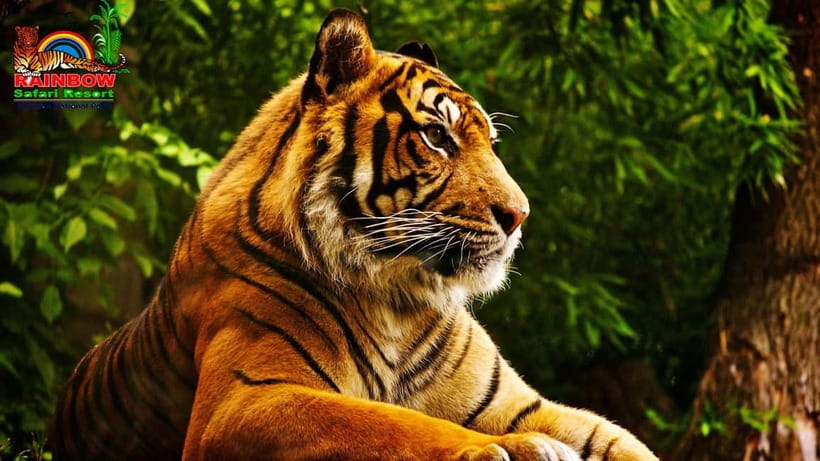
In terms of what people often see, the tour experience is commonly described with rhinos, crocodiles, deer, monkeys, and a lot of bird species. Tigers are mentioned as part of the big-picture promise, but wildlife isn’t a guarantee. The win is that you’re spending time in different habitats and at different speeds, so your viewing is less dependent on one single outcome.
The resort and meals: comfort that doesn’t break the nature mood
This trip includes lodging at a jungle resort or eco-resort style property, plus all meals during the tour. In the experience reports, Rainbow Safari Resort (often referred to as Rainbow Safari Resort or Rainbow Hotel) comes up repeatedly, with comments about friendly staff and good food.
I like that the tour includes meals because it reduces decision fatigue. After you’ve spent the day outside, you don’t want to hunt for dinner options. You want a warm shower, a real meal, and a quick reset for the next outing.
Some guests also mention the rooms being clean and the food being filling. On the other hand, a couple of reports mention cleanliness issues and basic room comfort problems, so treat it as “jungle comfort,” not a luxury city hotel. The trade-off is you get the location and the schedule that keep you close to Chitwan’s action.
Price and value: what $129 buys you (and what it might not)
At about $129 per person for a 3-day package, the value comes from combining several costly elements into one block: park entrance fees, meals, guided activities, and transfers. You’re not just paying for a guide to drive you around. You’re paying for a full sequence—jeep safari time, canoe ride time, guided walks, and the Tharu cultural experience.
What you should watch is not the price itself, but where your comfort expectations meet the reality of a shared road transfer and group operations. Some reports describe frustrations with bus seating and long waits on the route, plus issues like device theft when personal items were left unattended during a break. That doesn’t change the core value, but it does mean you should travel with the basics: keep valuables close, and don’t assume bus staff will solve issues instantly.
For planning: if you’re budgeting carefully and want the package to handle most logistics, this is a strong deal. If you’re chasing top-tier comfort during transportation, you might find the road portion the weak link.
Who should book this tour, and who should skip it
This tour fits best if you want a focused wildlife visit without making a whole Chitwan planning project. It’s a good match for:
- couples who want wildlife plus culture in a short time
- families who prefer guided structure and included meals
- solo travelers who want pickup and a set schedule
- birdwatchers who want canoe time and an optional early bird walk
It’s not a great fit if you have animal allergies, since the trip is built around wildlife viewing.
Also, if you’re strict about tech: drones aren’t allowed. That’s common for wildlife parks, but it’s worth noting before you pack.
Practical tips that will make your Chitwan days smoother
Chitwan is warm and active, so pack for movement:
- Comfortable shoes for jungle walking
- Sunglasses and a sun hat for outdoor scanning
- Comfortable, breathable clothing
- Keep a small day bag for water and personal items during tours
And one more practical point: you’ll be in transit and in groups. Keep your valuables on you and stay aware during breaks.
Should you book the Kathmandu/Pokhara 3-Day Chitwan Safari?
Yes, if you want a well-packaged wildlife and culture sampler that keeps you active each day. The strongest argument for booking is the mix: jeep safari + Rapti River canoe + guided jungle walk, then Tharu village and dance. That combination gives you more than one way to see animals and more than one way to understand the region.
I’d be cautious if you’re extremely sensitive to transportation comfort or you hate the idea of long bus days from Kathmandu. Also, if you have animal allergies, skip it.
If those don’t apply, this is an efficient way to experience Chitwan’s lowland wildlife heart while still getting a real slice of local culture.
FAQ
Where are the pickup and drop-off locations for this tour?
Pickup is available from hotels in Kathmandu or Pokhara. Drop-off is at the bus stand, with return drop-off options also listed as Pokhara or Kathmandu.
What time does pickup happen?
Pickup time is listed as 6:30 AM.
How long is the tour?
The tour duration is 3 days (with availability shown for starting times).
What activities are included during the 3 days?
You’ll do a Tharu village tour and sunset tour with a cultural dance show on Day 1. Day 2 includes a Rapti River canoe ride, nature walk, birdwatching, an elephant breeding center visit, and a jungle jeep safari. Day 3 includes breakfast and departure, with an optional early morning birdwatching walk.
Are meals and park entrance fees included?
Yes. All meals (breakfast, lunch, dinner) during the trip and national park entrance fees are included.
What should I bring for the jungle and safari activities?
Bring comfortable shoes, sunglasses, a sun hat, and comfortable, breathable clothing.
Are drones allowed?
No, drones are not allowed.
Is this tour suitable for people with animal allergies?
No. It’s listed as not suitable for people with animal allergies.