REVIEW · KATHMANDU
Kathmandu Private Sightseeing Tour | UNESCO World Heritage Sites
Book on Viator →Operated by Mount Glory Treks & Expedition Pvt.Ltd. · Bookable on Viator
Seven UNESCO stops in one day? That can work.
This private Kathmandu sightseeing tour is built for ease: pickup from your Thamel hotel, an AC private vehicle, and an English-speaking city guide who can keep your day moving. I also like that you get a real menu of UNESCO options—you can do a tighter 4-site plan or go for up to 7—so you can match your energy to the schedule. The one thing to consider is that monument entrance fees are not included, and that can add up depending on how many UNESCO sites you choose.
The guide part is where this tour often shines. In particular, names like Manoj and Santos come up for good reason: they handle timing and details well, even when rain or traffic makes plans more chaotic.
One more practical note: you’re looking at a long day, about 8 to 10 hours, with multiple stops that involve walking on uneven temple-area ground. If you want a calmer pace, plan for fewer UNESCO sites and let your guide adjust on the fly.
In This Review
- Key points to know before you go
- Why Kathmandu’s UNESCO loop fits into one day
- Thamel pickup and the AC private car: your day’s real superpower
- Durbar Square (Hanuman Dhoka): palace power, temple details, and Kumari
- Swayambhunath (Monkey Temple): a hilltop viewpoint and small-stupa chaos
- Pashupatinath and Guhyeshwari: Shiva’s pilgrimage precinct by the Bagmati
- Boudhanath Stupa: the world’s big circle of faith
- Patan Durbar Square: monuments, palaces, and art-friendly architecture
- Bhaktapur Durbar Square: Khopa Lyaku and its distinct pillar design
- Changu Narayan: an older, calmer temple finish
- Price and value: what $35 really buys, plus entrance fees
- How tiring is 8 to 10 hours of temples? (And how to make it easier)
- Who this tour suits best
- Should you book the Kathmandu Private Sightseeing Tour?
- FAQ
- What’s the duration of the Kathmandu private sightseeing tour?
- Where does pickup happen?
- Is this a private tour?
- How many UNESCO sites can I visit?
- Are monument entrance fees included?
- Do I get a guide and transportation included?
- What’s included in the price?
- Can I cancel for a refund?
Key points to know before you go
- Thamel pickup + AC private transport makes the UNESCO circuit feel manageable
- Choose 2, 4, or 7 UNESCO sites with entrance-fee tiers listed by count
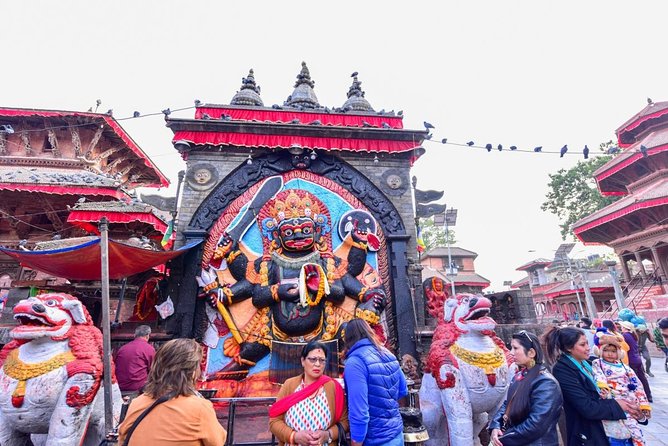
- Durbar Square includes Hanuman Dhoka + the Living Goddess Kumari stop
- Swayambhunath, Pashupatinath, and Boudhanath cover three very different spiritual vibes
- Patan and Bhaktapur Durbar Squares add two major palace-square experiences
- Guides help you finish the day when weather or traffic shifts the timing
Why Kathmandu’s UNESCO loop fits into one day
Kathmandu Valley is compact enough that you can see a lot without spending your whole trip in transit. This tour is designed for exactly that: hit several UNESCO sites in one day, then let your guide fill in what you’re actually looking at rather than you guessing from guidebooks.
The big win is flexibility. You don’t have to force a full marathon schedule. The operator offers options that can be shorter (like a 4-site day) or longer (up to 7), and your plan can be adjusted with your guide’s advice once you see how the day feels.
You can also read our reviews of more private tours in Kathmandu
Thamel pickup and the AC private car: your day’s real superpower
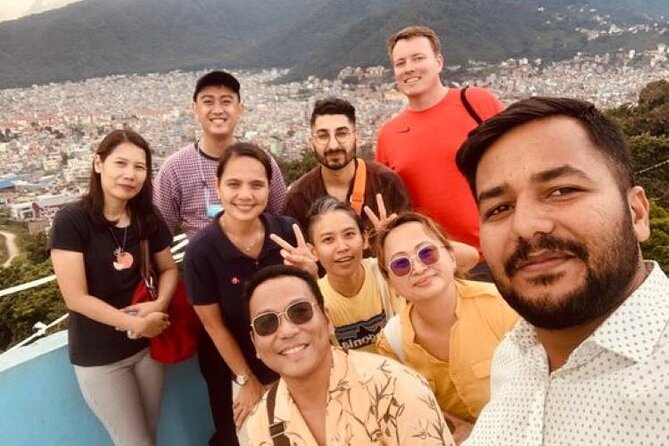
Starting in Thamel matters. You avoid the early scramble and get picked up from your Thamel hotel area, then ride in comfort during the in-between stretches. The vehicle is private and has air-conditioning, which is a lifesaver when Kathmandu traffic slows things down.
You’ll also get a bottle of mineral water, which sounds small but helps when temple days turn long. The tour runs about 8 to 10 hours, so having that reliable ride time built in keeps the day from collapsing into chaos.
One practical tip: since pickup is from Thamel, make sure you’re ready at the agreed time and have your entrance-fee plan sorted. When your route includes several ticketed sites, you don’t want cash hunting to eat into sightseeing time.
Durbar Square (Hanuman Dhoka): palace power, temple details, and Kumari
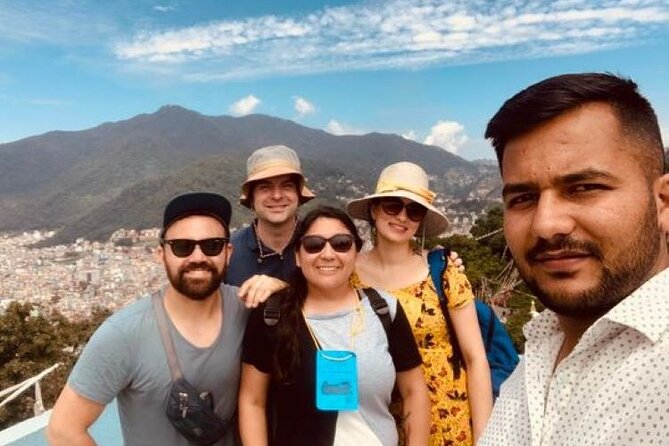
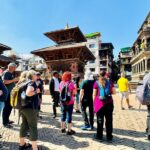
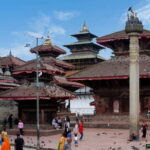
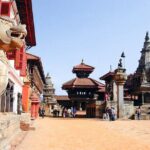
Your day often begins at Kathmandu Durbar Square, also known as Basantapur Durbar or Hanuman Dhoka. This is one of the key UNESCO anchors, and it works because it concentrates so many Kathmandu stories into a walkable zone.
Here’s what to expect beyond just old buildings:
- Hanuman Dhoka Palace as a former royal palace complex and a major landmark
- A stop connected to the Living Goddess Kumari, which is one of the more distinctive cultural experiences on the itinerary
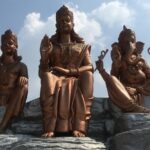
- Buddha Park, where you can see the famous giant three Buddha statues
This is also the stop where timing matters most. You’ll spend around 2 hours, which is enough for a meaningful look, but still tight if you want extra time for photos, side shrines, and guide-led explanations.
If you’re the type who likes to understand what you’re seeing, this is a great place to slow down with your guide. If you’re rushing, it’s easy to skim past the details that make Durbar Square feel alive.
Swayambhunath (Monkey Temple): a hilltop viewpoint and small-stupa chaos
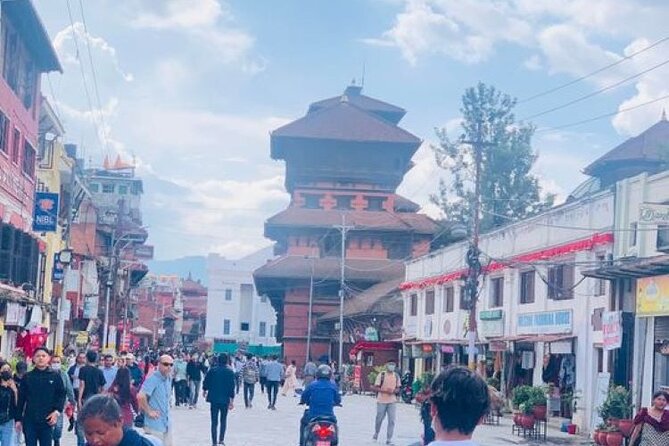
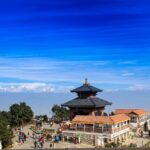
Next up is Swayambhunath, commonly called the Monkey Temple. This is an ancient stupa on a hill, and it has a signature look from far away—plus the iconic Buddha eyes motif that draws people in.
Expect:
- A 1-hour visit focused on the stupa complex
- Lots of small stupas around the main area
- Hilltop views over Kathmandu Valley, which are part of the payoff
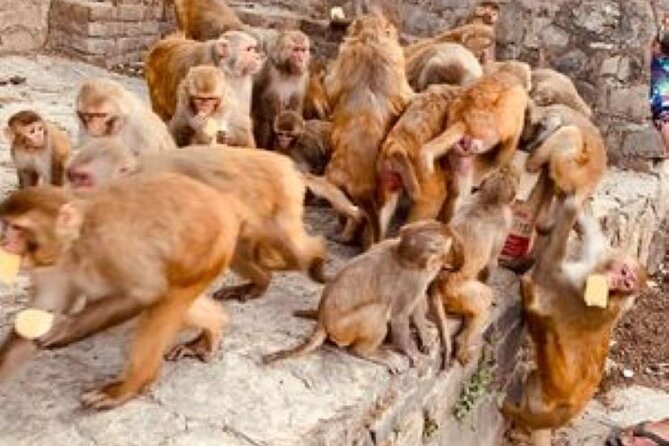
The key thing here is how Swayambhunath mixes serious spirituality with lively street energy. If you’re sensitive to crowds or you don’t love animals nearby, go carefully and follow your guide’s advice on where to stand and when to move.
Pashupatinath and Guhyeshwari: Shiva’s pilgrimage precinct by the Bagmati
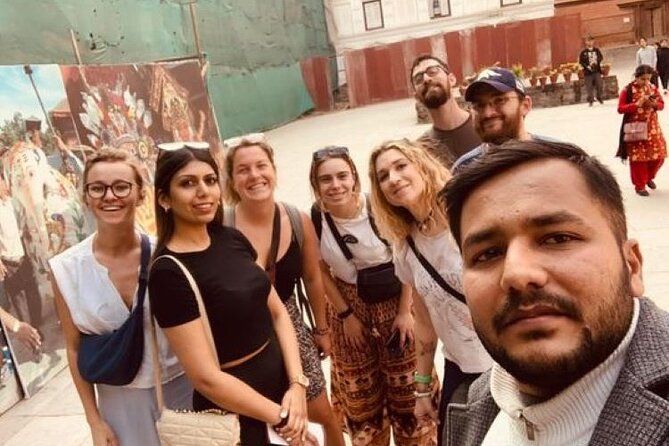
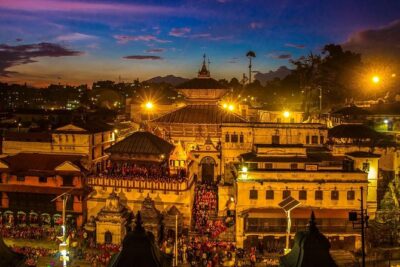
Pashupatinath is one of Nepal’s most famous Hindu pilgrimage sites, and it’s also a UNESCO heritage location. Your stop is around 1 hour, and it’s positioned near the international airport area, so it’s often easier to slot into the day without wasting time.
On the itinerary, you’ll also stop at Guhyeshwari Temple, which helps broaden the visit beyond the main site. Pashupatinath is one of those places where you’ll notice people coming for prayers and rituals, not just sightseeing. That changes the feel of the visit, so come prepared to be respectful and observe first, ask questions second.
Good to know: the itinerary builds in time, but this area can still feel active. If you want a quieter experience, keep your expectations realistic and let your guide handle the best flow.
You can also read our reviews of more historical tours in Kathmandu

Boudhanath Stupa: the world’s big circle of faith
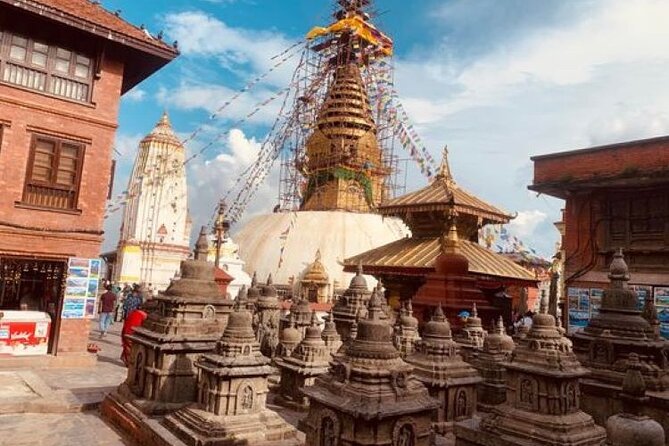
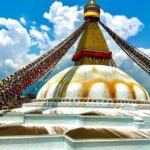
Then comes Boudhanath Stupa, described as the largest spherical stupa in the world and built around the 5th century. This is another UNESCO highlight, and it’s easy to understand why people keep returning: it draws both locals and international visitors in large numbers.
You’ll get about 1 hour here, which is enough to:
- Take in the scale of the stupa
- Watch the steady rhythm of visitors moving around it
- Get your bearings in a complex sacred space
Boudhanath works well for a one-day tour because it shifts your energy. After palace squares and temple precincts, this stop tends to feel more contemplative—like the day’s pace changes slightly even though you’re still moving.
Patan Durbar Square: monuments, palaces, and art-friendly architecture
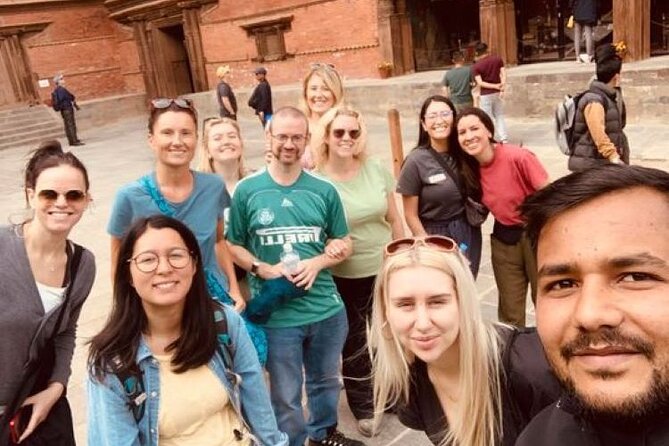
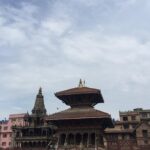
Next, you’ll head to Patan Durbar Square (Lalitpur). This is a major attraction and UNESCO-listed, full of Buddhist and Hindu monuments plus historic palace structures.
Plan for about 2 hours, and use that time to look carefully at the kind of craftsmanship Kathmandu is known for. Patan tends to reward slower watching: doors, carvings, and shrine details. When your guide explains the symbols, the place starts making more sense.
If you’re choosing fewer UNESCO stops to keep your day comfortable, Patan is often still worth it because it adds a different feel compared to Kathmandu Durbar Square.
Bhaktapur Durbar Square: Khopa Lyaku and its distinct pillar design
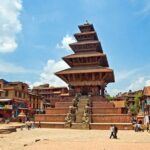
After Patan, the itinerary continues with Bhaktapur Durbar Square, also known as Khopa Lyaku. You’ll get another 2 hours here, and it’s one of the best stops for architecture fans.
A few things mentioned in the tour description that help you know what to look for:
- It’s a royal palace complex for the Bhaktapur kingdom
- It sits 1350 meters above sea level
- It has fourteen octagonal pillars and architectural elements on the cornice
Bhaktapur can feel different from the other palace squares. It has its own rhythm, and it often makes the day feel like you’re watching Kathmandu Valley’s cultural layers rather than just ticking off sites.
Changu Narayan: an older, calmer temple finish
For the final UNESCO stop, you may visit Changu Narayan, an ancient Hindu temple on a hilltop. The itinerary notes it as the oldest temple in this context, with distinctive construction and religious importance across Hindu communities.
This one is about 1 hour, and it’s marked as having admission free on the provided details. That makes it a nice way to end the day without adding extra ticket hassle.
Changu Narayan tends to feel more settled than some of the bigger, busier hubs. If you’re still strong at the end of the day, it’s a great wrap-up because it gives you a sense of how old traditions sit inside everyday Nepal.
Price and value: what $35 really buys, plus entrance fees
The tour price is listed as $35 per person, with a full-day schedule and private AC vehicle. What you’re paying for is the guide, transportation, and the time saved by having someone handle the route.
What’s not included is the part that can change your final total:
- All monument entrance fees
- Lunch
- Tips for guide and driver
- Any personal expenses
Entrance-fee costs are given by UNESCO count:
- 7 UNESCO sites: 6000 Nepali Rupee
- 4 UNESCO sites: 2600 Nepali Rupee
- 2 UNESCO sites: 1200 Nepali Rupee
Since the itinerary can flex, you should treat the $35 as the base cost for guide + private car, and then plan your entrance fees based on which option you choose. If you’re on a budget and want better value-per-hour, the 4-site option often feels like the sweet spot.
Also, don’t forget the tour includes taxes, a city tour guide, and bottle mineral water. Those small inclusions add up on a long day.
How tiring is 8 to 10 hours of temples? (And how to make it easier)
This is not a slow, sit-on-a-terrace kind of day. It’s a packed sightseeing plan, and it can feel exhausting if you try to see everything at full speed.
The good news is that the experience is set up to cope with the real-life issues that pop up in Kathmandu—traffic, rain, and time shifts. Guide Manoj, for example, is noted for managing a full schedule even with rain and challenging traffic, and also for smart advice that helped someone complete 6 out of 7 sites on a demanding day when they had another temple day planned afterward.
My practical advice: if you know you’ll get tired easily, pick the fewer UNESCO sites option. You’ll enjoy the stops more, you’ll ask better questions, and you’ll take better photos because you’re not sprinting from place to place.
Who this tour suits best
This private UNESCO tour is a strong match if:
- You’re short on time and want a structured day
- You like spiritual and cultural sites, not only museums
- You prefer a guide to explain what you’re seeing while you move
- You want private transport instead of wrestling with public options
If you’re a family traveling with mixed energy levels, the option to choose 4 instead of 7 UNESCO sites can be a smart way to avoid burnout.
If you want a simple walking day only, the tour description also notes an option that can include a walk around Durbar Square and Thamel—so you can scale the experience down.
Should you book the Kathmandu Private Sightseeing Tour?
If you want Kathmandu’s UNESCO highlights in one day with pickup from Thamel, an English-speaking guide, and an AC private car, this is an easy yes—especially if you pick the number of sites that matches your stamina.
I’d book it if you value:
- Clear structure and route efficiency
- A guide who can handle tough timing
- The chance to see major spiritual places like Swayambhunath, Pashupatinath, and Boudhanath without planning stress
I’d think twice if you hate long days or you already know you’ll struggle with temple-area walking. In that case, choose fewer UNESCO sites and treat the day like quality time, not a checklist.
FAQ
What’s the duration of the Kathmandu private sightseeing tour?
It runs about 8 to 10 hours.
Where does pickup happen?
Pickup is offered from your Thamel hotel.
Is this a private tour?
Yes. It’s listed as a private tour where only your group participates.
How many UNESCO sites can I visit?
The experience offers options to visit four or even seven UNESCO World Heritage Sites (and the entrance fee tiers are listed for 2, 4, and 7 sites).
Are monument entrance fees included?
No. Entrance fees are not included, and the tour lists separate costs in Nepali Rupees based on the number of UNESCO sites you choose.
Do I get a guide and transportation included?
Yes. You get an English-speaking city tour guide, plus a full-day sightseeing private car with AC.
What’s included in the price?
Included items are an English-speaking guide, government taxes and official expenses, private AC transport for full-day sightseeing, and a bottle of mineral water.
Can I cancel for a refund?
Yes. Free cancellation is available up to 24 hours in advance for a full refund, with the time cut-off based on local experience time.