REVIEW · KATHMANDU
Kathmandu: Guided Delicious Food Tour with 12+ Tastings
Book on GetYourGuide →Operated by Race Alpine Treks and Tours Pvt Ltd · Bookable on GetYourGuide
Hungry in Kathmandu? This tour fixes that. In 2.5 hours, you get 12+ tastings across 4–5 stops and a guide who explains what you’re eating (Bibek is called out by name), which I love. The best part for me is the small group size, so you’re not lost in the crowd. One possible drawback: it moves fast, so if you like long, slow meals, you might wish you had more time.
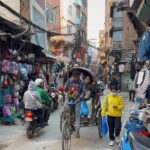
You meet near Hotel Marshyangdi in Thamel and head into Kathmandu backstreets with local drinks, fresh juice, and Nepali pickles along the way. You’ll sample standout staples like momo and street-food khaja-style bites, plus Bhaktapur juju dahu, then end right back where you started—simple and efficient.
In This Review
- Key Things I’d Book This For
- Why This Kathmandu Food Tour Works So Well in 2.5 Hours
- Meeting in Thamel: Easy Start, Smart Routing, Back to Your Hotel
- Small Group, Big Attention: Up to 6 With an English Guide
- Stop-by-Stop Taste Map: From Momo to Bhaktapur Juju Dahu
- Stop 1: Street Food + Regional Bites in a Local Restaurant
- Stop 2: Nepali Khaja-Style Eating (Quick, Shareable, Ordered Like Locals)
- Stop 3: Momo Time, With Pickles and Thakali Flavor Notes
- Stop 4: Bhaktapur Speciality Moment With Juju Dahu
- Stop 5: Chatamari, Selroti, Lassi, and Dessert Finishes
- What You’ll Actually Eat: The 12+ Tasting List You Can Plan Around
- Price and Value: How $5 Buys a Real Food Introduction
- Who This Tour Is Best For (and When It’s Not)
- Tips to Get the Most From Your Kathmandu Tastings
- Should You Book This Kathmandu Guided Food Tour?
- FAQ
- Where is the meeting point for the tour?
- How long is the Kathmandu guided food tour?
- How many tastings will I get?
- How many people are in the group?
- Is transportation included?
- Are alcoholic drinks included?
- Does the tour end back where it starts?
Key Things I’d Book This For
- Small group (up to 6), so the guide can actually talk to you
- 12+ tastings packed into 2.5 hours with 4–5 high-rated stops
- English-speaking foodie guide who answers questions with patience (Bibek gets praised)
- You’ll try a spread of Nepalese favorites like momo, bara, selroti, lassi, and more
- Transportation included so you’re not constantly navigating between eateries
- You come home with a working mental map of what to order next in Kathmandu
Why This Kathmandu Food Tour Works So Well in 2.5 Hours
A lot of food tours in big cities turn into a slow parade: you walk forever, you eat little, and you still can’t remember what you liked. This one is built around a tight timing plan—12+ tastings in about 2.5 hours—so you get variety without spending your whole day on dumpling math.
I also like that it’s not just one theme. Yes, you’ll eat a lot of Nepali classics, but the tour format helps you taste how Nepalese eating works in different neighborhoods and traditions: quick street plates, snack sets, and regional specialties. The result is more useful than a list of dishes—you leave knowing what categories you enjoy and what to order when you’re on your own.
The pacing can be a bit full-on. You’ll likely have several tastings that hit back-to-back, so come hungry and plan to drink water between stops.
You can also read our reviews of more food & drink experiences in Kathmandu

Meeting in Thamel: Easy Start, Smart Routing, Back to Your Hotel
The tour starts with a representative waiting in front of Hotel Marshyangdi in Thamel. That’s a big deal because Thamel is where most first-time Kathmandu visitors land, and it saves you from playing “where is the meetup?” when you’re already tired.
Transportation is included, and you also get skip-the-line access through a separate entrance (so you’re not stuck waiting while others line up). After the last tasting, you return to the starting point, which helps if you have plans later—no extra wandering required to find your way back.
Practical takeaway: if you’re using this tour as your first taste of Kathmandu, it’s set up like an orientation day. You’ll get enough variety to decide what you want to chase afterward, but you won’t lose your evening to logistics.
Small Group, Big Attention: Up to 6 With an English Guide
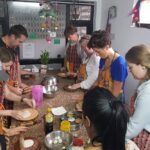
This tour keeps the group tight—maximum 6 guests—and that changes the whole experience. When you’re in a smaller group, you can actually ask questions. You’re more likely to get explanations that stick, like what makes certain snacks part of local everyday food culture, and why some dishes show up in specific regions.
The guide is English-speaking, and the reviews praise Bibek for being friendly and patient. You’ll also find that the guide helps with ordering logic. That matters in Kathmandu, where menus can look similar at first glance, but ingredients and styles can vary a lot.
If you prefer to move at your own pace, this setup still keeps things efficient, but it won’t feel like you’re being herded through.
Stop-by-Stop Taste Map: From Momo to Bhaktapur Juju Dahu
The tour includes 4–5 venues. While each stop focuses on a different slice of Nepalese food, the common thread is consistency: you’re guided to tastings that help you build a real sense of what you’re eating.
Stop 1: Street Food + Regional Bites in a Local Restaurant
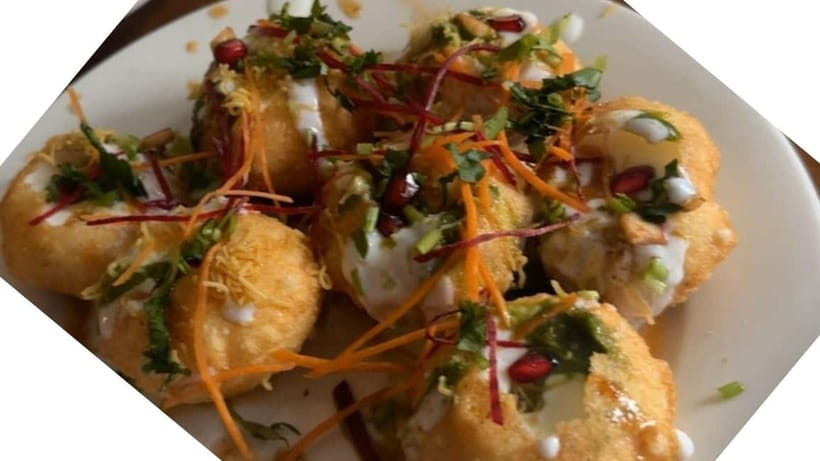
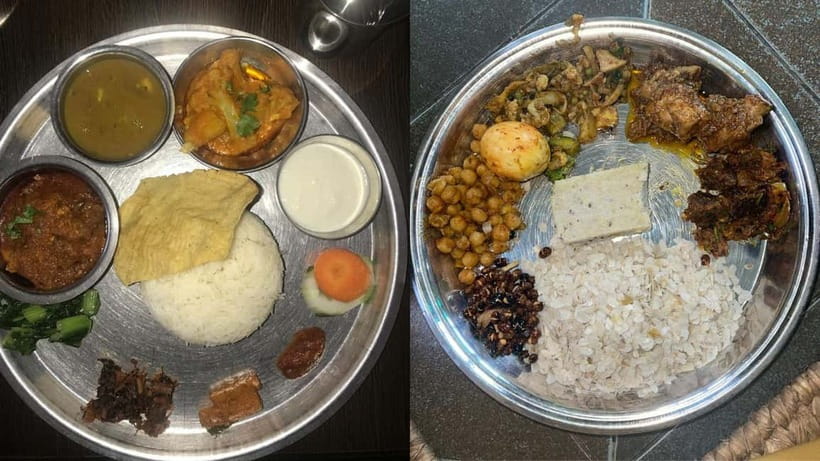
You’ll begin at a local food spot where you can start easy and learn the basics. This is where you’re likely to see classic snack building blocks—things like beans and beaten rice show up in the tasting set, alongside savory items such as bara. Expect a mix of street-food energy and restaurant comfort, so you’re not overwhelmed right at the start.
The value here is that you get a fast baseline. By the time you reach the “signature” dishes later, you’re already tasting with context instead of guessing.
You can also read our reviews of more tours and experiences in Kathmandu
Stop 2: Nepali Khaja-Style Eating (Quick, Shareable, Ordered Like Locals)
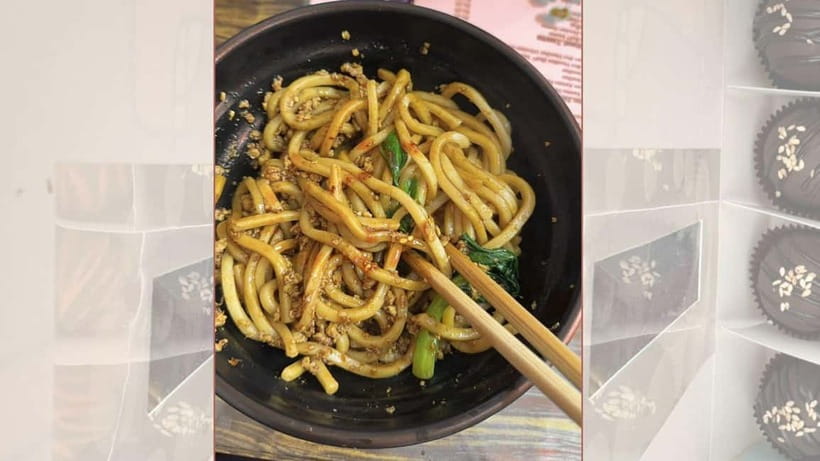
Next comes the khaja-style experience—think of it as the local habit of eating snacks and small plates. You’ll taste several items from this category during the tour, including bara again in some form across the experience and other snack favorites tied to this style of eating.
This stop is great if you like variety on a plate rather than one giant meal. It’s also one of the easiest ways to practice what to order later without feeling nervous.
Possible drawback: if you’re the type who wants one dish to be your main event, you may feel like you’re “sampling” instead of fully committing. That’s the nature of khaja, but the upside is you get more total tastings.
Stop 3: Momo Time, With Pickles and Thakali Flavor Notes
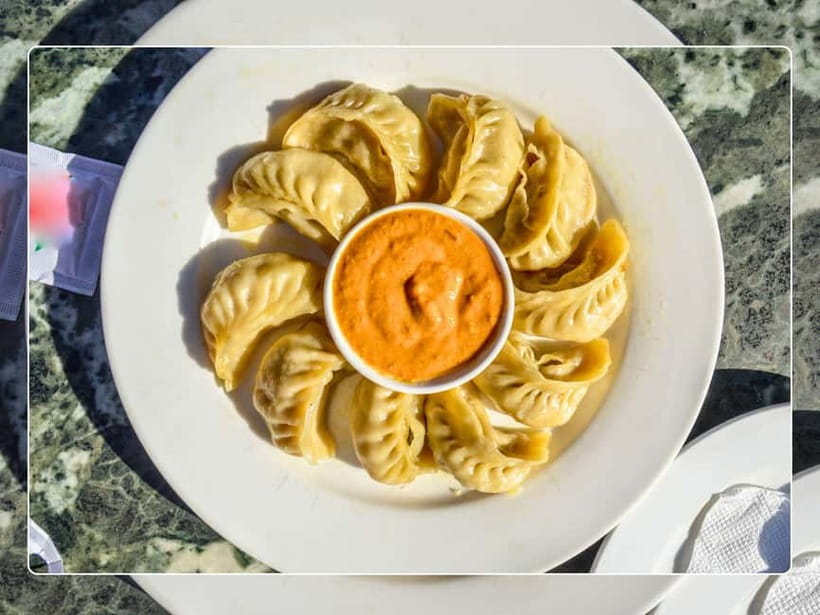
Momo is the headline here. You’ll try Nepali-style momo, and you’ll get it with local pickles, which is where a lot of the flavor contrast comes from. You may also hear Thakali mentioned during tastings, giving you another layer of Nepalese food identity to recognize later.
This stop is one of the most useful for first-timers, because momo is often the easiest dish to find again. Once you taste the tour version and understand how the pickles and accompaniments work, you’ll be more confident ordering on your own.
Stop 4: Bhaktapur Speciality Moment With Juju Dahu
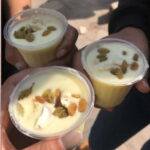
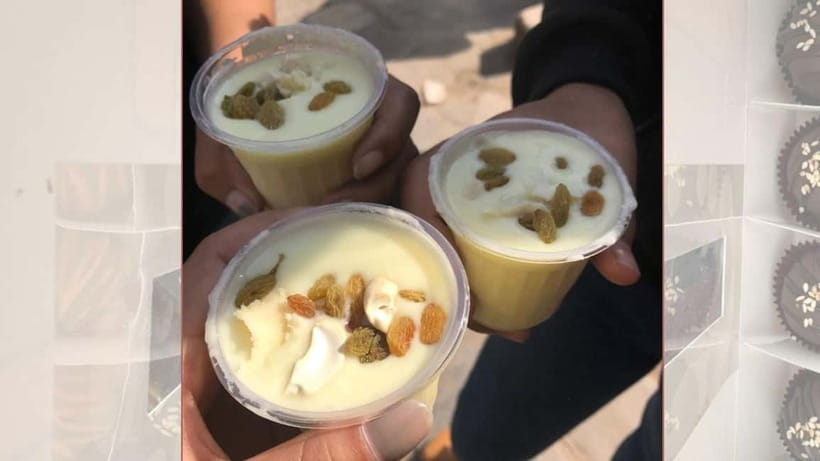
One of the standout inclusions is Traditional Bhaktapur juju dahu. This is the kind of tasting that turns a standard food crawl into something you can’t easily replicate at random. It’s also a nice way to break up the dumpling-and-snack flow with something more distinctive.
You’ll also get some explanation about significance—food in Nepal isn’t just about taste, it’s tied to place and tradition. Even if you don’t remember every detail, you’ll likely remember the flavor and the reason it’s special.
Stop 5: Chatamari, Selroti, Lassi, and Dessert Finishes
Later in the tour, you’ll hit the sweet-and-savory range that rounds out the experience. Dishes and tastings mentioned include chatamari, selroti, lassi, and dessert items like barfi. There’s also fresh juice and local drinks during the tour, which helps keep the tastings moving without feeling like you’re only eating solids.
Why I like this final phase: it turns the tour from a checklist into a balanced meal arc. You start savory, you reach signature items, and you end with flavors that feel complete.
One note: with multiple desserts and drinks, you may want to go slow on the last stop so you don’t end up rushing your favorites.
What You’ll Actually Eat: The 12+ Tasting List You Can Plan Around
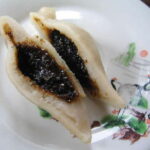
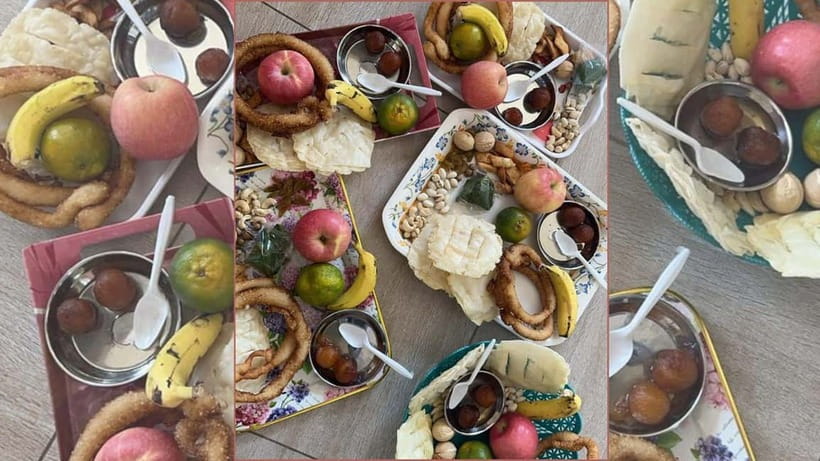
If you want a quick mental packing list, here’s what’s included across the tastings and noted in the experience details: momo, Nepali Khaja set bites, Traditional Bhaktapur juju dahu, Gundruk sadeko (fermented greens), chatamari, selroti, lassi, bara, and desserts like barfi. You’ll also see tastings mentioned such as beans, buff (likely as part of a savory tasting variety), and beaten rice—plus local pickles, local drinks, and fresh juice.
What makes this list valuable is the spread:
- Savory staples (momo, bara, chatamari)
- Regional identity foods (juju dahu, Thakali references)
- Fermented/complex flavors (Gundruk sadeko)
- Sweet and creamy finishes (barfi, lassi)
- Bread-and-crisp/snack textures (selroti and khaja-style bites)
That’s how you end up with real decision-making power later. You don’t just know names—you know your preferences.
Price and Value: How $5 Buys a Real Food Introduction
The price is listed at $5 per person, and at that rate the main value isn’t just the food. It’s the fact that you get:
- 12+ tastings instead of a single meal
- Transportation included
- A small group (up to 6), meaning less waiting and more attention
- A guide who brings you to multiple places over 4–5 stops
- Local pickles, local drinks, and fresh juice included
Even if you treat the tour like a “best of Kathmandu snack training,” the math works because you’re not paying full restaurant prices for a set of small servings in a guided flow. And because the tour ends back at your starting point, you’re not adding extra taxis or detours.
What’s not included matters too: alcoholic drinks aren’t part of the package. If you plan to drink, you’ll need to budget separately.
Who This Tour Is Best For (and When It’s Not)
This is a strong match for you if:
- You want to try a wide range of Nepalese foods quickly
- You prefer a small group and clearer guidance
- You’re new to Kathmandu and want a first-day food orientation
- You like questions and explanations while you eat (Bibek gets noted for patience)
It might not be your best choice if:
- You want long meals and lingering conversations over dessert
- You’re extremely picky and need total control over ingredients (this tour is built on trying multiple items)
- You’re looking for a cooking class or a full-day itinerary instead of a focused 2.5-hour format
Tips to Get the Most From Your Kathmandu Tastings
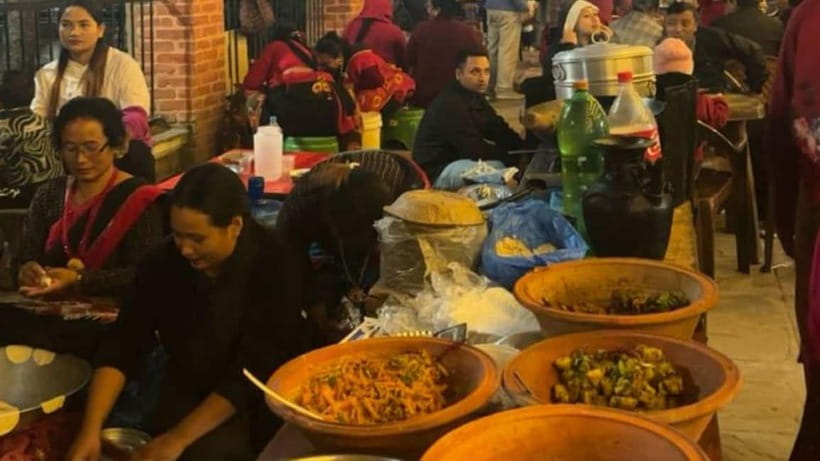
You’ll enjoy this tour more if you treat it like a tasting plan, not a single restaurant meal.
- Eat light before you go. With 12+ tastings, you’ll want empty space in your stomach for the later items like selroti and barfi.
- Ask what to focus on. If the guide offers explanations, follow up with questions—especially about momo styles, Gundruk sadeko, or how to order khaja-style snacks later.
- Go easy on speed. Even with pickles and drinks, some tastings come quickly. Slow down for the dishes you really like.
- Wear comfortable shoes. You’ll be moving between food stops, and Thamel area walking is real walking.
Should You Book This Kathmandu Guided Food Tour?
I’d book this if you want a fast, friendly, high-variety start to Kathmandu food. The combination of small group size, 12+ tastings, and a guide who’s praised specifically for being patient and helpful (Bibek) makes it feel less like a generic “walk and eat” and more like a guided introduction you can build on afterward.
Skip it only if you know you hate structured pacing or you want something beyond tasting—like a cooking workshop or a longer day of food. Otherwise, this is the kind of tour that helps you stop guessing in Kathmandu. You’ll come away with favorites, ordering confidence, and a clear sense of what Nepalese food tastes like across different styles.
FAQ
Where is the meeting point for the tour?
You meet in front of Hotel Marshyangdi, Thamel.
How long is the Kathmandu guided food tour?
The tour lasts about 2.5 hours.
How many tastings will I get?
You’ll enjoy 12+ tastings of traditional Nepali foods.
How many people are in the group?
The tour is a small group with a maximum of up to 6 guests.
Is transportation included?
Yes. Transportation is included as part of the experience.
Are alcoholic drinks included?
No, alcohol is not included. Local drinks and fresh juice are included, though.
Does the tour end back where it starts?
Yes, the tour concludes back at the starting point.