REVIEW · KATHMANDU
Kathmandu: Pashupatinath Temple Evening Aarati Tour
Book on GetYourGuide →Operated by Breakfree Adventures Pvt. Ltd. · Bookable on GetYourGuide
Pashupati Aarati at dusk is quietly powerful. Watching the Pashupati Aarati unfold beside the Bagmati River turns a normal city evening into something sacred and human-scale. I also like that the tour gives you practical context for what you’re seeing, including symbolism that goes beyond the surface of the flame ritual.
You’ll start with an easy, local-feeling setup: pickup from central Kathmandu areas like Thamel or Boudhha, then a direct run to Pashupatinath in an air-conditioned private vehicle. One extra bonus is that the format is designed to help you land in the right place to view the ceremony even when it’s crowded, like on a busy Saturday night.
Do keep one thing in mind: this is a working Hindu ritual space. Expect incense smoke and chanting, dress modestly, and know that non-Hindus can view the Aarati from the river banks but can’t enter the main temple area.
In This Review
- Key points before you go
- Pashupatinath at Dusk: The Bagmati Aarati Setup
- How the Oil-Lamp Ritual Works and What It Symbolizes
- Prayer Through Music: Bhajans, Chanting, and the Spiritual Atmosphere
- Temple Grounds You Might See Along the Way
- Tandav and the Shiva Connection (Why It’s More Than One Ceremony)
- Viewing, Photos, and Dress Code: Practical Respect
- Price, Timing, and Entrance Fees: Getting Value for $22
- Should You Book the Evening Aarati Tour?
- FAQ
- What time does the Pashupati Bagmati Aarati usually start?
- How long is the Kathmandu Pashupatinath evening Aarati tour?
- Where can I be picked up in Kathmandu?
- Where do you drop me off after the tour?
- Can non-Hindus enter the main Pashupatinath temple?
- What is the monument entry fee?
- Is an English-speaking guide included?
- Is the transport air-conditioned and private?
- Is the Aarti photography-friendly?
- Is free cancellation available?
Key points before you go
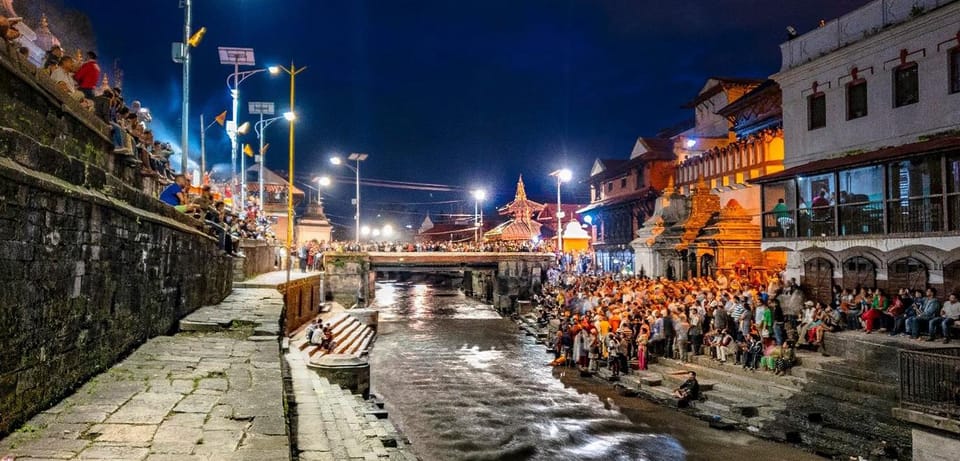
Bagmati River viewing is the whole point of the Pashupati Aarati, and that’s where the meaning lands.
Start time is usually around 6–6:30 PM and can shift with the season, so plan to be ready early.
Oil lamps, chants, and bhajans create the atmosphere, plus you’ll likely smell incense.
Non-Hindus watch from the river banks; the main temple entry is restricted.
Pay the entrance fee on the day (NPR 1,000 per person) since it’s not included.
A good guide matters—people mention guides like Razz for clear, thoughtful explanations and context.
Pashupatinath at Dusk: The Bagmati Aarati Setup
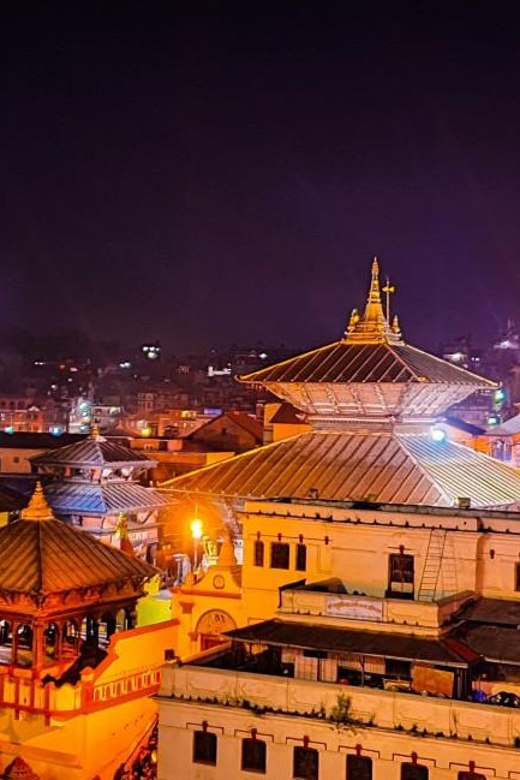
Pashupatinath Temple is one of those places where evening doesn’t just look pretty. It becomes part of the ritual, because the Pashupati Bagmati Aarati is performed on the side of the holy Bagmati River that flows right by the temple complex.
This tour is built around that timing. It runs for about 3 hours, and the Aarati generally starts every evening around 6:00–6:30 PM (with seasonal variation). That means you’re there when the light softens and people gather, not when the site is in full daytime mode.
I like that your experience starts with hotel pickup in Kathmandu city-centre areas (with Thamel and Boudhha as common pickup choices). The private vehicle part matters here: traffic and timing can be unpredictable, and the last thing you want is arriving late and standing at the edge of the crowd while the lamps are already moving in circular motions.
And yes, crowds are part of the deal. It can get packed on weekends and especially on holidays and major days like Maha Shivaratri and Haritalika Teej. If you’re the type who hates squeezing through shoulder-to-shoulder lines, you’ll want to be mentally ready for a dense, active sacred space.
You can also read our reviews of more evening experiences in Kathmandu



How the Oil-Lamp Ritual Works and What It Symbolizes
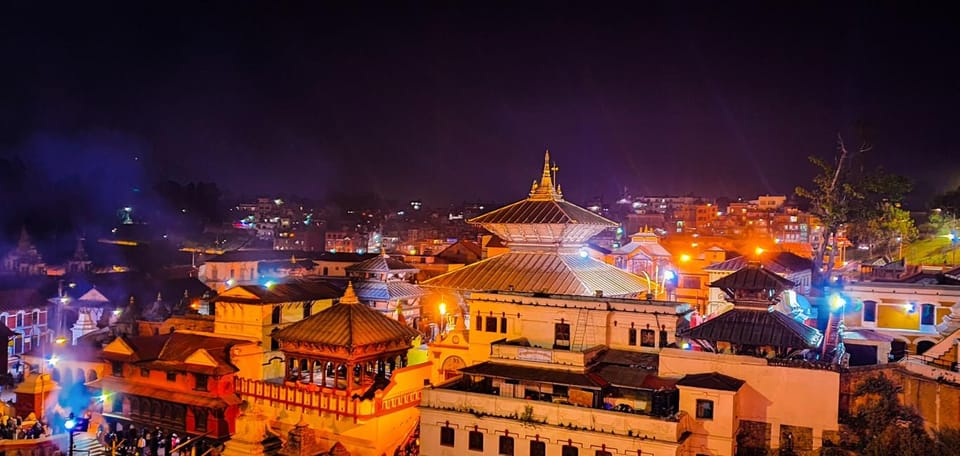
The centerpiece is the Pashupati Bagmati Aarati, where priests conduct a worship ritual using oil lamps. You’ll see chants paired with the physical movement of the lamps—often in circular motions—which is meant to symbolize devotion directed to the Divine.
This ritual isn’t random theater. The location is tied to belief about the Bagmati River itself. The river is regarded as holy, and bathing in it is believed to wash sins. Standing there at the river bank, you can feel why the Aarati is performed exactly where it is: the river and the temple aren’t separate in the minds of devotees.
The Aarati also has deeper roots in Hindu prayer practice. Aarti is described as one of the highest forms of prayer, and in this specific tradition the worship honors both the temple and the river. The event has modern structure too: the Bagmati Aarati is said to have begun in 2000 and then become a regular tradition starting in 2006. So you’re seeing an ongoing living practice, not only an ancient relic.
Here’s the practical takeaway: focus less on trying to perfectly “capture” everything and more on watching the sequence—lamps, chanting, devotees’ songs, then the closing prayers. If you follow the flow, the meaning clicks faster, even if you’re not familiar with the theology.
Prayer Through Music: Bhajans, Chanting, and the Spiritual Atmosphere
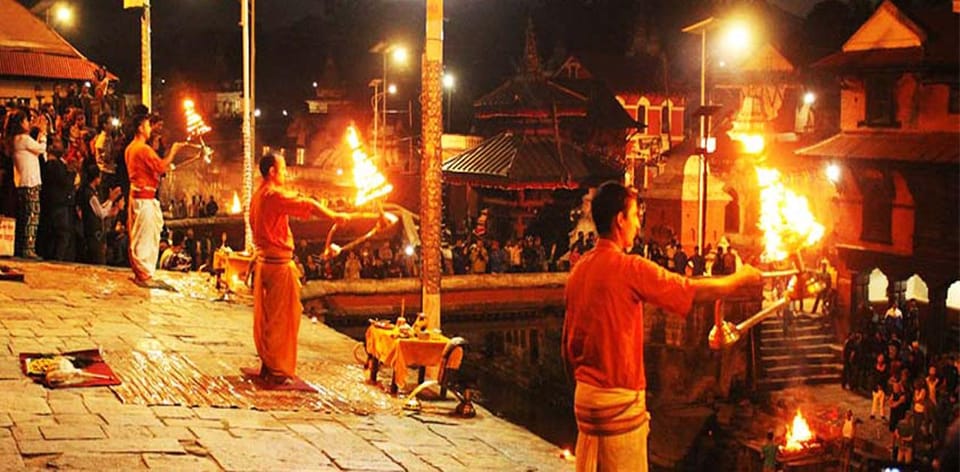
If the lamps are the visual anchor, the sound is the emotional one. During the Aarati, devotees sing bhajans (religious songs). Priests chant sacred words as the ritual unfolds, and the whole space hums with group devotion rather than quiet museum vibes.
This is where the guided part can really help you. I like tours that don’t just point out what happens; they explain what the actions mean. In this case, the tour guidance can connect symbols and ritual logic to the broader beliefs behind them—like the idea that God’s presence is in all living beings and that the prayers extend to collective well-being.
You’ll likely notice how the atmosphere shifts between intense focus and gentle rhythm. People aren’t performing for the audience; they’re participating in a spiritual routine. That’s why respectful behavior matters, especially if you want good viewing without blocking others.
Plan for your senses: expect incense smoke and chanting in the area. That’s not optional background; it’s part of what makes this feel like a real religious gathering. If you’re sensitive to smoke, consider bringing a mask or at least be ready for it.
Photography is generally allowed, but treat it like you’re borrowing attention. Keep your movements calm, don’t step in front of people during the most sacred parts, and remember that the goal isn’t to get a perfect shot—it’s to witness without disrupting.
Temple Grounds You Might See Along the Way
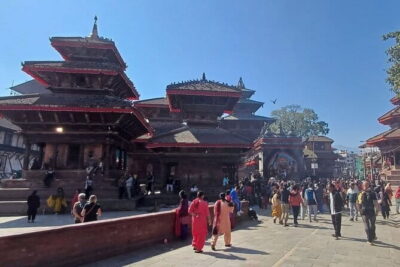
This evening isn’t just a single stop and then out. The tour includes time at Pashupatinath Temple with guided sightseeing, so you’ll have a chance to orient yourself within the complex and understand the setting where the ritual happens.
One detail you might catch if your guide explains the process clearly is how the wider site connects different aspects of life, faith, and ritual. For example, some guides frame what you’re seeing by adding context on belief systems beyond Hinduism. There are mentions of guides like Razz connecting the dots between Hindu traditions and Buddhism, which can make the whole Kathmandu spiritual landscape feel less random and more coherent.
You may also notice the site includes ceremonial areas connected to end-of-life rites. That matters because the Aarati isn’t the only heavy spiritual moment on site—so if you’re a visitor who wants only soft, scenic vibes, Pashupatinath can feel intense. On the other hand, if you want a fuller picture of how faith and daily life intersect here, that intensity is part of the truth.
A careful note for planning: non-Hindus are not permitted inside the main temple, but you can view the Aarati from the Bagmati River banks. So don’t count on an inside-the-temple moment. Instead, prepare to experience the main event from the river side, where it’s meant to be seen.
If you like learning fast and moving slowly, a guide can help you do both: identify what’s happening now, then explain why it matters without turning the evening into a lecture.
Tandav and the Shiva Connection (Why It’s More Than One Ceremony)
The Pashupatinath Temple identity is strongly tied to Lord Shiva, and this tour gives you a route into that connection. Beyond the Aarati itself, you may hear about how devotion here can include a divine dance called Tandav, offered as homage to Shiva.
That helps explain something important: this isn’t just about lighting lamps and singing. It’s about a spiritual worldview expressed through multiple forms—ritual, music, movement, and community prayer. The tour approach you’re taking—guided, time-bounded, and focused on what you can witness—works well because Shiva devotion is often more meaningful when you see it as practice, not trivia.
The tour also centers the river-temple relationship, including the belief that the river has a role in cleansing and spiritual renewal. Then it ties the ceremony back to a kind of social prayer: the ending includes prayers for the wellness of all souls and gratitude toward divine kindness. You’ll feel that emphasis if you pay attention to the closing moments of the ritual and the group tone after the final lamp steps.
If you’re thinking, Should I go just for a photo? I’d say no. Go if you want to understand how religious meaning gets expressed through timing, sound, symbolism, and place. That’s the value here.





Viewing, Photos, and Dress Code: Practical Respect
This is a sacred Hindu site with active devotion. That means your preparation affects how smoothly your evening goes.
Dress modestly: cover shoulders and knees. This isn’t about style; it’s about showing respect in a space where people come to pray seriously. If you show up in shorts and a tank top, you might feel self-conscious right away and waste time adjusting.
Know your access: non-Hindus can’t enter the main temple area, but you can watch the Aarati from the river bank. So your goal is to get positioned safely along the river side, not to hunt for an inside view.
Photography: generally allowed, but keep it respectful. Don’t block people, avoid sudden movement during the ritual’s most intense moments, and remember that incense smoke plus low evening light can make photos harder. If your phone camera struggles, that’s normal.
Crowds and timing: it can get busy, especially on weekends and festivals. Arrive ready to wait. And because the Aarati usually starts around 6:00–6:30 PM, your guide helps you avoid the panic of arriving late and searching for the right vantage point.
One more practical caution: there’s a cautionary story in the mix about shopping pressure or awkward add-ons. I can’t promise how it plays out day to day, but I can give you a simple rule that protects your trip: keep your plan focused on the ritual, agree on any purchases clearly before you buy, and don’t let someone steer you away from the ceremony time.
Price, Timing, and Entrance Fees: Getting Value for $22
The price listed is $22 per person for a 3-hour guided evening experience. For Kathmandu, that cost matters because the tour includes more than just a walk. You get hotel pickup and drop-off by private vehicle, an English-speaking guide, and air-conditioned transportation, plus all taxes.
What’s not included is an important line item: the monument entry fee is NPR 1,000 per person, paid on the day of your visit. So if you budget, plan on adding that. Also budget for personal expenses and meals/drinks, since those are not included.
Is $22 good value? For me, it’s a yes if you want:
- a timed entry to a ceremony that starts around 6–6:30 PM,
- a guide who can explain the ritual and meaning,
- and the comfort of private transport back and forth.
It’s not a bargain if you’re staying close and already plan to show up on your own, because the main cost then becomes your time and risk of arriving at the wrong moment. But if you’re squeezing a Kathmandu itinerary and you want a smooth, focused evening, the package format makes sense.
One more detail: the tour includes pickup from Kathmandu city-centre. If you’re in the outskirts, there may be an additional fee for pickup. If you’re not sure where your hotel sits on the map, ask before you confirm.
Should You Book the Evening Aarati Tour?
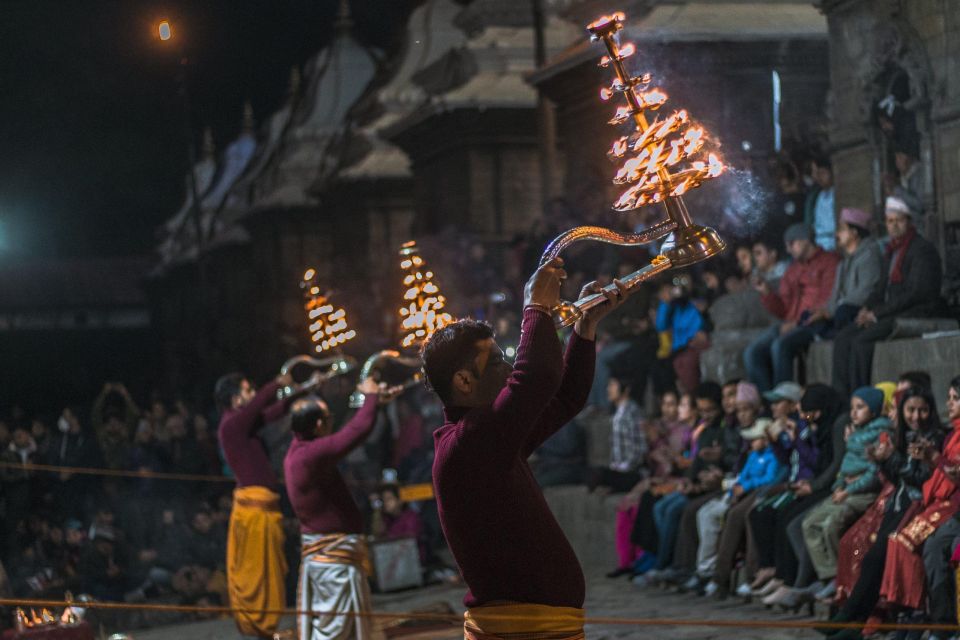
Book this if you want an authentic Kathmandu evening ritual that isn’t just sightseeing. The Pashupati Bagmati Aarati gives you a clear purpose for being there at dusk: oil lamps, chanting, bhajans, and river-side devotion that connects temple worship with belief about the Bagmati River.
Skip it or rethink it if you’re uncomfortable with smoke, crowds, or religious intensity. This isn’t a quiet, low-sensory cultural program. It’s a living spiritual event where incense and chanting are part of the air, and the crowd density can be real on busy days.
Choose wisely if you want a guided explanation. The strongest experience comes when you take in the symbolism and listen while the lamps move. Guides like Razz are specifically described as making complex traditions easier to grasp, including added context that can stretch beyond Hinduism.
If your travel style is respectful curiosity—arrive modestly dressed, keep your space, and let the ritual lead you—this is one of the most meaningful evenings you can add to Kathmandu.
FAQ
What time does the Pashupati Bagmati Aarati usually start?
The Aarati usually starts around 6:00–6:30 PM, but timing can vary by season.
How long is the Kathmandu Pashupatinath evening Aarati tour?
The tour lasts about 3 hours.
Where can I be picked up in Kathmandu?
Pickup options include Boudhha and Thamel, plus a Kathmandu city-centre pickup option. Outskirts of the city-centre may cost extra.
Where do you drop me off after the tour?
Drop-off options include Kathmandu, Thamel, and Boudhha.
Can non-Hindus enter the main Pashupatinath temple?
Non-Hindus are not permitted inside the main temple, but the Aarati can be viewed from the Bagmati River banks.
What is the monument entry fee?
The monument entry fee is NPR 1,000 per person and is not included in the tour price.
Is an English-speaking guide included?
Yes. The tour includes a professional English-speaking tour guide.
Is the transport air-conditioned and private?
Yes. You’ll use a private vehicle with air conditioning for pickup and drop-off.
Is the Aarti photography-friendly?
Photography is generally allowed, but you should stay respectful during the ritual.
Is free cancellation available?
Yes, you can cancel up to 24 hours in advance for a full refund.
If you want, tell me your hotel area (Thamel, Boudhha, or elsewhere) and your travel dates, and I’ll suggest the best way to time your arrival for a calmer river-bank viewing spot.