REVIEW · KATHMANDU
Everest Base Camp Trekking
Book on Viator →Operated by Incredible Treks Pvt. Ltd. · Bookable on Viator
Everest Base Camp never stays ordinary, even on paper. This 12-day trek is built to remove the messy logistics—so you can focus on being fit and showing up for the big mountain moments. You get an expert guide, tea-house nights, meals on the trail, and included permits plus domestic flights between Kathmandu (Ramechhap) and Lukla.
I especially like how much is handled for you: airport pickup, licensed English-speaking guide, and a porter setup designed for comfort on the trail. I also like the practical “ready-to-trek” touches, like sleeping bag, duffel bags, and a down jacket provided upon request, plus trekking maps and certificates.
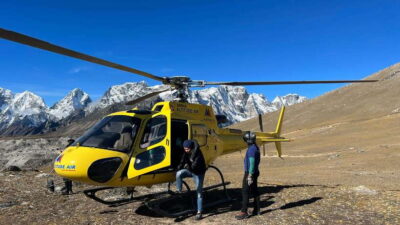
One consideration: personal comfort and risk costs are not fully covered. You should plan for no hot shower/hot water and no battery charging/wifi on the trek, and emergency evacuation or personal medical rescue costs (like helicopter expenses) are listed as not included.
In This Review
- Key points to know before you go
- Price and logistics: what $1,350 really buys you
- Thamel start: early timing and simple meeting details
- The Ramechhap–Lukla flight: thrilling, but treat it like transportation, not a ride
- Namche Bazaar and the Sherpa world: culture that shapes the hike
- The route’s big altitude payoff: panoramic views and the long approach
- Everest Base Camp: your signature destination
- Kalapatthar and the “close-up” Everest viewpoint moment
- Tengboche monastery, Khumbu Glacier, and the memorial hill
- Guides, porters, and the small details that affect your comfort
- What’s included on the trail, and what you’ll still need
- Who this trek fits best (and who should think twice)
- Should you book this Everest Base Camp trek?
Key points to know before you go
- Permits and fees are included (National Park fees, VDC, TIMS, and other taxes).
- Tea-house style trekking for 11 nights with breakfast, lunch, and dinner included on the route.
- A small group cap of 15 with a guide plus porters (typically 1 porter for 2 trekkers).
- Lukla flying is part of the package, with flights Kathmandu (Ramechhap)–Lukla–Kathmandu (Ramechhap).
- Trek equipment is available on request (sleeping bag, duffel bags, and a down jacket).
- Cultural stops are real, not just photo breaks: Sherpa life, monastery time at Tengboche, and the memorial hill.
Price and logistics: what $1,350 really buys you
At $1,350 per person, this trek is in the “organized and ready” category. You’re not just paying for hiking; you’re paying for planning, guiding, and the stuff that usually becomes your second job in Nepal—permits, tea-house arrangements, meals on-route, and domestic flights.
In practical terms, it includes 11 nights basic accommodation in tea houses, all meals during trekking, and the round-trip airfare between Lukla and Kathmandu (via Ramechhap). It also includes insurance (more on that nuance later), plus fees for the parks and permits that can be confusing if you DIY.
The tradeoff is that some costs remain your responsibility. Kathmandu meals and Kathmandu lodging aren’t included, and personal items like tipping, battery charging, hot water, wifi, and toiletries-style nature expenses are not covered—so you’ll still want a budget buffer.
You can also read our reviews of more hiking tours in Kathmandu
Thamel start: early timing and simple meeting details
The trek starts from Thamel, Kathmandu (44600, Nepal), with a start time listed at 6:15 am. You’ll also have domestic airport pickup and drop included, which matters because Kathmandu arrival days can already feel chaotic without extra coordination.
One small reality check: you are meeting early, so plan on being ready the night before. If you’re prone to rushing, this schedule will punish that habit—bring calm energy instead.
Also note: the tour includes airport pickup in Kathmandu, but it does not include accommodation in Kathmandu. So if you need a hotel night before the trek (very common), you’ll arrange that separately.
The Ramechhap–Lukla flight: thrilling, but treat it like transportation, not a ride
Lukla flights are famous for a reason. They’re short, dramatic, and weather-dependent in the real world, and this itinerary treats them as a key part of your route rather than an optional extra.
The upside is that your transport is handled as part of the package: Kathmandu (Ramechhap)–Lukla and the return. That saves you the planning headache of lining up flight seats while you’re also dealing with trekking permits and gear.
The practical downside is that flying is still flying. You’ll want to keep your day flexible and avoid last-minute sightseeing plans around flight time, since the experience itself is built around getting you to the trail quickly and moving you back later.
Namche Bazaar and the Sherpa world: culture that shapes the hike
One of the most valuable parts of Everest Base Camp is that you actually get to understand the people living in the shadow of Everest. This trek builds that in with stops tied to Sherpa culture and lifestyle, including a visit to Namche Bazaar, described as the famous high-altitude market and gateway area for Everest.
Why I like this approach for you: it helps you shift from “I’m climbing” to “I’m traveling through a living region.” Namche Bazaar isn’t just a photo point; it’s where you’ll see how daily life works at altitude, what people trade, and why the local knowledge matters on longer treks.
You also follow a historic path connected to Sir Edmund Hillary and Tenzing Norgay Sherpa. That detail gives the route a meaning beyond distance. It’s still a trek—your legs do the work—but the story helps your brain stay engaged when the climb feels repetitive.
The route’s big altitude payoff: panoramic views and the long approach
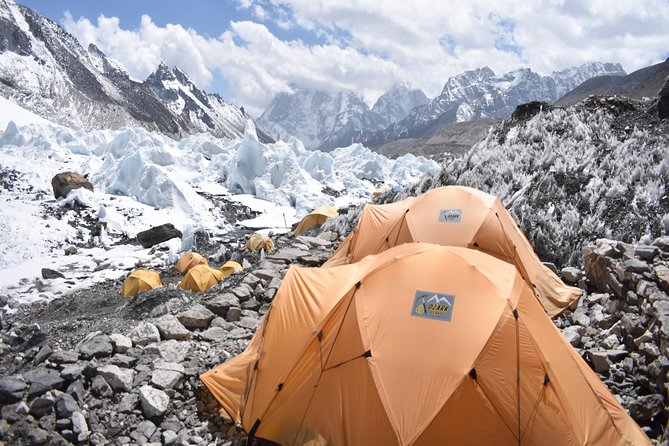
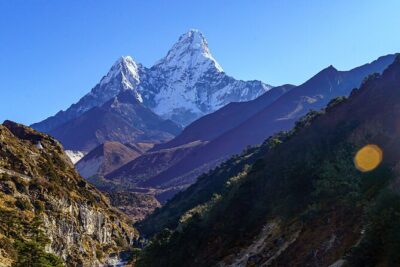
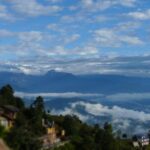
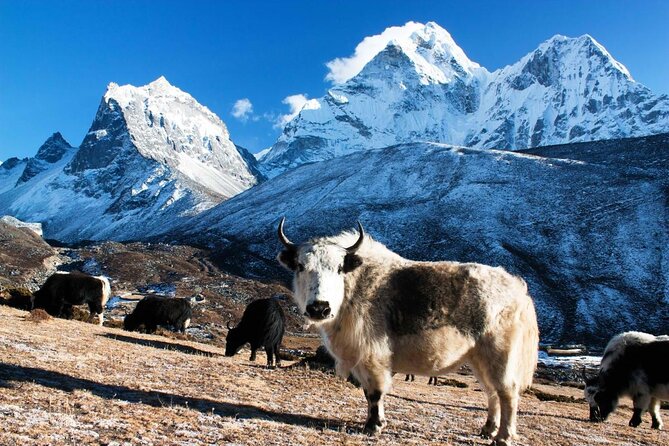
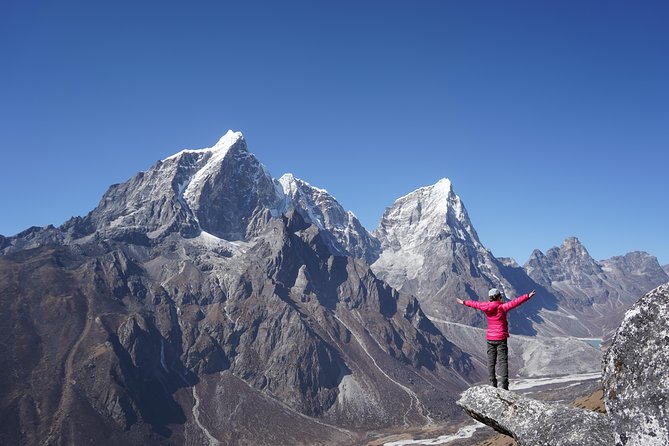
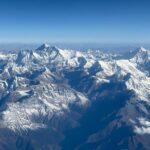
As you move higher, you’re promised panoramic mountain views of the world’s highest peak above 8,000 meters. You’ll also get major lookouts tied to the Everest storyline, which is exactly what most people came for.
Here’s the practical value: these viewpoint moments break up the monotony of trekking days. When you’re grinding uphill and then suddenly the mountain opens up, it’s not just scenic—it’s motivational.
Still, be realistic. This is listed as a trek that requires strong physical fitness, and Everest-region travel is about more than cardio. You’ll want to plan for slow steps, careful pacing, and giving your body time to adjust.
Everest Base Camp: your signature destination
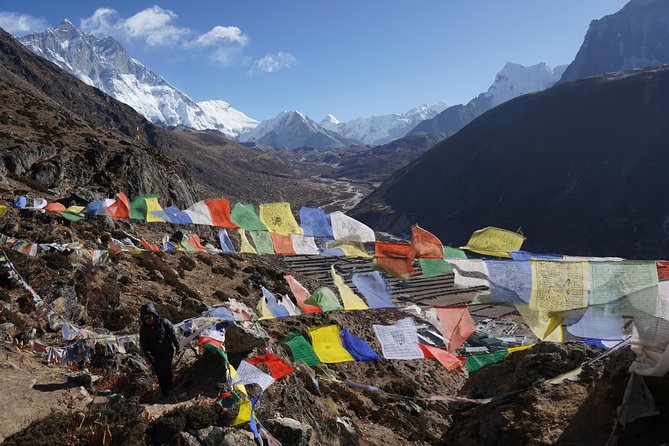
The centerpiece is the moment you set foot at Everest Base Camp. This is where the trek stops feeling like a journey and starts feeling like arrival—even if your body is tired and your legs want to keep moving.
The package includes an accredited guide who meets you at the start point and stays with you throughout, explaining cultural and natural values along the way. That matters at Base Camp because it turns the visit into context, not just a location stamp.
You’ll also follow a familiar classic flow of Everest trekking. That’s a good thing, because it means you’re on a route with infrastructure designed for hikers, tea-house stays, and the basic rhythm of a well-trodden trek.
Kalapatthar and the “close-up” Everest viewpoint moment
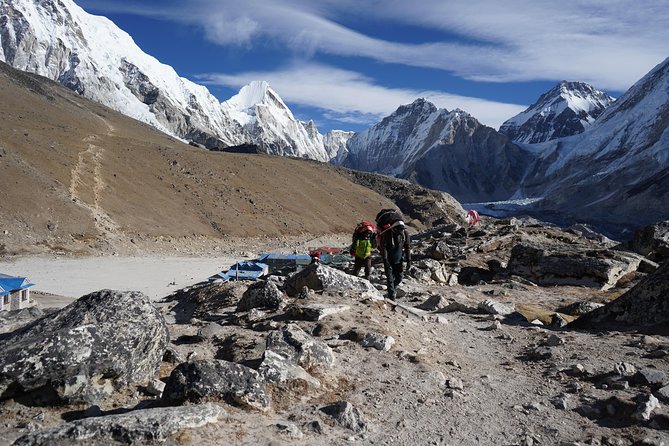
After Base Camp, you get a close view from Kalapatther, listed as a famous viewpoint. Even if you’ve seen pictures before, this kind of “right-there” perspective changes your sense of scale.
I like that this isn’t only about reaching the destination. You’re given a second big moment—views of Everest from a viewpoint—so your experience isn’t a one-day trophy. It’s more like a sequence of rewards: arrive at Base Camp, then chase a different angle.
One consideration: viewpoint days can feel harder than the math suggests. If you’re going for it, bring the mindset of steady effort, not speed. Altitude punishes fast pacing.
Tengboche monastery, Khumbu Glacier, and the memorial hill
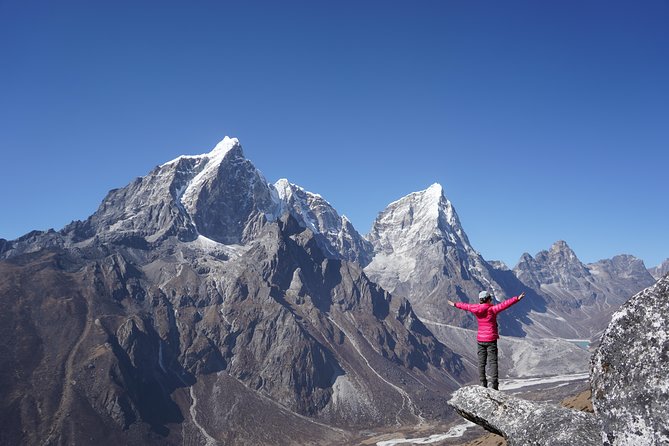
This trek includes spiritual and environmental sights that keep it from being all “climb and conquer.”
You get a chance to seek blessings from a monk and explore Tengboche monastery. That’s a meaningful cultural stop and also a great break from pure trekking rhythm. Even if you’re not religious, it’s still a window into how people live with the mountain’s presence.
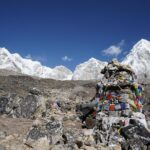
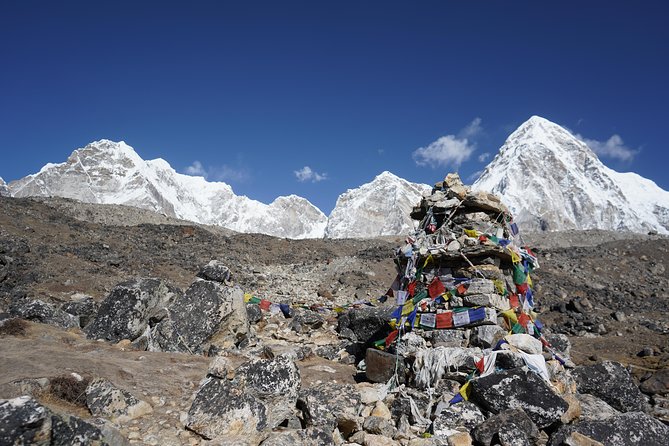
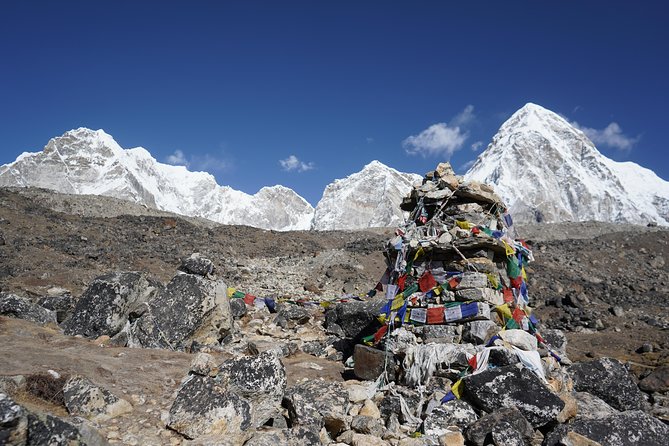
You’ll also see the Khumbu glacier, plus the memorial hill of deceased climbers. That pairing can be emotionally intense. The glacier shows the beauty and scale; the memorial hill reminds you that Everest has consequences, and that preparation and humility matter.
If you want a trek that hits both wonder and respect, this itinerary fits that balance.
Guides, porters, and the small details that affect your comfort
This tour is run by Incredible Treks Pvt. Ltd., and it’s designed around a team: a licensed English-speaking guide and porters. The porter ratio is listed as 2 trekkers : 1 porter, which is a big practical benefit if you want to enjoy the hike without your pack becoming the main story.
A couple of names from the guide network show up in the kind of experiences people remember: Ram Dhakal (highlighted as an excellent guide), and Dillip plus the manager Nadin (called out for communication on a solo trek). While you can’t control who you’ll be assigned, it’s a good sign that the service focuses on real human support, not just moving bodies from place to place.
On comfort: tea houses mean basic lodging. You’re also told that hot shower, hot water, battery charge, and wifi are not included during trekking. That’s normal for the region, but it’s worth planning for mentally, not hoping for miracles.
What’s included on the trail, and what you’ll still need
Here’s what you can count on during trekking:
- Tea-house nights: 11 nights basic accommodation
- Meals: breakfast, lunch, dinner during trekking
- National park and permit fees: included
- Guide and porter support: English-speaking guide + porter support
- Trekking map: one map for one group
- Trekking certificates after the trip
- Equipment on request: sleeping bag, duffel bags, and a down jacket
Now the gaps you should plan for:
- No Kathmandu lodging included (and Kathmandu meals are not included)
- No personal medical/rescue insurance listed as included; emergency evacuation expenses are also not included
- No hot shower/hot water and no charging/wifi during trekking
- Personal trek equipment is not included
- Personal expenses like alcohol, bottled drinks/mineral water, laundry, phone bills, and tipping are not included
This is the key trade: the package removes logistics, but it doesn’t remove every cost tied to being human. If you budget for the gaps up front, the trip feels smooth instead of stressful.
Who this trek fits best (and who should think twice)
This Everest Base Camp trek fits you best if you want an organized package and you’re serious about showing up fit. It’s set up for people who can handle the altitude demand and are willing to live with basic trekking comfort.
You might want to think twice if your priority is maximum comfort, constant amenities, or full medical coverage for emergency rescue costs. Those items aren’t presented as included here, so you’ll need to handle them separately.
The maximum group size of 15 also matters. It’s not a huge crowd, which usually makes it easier to keep your pace and your headspace. And with the porter support, your hike is more likely to stay about you reaching the mountains rather than you managing a heavy pack.
Should you book this Everest Base Camp trek?
If your goal is Everest Base Camp with less planning stress, this is a strong pick. You’re getting permits, tea-house lodging, meals, guide and porter support, and the key flights in one package, and that’s exactly what turns an idea into a trip you can actually follow through on.
I’d book it if you:
- want an expert guide handling cultural and route context
- appreciate having the hard logistics done for you
- are comfortable with basic tea-house conditions and no wifi/charging/hot shower
- have or will buy appropriate personal medical and rescue coverage since emergency evacuation isn’t listed as included
I’d hesitate if you:
- need every comfort amenity included during the trek
- want full emergency/rescue medical coverage as part of the price
- aren’t ready for the fitness demands of an Everest-region trek
If you’re ready for the real deal—big views, Sherpa culture, monastery time, and the emotional weight of the memorial hill—this itinerary is built for exactly that.