REVIEW · KATHMANDU
Kathmandu Food and Drink Walking Tour
Book on Viator →Operated by Deepak Kushwaha · Bookable on Viator
Food tours work better than guesswork in Kathmandu.
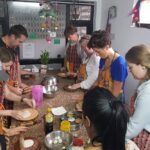
This one strings together market streets and local dining spots with a local guide, so you’re not just eating—you’re getting the cultural why behind what’s on your plate. I like the quality-over-quantity approach at each stop, where you get real tastings instead of snack-cardboard. I also like the food stories and vendor interaction, which turn a simple walk into a fast lesson on Nepali cuisine and everyday life.
I love that the price covers an impressive spread: coffee or tea plus brunch, lunch, dinner, snacks, and bottled water, all within about 3 hours. I love how the route stays focused on a handful of neighborhoods—Thamel, Asan, Jyatha, and Chhetrapati—so you get variety without feeling scattered. The main drawback? You’ll be walking through narrow lanes and up/down stairs, so it’s not a great fit if you need step-free paths.
In This Review
- Key highlights before you go
- Food Tours Work Better Than Guesswork in Kathmandu
- Price and Value: $36.21 for Brunch, Lunch, Dinner, and More
- Getting There: Kaiser Library Start Point and a 3-Hour Walking Rhythm
- Thamel Stop: Coffee, First Tastings, and the Kathmandu Starter Course
- Asan Stop: Market Energy, Spices, and Quick Bites You’ll Remember
- Jyatha Stop: Familiar Comforts Plus the Stuff You’d Skip Alone
- Chhetrapati Stop: Historic Streets, Heavier Portions, and a Sweet Finish
- Meet Deepak Kushwaha: Stories, Regional Connections, and Follow-Up Notes
- What You’ll Actually Taste: Momo, Lassi, Sugar Cane, and More
- Safety on Chaotic Streets: How the Guide Chooses Where You Eat
- Vegetarian-Friendly Bites and How to Handle Preferences
- Who This Tour Fits Best (and Who Should Skip It)
- Should You Book This Kathmandu Food and Drink Walking Tour?
- FAQ
- How long is the Kathmandu Food and Drink Walking Tour?
- Where does the tour start and end?
- What food and drinks are included?
- Is pickup available?
- Are vegetarian options available?
- Is the tour suitable for people with mobility issues?
- What happens if the weather is bad or you need to cancel?
Key highlights before you go
- Lots of food for the money: coffee/tea and multiple meal moments in one short walk
- Four neighborhood stops: Thamel, Asan, Jyatha, and Chhetrapati
- Guide-led safety on tight streets: you’ll go where it’s worth eating, not just where it’s convenient
- Dish variety beyond momo: people commonly talk about lassi, sugar cane, noodle soup, and more
- Vegetarian-friendly planning: vegetarian options are available at each stop
- Small-time feel, big-city flavor: about 3 hours with a mix of street food and sit-down bites
Food Tours Work Better Than Guesswork in Kathmandu
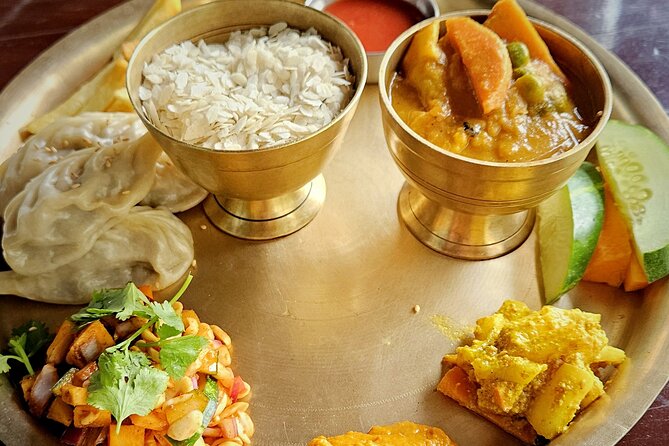
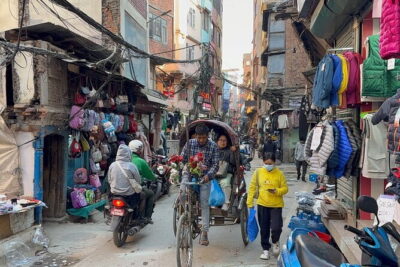
Kathmandu’s food scene is not shy. You’ll see open-air stalls, handwritten menus, steam coming from small kitchens, and families running the same recipes year after year. The hard part for most first-timers is knowing which places are worth your time—and which are just loud.
This tour helps because it’s built like a guided tasting route. You’re not wandering alone, trying to decode menus in a maze of alleys. Instead, you follow a plan through Thamel and nearby areas, with stop-by-stop explanations that connect what you’re eating to the culture around it. That’s what makes a food-and-drink walk more useful than a restaurant hunt.
One more plus: it’s structured. A lot of walking food tours feel like a “we’ll see” format. Here, you’re promised coffee/tea plus brunch, lunch, dinner, and snacks. That matters when you’re hungry and short on time.
You can also read our reviews of more walking tours in Kathmandu

Price and Value: $36.21 for Brunch, Lunch, Dinner, and More
At $36.21 per person for an approximately 3-hour walking tour, the first question is always: what do you actually get? The included list is unusually full for this type of activity: coffee and/or tea, brunch, lunch, dinner, snacks, and bottled water.
In plain terms, this is more than a snack crawl. You’re set up for an afternoon where you don’t need to stop to eat again right away. That’s a big part of the value, especially in a city where you might otherwise spend extra time and money trying to piece meals together.
Also, the tour is priced in a way that makes it easy to fit into your first few days in Kathmandu. If you’re still figuring out neighborhoods, this kind of food-focused intro can help you understand where you feel comfortable walking on your own later.
Getting There: Kaiser Library Start Point and a 3-Hour Walking Rhythm
The tour starts at Kaiser Library (Kanti Path area) and ends back at the same meeting point. There’s pickup offered, but private transportation isn’t included, so don’t expect a dedicated car as part of the deal. Still, having pickup available can reduce the “where do I stand?” stress on arrival day.
You’ll want to plan for real walking. Even if the route is only a few neighborhoods, the streets can be tight, and the food stops often involve short stair climbs or narrow entryways. One review specifically flagged that it’s not ideal for mobility issues due to tight staircases and narrow lanes. If you need step-free access, you should think twice.
The tour also runs with a maximum of 100 participants. That’s not a “tiny” group, but it’s capped, and the guide-led pacing is built around getting everyone to the right spots safely.
And yes, you’ll want to come ready to eat: multiple meal moments are included, and the overall experience is designed for appetite.
Thamel Stop: Coffee, First Tastings, and the Kathmandu Starter Course
Thamel is where many people first land in Kathmandu—shops, guesthouses, small eateries, and side streets that feel like they’ve always been in motion. Your tour spends about 1 hour here, with an admission ticket listed as free.
This stop is a smart opener for two reasons. First, it sets your taste baseline. You get your first round of Nepalese flavors while you’re still fresh and paying attention. Second, it helps you learn how the area works before the route shifts into nearby districts.
Expect a mix of food-and-drink moments rather than one single “main event.” Coffee or tea is included somewhere on the tour, and Thamel is often the kind of place where it fits naturally as you start.
If you’re the kind of traveler who wants recommendations for what to order later, this is also where you’ll start building that menu in your head.
Asan Stop: Market Energy, Spices, and Quick Bites You’ll Remember

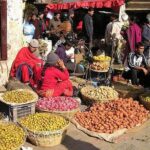
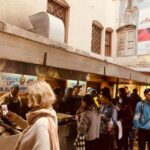
Asan is where the food scene starts to feel more market-like—less tourist storefront and more day-to-day life. You’ll spend about 30 minutes in this area, and again the admission ticket is listed as free.
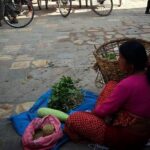
This is the stop where a guide earns their fee. In a market environment, you’ll see all kinds of stalls—some are genuinely great, and some are best admired from the sidewalk. A good guide helps you pick the worthwhile places and helps you stay moving at a comfortable pace.
What tends to make this stop memorable is the pairing of food with context. You’re not just tasting; you’re hearing how dishes and ingredients fit into local routines and food culture.
If you’re into spiced street food, Asan is a strong match. You’ll likely get small tastes that let you compare flavors without feeling stuck with one heavy dish for the entire walk.
You can also read our reviews of more food & drink experiences in Kathmandu

Jyatha Stop: Familiar Comforts Plus the Stuff You’d Skip Alone

Jyatha gets around 30 minutes on the route. This area is another step away from the most obvious Thamel patterns, which is helpful if you don’t want the whole day to feel like the same street scene.
This stop is often where you notice the difference between a “tourist meal” and an everyday Nepalese meal. You may see dishes that aren’t on the top of every English menu, and you’ll have the guide there to help you order confidently and understand what you’re tasting.
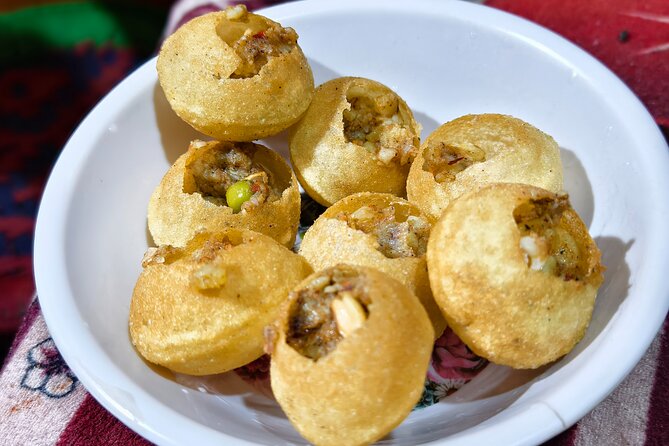
From the food people talk about most on this tour, Jyatha-style tastings often align with the classic comforts—think momo-related bites and creamy drinks like lassi. Some reviews also mention noodle soup and other items beyond the usual expectations, which suggests the guide aims for variety, not repetition.
The practical takeaway: if you don’t want to spend your whole trip chasing one famous dish, this stop helps broaden your flavor map fast.
Chhetrapati Stop: Historic Streets, Heavier Portions, and a Sweet Finish
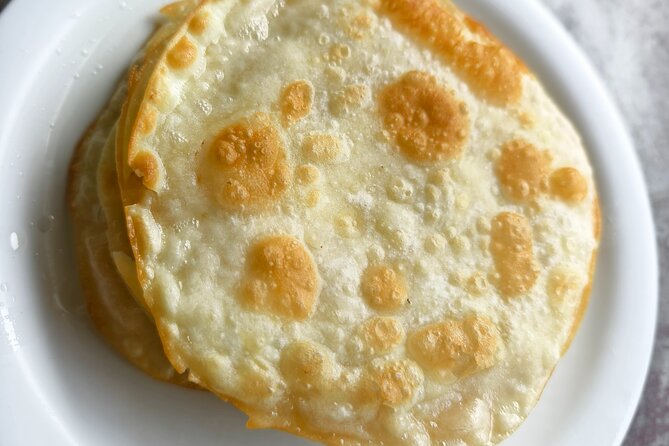
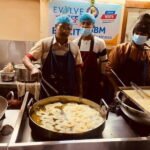
Chhetrapati is the final big neighborhood on the listed route, with about 1 hour here. This is where the tour tends to feel more like a full afternoon meal arc—more substance, more “sit-and-savor” than quick grab-and-go.
If you want a sense of Kathmandu that goes beyond souvenir food, Chhetrapati can deliver. The streets feel older and more textured, and the cooking is often the kind that supports slower eating.
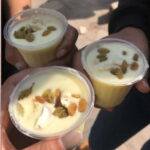
And yes, dessert is part of the story people remember. One review specifically said the tour ended with dessert, which makes sense for a tour that’s already built around coffee/tea plus multiple meal moments. You finish with something sweet instead of stepping out still hungry or headed straight to a dinner you didn’t plan.
Meet Deepak Kushwaha: Stories, Regional Connections, and Follow-Up Notes
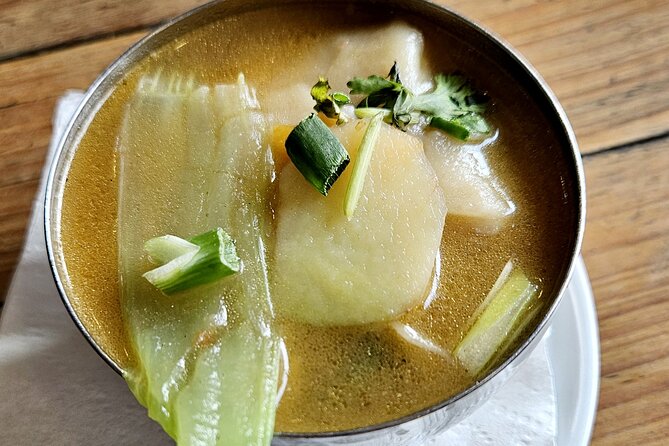
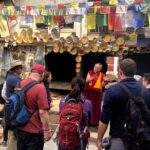
The tour is provided by Deepak Kushwaha. His role isn’t just “lead the group.” The standout theme in the feedback is how much time he spends connecting dishes to place: history, regional differences, and how Nepali cuisine shows up in daily life.
People also mention that he pays attention to pacing—no rushing, no hard whip through plates. That matters because food tasting works best when you’re allowed to taste, ask questions, and actually notice flavors.
One practical perk: a review mentioned that after the tour he sends photos and a list of dishes with descriptions. That’s useful when you’re trying to remember what you liked—especially if you want to repeat one favorite later in Kathmandu without guessing.
What You’ll Actually Taste: Momo, Lassi, Sugar Cane, and More
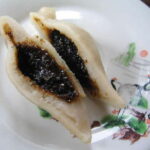
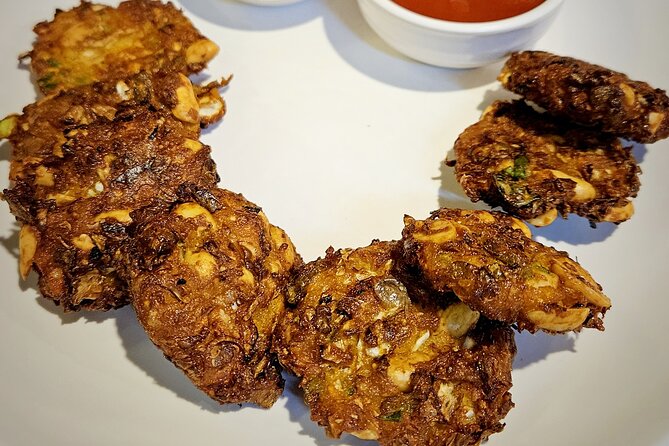
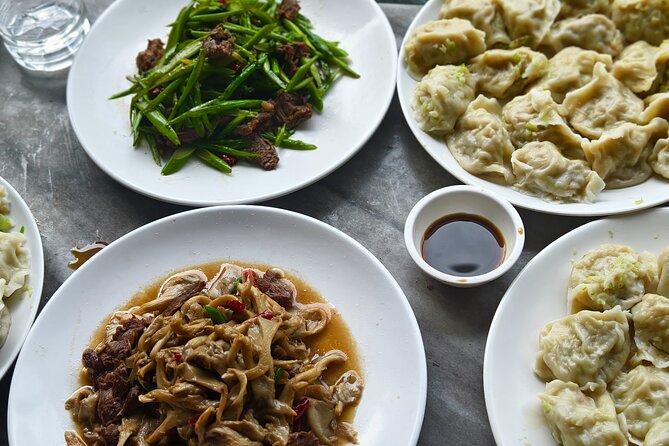
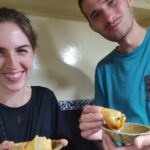
When people talk about this Kathmandu food and drink walking tour, they come back to a few repeat winners: momo, lassi, sugar cane, and drinks like Marsala tea. Several reviews also mention noodle soup and pancake-style items, plus at least one Newari dish that stood out for them.
That variety is a big deal. A lot of “street food” tours get stuck in one lane: one famous dumpling, one snack, repeat. This route seems designed to give you contrast—cold and hot, creamy and spicy, quick and filling—so you walk away with a real feel for how Nepalese food changes by dish type and neighborhood.
The other thing I like about the “more than momo” angle is practical. If you decide later to explore on your own, you have multiple ordering ideas besides the one thing you already know.
Safety on Chaotic Streets: How the Guide Chooses Where You Eat
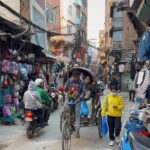
Kathmandu streets can be intense for newcomers. The good part of a guided food walk is that you’re not stuck making split-second decisions while traffic, crowds, and side alleys swirl around you.
Reviews specifically praised the guide for steering people to safer spots and navigating the streets for you. That tells me the tour’s real value isn’t only the food—it’s the route selection.
Here’s the practical mindset to bring: treat this like a guided “food route literacy” session. You’re learning how to move through the city safely and how to recognize places that take their cooking seriously.
If you’re cautious about street food hygiene or just hate gambling with your stomach on day one, this tour can reduce that risk without turning Kathmandu into a sanitized version of itself.
Vegetarian-Friendly Bites and How to Handle Preferences
If you eat vegetarian, this tour has a reassuring track record in the feedback. One review said vegetarian options were available at all places, and another said vegetarians were well cared for.
That doesn’t mean every dish is automatically vegetarian. It means the guide plans for it and can guide you toward suitable choices during each stop. If you have dietary restrictions beyond vegetarian (like dairy-free or gluten-free), you should communicate clearly ahead of time, since the data provided only confirms vegetarian friendliness—not every possible limitation.
Also, come ready for a lot of food. Reviews repeatedly say to arrive hungry, and the included meals list backs that up. With brunch, lunch, dinner, and snacks included, you’ll want an empty stomach and room for a dessert ending.
Who This Tour Fits Best (and Who Should Skip It)
This Kathmandu food and drink walking tour is a great fit if you want:
- a short afternoon plan (about 3 hours) that fills you up
- guidance through a food scene that can feel overwhelming
- regional variety, not just the most famous single dish
- vegetarian options
It’s less ideal if:
- you have mobility limitations that make stairs and narrow lanes difficult
- you want a slow, fully comfortable “sit down and eat” experience with minimal walking
Should You Book This Kathmandu Food and Drink Walking Tour?
Yes—if your goal is to understand Kathmandu fast through food. The price-to-food ratio is strong, and the structure (coffee/tea plus brunch, lunch, dinner, snacks) means you won’t waste the afternoon searching for meals. You also get the added benefit of a guide who connects dishes to Nepali culture instead of just handing you a plate.
I’d say no (or at least shop around) if step-free walking is important to you. The route includes tight lanes and staircases, and the tour is built on getting you close to the real food scene.
If you’re choosing a first Kathmandu activity, this is a practical way to get your bearings while sampling real Nepalese flavors.
FAQ
How long is the Kathmandu Food and Drink Walking Tour?
The tour is listed as approximately 3 hours.
Where does the tour start and end?
It starts at Kaiser Library on Kanti Path in Kathmandu and ends back at the same meeting point.
What food and drinks are included?
The package includes coffee and/or tea, brunch, lunch, dinner, snacks, and bottled water.
Is pickup available?
Pickup is offered, but private transportation pickup and drop-off is not included. The tour still starts at Kaiser Library.
Are vegetarian options available?
Yes. Reviews mention that vegetarian options were available at all places and that vegetarians were well catered for.
Is the tour suitable for people with mobility issues?
The tour is not really suitable for mobility issues, because there are tight staircases and narrow lanes to navigate.
What happens if the weather is bad or you need to cancel?
The experience requires good weather. If it’s canceled due to poor weather, you’ll be offered a different date or a full refund. You can cancel for a full refund up to 24 hours in advance; within 24 hours, the amount paid is not refunded.