REVIEW · KATHMANDU
Private Half-Day Tour of Kathmandu Durbar Square and Swayambhunath Temple
Book on Viator →Operated by Pigeon Travel And Tours Pvt Ltd · Bookable on Viator
Kathmandu rewards short days. This private half-day tour neatly strings together Kathmandu Durbar Square and Swayambhunath Temple with just enough time to look closely. I especially liked the private, flexible pacing—no rushing your feet or your questions—and I also liked how the guide connects the sights to the way Kathmandu’s neighborhoods actually work. One possible drawback: you’ll be doing real sightseeing on uneven ground, so the hill climb at Swayambhunath may feel like a lot if you’re carrying tight time or tired legs.
What makes this work well is the tight pairing. Durbar Square gives you the royal-stage details—Malla and Shah kings, carved courtyards, and temples inside the palace complex—then you jump to the temple hill for big-city views. I also like that the tour includes admission tickets for both stops, which saves you from hunting for counter hours on the day.
The main consideration is simple: it’s only about four hours. That’s great for an efficient primer, but if you want to linger for long photo sessions or add extra stops, you may need to tweak the plan with your guide.
In This Review
- Key takeaways before you go
- How this half-day tour fits Kathmandu perfectly
- Kathmandu Durbar Square: Hanuman Dhoka’s royal carvings and courtyards
- Swayambhunath: the monkey temple with real view power
- Private transport and guided commentary: where the value shows up
- Tickets, timing, and what to plan for during the 10:00 am start
- Price check: is $47 per person fair value?
- Who should book this Kathmandu pairing
- A note on guides, languages, and flexible drop-offs
- Should you book this Kathmandu Durbar Square and Swayambhunath tour?
- FAQ
- FAQ
- How long is the Private Half-Day Tour of Kathmandu Durbar Square and Swayambhunath Temple?
- What time does the tour start?
- Is hotel pickup included?
- Are the admission tickets included?
- What’s included in the tour price?
- Is food included?
- Is this tour private or shared?
- What is the cancellation policy?
Key takeaways before you go
- Two UNESCO-style hits in one half-day: royal Durbar Square plus hilltop Swayambhunath
- Private time with an English-speaking local guide: question-friendly and easy to adjust
- Tickets are included: less hassle, more time for looking
- Hilltop photos with Kathmandu Valley views: Swayambhunath’s payoff is worth the climb
- Small comforts matter: two mineral water bottles per person
How this half-day tour fits Kathmandu perfectly
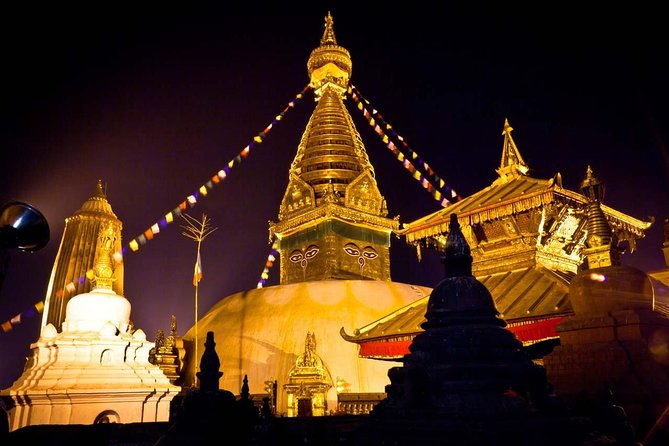
Kathmandu can feel like two cities at once: calm temples nearby, then traffic, horns, and crowds right around the next bend. This tour is built for people who want clarity fast. In about four hours, you get two of the most important places in the Kathmandu Valley—without the all-day commitment that can be hard if you only have a short visit.
The tour starts at 10:00 am, with pickup from your hotel or even the airport if that’s where you’re connecting from. That matters more than it sounds. In a city where directions can be a puzzle, having a driver and a guide handling the route lets you spend your energy on the sights, not on figuring out what street you’re on.
You’ll also have some control. It’s a private tour, so it’s only your group. If you want to slow down for details—like inscriptions, temple carvings, or the way courtyards are laid out—you can. If you want to hustle to catch a clean view from the hill, you can do that too.
One more value point: you don’t need to plan food around this experience because food and drinks aren’t included. That’s fine. Just make sure you eat beforehand or plan a meal right after. Bring your own snacks if that helps you stay comfortable; the tour provides water, but it doesn’t provide lunch.
You can also read our reviews of more private tours in Kathmandu
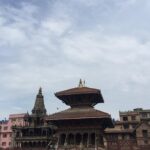
Kathmandu Durbar Square: Hanuman Dhoka’s royal carvings and courtyards
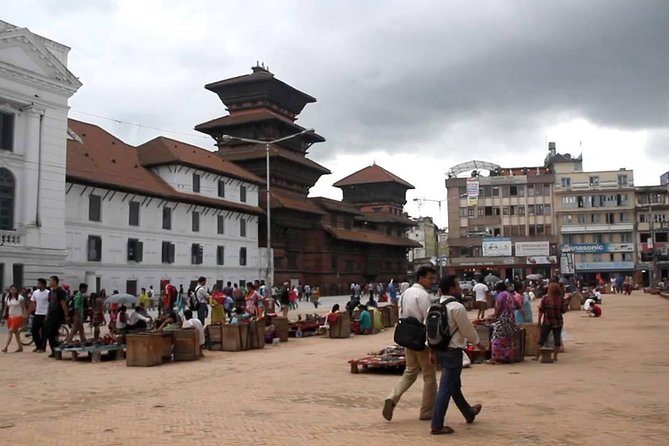
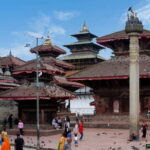
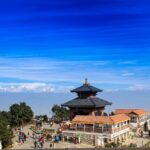
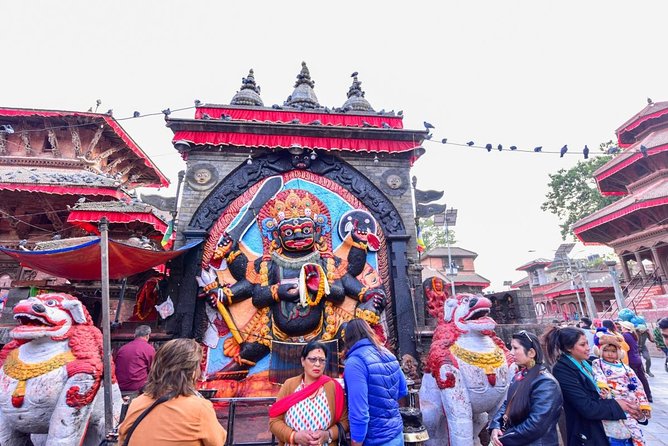
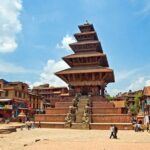
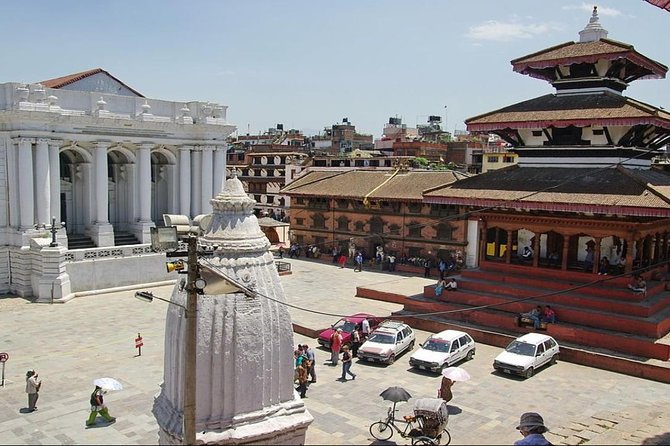
Start with Durbar Square, officially Kathmandu Durbar Square, but often called Hanuman Dhoka Durbar Square. The name comes from a Hanuman statue at the palace entrance—yes, monkey lore is already part of the story before you even reach Swayambhunath.
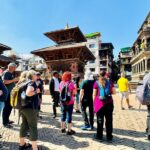
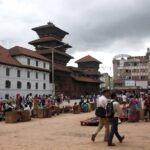
This is the plaza in front of the old royal palace area of the Kathmandu Kingdom. What I like here is that it’s not one single monument you rush through. The square surrounds quadrangles—courtyards and smaller temple spaces—so you feel like you’re moving through a carved-in stone neighborhood. You see how the palace complex operated rather than just reading about it.
A few details to look for while you’re there:
- You’ll learn how the palace was originally at Dattaraya square and later moved to this location.
- The complex includes palaces associated with the Malla and Shah kings who ruled the city.
- You can spot temples and interior courtyards that show the Newar influence in design and workmanship.
Durbar Square is also one of three Durbar Squares in the Kathmandu Valley that are UNESCO World Heritage Sites. Even if you’ve never heard the term UNESCO before, you’ll understand the practical reason to care: the area is protected, and it’s the kind of place where architecture is the main attraction.
The one drawback? Durbar Square can be busy, and the ground can be uneven. If you’re sensitive to crowds or have mobility limits, plan for short pauses. The good news is the tour is private, so you can change your speed without needing to match a large group’s rhythm.
At around two hours here, you’ll get a satisfying overview—enough to understand the layout and the political-religious mix, without it turning into a long endurance test.
Swayambhunath: the monkey temple with real view power
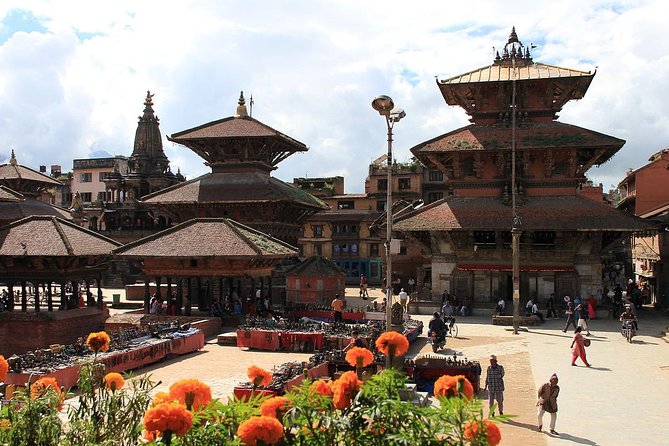
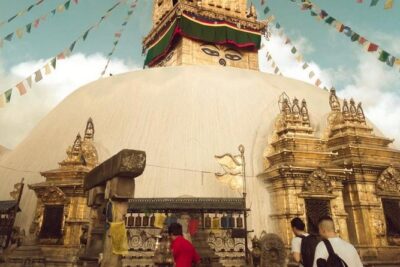
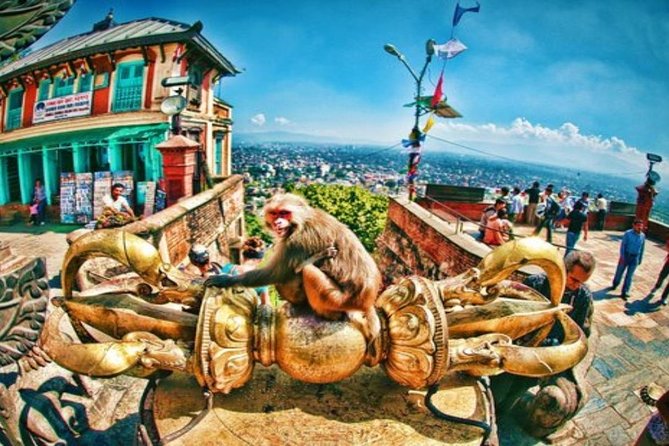
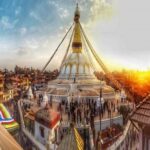
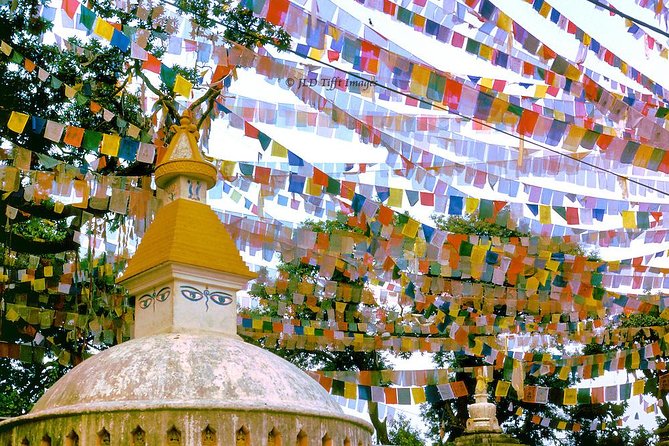
After Durbar Square, the tour shifts from royal palace spaces to a hilltop religious landmark: Swayambhunath Temple. It’s commonly called the monkey temple because monkeys roam around and guard the area.
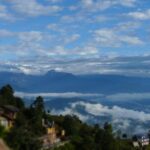
This stop is more than a quirky nickname. The temple complex sits on a hill, and that elevation is the whole point. From up there, you get a photo-worthy view over the Kathmandu Valley. If you only have one moment to see how the city spreads out, this is one of the best buys in town.
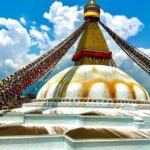
The spiritual backstory is part of what your guide should help you make sense of. Swayambhunath is said to have evolved spontaneously when the valley formed out of a primordial lake more than 2,000 years ago. You’ll also learn that worshipers come from diverse ethical backgrounds—so even if you’re not tuned into Buddhist or other traditions, you’ll see a place where multiple religious communities coexist.
What to look for on-site:
- Huge prayer wheels in the monastery areas
- Fine Buddhist paintings displayed in the monasteries
- A stupa that’s among the most ancient in this region
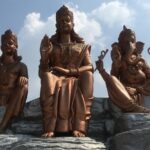
- A highlight often noted: the largest Buddha statue in Nepal
The practical note: you’ll climb to reach the temple. Most people can participate, but pace yourself. If you’re traveling with someone who tires easily, use the private setup to take breaks and stop for photos at spots that make sense rather than at every single turn.
Your time here is about two hours, and that’s usually enough to appreciate the stupa area and still enjoy the view without turning it into a rushed climb-and-run.
Private transport and guided commentary: where the value shows up
This tour succeeds because it handles the logistics that can slow you down in Kathmandu: pickup, transport by private vehicle, and drop-off at your hotel or the airport. When you’re only in town for a couple of days, those details aren’t small. They’re the difference between spending your time in traffic or spending it looking at temple walls that actually have meaning.
The guide is local and English-speaking. One review specifically mentioned a guide named Bishnu, a Nepali national who grew up in Kathmandu. That kind of guide background shows up in how you experience the city. Instead of just reading facts off a sign, you get explanations of architecture and religious practice in a way that helps the places feel connected.
This is also the tour style I recommend if you want something more than checklist sightseeing. The best guides connect dots: the royal power themes in Durbar Square, then the spiritual and communal themes in Swayambhunath. You’ll end up seeing that Kathmandu is not just a collection of temples—it’s a living cultural system.
Water is included—two mineral water bottles per person. It’s a small thing, but in warm Kathmandu days it keeps you comfortable while you’re walking and looking.
If you’re wondering about group size: it’s private, so it’s just your group. One person in a group of 13 described a great experience, which is a good sign if you’re traveling with friends and want guided commentary without splitting up.
Tickets, timing, and what to plan for during the 10:00 am start
This tour runs at 10:00 am and lasts about four hours. The admission tickets for both Durbar Square and Swayambhunath are included, which reduces friction. You’re not standing around figuring out where to go for entry during your best hours.
The itinerary is straightforward:
- Durbar Square (about 2 hours)
- Swayambhunath (about 2 hours)
Then you’re dropped off back at your hotel or at the airport.
That structure makes it easy to plan the rest of your day. Since food and drinks aren’t included, I suggest eating a real breakfast or having a snack ready. If you’re coming straight from the airport, plan for an easy post-tour meal nearby—this itinerary isn’t set up as a long food day.
Also think about your photo strategy. Swayambhunath’s view is the kind of payoff that can be affected by weather and timing. Going at a reasonable morning hour helps, and it’s one of the reasons the start time matters.
Comfort-wise, expect uneven surfaces and some climbing. The tour lists that most travelers can participate, which is a good sign that it isn’t built for extreme trekking. Still, wear shoes you can trust. Kathmandu doesn’t do flat carpets.
You can also read our reviews of more tours and experiences in Kathmandu
Price check: is $47 per person fair value?
At $47 per person, this is priced for people who want a guided hits-tour without the full-day spend. The price includes:
- hotel or airport pickup and drop-off
- private transportation
- an English-speaking local guide
- admission tickets for both stops
- two mineral water bottles per person
That combination is what makes the price feel fair. In many cities, the guide and vehicle alone can eat up a large chunk of a half-day budget—then you still have to pay entry fees on top. Here, the tickets are baked in, so you’re mostly paying for time, expertise, and convenience.
If you’re comparing it to a self-guided day, the real question is not money—it’s how much you want to understand while you walk. Durbar Square and Swayambhunath reward context. If you enjoy architecture, religious symbolism, and how power and belief show up in stone and layout, you’ll likely feel the value quickly.
Demand also seems strong: it’s often booked around 39 days in advance on average. If your dates are fixed, book early so you can lock in the 10:00 am slot and your preferred pickup spot.
Who should book this Kathmandu pairing
This is a great fit if you want:
- a fast overview of two major Kathmandu landmarks
- private guide time so you can ask questions without feeling rushed
- a plan that works for short stays (solo or with friends)
- a mix of architecture, culture, and religion without a full-day commitment
It’s especially useful if you’re there for about two days. A guided half-day is one of the smartest ways to get your bearings fast. You’ll walk into neighborhoods after this tour with more confidence, because you’ll recognize what you’re looking at.
It’s also a good choice if you like practical extras: water included, tickets handled, and transport managed. Those details reduce stress.
Just remember the limit: four hours is not a deep-dive into every corner. If you want slow wandering, you might use this tour as your foundation, then come back later on your own.
A note on guides, languages, and flexible drop-offs
The experience is guided, and the guide’s role is a big part of the payoff. One review praised how informative the guide was, including named reference to Bishnu. Another mentioned a French-speaking guide and that the drop-off was adjusted to another area (Patan). That tells me flexibility exists, but the safest approach is to confirm your pickup and drop-off point clearly when you book.
Because it’s private, your guide can often tailor the pace. If you want a slower circuit through Durbar Square courtyards or extra time for Swayambhunath photos on the hill, it’s worth asking.
Should you book this Kathmandu Durbar Square and Swayambhunath tour?
I’d book it if you want the most sense per hour. You get two famous, meaningful sites with tickets included, plus a real local guide and private transport. It’s also a smart choice for first-timers because it teaches you how to read the city: royal power and sacred space, side by side.
Skip—or at least think twice—if you’re chasing a relaxed, no-pressure day. This tour is efficient. You’ll walk, you’ll climb a hill, and you’ll cover a lot in a short window.
FAQ
FAQ
How long is the Private Half-Day Tour of Kathmandu Durbar Square and Swayambhunath Temple?
It lasts about 4 hours.
What time does the tour start?
The start time is 10:00 am.
Is hotel pickup included?
Yes. Pickup and drop-off from your hotel or from the airport are included.
Are the admission tickets included?
Yes. Admission tickets for both Kathmandu Durbar Square and Swayambhunath Temple are included.
What’s included in the tour price?
The tour includes private transportation, an English-speaking local guide, pickup and drop-off, two mineral water bottles per person, and admission tickets.
Is food included?
No. Food and drinks are not included.
Is this tour private or shared?
It’s private. Only your group will participate.
What is the cancellation policy?
You can cancel for a full refund up to 24 hours in advance of the experience’s start time. If you cancel less than 24 hours before, the amount paid won’t be refunded.