REVIEW · KATHMANDU
Kathmandu Valley City Day Tour
Book on Viator →Operated by Pariwar Holidays Pvt Ltd · Bookable on Viator
Five stops, one unforgettable Kathmandu day. This private tour strings together major Hindu and Buddhist sights in the Kathmandu Valley, using a comfortable vehicle and a tour guide to keep the day flowing. With UNESCO World Heritage highlights and a mobile ticket, it’s built for first-time visitors who want the big picture without chaos.
I like the private vehicle approach because you’re not timing taxis between sites or searching for directions all day. I also like the mix of temples and stupa culture here, since you see how Kathmandu’s Hindu and Buddhist traditions live side by side.
The main trade-off is that entrance fees aren’t included, so you’ll want to budget extra for several stops. Also, lunch and drinks aren’t included, so plan your food timing for a 5 to 7 hour day.
Key points I’d plan around
- UNESCO highlights in one day: Durbar Square, Swayambhunath, Pashupatinath, and Boudhanath
- Private vehicle + guide: door-to-door ease and context that helps scenes make sense
- Entrance fees extra: you’ll pay at the sites for multiple stops
- 5 to 7 hours total: long enough to cover a lot, short enough to keep the day comfortable
- Temples of two faiths: Hindu rituals at Pashupatinath and Buddhist practice at Boudhanath
- Mobile ticket: easier check-in than juggling paper
In This Review
- A Private Route Through Kathmandu Valley’s Most Important Sites
- What $60 Covers (and What You’ll Still Pay for)
- Start at A1 Business Complex, Then a Quick Launch
- Kathmandu Durbar Square: Royal-Era Stone Meets Living City Life
- Swoyambhu Mahachaitya (Monkey Temple): Hilltop Stupa Energy
- Pashupatinath Temple on the Bagmati: Where Ritual Is the Point
- Boudhanath Stupa: A Buddhist Landmark You Can’t Ignore
- The Real Benefit: A Guide Who Explains What You’re Seeing
- How to Make the Most of a 5 to 7 Hour Private Day
- Who This Tour Suits Best (and Who Might Want Alternatives)
- Should You Book This Kathmandu Valley City Day Tour?
- FAQ
- How long is the Kathmandu Valley City Day Tour?
- What are the main stops on this tour?
- Is this a private tour?
- What is included in the price?
- What isn’t included?
- Do I need to buy separate admission tickets?
- Where is the meeting point?
- Will I receive a ticket on my phone?
- Is this tour suitable for families with children?
- What happens if the weather is bad or I need to cancel?
A Private Route Through Kathmandu Valley’s Most Important Sites
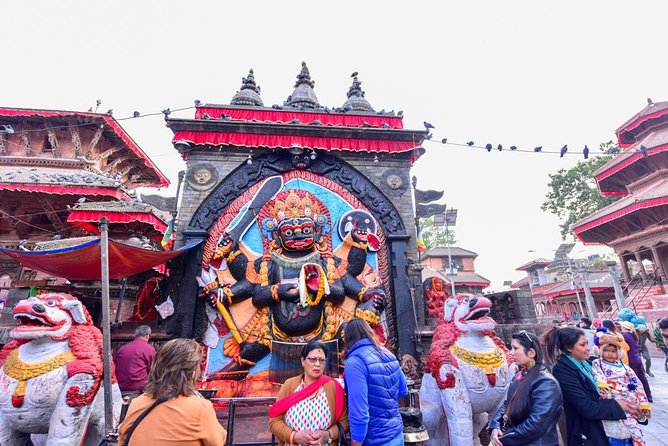
Kathmandu’s top sights can be spread out and slightly confusing, especially if it’s your first time navigating the Valley. This tour is designed to tackle the hardest part for you: stitching together the big, iconic stops into one guided day.
You’re riding in a private vehicle with a driver and tour guide, which matters in Kathmandu traffic. It also means you spend less time figuring out routes and more time looking at what’s in front of you, from carved palace architecture to stupa details and riverbank temple life.
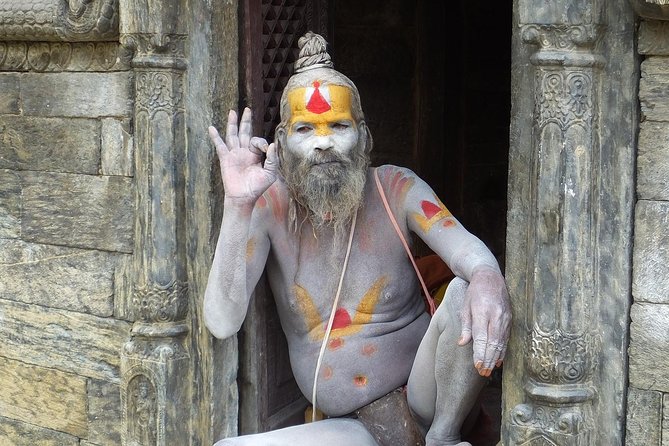
The other reason I like this style of tour is the balance of faiths and settings. You’ll go from Kathmandu Durbar Square’s royal-era stonework to the hilltop Monkey Temple complex, then to Pashupatinath Temple on the Bagmati River, and finally to the monumental Boudhanath Stupa. That sequence gives you a clear sense of what “Kathmandu Valley culture” actually looks and feels like.
What $60 Covers (and What You’ll Still Pay for)
At $60 per person, the value here comes from what’s included for a full day: a driver, private transport, fuel surcharge, parking fees, and a tour guide. For many people, that’s where the savings show up—local transportation and guided interpretation are usually the two biggest costs once you travel in a group.
What’s not included is equally important. Entrance fees for sightseeing points aren’t included, and lunch isn’t included either. Alcoholic drinks and drinks are available to purchase, but you’ll need to handle those costs on your own.
Practical takeaway: don’t assume your day budget ends at $60. Plan for entrance tickets plus a meal break, and the pricing starts to feel more straightforward rather than surprising.
You can also read our reviews of more city tours in Kathmandu
Start at A1 Business Complex, Then a Quick Launch
The tour meets at A1 Business complex, Kathmandu 44600, Nepal. The day starts with a brief stop at Pariwar Holidays, and from there you’re set up to move through the Valley’s highlights.
This matters because a clear meeting point reduces stress on arrival day. You’re also told the tour ends back at the meeting point, so you don’t need to plan a separate return route.
If your schedule is tight or you’re trying to keep logistics simple, starting and ending in the same area is a real convenience—especially after a long flight or a busy first day.
Kathmandu Durbar Square: Royal-Era Stone Meets Living City Life
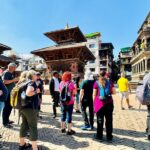
Your first major sightseeing block is Kathmandu Durbar Square, with about one hour on site. This is the kind of place where buildings aren’t just backdrops—they’re part of the city’s ongoing identity.
Durbar Square is a strong early stop because it sets visual expectations for the rest of the day. You’ll notice how Kathmandu’s craft traditions show up in stonework, temple forms, and the way the space is organized. Coming early also helps you beat the mental fatigue that can happen after hours in vehicles.
One consideration: since entrance fees aren’t included, you’ll want to be ready to pay on arrival at this site. Also, one hour is a good amount for highlights, but it’s still short if you like to slow down and study carvings line-by-line.
Swoyambhu Mahachaitya (Monkey Temple): Hilltop Stupa Energy
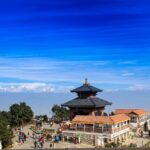
Next comes Swoyambhu Mahachaitya—better known as Swayambhunath, often called the Monkey Temple. You get around one hour, which is a smart timing choice for a hilltop complex.
This stop is about more than temples. It’s a viewpoint experience too. Being up on the hill gives you a sense of scale for the Kathmandu Valley, and you can better connect the dots between sites you see later in the day.
Keep in mind: entrance fees aren’t included for this stop either. Also, this is the type of place where you may spend extra time simply looking around once you start noticing details.
Pashupatinath Temple on the Bagmati: Where Ritual Is the Point
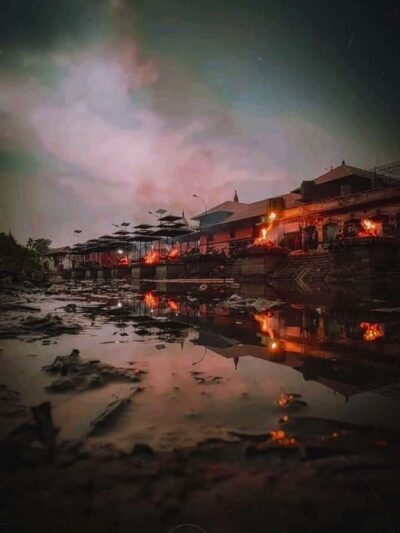
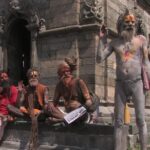
The tour then shifts to Pashupatinath Temple, an old Hindu temple complex on the banks of the Bagmati River, again with about one hour. This is one of Kathmandu’s most significant spiritual locations, and it’s not just about architecture.
What makes Pashupatinath powerful is the feeling that ritual is happening all around you. Even if you don’t know Hinduism deeply, you’ll likely understand the roles of devotion and sacred space because the setting is so focused.
This stop is also where a good guide adds value fast. When someone can explain what you’re seeing—ceremony style, religious significance, and how the complex functions—you get more from your hour than just photos and wandering.
Trade-off to note: entrance fees aren’t included, and this is a place where people tend to pay attention to rules on site. You’ll be happier if you stay flexible, follow staff guidance, and don’t treat it like a quick photo stop.
Boudhanath Stupa: A Buddhist Landmark You Can’t Ignore
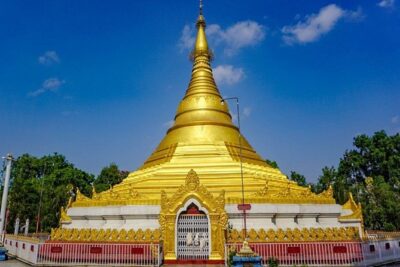
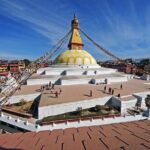
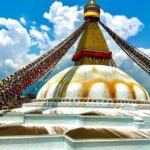
After Pashupatinath, you’ll head to Boudhanath Stupa, described as the biggest Buddhist stupa in Kathmandu. You’ll have about one hour here, and this stop is usually the one that locks in the Hindu-versus-Buddhist contrast of the day.
Boudhanath is visually dominant. The scale of the stupa structure, the surrounding activity, and the overall atmosphere make it easy to grasp why this site matters. It also helps you see Kathmandu Valley as a living religious hub, not just a list of monuments.
Again, entrance fees aren’t included, so plan to pay at the site. Since the tour is private, your guide can also help you decide where to focus during your hour so you don’t feel rushed while still seeing the main areas.
The Real Benefit: A Guide Who Explains What You’re Seeing
One of the strongest themes from past experiences with this kind of tour setup is the role of the guide. Names like Padam, Rita, Manoj, Dinesh, and Santosh show up in feedback, with people praising friendly explanations and learning about both Hinduism and Buddhism.
That matters because Kathmandu’s sacred sites can be confusing when you’re just reading signs. A guide helps you connect the symbolism, the purpose of each complex, and why certain spaces feel different from each other. You end up with memories that make sense, not just images.
I’d especially recommend this tour approach if you like history but also want interpretation. You’re spending limited time at each stop, so you’ll benefit most when you have context for what you’re walking through.
How to Make the Most of a 5 to 7 Hour Private Day
Five to seven hours is a practical amount of time for Kathmandu Valley sights. It gives you multiple UNESCO-level stops without turning the day into an all-day endurance test.
Still, it’s worth thinking like a time manager:
- Wear comfortable shoes because the sites involve walking on varied terrain.
- Keep water and snacks in mind since drinks and lunch aren’t included.
- Budget extra time for the “I want one more look” moments at major sites.
The tour includes parking fees, which sounds minor but reduces friction. You’re not stuck waiting outside while someone solves a logistics problem, and that keeps the day feeling smooth.
You’ll also have a mobile ticket, which is handy when you’re bouncing around a city and don’t want to worry about paperwork.
Who This Tour Suits Best (and Who Might Want Alternatives)
This tour is ideal if you’re:
- Visiting Kathmandu for the first time and want the Valley’s major icons in one day
- Short on time but still want a guided explanation, not just a self-guided checklist
- Interested in how Hindu and Buddhist traditions shape the city’s sacred spaces
- Comfortable paying entrance fees on top of the base price
It may be less ideal if you want a slow, deep study of one site. The tour moves through multiple major stops, so you get highlights rather than days of wandering.
Also, since it’s private, it’s a nice option when your group wants control. If your group includes children, children must be accompanied by an adult, and the child rate applies when sharing with two paying adults.
Should You Book This Kathmandu Valley City Day Tour?
I’d book it if your priority is getting the Valley’s core sights—Durbar Square, Swayambhunath, Pashupatinath, and Boudhanath—covered with a guide and private transport. The included driver, guide, and comfort add real value, and the UNESCO lineup makes it a strong “first Kathmandu day” choice.
Skip it (or consider a different pace) if you dislike paying entrance fees separately or if you want an unhurried deep-dive at a single complex. Also, because the experience requires good weather, check your plans if rain is likely during your dates.
If you’re the kind of traveler who likes clear context and efficient routing, this private city day tour is a smart way to start your Kathmandu trip without wasting hours figuring things out.
FAQ
How long is the Kathmandu Valley City Day Tour?
The tour runs about 5 to 7 hours.
What are the main stops on this tour?
You’ll visit Kathmandu Durbar Square, Swoyambhu Mahachaitya (Swayambhunath/Monkey Temple), Pashupatinath Temple, and Boudhanath Stupa.
Is this a private tour?
Yes. It’s a private tour/activity, and only your group participates.
What is included in the price?
Included items are the driver, transport by private vehicle, fuel surcharge, parking fees, and a tour guide.
What isn’t included?
Entrance fees for sightseeing points are not included, and lunch, drinks, and alcoholic drinks (available to purchase) are also not included.
Do I need to buy separate admission tickets?
Yes. For the sightseeing stops listed (Durbar Square, Swoyambhunath, Pashupatinath, and Boudhanath), admission ticket costs are not included in the tour price.
Where is the meeting point?
The meeting point is A1 Business complex, Kathmandu 44600, Nepal. The tour ends back at the same meeting point.
Will I receive a ticket on my phone?
Yes. The tour includes a mobile ticket.
Is this tour suitable for families with children?
Children must be accompanied by an adult. Child pricing applies only when sharing with two paying adults.
What happens if the weather is bad or I need to cancel?
The experience requires good weather. If it’s canceled due to poor weather, you’ll be offered a different date or a full refund. Cancellation is free up to 24 hours in advance for a full refund.