REVIEW · KATHMANDU
Kathmandu: Full Day 7 UNESCO Tour with Lunch – Private/Group
Book on Viator →Operated by Luxury Holidays Nepal Pvt. Ltd. · Bookable on Viator
Seven UNESCO stops. One long smart day.
This Kathmandu full-day tour is interesting because it strings together major UNESCO World Heritage landmarks with an English-speaking guide, so you get both the sights and the meaning without plotting routes all day.
I love the hotel pickup and drop-off by air-conditioned vehicle. I also love the included lunch box (bottled water plus items like muffin/donut, banana, seasonal fruit, and juice), which helps you keep moving instead of hunting for lunch midway through temple time.
The main drawback is the packed pace. It’s built to hit all seven sites in one day, so expect walking, traffic, and a finish time that can run long.
In This Review
- Key takeaways before you go
- How the day runs: pickup, travel time, and a realistic pace
- Hotel pickup and air-conditioned transport that actually helps
- Swayambhunath hilltop stupa: the Monkey Temple start
- Kathmandu Durbar Square: royal power in the old city
- Patan Durbar Square in Lalitpur: Newari architecture and royal legacy
- Bhaktapur Durbar Square and Changu Narayan: stepping into older Nepal
- Pashupatinath on the Bagmati River: one of Nepal’s key Hindu sites
- Boudhanath Stupa: Tibetan Buddhist spiritual heart
- Lunch box details: simple fuel that keeps the day moving
- Price and entrance fees: what you’re really paying for
- Private vs group vs ticket-inclusive: choose your style
- Guide impact: stories that connect the dots
- Practical comfort tips for a long heritage day
- Should you book this Kathmandu UNESCO 7-site tour?
Key takeaways before you go
- Seven UNESCO World Heritage sites in one day across Kathmandu and nearby historic areas
- Hotel pickup and drop-off with air-conditioned private transportation
- English-speaking guides who explain Nepali culture and tradition while you travel
- Lunch box included with bottled water and a mix of sweet and fruit options
- Entrance fees are not included unless you choose the all-inclusive option
- Private or group formats depending on how you like your sightseeing day
How the day runs: pickup, travel time, and a realistic pace
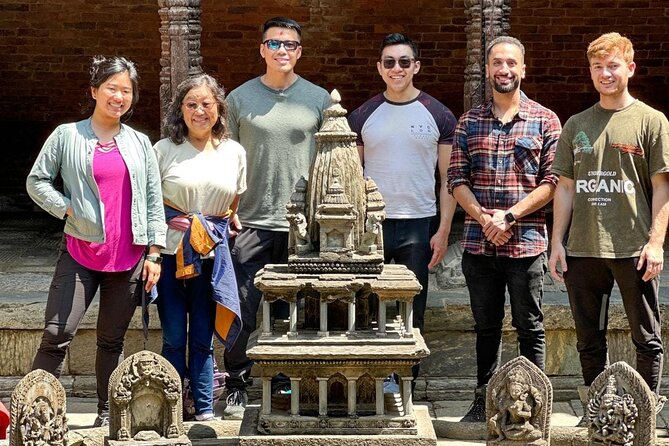
This is an 8–9 hour tour on paper, but treat it like a full-day commitment. Some people report door-to-door timing closer to 9–11 hours, which makes sense when you stack seven heritage stops plus driving in and around Kathmandu.
The schedule is also momentum-heavy by design. You’ll move from one site to the next with narration during the car rides, then short guided stops on foot. If you’re the type who likes lingering, reading every sign, or ducking into every corner shop, plan for a fast pass.
You can also read our reviews of more private tours in Kathmandu
Hotel pickup and air-conditioned transport that actually helps
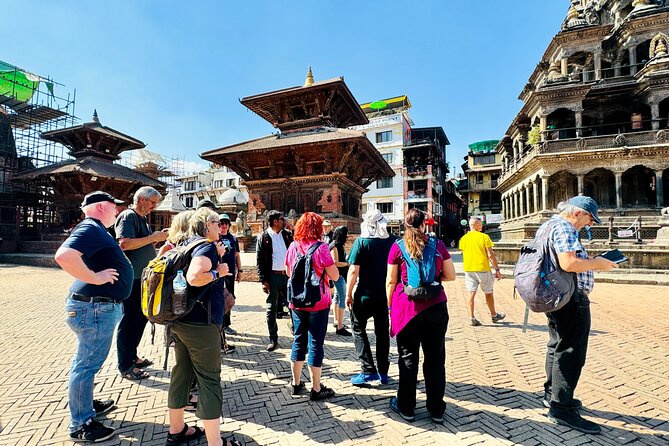
I really like that your day starts with pickup from your hotel and ends with drop-off back at your door. It removes the biggest headache in Kathmandu: figuring out how to get yourself across multiple heritage zones without losing half the day to transit.
The vehicle is air-conditioned, which matters more than it sounds when you’re out for hours. You also get professional, English-speaking tour guidance throughout—meaning fewer pauses where you’d otherwise be trying to piece things together on your own.
Swayambhunath hilltop stupa: the Monkey Temple start
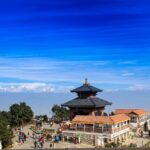
Your first major stop is Swayambhunath, perched on a hill overlooking the Kathmandu Valley. It’s also known as the Monkey Temple, and the tour frames it as one of Nepal’s most sacred and iconic religious sites, dating back over 2,500 years.
You’ll spend about 40 minutes here, which is short but useful when you’re doing seven sites in one day. This stop also gives you a quick “orientation” to the spiritual energy of Kathmandu—perfect as a warm-up before you move into the palace squares and riverbank worship areas later.
One practical note: admission tickets are not included for this stop in the standard options. So keep that in mind if you’re deciding between the all-inclusive route and the lower base price.
Kathmandu Durbar Square: royal power in the old city
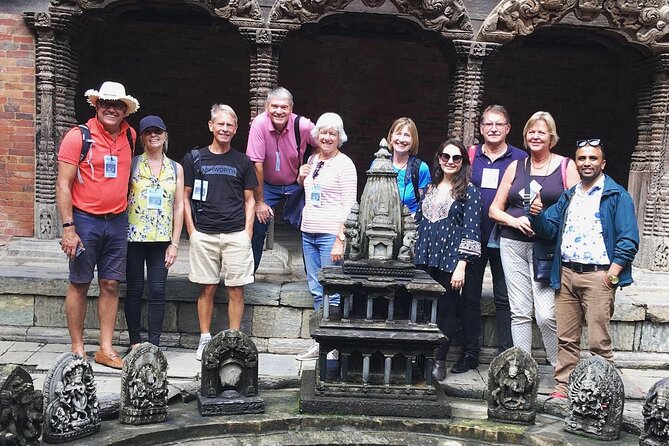
Next up is Kathmandu Durbar Square, also called Hanuman Dhoka Durbar Square. This historic complex served as the palace area of the Malla and Shah kings of Kathmandu, so it’s not just temples and stones—it’s the political story of the city in one place.
You’ll have around 1 hour here. That’s enough time to see the layout and absorb the guide’s explanation, but it’s still not a “wander for hours” visit. If you want to take lots of photos, you’ll likely spend more time looking closely; if you want broad understanding, the hour is a decent match.
Like Swayambhunath, entrance fees are not included in the non-inclusive options. If you’re paying separately, you’ll want Nepalese rupees ready so you’re not stuck every time the ticket line pops up.
Patan Durbar Square in Lalitpur: Newari architecture and royal legacy
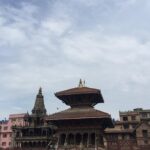
Patan Durbar Square is in Lalitpur and is highlighted for Newari architecture. The tour also presents the square as a lively center of art, culture, and spirituality, and notes that it once served as the royal palace of the Malla kings of Patan.
You’ll get about 1 hour at this stop as well. I like this pairing in the itinerary: Kathmandu Durbar Square first, then Patan Durbar Square after. It helps you notice patterns in layout and style without feeling lost or repeating the same ideas.
Expect a short, guided look rather than museum-level study. That’s the tradeoff for packing in seven UNESCO sites.
You can also read our reviews of more tours and experiences in Kathmandu
Bhaktapur Durbar Square and Changu Narayan: stepping into older Nepal
Bhaktapur Durbar Square is another highlight, set in the medieval city of Bhaktapur. The tour describes it as a major showcase of Nepalese artistry, history, and spiritual tradition, with a royal palace complex history connected to the Malla kings.
Then you add Changu Narayan Temple, perched on a hilltop northeast of Bhaktapur. This one is special because the tour frames it as the oldest Hindu temple in Nepal, with origins dating back to the 4th century. It’s dedicated to Lord Vishnu and is part of the UNESCO set for this route.
Time-wise, Bhaktapur gets about 1 hour and Changu Narayan about 30 minutes. The temple stop is the quick hit: enough time for you to grasp why it matters historically, without turning the day into a multi-hour detour.
If you’re sensitive to walking or you hate rushing, this is where you’ll feel the day’s intensity. Wear shoes you trust, because “short stops” add up when you’re moving through old streets.
Pashupatinath on the Bagmati River: one of Nepal’s key Hindu sites
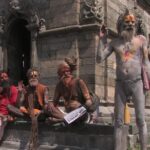
Pashupatinath Temple sits on the banks of the Bagmati River. The tour calls it Nepal’s most important Hindu temple and a revered pilgrimage site for devotees of Lord Shiva, and it’s listed as a UNESCO World Heritage Site.
You’ll spend about 1 hour here. This is one of the stops where the guide’s narration matters most. A good explanation helps you connect what you’re seeing to why people visit—so it doesn’t become just another photo stop.
Again, admission tickets are not included in the standard options. If you’re aiming to keep spending predictable, you’ll want to plan for entrances or choose the all-inclusive package.
Boudhanath Stupa: Tibetan Buddhist spiritual heart
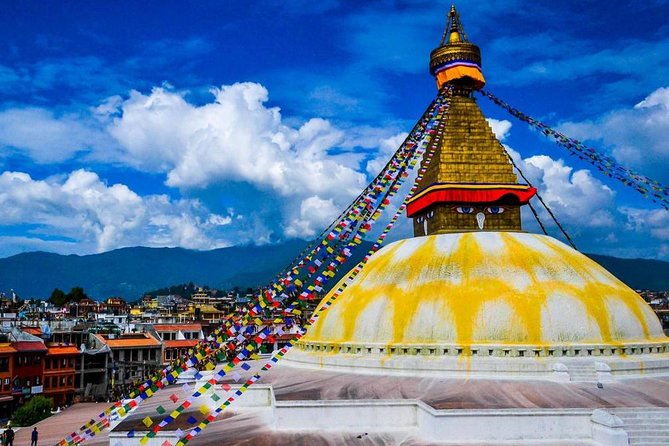
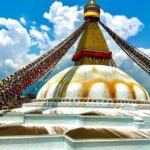
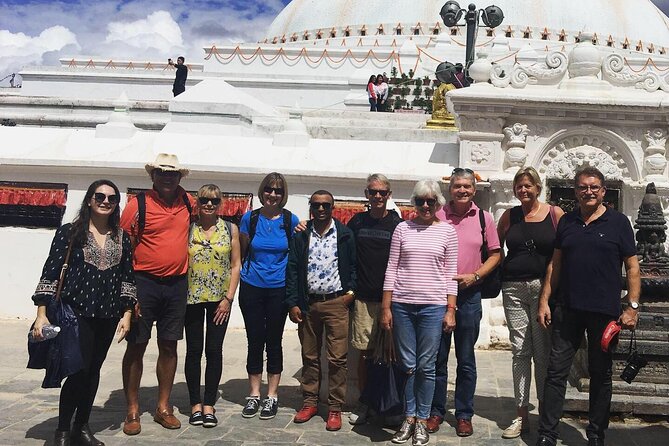
The last temple stop is Boudhanath Stupa. The tour describes it as one of the largest spherical stupas in the world and the spiritual heart of Nepal’s Tibetan Buddhist community. It also mentions the massive white domes that dominate the surrounding area.
You’ll have about 30 minutes here. That’s a good amount of time for a first encounter when your day is already packed. It’s also a nice closing note because it shifts the focus from royal palace complexes and Hindu pilgrimage context into Tibetan Buddhist practice.
Like the earlier sites, entrance is not included for standard options. This is where it helps to decide early whether you want the all-inclusive route.
Lunch box details: simple fuel that keeps the day moving
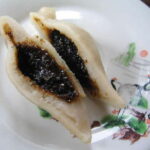
Lunch is built into the tour with a lunch box that includes bottled water (500 ml) plus items such as muffin, donut, banana, seasonal fruit, and juice. In practice, some people received extras like cookies or croissant-style pastries, but the main point is the same: it’s designed to tide you over without forcing a long restaurant sit-down.
I like this setup when you’re trying to see seven UNESCO sites in one day. It keeps your schedule intact, especially if you’d rather spend your time at the monuments than searching for food.
If you choose the all-inclusive option, the package expands beyond the lunch box. It includes food, soft drinks, entrance fees, and either a Khana set or a choice of dishes, so you’re less likely to hit ticket surprises later.
Price and entrance fees: what you’re really paying for
The listed starting price can look very low, but the value depends heavily on whether your option includes entrances. For the standard private/group versions, entrance fees to sightseeing monuments are not included, listed at $44 per person. The all-inclusive option does include entrances.
In day-to-day terms, many people end up paying monument entry in Nepalese rupees when they’re not included in the package. One common total mentioned is about 6,000 NR for the full set of sites.
Here’s how I’d think about value:
- If you want predictable costs and hate cash handling, pick the all-inclusive option.
- If you’re okay budgeting for entrances separately and you prefer a lower base price, the non-inclusive options can still be a good deal.
Either way, plan ahead with cash and don’t treat entrance fees as an afterthought. This tour is a chain of paid entry points, not a single ticket event.
Private vs group vs ticket-inclusive: choose your style
You can choose among private, group, and ticket-inclusive styles. Private means only your group participates, which usually translates to more flexibility on timing and pacing. Group format can be cheaper, but it’s also the more “fixed” option because you’re sharing the day with others.
I also like that this tour offers a mobile ticket. That matters when you’re trying to avoid extra paper chaos during a long day.
For ticket-inclusive, the big benefit is psychological: it removes a lot of the friction around entrance fees. When you don’t need to think about paying at each site, you can focus on the guide’s explanation and your own pace within the time limits.
Guide impact: stories that connect the dots
What turns this from a sightseeing checklist into a meaningful day is the narration. The tour description is clear that your guide provides commentary on Nepali culture and tradition as you travel. In the real world, the guide tone can make the difference between seeing seven sites and actually understanding why they matter.
I’ve encountered this tour with guides named Sumit, Anon, Anant, Sajina, Suresh, and Asmita. The common theme across these names is clear, calm explanations and a focus on connecting history, religion, and daily life. Some guides even help with practical extras like quick stops and photo-friendly moments, which sounds small until you’re walking and driving all day.
Also, pace varies slightly by guide. Some people specifically noted a balanced approach at each stop, with enough time to look without constant over-talking. That’s what you want on a packed itinerary.
Practical comfort tips for a long heritage day
This is the day where small choices matter. Bring walking shoes. Multiple stops include “short but active” temple and square time, and the day can run longer than the estimate.
Pack extra snacks if you’re the type who gets hungry between lunch and late afternoon. Even with the lunch box, the day is long enough that a backup snack can save your energy and mood.
If you start early, you can reduce stress from traffic. One group reported requesting a 7am start to avoid later congestion and being glad they did. If you’re staying near the pickup zone, starting early usually means you’re fresh enough to enjoy each stop instead of counting minutes.
And yes, weather can happen. A rain-soaked day still works, but plan for it. If you’ve got rain gear, bring it.
Should you book this Kathmandu UNESCO 7-site tour?
Book it if:
- You have limited time in Kathmandu and want the big UNESCO anchors in one day.
- You want an English-speaking guide to explain what you’re seeing, not just where to stand for photos.
- You’re comfortable with a long day and a bit of walking.
Skip or change plans if:
- You hate rushed pacing and want long, slow museum-style visits.
- You have a tight next-day schedule like a flight or a trek start. This can run long, even when the tour is well run.
If you do book, my best advice is to decide upfront on the all-inclusive option. If you want fewer payment interruptions and more mental space, it’s the cleaner choice. If you’re budget-conscious and don’t mind handling entrances, keep cash ready and expect a long but satisfying heritage day.