REVIEW · KATHMANDU
Kathmandu City Tour – Private UNESCO World Heritage Sites Tour
Book on Viator →Operated by Nepal Hiking Adventure Company - Private Day Tours · Bookable on Viator
Four UNESCO stops, one smooth half-day.
This private Kathmandu City Tour strings together Hindu and Buddhist landmarks in the Kathmandu Valley, so you see how faith, art, and daily life sit side by side. I like the clear mix of Hindu and Buddhist sites—from Swoyambhu to Pashupatinath—because it makes the valley feel less like a checklist and more like a working place. I also like that the route includes major monuments you’ll recognize right away, including Boudhanath Stupa, plus durbar-square palace courtyards.
The big thing to plan for: the tour price does not include entrance fees. You should budget about NPR 2,600 per person (around $20) for entry to the 4 stops, so your total spend won’t be just the headline price. If you’re the type who hates paying surprises at the gate, read that line twice before you book.
In This Review
- Key highlights of this Kathmandu City Tour
- A tight, practical UNESCO route in Kathmandu Valley
- Private guide + private ride: why it matters here
- Stop 1: Swoyambhu Mahachaitya, where Hindu and Buddhist meet
- Stop 2: Patan Durbar Square (or Kathmandu Durbar Square) and the palace-courtyard feel
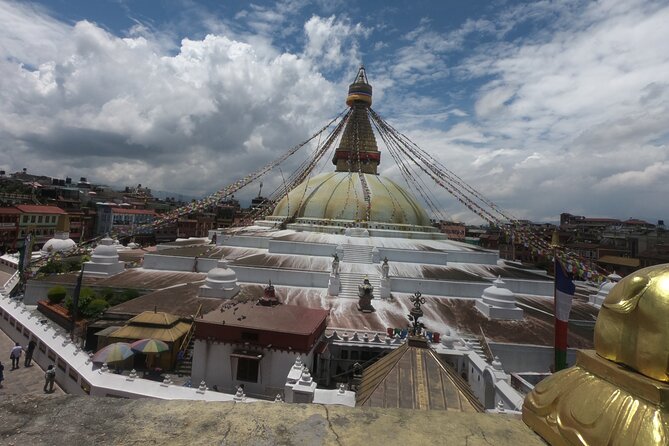
- Stop 3: Boudhanath Stupa, the big one in Southeast Asia
- Stop 4: Pashupatinath Temple and what “crematory place” means
- Price and logistics: what $17 covers, and what doesn’t
- Timing, pacing, and what to bring
- Who this tour is best for
- Should you book this Kathmandu City Tour?
- FAQ
- How long is the Kathmandu City Tour?
- Is this a private tour or shared group tour?
- Which UNESCO World Heritage sites are included?
- Does the price include hotel pickup and drop-off?
- Are entrance fees included in the tour price?
- Does the tour include a tour guide?
- Where does the tour start and end?
- Is admission ticket required at the stops?
- What if weather is poor?
- Can most travelers participate?
Key highlights of this Kathmandu City Tour
- Private transportation and hotel pickup/drop so you spend time seeing, not negotiating rides.
- Four UNESCO sites in ~4 to 5 hours with about an hour at each main stop.
- Hindu + Buddhist route design: temples, stupas, and palace courtyards in one loop.
- Boudhanath is a standout as the biggest stupa in Southeast Asia, and it’s built for slow watching.
- Durbar-square choice: you can do Patan Durbar Square or Kathmandu Durbar Square for that palace-courtyard stop.
A tight, practical UNESCO route in Kathmandu Valley
This tour is built for people who want a solid Kathmandu Valley overview without turning the day into a marathon. You’ll move through the valley’s most famous landmarks—temples, monasteries, stupas, and old royal palace courtyards—and you’ll get a guide to connect what you see to what it means.
What makes it work is the pacing. Each of the four main stops is listed for around an hour, which is enough time to orient yourself, take photos, and actually notice details. If you only have a short window in Kathmandu, this route does a smart job of giving you four different “flavors” of heritage: Swoyambhu’s mixed faith energy, durbar-square palace life, Boudhanath’s stupa-focused calm, and Pashupatinath’s Hindu temple complexity.
And because it’s private, you can ask questions as you walk instead of relying on whatever the group guide remembers to cover. You can also adjust what you pay attention to—some people want architecture; others want symbolism; others just want a clear sense of what they’re looking at.
You can also read our reviews of more city tours in Kathmandu
Private guide + private ride: why it matters here
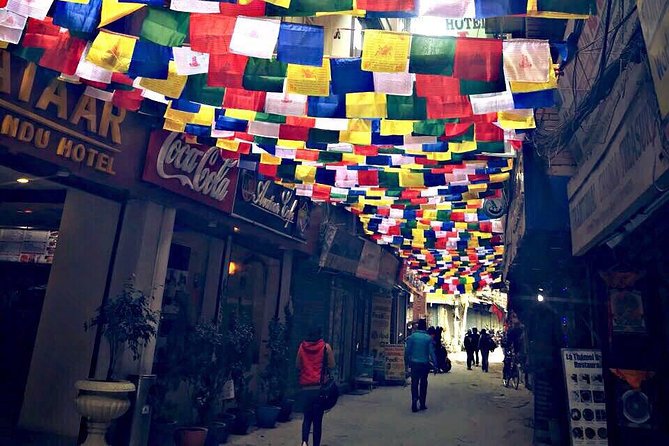
You’re not sharing a cramped vehicle or waiting for a big group to gather. The experience includes private transportation plus hotel pickup and drop-off, which matters in Kathmandu where traffic and timing can get unpredictable.
On tours like this, the guide changes the whole experience. The city tour structure gives you the main hits, but a good guide helps you read the place. In the company’s orbit, guides like Shankar and Sanjay are described as passionate about culture and history, and another guide mentioned is Ram. That matters because these sites aren’t museums with labels everywhere—you’ll get more out of them when someone explains what you’re seeing and why people treat it with care.
There’s also a practical perk: the provider is described as staying in communication and being flexible about changes or added stops if you want. For you, that means the day can stay smooth even if you realize you want a little more time at one monument and less at another.
Stop 1: Swoyambhu Mahachaitya, where Hindu and Buddhist meet
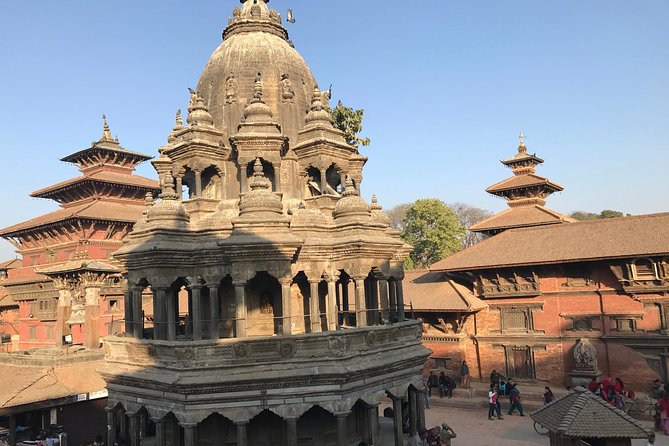
Swoyambhu Mahachaitya is one of those places that instantly changes how you see the city. The tour frames it as a temple complex with Hindu and Buddhist together, and that’s exactly the point of going. Instead of two separate worlds, you see how different traditions overlap in the same sacred space.
You’ll have about an hour here. That’s a good amount of time because Swoyambhu is the kind of place where you can get pulled in different directions—along paths, around viewpoints, toward smaller shrines and prayer spaces. Admission is not included, so you’ll want to keep an eye on the entry instructions your guide gives you.
A quick practical thought: because this site blends faiths and attracts many visitors, it can feel busy at peak times. Going with a guide helps you navigate where to focus so you don’t spend your hour just circling for the best angle.
Stop 2: Patan Durbar Square (or Kathmandu Durbar Square) and the palace-courtyard feel
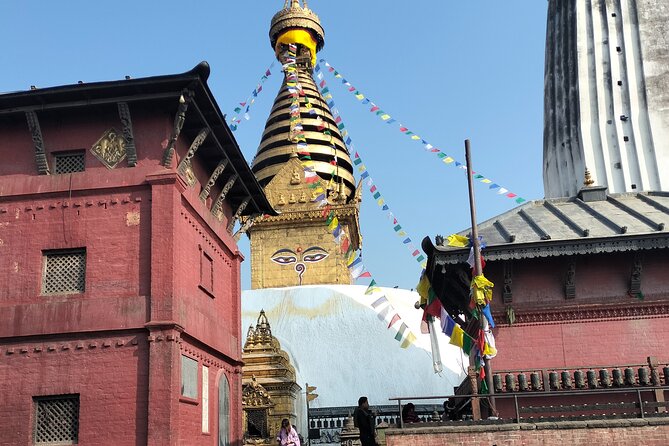
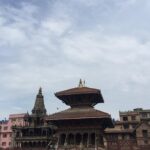
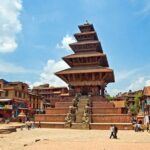
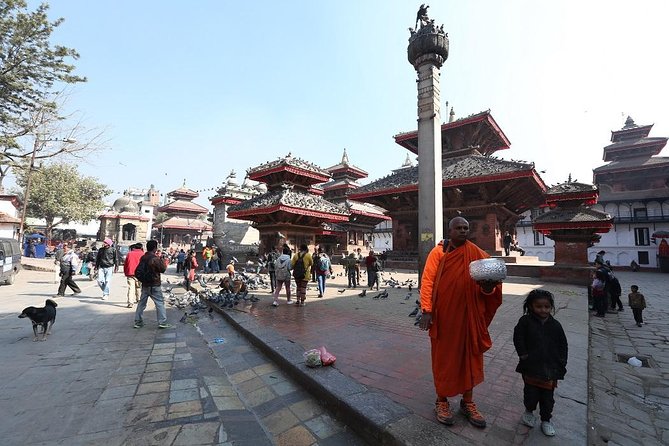
The durbar-square stop is where the tour shifts from temples and stupas to royal-courtyard atmosphere. The description calls Patan Durbar Square one of the durbar squares from the Kathmandu Valley’s set, and it also notes you can choose either Patan Durbar Square or Kathmandu Durbar Square for this portion.
Why that matters for you: durbar squares aren’t just pretty buildings. They’re built around the idea of power and public space—how rulers displayed authority, how ceremonies unfolded, how the city used these courtyards as stages. Even if you’re not a “palace person,” you’ll usually find enough details—stonework, temple forms, carved surfaces—to make it click.
You’ll also get about an hour at this stop. In practice, that can feel perfect: long enough to walk the main circuit, short enough that you won’t get exhausted before the stupa and temple stops that follow.
Admission also isn’t included here. Plan on the entrance fees for the four sites as a bundle, rather than treating each place like a separate surprise cost.
Stop 3: Boudhanath Stupa, the big one in Southeast Asia
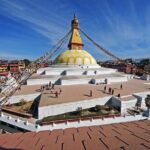
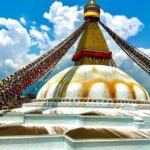
Boudhanath Stupa is pure “slow down” energy. The tour description calls it a Buddhist temple and highlights it as the biggest stupa in Southeast Asia. That superlative isn’t just bragging—it shapes how the space feels.
You’ll have about an hour here. In that time, you can do more than take photos. You can watch how people move around the stupa, notice prayer rhythms, and pay attention to the way the architecture pulls the eye upward. If you like a place where you can stand and simply observe, this is the stop.
The tour keeps admission separate, so your ticketing happens at the site. If you’re budgeting tightly, remember this stop is part of the entrance fee total for the four included places.
One more practical note: because this area attracts both pilgrims and visitors, you’ll likely see a range of behaviors and styles of dress. Dress modestly and be respectful at prayer spaces; it’s the simplest way to get along smoothly.
You can also read our reviews of more private tours in Kathmandu
Stop 4: Pashupatinath Temple and what “crematory place” means
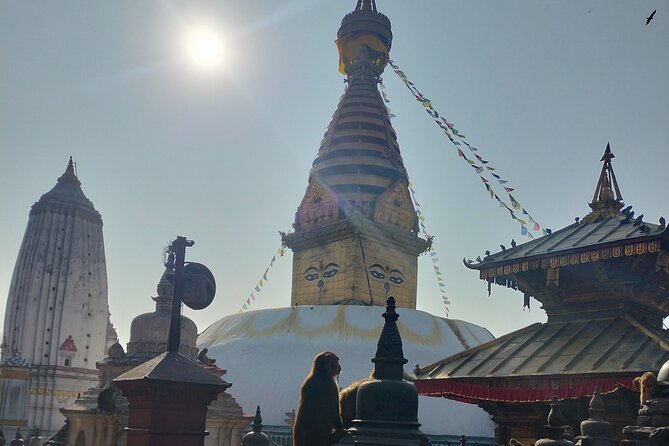
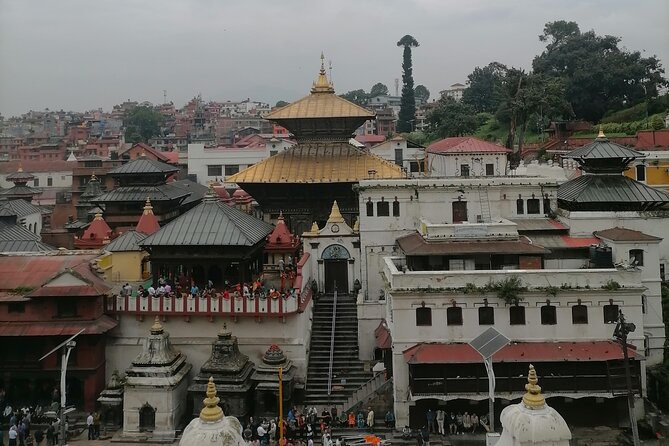
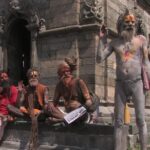
Pashupatinath Temple is a major Hindu site, and the tour description includes a key detail: it’s the crematory place. That means this isn’t a casual sightseeing stop. It’s an active religious landscape with real rituals and deep cultural meaning.
You’ll have about an hour here as well. The time window is useful because you’ll want enough moments to understand what parts of the complex are for worship and how people behave respectfully in those zones. A guide helps here, since sacred sites like this can have rules about viewing areas, photography, and where you should stand.
Admission isn’t included. Plan for entry at this site as part of the overall entrance-fee amount.
If you’re sensitive to seeing ceremonial activities, it’s worth knowing this stop is specifically flagged as involving cremation areas. Go with that in mind so the hour feels purposeful, not jarring.
Price and logistics: what $17 covers, and what doesn’t
The listed price is low on paper, so it’s smart to look at the whole budget picture. The tour includes:
- Private transportation
- City tour guide
- Hotel pickup and drop
That combination is the real value. Many Kathmandu tours advertise cheaper rates but then scramble later for transport or guide costs.
What’s not included is the big wallet line: entrance fees during the tour, listed as about NPR 2,600 per person (around $20) for the four places. Tips for guide or drivers aren’t included either.
So the total cost you’ll actually pay is roughly the tour price plus entry fees, and then a tip if you feel it’s deserved. With a good guide, that extra spend often feels worth it, because these sites reward attention.
Also, you’ll get a mobile ticket. That’s helpful if you prefer keeping things on your phone, but still make sure you have a plan if your battery dies—bring a charger or a power bank.
Timing, pacing, and what to bring
This is a 4 to 5 hour tour, with about an hour at each of the four stops. In other words, it’s not a long sit-down day. It’s more like a guided walk-through with a few “stand here and watch” moments.
Because the itinerary includes temple and stupa sites, you’ll want:
- comfortable shoes (stone steps and uneven ground are common)
- a layer for sun and wind shifts
- modest clothing for sacred areas
Your day starts back at the meeting point area. The tour ends back at the start point as well, which makes it easier to plan dinner or your next activity.
Who this tour is best for
This works especially well if you:
- want a starter Kathmandu Valley circuit without committing to a full-day plan
- like seeing a variety of sacred sites in one loop
- want a guide to help you understand what you’re looking at
It’s also a good match if you value logistics. Hotel pickup and drop means you’re not figuring out transport every time you finish a monument.
If you’re someone who wants lots of free time at each site for independent wandering, this might feel a little structured. The stop lengths are fixed for a reason: it keeps the whole UNESCO sequence doable in one half-day.
Should you book this Kathmandu City Tour?
If you want a smart introduction to Kathmandu Valley’s UNESCO sites, this is a strong value pick—mainly because the tour combines private transport plus a guide and hits four big-name heritage areas without wasting your day. Just go in with your budget hat on: entrance fees are extra, and Pashupatinath is a temple that includes cremation grounds, so it’s not a purely scenic visit.
If you want, tell me your travel dates and whether you prefer more architecture, more faith/prayer context, or more photography time. I can help you decide which durbar-square option fits your vibe best.
FAQ
How long is the Kathmandu City Tour?
The tour runs about 4 to 5 hours.
Is this a private tour or shared group tour?
It’s a private tour/activity. Only your group participates.
Which UNESCO World Heritage sites are included?
The tour includes Swoyambhu Mahachaitya, Patan Durbar Square, Boudhanath Stupa, and Pashupatinath Temple. There’s also information that one of the durbar-square stops can be selected as per your choice.
Does the price include hotel pickup and drop-off?
Yes. Hotel pickup and drop-off are included.
Are entrance fees included in the tour price?
No. Entrance fees during the tour are not included, listed as about NPR 2,600 per person (approximately $20) for the four places.
Does the tour include a tour guide?
Yes. A city tour guide is included.
Where does the tour start and end?
It starts at Nepal Hiking Adventure Company on Z Street, Kathmandu 44600, Nepal, and it ends back at the meeting point.
Is admission ticket required at the stops?
The tour notes that admission tickets are not included for the four stops, so you’ll need to purchase entry on-site or arrange it as directed by your guide.
What if weather is poor?
The experience requires good weather. If it’s canceled due to poor weather, you’ll be offered a different date or a full refund.
Can most travelers participate?
Yes. The tour indicates most travelers can participate, and it’s near public transportation.