REVIEW · KATHMANDU
4 UNESSCO World heritage sites of Kathmandu-private tour
Book on Viator →Operated by Outdoor Himalayan Treks P Ltd. · Bookable on Viator
Four stops, one smooth plan for your first days in Kathmandu. This private route links the big spiritual anchors—Hindu and Buddhist—plus Patan’s art-and-royal-square heritage. You get front-door pickup and a knowledgeable guide, so the day feels organized instead of stressful.
I especially like the private format with your own timing and guide attention. I also like that you’re not just dropped at temples; you get tailored background on what you’re seeing and why it matters to Nepal’s Hindu and Buddhist traditions.
One possible drawback: the tour is only about 1 hour per main stop, so if you want long, slow wandering or photography time without pressure, you may feel a bit rushed—especially with city traffic.
In This Review
- Key points worth knowing before you go
- Why this 4-site Kathmandu route works for first-timers
- Price and logistics: what $60 per person really covers
- Getting picked up near Thamel and staying on schedule
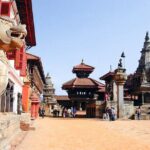
- Stop 1: Patan Museum and the Patan Durbar Square heritage feel
- Stop 2: Pashupatinath Temple—Shiva devotion and live cremation viewing
- Stop 3: Boudhanath Stupa—Tibetan Buddhism and meal-friendly terraces
- Stop 4: Swayambhunath (Monkey Temple) and the sunset option
- The guide quality factor: professionalism you can feel in the day
- What to plan for: tickets, meals, and respectful visiting
- Who this tour suits best
- Should you book this 4 UNESCO Kathmandu private tour?
- FAQ
- What UNESCO World Heritage sites are included in this private day trip?
- How long is the tour?
- Is hotel pickup and drop-off included?
- Are admission tickets included?
- Is this tour private or shared?
- Is the tour dependent on weather?
Key points worth knowing before you go
- Private guide focus: the background is adjusted to your interests, not a one-size script
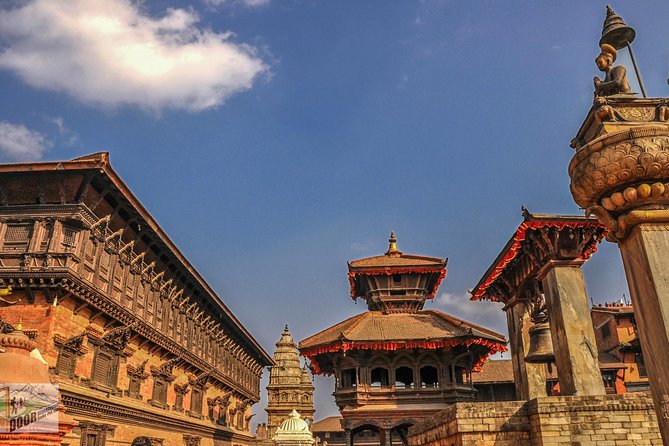
- Four major UNESCO stops: Patan area plus Pashupatinath, Boudhanath, and Swayambhunath in one day
- Hotel pickup and drop-off: you start and end near Thamel, reducing the daily logistics headache
- Air-conditioned private transport: comfort matters when Kathmandu traffic shifts your timing
- Sunset possibility at Swayambhu: on a clear day, you can time your visit for views from higher up
- Bottled water included: small, but helpful on a warm walking day
Why this 4-site Kathmandu route works for first-timers
If you’re new to Kathmandu Valley, this tour does one thing really well: it gives you a clean first map of the region’s big ideas. You move through Hindu worship at Pashupatinath, Buddhist landmark culture at Boudhanath and Swayambhunath, and then you switch gears to Patan’s heritage neighborhood. The pacing is designed to keep momentum without turning the day into a blur.
Also, the guide angle is a big part of the value. You’re not just touring famous places; you’re learning what each one signals in Nepal’s living faith landscape. That matters in Kathmandu, where the same stones can mean different things depending on the community and the ritual happening that day.
Finally, this is set up as a private tour, which changes the feel. You can ask follow-ups, adjust how much you want to stand and watch, and keep questions from piling up until you’re exhausted.
You can also read our reviews of more private tours in Kathmandu
Price and logistics: what $60 per person really covers
At $60 per person for a 5–7 hour private day, the price sounds simple—but the value comes from what’s included. Your cost covers:
- a professional, experienced English-speaking guide (with guide salary, meals, and insurance included)
- a private air-conditioned vehicle with driver, road tax, parking, fuel, and insurance
- bottled mineral water per person
- hotel-area pickup and drop-off at the tour’s meeting point
What’s not included is also important. You’ll pay for food and drinks, and you’ll likely cover any admission tickets on your own (the tour lists admission tickets as not included for the stops). There may also be paid photo options at sights.
So the math is: you’re paying for comfort, a guide who can explain what you’re seeing, and private transport between four landmarks. If you’re pairing this with a couple of meal stops on-site, you’ll want to budget a bit extra. If you’re trying to do this under a tight schedule, you’ll likely find the structure worth it—because moving between these places on your own can become time-consuming fast.
One more value lever: there’s an option to upgrade your guide to a language besides English or Nepali for an added USD 15 per group. If language depth matters to you, it’s a cost that can make the day feel richer.
Getting picked up near Thamel and staying on schedule
This tour starts and ends back at Outdoor Himalayan Treks on Thamel Marg. That’s a practical base for many visitors because Thamel is where a lot of hotels cluster, and it’s easy to connect to day plans from there. You also get pickup and drop-off, which reduces the “where do I meet?” stress.
Transport time is described as approximate and depends on traffic. That’s Kathmandu reality. The upside is that you’re traveling in an air-conditioned private coach as per your group size. When you’re doing multiple stops close together but not walkable in a single loop, having the vehicle and driver handled is a real time-saver.
Timing is also built around the idea of about 1 hour at each major stop. If you want to add a second walk around, buy souvenirs, or linger for a ritual moment, you’ll want to do it with awareness that the rest of the day still has to move.
Stop 1: Patan Museum and the Patan Durbar Square heritage feel
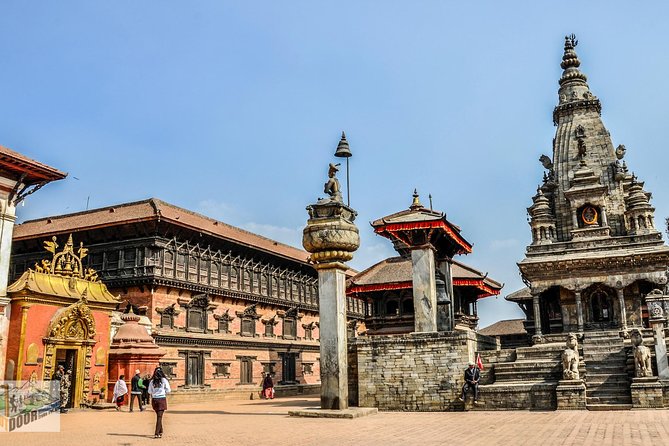
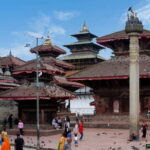
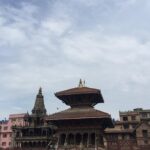
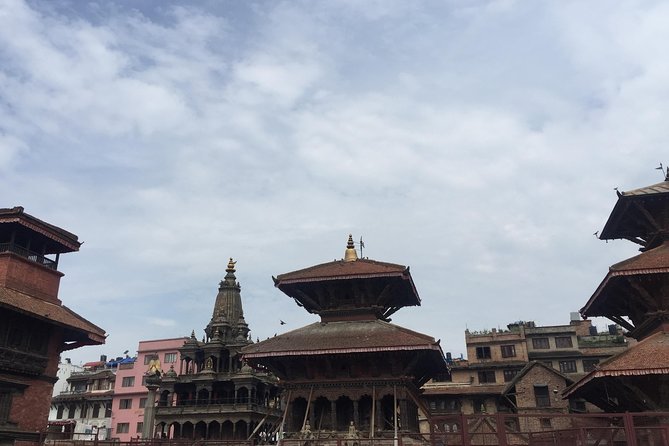
You begin at Patan Museum area, with about 1 hour on the first stop. Patan sits in the same broader Kathmandu Valley heritage story as the other UNESCO sites, and the tour frames it as part of the durbar square zone—Patan is often described as the city of fine art.
Why I think this stop is a smart opener: it eases you into the Valley without starting straight with the busiest temple crowds. Even though it’s still heritage-focused, it feels like a transition from the modern Kathmandu you may have been navigating to the more historical layers you’ll see across the valley.
What to watch: admission is not included, so check whether your planned time includes museum entry. If you’re more interested in the streets and architecture around the square than museum exhibits, you might still enjoy the area even if you skip an indoor component.
Practical tip: wear something comfortable for uneven pavement and short walks. In heritage zones, you often get a mix of steps, doorways, and tight lanes.
Stop 2: Pashupatinath Temple—Shiva devotion and live cremation viewing
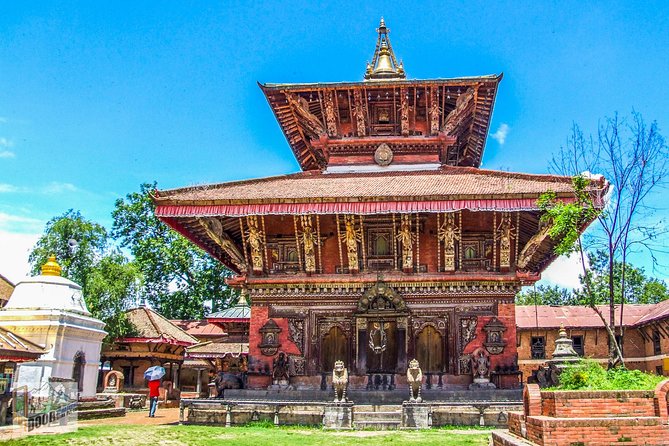
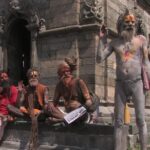
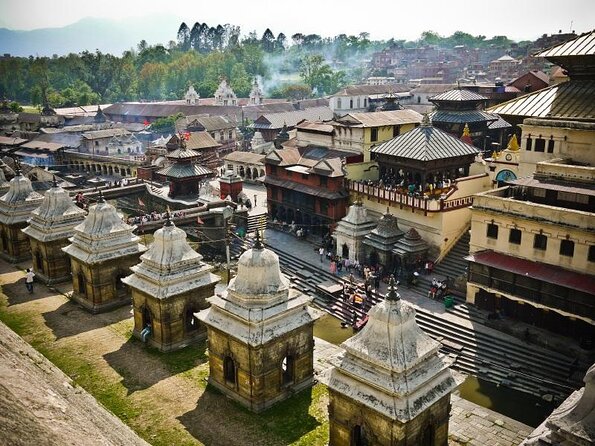
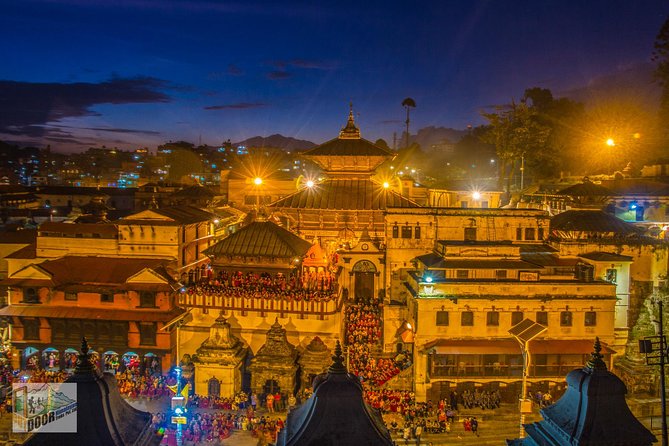
Next is Pashupatinath Temple. The tour assigns about 1 hour here, and the focus is on Hindu practice around Lord Shiva. This is one of the holiest places for Hindus from around the world, and the tour also flags that you can see the live cremation process according to Hindu tradition.
This is the stop with the most emotional gravity. If you’re sensitive to the visual and cultural intensity of ritual, it’s worth entering with that in mind. The benefit is that you’re not learning theory in a classroom—you’re witnessing how faith works in real time in a sacred setting.
A few considerations so the experience stays respectful and comfortable:
- Go in ready to follow local guidance on where to stand and what to do.
- If photography is a concern for you, treat the environment carefully and listen to your guide’s directions.
- Keep your expectations realistic: a 1-hour slot means you’ll likely see a slice of the ritual cycle, not every detail.
Admission tickets aren’t included here either. Even if entrance feels straightforward, it’s good to plan ahead so you’re not slowed down.
You can also read our reviews of more historical tours in Kathmandu
Stop 3: Boudhanath Stupa—Tibetan Buddhism and meal-friendly terraces
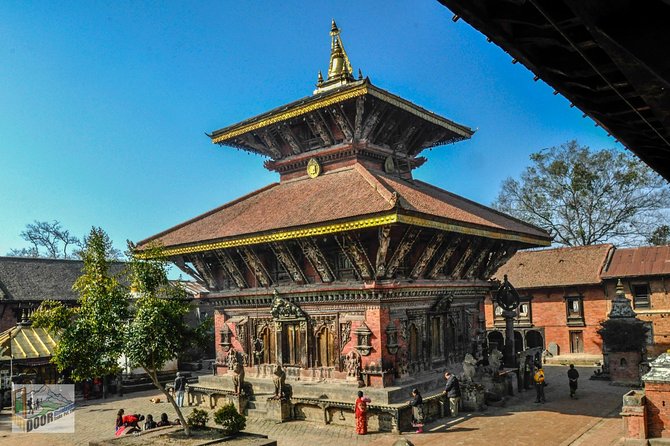
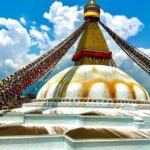
Boudhanath Stupa is next, with about 1 hour. The tour describes it as one of the largest stupas in the world, and it’s where you’ll see Buddhist culture and Tibetan Buddhism traditions. The itinerary also points out monasteries and tradition around the complex.
This is a contrasting mood to Pashupatinath. Boudhanath often feels more like a cultural center you can read slowly: pilgrims, religious markers, and the gentle rhythm of people moving through a sacred space. If you’re trying to understand how Kathmandu holds multiple traditions side by side, this stop gives you strong context.
The practical upside: there are terrace restaurants in the stupa complex area. That matters because your tour doesn’t include lunch. If you want a low-effort meal option, this is the place to make it easy while you’re already in the right zone.
What to watch: like the other stops, time is limited. Use the guide’s explanation early, then spend the remaining minutes doing your own walking and observing—especially if you want to understand what parts are central to Tibetan practice.
Stop 4: Swayambhunath (Monkey Temple) and the sunset option
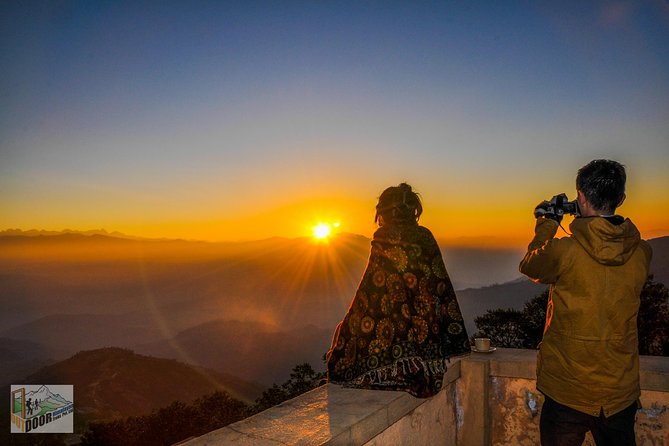
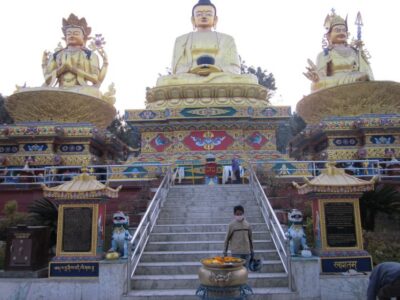
The final stop is Swayambhunath, also known as Monkey Temple. You get around 1 hour, and the tour emphasizes the harmony between Hinduism and Buddhism. On a clear day, you can also wait for a sunset view from the top of the complex.
This is usually the most “wow, I get it now” stop for many people because it ties together the theme of coexistence in Kathmandu Valley. The mix of symbols and the physical climb make it feel like a pilgrimage, even if you’re just visiting.
The drawback is weather dependency. The sunset view is mentioned as a possibility on a clear day, not a guarantee. If the sky turns, you can still enjoy the sights, but you may lose that specific payoff. That’s why your guide’s timing and your willingness to wait a bit matter.
Practical note: “Monkey Temple” is not just a nickname. Expect monkeys in the area and be ready to keep your belongings secure and avoid sudden movements around animals. Your guide can help you read the situation safely.
The guide quality factor: professionalism you can feel in the day
One of the best clues about whether a tour like this will feel smooth comes from the way staff respond to real travelers. Past feedback highlighted Ram and his team for being highly experienced and professional, going beyond the call of duty to keep clients fully catered to. Other feedback pointed to Kathmandu guide Crisna for being knowledgeable and helpful, with Badri recognized in the larger trip planning context.
You don’t need a guide to recite dates. You need someone who can handle on-the-ground decisions: where to go first inside a site, how to manage the pace between stops, and how to answer your specific questions without turning the day into a lecture.
So if you like tours where someone actually pays attention to your questions, this operator’s guide track record is a good sign.
What to plan for: tickets, meals, and respectful visiting
Even with a private guide and transport, you still need to handle a few basics:
- Food: lunch and drinks aren’t included. Build your day around breaks near shops or plan a meal stop on your own. Boudhanath’s terrace restaurant note is a handy lead.
- Admission tickets: the itinerary lists admission not included at the stops. That means you should budget for any entry fees you choose to pay.
- Time pressure: around an hour per stop means you’ll want to decide what matters most to you in each location. If you’re fascinated by architecture, you’ll want to prioritize photos and close looks early. If ritual observation is your focus, keep some time for quiet watching.
- Weather: the tour requires good weather. If weather is poor, you’ll need alternate planning or a refund option.
- Documents: a valid current passport is required on the day of travel, so don’t leave it in your desk back in town.
Also remember this is described as a tour where most people can participate. Still, you’ll be doing walking, stairs, and uneven ground around temple complexes. Comfortable shoes are not optional.
Who this tour suits best
This private 4-site day tour fits best if:
- you’re on your first visit to Kathmandu Valley and want a high-impact overview in one day
- you like learning from a guide who can tailor explanations to your interests
- you want a structured itinerary with comfortable transport and pickup near Thamel
- you’re comfortable with a spiritually intense stop like Pashupatinath, including viewing a live cremation process as part of Hindu tradition (as noted in the tour outline)
It may not suit you as well if:
- you want hours at each location with minimal time pressure
- you dislike time-bound museum/temple visits
- you need a long lunch break, because meals aren’t included and the day is designed around site windows
Should you book this 4 UNESCO Kathmandu private tour?
I’d book it if you want an efficient first look at four major UNESCO landmarks with a guide and private transport handling the hard parts. The value isn’t just the number of sites—it’s the pacing, the pickup/drop-off convenience, the air-conditioned transfers, and the fact that you’ll get context for what you see rather than just photos.
I’d think twice if you’re a slow traveler who hates 1-hour caps at major sights, or if you’re planning around a tight schedule where weather could disrupt the sunset promise at Swayambhunath. If you do go, go ready to make choices quickly at each stop: learn first, then look longer where it matters to you.
If your goal is to get your bearings fast in Kathmandu Valley while respecting the spiritual weight of the places, this is one of the most straightforward ways to do it.
FAQ
What UNESCO World Heritage sites are included in this private day trip?
The tour includes four UNESCO-listed attractions: Pashupatinath Temple, Boudhanath Stupa, Swayambhunath, and Patan Museum / Patan’s Durbar Square area.
How long is the tour?
The duration is listed as 5 to 7 hours approximately, with transfer times that can vary depending on the time of day and traffic.
Is hotel pickup and drop-off included?
Yes. The tour offers pickup and drop-off, and the meeting point is at Outdoor Himalayan Treks on Thamel Marg in Kathmandu.
Are admission tickets included?
No. The itinerary notes admission tickets are not included for the listed stops.
Is this tour private or shared?
It’s a private tour/activity, meaning only your group participates.
Is the tour dependent on weather?
Yes. The additional info states that the tour requires good weather, and if it’s canceled due to poor weather you’ll be offered a different date or a full refund.