REVIEW · KATHMANDU
Half day cooking class in Thamel kathmandu
Book on Viator →Operated by Nepal Cooking School · Bookable on Viator
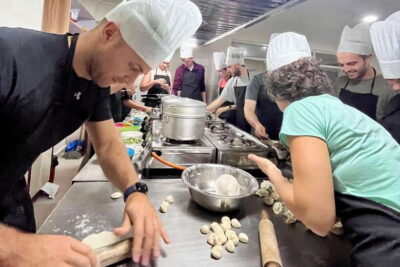
Your hands will learn Nepal faster than any tour. In this small group class (max 8), you cook from scratch with a step-by-step chef, and you’ll get fresh momos plus other Nepali dishes you can adjust for heat. Two things I really like are the three menu choices (so you can aim for the dishes you want) and the hands-on pacing where you cook one course, then eat it hot. One drawback to note: the market stop and the kitchen approach can be a time and stair workout.
You’ll meet at the Divine Kathmandu Hotel area in Thamel (and the activity returns back there). Timing is flexible with three daily shifts: morning (9:00 am to 12:30 pm), afternoon (1:30 pm to 4 pm), and evening (4:30 pm to 8 pm). Expect about 2.5 hours of class time, and plan to eat well since the experience includes food, coffee or tea, and snacks (alcohol isn’t included).
In This Review
- Key highlights you’ll feel right away
- Why this Thamel cooking class beats dinner out
- Menus, momos, and the dishes you choose
- How the timing works across the three daily shifts
- The Thamel market stop: spices, shopping time, and getting around
- What you’ll learn step-by-step (and what to practice at home)
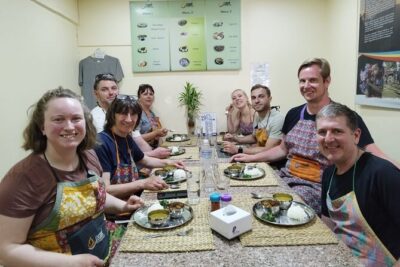
- What you actually eat: fresh, hot, and a lot of it
- Group size, English support, and the feel of the kitchen
- Price and value: is $28 a good deal here?
- Who should book this class in Kathmandu
- Should you book the half-day Thamel cooking class?
- FAQ
- How long is the half-day cooking class in Thamel?
- What time options are offered each day?
- Where does the class start and end?
- Is pickup offered?
- How many people are in the group?
- What dishes do you cook?
- What is included in the price?
- Can I cancel for free?
- Is cooking experience required?
Key highlights you’ll feel right away
- Hands-on cooking, not a demo: you cook, then you eat your own dishes while they’re hot
- Three menus with 4 dishes each: choose what you want to learn, and plan for variety in every shift
- Momo is guaranteed: no one misses out on dumpling time
- You control spice levels: love chili, go for it; don’t like heat, hold back
- Small group format (up to 8): more attention, easier questions, and a calmer rhythm
- Friendly instruction with real participation: people describe clear steps and lots of encouragement
Why this Thamel cooking class beats dinner out
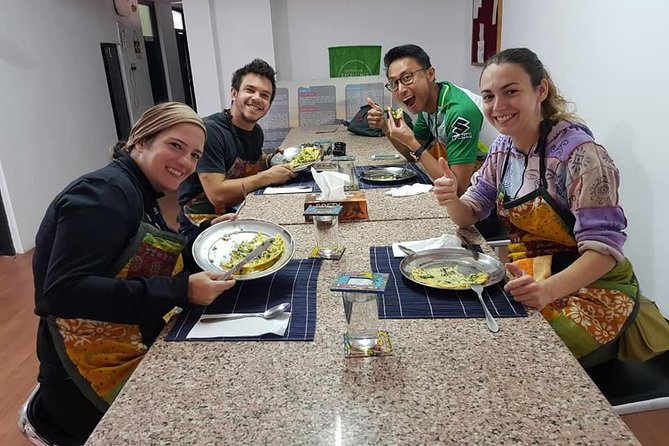
If you’ve eaten Nepali food in a restaurant, you’ve had the results. This class teaches you the process. The big win is that you don’t just watch. You work through ingredient choices, prep steps, and techniques, then sit down and taste while the food is fresh.
That matters in Nepal, where flavors often hinge on small choices: which spice blend to use, how long to cook an aromatics base, and how you balance salt, sour, and heat. After this, you’ll have a more grounded sense of what makes a dish taste Nepali, not just what it looks like on a plate.
I also like that the class is built to be approachable. You do start from scratch, including how to pick ingredients. And even if you’re not a confident cook, the structure is designed so you can succeed without prior experience.
You can also read our reviews of more cooking classes in Kathmandu
Menus, momos, and the dishes you choose
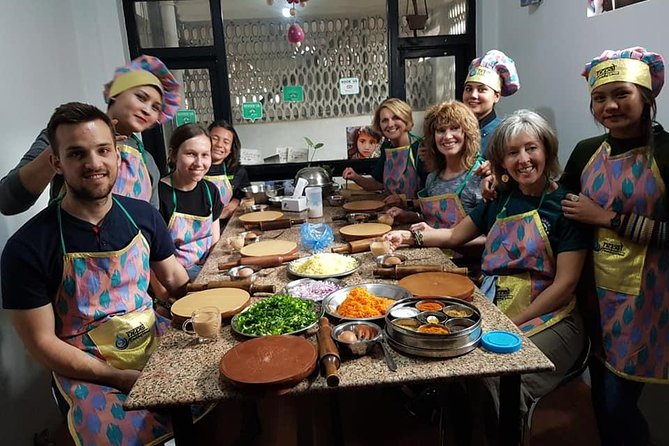
You get to pick from three different menus, and each menu includes four traditional Nepali dishes. That’s a smart setup for value: you’re not paying to sample one tiny item. You’re learning a mini set of skills and flavors, and you’re eating along the way.
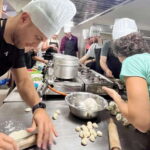
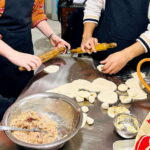
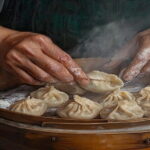
Momos are a focal point. The class is explicit that momos are included on each menu plan. If your main goal is dumplings, you can plan around that without guessing. One participant described doing chocolate momos too, which tells you the menu options can be playful while staying Nepali.
Other dishes you may run into depending on your menu selection include items like a chapata egg roll (where you make the dough yourself) and savory mains paired with daal. In other words, you’re not stuck with the same formula every time.
A helpful detail: you cook and then eat each course. If you like experimenting, you’ll get quick feedback. If you prefer consistency, you’ll learn what to repeat next time.
How the timing works across the three daily shifts
This is one of those experiences that fits messy travel schedules. You have three shifts:
- Morning: 9:00 am to 12:30 pm
- Afternoon: 1:30 pm to 4 pm
- Evening: 4:30 pm to 8 pm
The class duration is listed at about 2 hours 30 minutes, so you’re getting a serious block of instruction without losing an entire day.
What changes by shift is the vibe and the meals included. The inclusions list lists breakfast and dinner options in addition to coffee or tea and snacks. So treat the package as food-forward rather than just a cooking lesson. Come hungry. You’ll leave fed, not peckish.
Also, the evening shift gets extra social energy. One review mentions a quick dance lesson as a fun closer. If you like ending on a smile, the evening run may be your best bet.
The Thamel market stop: spices, shopping time, and getting around
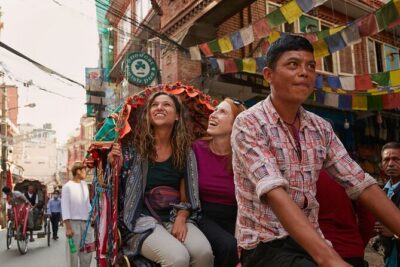
Most cooking classes stop at the kitchen door. This one starts earlier in Thamel, and several reviews describe a market or spice shopping component. In practice, that’s a big part of what makes the class feel authentic: you learn what to look for and why.
You’ll also get context for spices, since the instruction covers how they’re used and how to build flavor. If you’ve ever wondered why a Nepali dish tastes like it does, this is where that answer starts.
One consideration: a couple of people flag that the shopping portion can take time. If you’re on a tight schedule and you hate spending time comparing jars, you might want to keep that in mind.
Another practical note is stairs. One review specifically warns about climbing four flights of stairs to reach the kitchen area. That’s not the kind of detail you want to discover mid-trip. If stairs are a challenge for you, plan for breaks, take it slow, and consider whether you’ll manage that part comfortably.
What you’ll learn step-by-step (and what to practice at home)
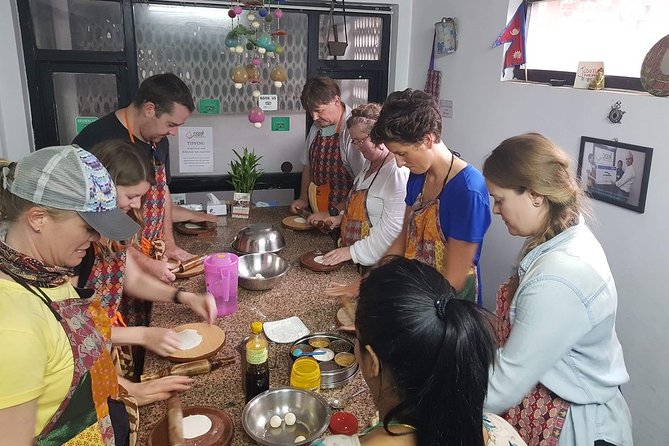
The class is structured so you build skills in the order that makes sense. You start from ingredient selection—how to choose what you need—then you move through prep and cooking techniques. The instruction includes “complicated techniques” like making momos, which means you’re not just doing simple chopping.
The most useful learning is how flexible the food can be. You’ll cook with the ability to add as much or as little of individual ingredients. That means your plate can match your taste profile, not just the chef’s.
A few practical takeaways that you can use later:
- You learn how spices function as the foundation, not just the finishing sprinkle
- You see how dough and filling techniques connect for dumplings
- You practice balancing flavors, especially when working with daal and curries
- You get repeatable steps, because you’re doing each part, not only watching
If you’re a foodie, you’ll likely enjoy the science-meets-tradition feeling. If you’re a beginner, you’ll enjoy the clear order of operations and the chance to redo small steps until it makes sense.
And if you have dietary needs, ask ahead. At least one participant reports the menu was modified for gluten-free. That suggests the team may be willing to adapt, but you should confirm specifics with the operator before you go.
You can also read our reviews of more tours and experiences in Kathmandu

What you actually eat: fresh, hot, and a lot of it
One promise you should take seriously is timing: you cook one course, then eat it. That keeps food hot and helps you learn what each step affects. If your goal is to learn by tasting, this setup is perfect.
Included items also make the overall experience feel like a full meal event. You’re getting coffee or tea, snacks, and meals listed as part of the package (breakfast and dinner are both listed as included, plus the lunch cooking course). You’re also eating the dishes you cook—typically four per menu.
Alcohol is not included, so if you like pairing with drinks, plan to handle that separately.
Portion size is hard to predict in a short class, but the “come hungry, lots of food” message matches what the class is designed to do. In other words, you shouldn’t plan to find dinner elsewhere afterward unless you’re especially adventurous with snacks.
Group size, English support, and the feel of the kitchen
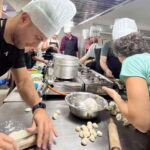
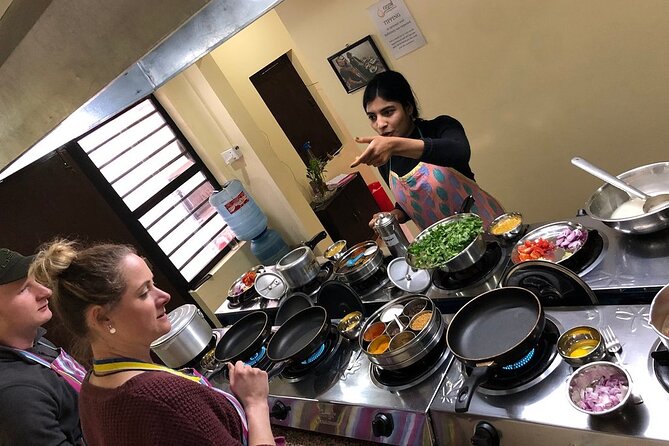
With a maximum of 8 travelers, you avoid the usual cooking class problem: waiting your turn. Smaller groups usually mean more attention for questions and fewer moments where you’re stuck watching someone else handle the tricky parts.
Many reviews mention the instructors and assistants being friendly, with clear instructions and good English. That combination matters. Food classes can be fun even when the language is shaky, but when you’re learning momos or dough prep, clarity is what helps you succeed.
If you want names to watch for, reviews mention instructors such as Nilam and Anshu leading classes. Even if you get a different teacher, the teaching style appears consistent: step-by-step guidance, encouragement, and a focus on making sure your dumplings actually work.
Price and value: is $28 a good deal here?
At $28 per person, this is priced like a practical Kathmandu activity, not a luxury cooking weekend. The real value comes from three things you’d otherwise pay for separately:
- A structured lesson that teaches techniques from scratch
- A built-in meal with coffee or tea and snacks
- Multiple dishes from a selected menu (often four dishes), including momos
You’re also getting time with instructors and a small group setting, which usually costs extra in larger workshops.
One more value point: customization. When the class allows you to adjust how much ingredient to use, you’re not just consuming a fixed outcome. You’re learning a flexible method that can transfer back home.
If you’re deciding between this and another food-focused tour, consider your goal. If you want hands-on skills and repeatable recipes, this offers more long-term payoff than eating your way through one neighborhood.
Who should book this class in Kathmandu
This is a strong fit if:
- You want a fun, family-friendly activity
- You don’t want to rely on restaurant eating alone
- You’re excited about Nepalese food basics like spices and daal
- You want to learn momos in a guided way
- You prefer small groups and clear instruction
It might be less ideal if:
- Stairs are an issue for you (there are reports of climbing multiple flights)
- You dislike market stops and shopping time
- You only want one dish and would rather spend less time cooking
If you’re traveling with kids, the format is built for participation. Some reviews also describe the experience as parent friendly, which is a good sign if you’re trying to keep everyone happy in Kathmandu.
Should you book the half-day Thamel cooking class?
My take: yes, it’s worth booking if your idea of a great Kathmandu day includes eating well and learning how the food actually gets made. The hands-on structure, the guaranteed momo element, the small group size, and the multiple dishes per menu all point to a high payoff per hour.
Book it especially if you’re a foodie, a curious cook, or you want something you can repeat at home. You’ll come away with more than recipes. You’ll have a clearer feel for Nepali flavors and how to control them.
If your travel style is strictly low-effort and you can’t handle stairs or market detours, choose a shift that fits your energy level, and consider asking about alternatives for the kitchen access.
If you tell me your dietary preferences and which shift you’re considering (morning, afternoon, or evening), I can help you pick the best timing and what to ask before you go.
FAQ
How long is the half-day cooking class in Thamel?
The experience runs for about 2 hours 30 minutes (approx.), with three daily shifts available.
What time options are offered each day?
You can choose the morning shift (9:00 am to 12:30 pm), afternoon shift (1:30 pm to 4 pm), or evening shift (4:30 pm to 8 pm).
Where does the class start and end?
The meeting point is the Divine Kathmandu Hotel area in Thamel. The activity ends back at the same meeting point.
Is pickup offered?
Yes, pickup is offered. The experience also lists a mobile ticket.
How many people are in the group?
The maximum group size is 8 travelers.
What dishes do you cook?
There are three different menus, and each menu includes four traditional Nepali dishes. Momos are included on each menu.
What is included in the price?
A meal and beverages are included. The listed inclusions include a lunch cooking course, breakfast, coffee and/or tea, snacks, and dinner. Alcoholic beverages are not included.
Can I cancel for free?
Yes. You can cancel for a full refund if you cancel up to 24 hours in advance of the experience’s start time.
Is cooking experience required?
No. The experience is designed so you can join without cooking experience.