REVIEW · KATHMANDU
Everest Base Camp Trek – 14 Days
Book on Viator →Operated by Ace the Himalaya · Bookable on Viator
Altitudes and logistics move together on this trek. What makes it interesting is the way you combine a classic Everest route with small-group attention and emergency-ready guidance, then finish with that hard-earned feeling of reaching the Base Camp area.
What I like most is that you’re not doing this as a chaotic crowd. You hike with a first-aid trained, government licensed guide and a porter setup that helps you stay focused on the trail. One real consideration: this is serious altitude work, and the flights can reroute in peak seasons, so you’ll want flexible expectations on timing and energy.
You start with a night in Kathmandu, fly into the Khumbu area, then climb in stages that actually respect acclimatization. Each day has a job: warm up, adjust, climb, then hit the big payoff at Everest Base Camp and Kala Pattar before easing back down.
In This Review
- Quick hit checklist: what to expect (and what matters)
- Kathmandu first: a simple setup that reduces early stress
- From Kathmandu toward Lukla: the flight you should treat as flexible
- Day on the Dudh Koshi trail: prayer-flag bridges and your first big climb
- Namche Bazaar acclimatization: slow day, big altitude payoff
- Tengboche: monastery time with mountain views in the background
- Dingboche and the higher trail feel: mani stones and bridge crossings
- Dingboche acclimatization hike: training your body for what’s next
- Lobuche: Khumbu Glacier edges and memorials with real weight
- Everest Base Camp day at 5,365 m: the big objective without mountaineering gear
- Kala Pattar: your toughest payoff and a reason many people push
- Descent to Namche: relief that still demands focus
- Final trek to Lukla and the “we made it” calm
- Back to Kathmandu: one last flight, then real meals and real rest
- Price reality check: what you’re paying for, and what you still need to budget
- The guide and porter team: where the experience gets personal
- Meals, water, and small comforts that keep you trekking longer
- It’s not just a view trip: fitness and altitude are the real gatekeepers
- Who should book this Everest Base Camp trek?
- Should you book? My practical take
- FAQ
- Where does the trek start and end?
- How long is the Everest Base Camp trek?
- Is airport pickup included?
- What happens to Lukla flights during peak trekking season?
- Do you get a trekking guide and porters?
- What accommodation is included?
- Are trekking permits included?
- What is the domestic flight luggage allowance?
Quick hit checklist: what to expect (and what matters)
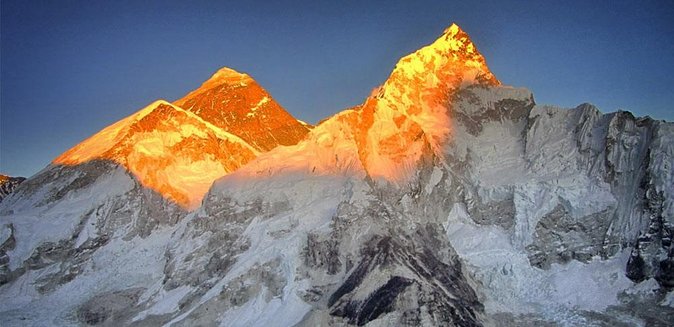
- Maximum 14 travelers keeps things manageable and makes it easier to get personal help on the trail.
- Licensed, first-aid trained guide + emergency evacuation arrangements means safety planning is part of the package, not an afterthought.
- Porter service for 11 days (1 porter for 2 clients) cuts down how much you personally haul uphill.
- Acclimatization days are built in including a Namche rest day and a Dingboche hike up to Nangkartshang Peak.
- Lukla flights may shift to Manthali (Ramechhap) during peak congestion seasons, which affects where you’re flying from.
- Filtered water on the trail (Katadyn Pocket Water Filter) plus guesthouse stays with attached toilets in Lukla, Phakding, and Namche helps you recover.
Kathmandu first: a simple setup that reduces early stress
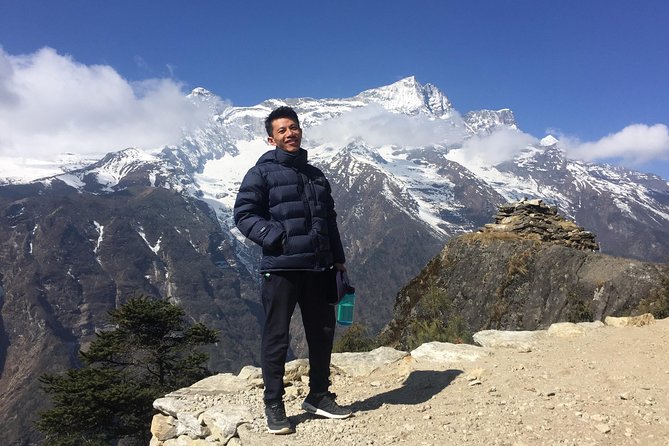
Your trek starts in Kathmandu with airport/hotel transfers by private vehicle. You also get 3-star twin-share accommodation for two nights with breakfast, which is a practical cushion before you jump into the high country.
This first phase matters more than it sounds. After international travel, you want sleep, food, and a smooth briefing. Your crew meets you at Tribhuvan International Airport, and everything is organized so you don’t spend your first day in Nepal asking where to go and what to do next.
You can also read our reviews of more hiking tours in Kathmandu
From Kathmandu toward Lukla: the flight you should treat as flexible
You fly domestically as part of the tour, and it’s covered in the price (Kathmandu–Lukla–Kathmandu airfare plus airport departure tax). In peak trekking months (March, April, May, October, and similar busy windows), Lukla flights can shift to Manthali Airport in the Ramechhap district due to heavy congestion.
That’s not just a schedule note; it’s energy math. A different departure airport can mean a longer day of transfers and waiting, and you’ll feel it if you’re already tired from travel. If you’re planning a tight connection to/from Nepal, build in breathing room.
Day on the Dudh Koshi trail: prayer-flag bridges and your first big climb
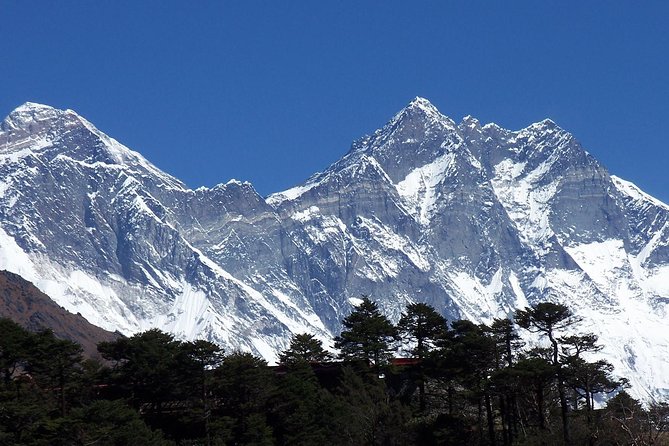
Once you’re in the trek rhythm, you’ll follow the Dudh Koshi river and cross suspension bridges that are strung with prayer flags. You’ll enter Sagarmatha National Park early, which is your first clue you’re not just hiking near Everest—you’re hiking inside the protected system around it.
On a practical level, Day 3 is about steady effort. You’re moving through remote valleys, and the scenery comes with a dose of repetition: bridges, bends in the river, and that long Khumbu-style walking cadence. If you go too hard at the start, you’ll pay later.
Namche Bazaar acclimatization: slow day, big altitude payoff
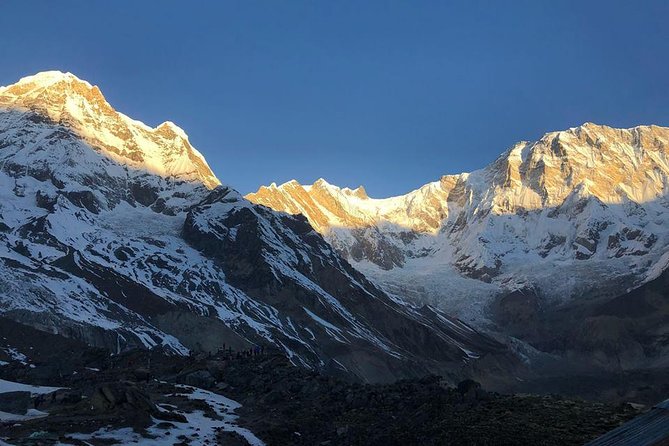
In Namche Bazaar, you’ll take a day to acclimatize and adjust to thinning air. You also get a museum stop focused on Sherpa traditions and customs, which is a great way to understand what you’re seeing rather than just passing through.
If you’re wondering why tours insist on these “slow” days, this is it: altitude doesn’t negotiate. That rest day helps your body catch up so later climbs feel more like work and less like a panic response. I also like that the day has structure, so you’re not stuck guessing what to do.
Tengboche: monastery time with mountain views in the background
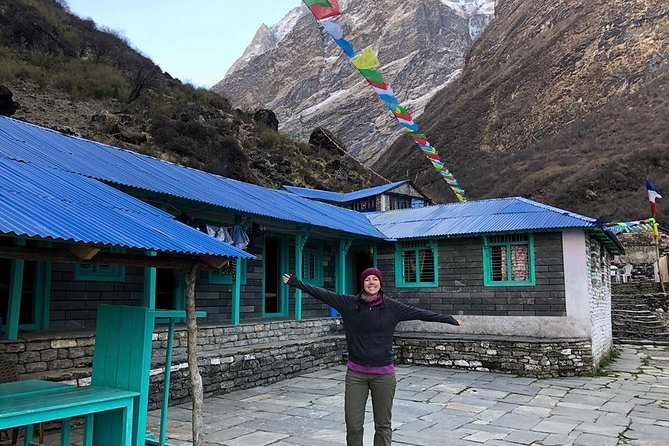
Your trek continues to Tengboche at around 3,860 meters. The highlight here is Tengboche Gompa, where you’ll find incense, prayer, and a lived-in spiritual center inside the daily hiking loop.
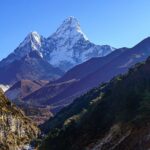
Tengboche is also a good moment to think about pacing. You’re higher now, and cold can feel sharper. The day’s value is not only the monastery visit—it’s the way the trail shifts from river valleys toward classic Everest-region mountain angles.
Potential drawback: even when conditions are good, weather can change fast at altitude. If cloud cover rolls in, you may miss some of the strongest views. Still, you get culture and a meaningful checkpoint.
Dingboche and the higher trail feel: mani stones and bridge crossings
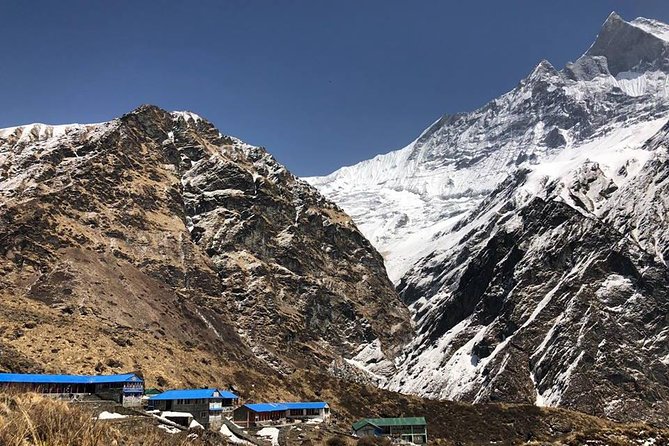
From Tengboche, you move through places like Debuche and Pangboche, climbing past thousands of mani stones. You cross another suspension bridge on the Imja Khola, then head toward Dingboche.
This segment is where the trail starts to feel more “high altitude trekking” and less “just hiking.” Your breathing will likely change. Your legs will too. The route is scenic, but your main job is to keep effort controlled and consistent.
Dingboche acclimatization hike: training your body for what’s next
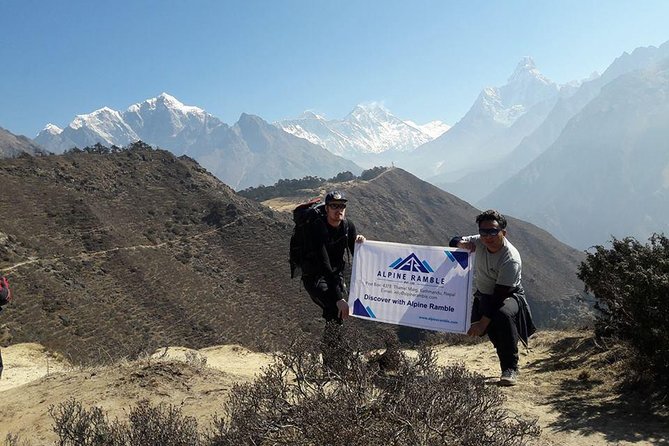
Day 7 is planned as an acclimatization day with no progress toward Base Camp. Instead, you hike to Nangkartshang Peak just above Dingboche for views and a chance to let your body adapt.
This is smart design. It gives you the benefits of movement without the stress of gaining ground toward Everest Base Camp too quickly. If you’ve ever pushed too hard on Day 1 of a trek, this kind of built-in check is exactly what prevents that mistake from snowballing.
Lobuche: Khumbu Glacier edges and memorials with real weight
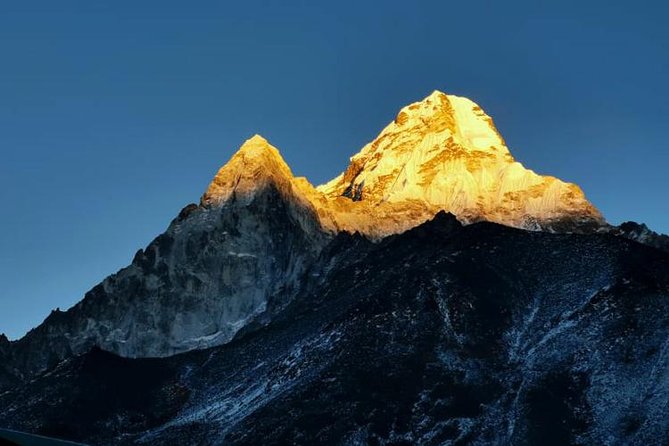
You continue toward Lobuche along the lateral moraine of the Khumbu Glacier. Along the way you pass stone memorials for climbers who’ve perished on nearby summits.
This day often hits differently. You’re surrounded by dramatic terrain, but the memorials remind you this area comes with risk. It’s one of those reminders that makes the safety focus in this tour feel less like a brochure line.
Everest Base Camp day at 5,365 m: the big objective without mountaineering gear
This is the big and difficult day walk along the Khumbu Glacier to Everest Base Camp at 5,365 meters, described as the closest you can get to Mt. Everest without mountaineering equipment. During spring, you’re likely to see more activity around the region.
In practical terms, this is where you’ll feel the cumulative climb. Even if you’ve been pacing well, the altitude and the length of the walk demand respect. The reward is being in the Base Camp area itself, not just looking at it from far away.
Kala Pattar: your toughest payoff and a reason many people push
Kala Pattar is one of the toughest days of the trek at 5,555 meters. Most of the morning is spent climbing it, and the view is the main reason people plan for this extra burn.
If you tend to feel impatient when you’re tired, plan for this: the final push tends to be as much mental as physical. Bring your “small steps, steady breathing” mindset. When you finally reach the higher point, you’ll understand why this is often treated as the trek’s emotional highlight.
Descent to Namche: relief that still demands focus
After Kala Pattar, you’ll leave the mountains behind through Pangboche and Tengboche, continuing on down to Namche Bazaar. This is technically a descent, but don’t treat it as a vacation day.
Downhill can be brutal on knees and ankles, especially if you’re tired and the path is uneven. The good part: you get back to Namche in the afternoon, which is exactly the kind of payoff you want after a demanding start-to-finish week.
Final trek to Lukla and the “we made it” calm
You return to Lukla, where the trek began. There’s time to reflect as a group on the achievement of reaching Base Camp-area altitudes and finishing the route.
Even if you don’t think of yourself as sentimental, this is where the trek turns quiet. The mountains are still there, but your body starts shifting from survival mode to “what just happened?” mode. I find that helps you remember the right details later: the pace, the people, and the small choices that kept you moving.
Back to Kathmandu: one last flight, then real meals and real rest
On the flight from the Everest region back to Kathmandu, it’s a short scenic sector (about 35 minutes). Then you’re met and transferred within Kathmandu, and your trek ends back at Tribhuvan International Airport for departure.
Day 14 is essentially closure. If you can, schedule your next travel segment with buffer time, because altitude can still leave you feeling a bit off even after you’re back at lower elevations.
Price reality check: what you’re paying for, and what you still need to budget
The price is $1,800 per person, and it’s based on two people booking together (single travelers can face a $250 single surcharge if there’s no existing group to share accommodation).
So is it worth it? Here’s what you’re buying with this package:
- Domestic flights Kathmandu–Lukla–Kathmandu (and related departure tax)
- Trekking guide who’s first-aid trained and licensed
- Porters for 11 days, with a porter-to-client ratio of 1 porter for 2 clients
- Trekking permits (Everest/Sagarmatha National Park entry plus Pasang Lhamu Rural Municipality fee)
- Accommodation: 3-star twin-share in Kathmandu plus trail guesthouse stays
- Meals: standard meals during the trek (breakfast, lunch, dinner) and breakfasts in Kathmandu
You still need to plan for what’s explicitly not included: lunches and dinners in Kathmandu, international airfare, Nepal visa (arrives on arrival), drinks, personal trekking equipment, and tips for guide and porter. Also note that travel insurance covering emergency high-altitude rescue and evacuation is not included, and that part is not optional thinking at Everest altitude.
One small planning rule I’d use: budget tips early in your mental math. Tipping is expected, and when you treat it like a line item instead of an afterthought, everything feels smoother.
The guide and porter team: where the experience gets personal
This trek sells “small group” and it delivers that in the way you’re supported daily. With maximum 14 travelers, you get more consistent attention than bigger caravans, especially when the trail narrows or the weather shifts.
The guide component is also central. Past experiences tied to this company highlight guides like Kishor and Maddy for strong safety focus and local knowledge, with names such as Rajendra Khatry also showing up in feedback. You’ll also see repeated praise for porters including Saman, Sher, and Shaman, described as hardworking, funny, and constantly checking in.
I like how the tour frames this: the job of the guide is not just pointing the way. It’s handling decisions in tricky conditions and keeping you moving with the right pace. And the porter setup means you’re not spending your limited energy hauling your own luggage up the mountain.
Meals, water, and small comforts that keep you trekking longer
You’ll have most meals included on trail (breakfast, lunch, dinner) plus filtered water. The filtered water is handled with a Katadyn Pocket Water Filter, which is a big deal because you’re trying to stay hydrated while walking for hours.
Seasonal fruits during the trek and standard guesthouse meals help you recover between long days. You won’t be eating like a five-star restaurant, but the plan is built for hiking: enough calories, enough regularity, and less stress over basic logistics.
Guesthouse details matter too. Accommodation is twin-share with attached toilets in Lukla, Phakding, and Namche, which helps after long walking days. For the higher villages, the description doesn’t promise the same level everywhere, so mentally prepare for more variation.
It’s not just a view trip: fitness and altitude are the real gatekeepers
The tour is listed for travelers with moderate physical fitness. That sounds reassuring, but Everest Base Camp is still a demanding route. You’re walking days in a row at elevation, and the hardest part is often not muscle strength—it’s how your body handles reduced oxygen.
If you’re prone to rushing, try to slow down before the trek forces it. The acclimatization design (Namche rest day, Dingboche hike without pushing for Base Camp) is there to help you stay in the safer rhythm. Use it as an instruction manual for your own effort.
Who should book this Everest Base Camp trek?
This is a strong match if you want:
- A small-group experience that doesn’t feel like a herd
- Guide-led safety with first-aid training and emergency medical evacuation arrangements
- Porter help so you can focus on hiking and altitude management
- A classic route that includes key culture stops like Tengboche Gompa and a Sherpa-focused museum day
You might look elsewhere if you’re chasing a completely DIY, ultra-flexible experience. This package is structured, with flights, meals, and hiking days organized to reduce uncertainty.
Should you book? My practical take
If you want the Everest Base Camp experience without having to solve the logistics yourself, this trek is a solid choice. The value comes from what’s included: flights, permits, guide, porters, guesthouses, and most meals, plus practical hydration support via the Katadyn filter.
Book it if you’re willing to respect acclimatization and walk steadily. If you hate surprises and tight scheduling, note the possible Lukla-to-Manthali flight shift in peak seasons, and plan your overall Nepal days with buffer time.
Finally, think of this as a team effort: the guide and porter relationship is the difference between getting through the climb calmly and getting through it with stress. Based on the names and roles that repeatedly show up in feedback, that support is the whole point.
FAQ
Where does the trek start and end?
The tour starts at Tribhuvan Airport in Kathmandu, Nepal, and it ends back at the same meeting point.
How long is the Everest Base Camp trek?
The duration is 14 days approximately.
Is airport pickup included?
Yes. Airport and hotel transfers are included in a private tourist vehicle.
What happens to Lukla flights during peak trekking season?
Lukla flights may shift to Manthali Airport in the Ramechhap district due to heavy traffic congestion in Kathmandu airport during peak trekking seasons.
Do you get a trekking guide and porters?
Yes. The tour includes a first-aid trained, government licensed English-speaking trekking guide, plus porter service for 11 days (1 porter for 2 clients).
What accommodation is included?
You get 3-star twin-share accommodation in Kathmandu for 2 nights (with breakfast), plus twin-sharing guesthouse accommodation on the trail. Attached toilets are listed for Lukla, Phakding, and Namche.
Are trekking permits included?
Yes. The Everest/Sagarmatha National Park entry permit and Pasang Lhamu Rural Municipality fee are included.
What is the domestic flight luggage allowance?
The domestic flight luggage allowance is 15 kg.