REVIEW · KATHMANDU
Kathmandu: Private City Guided Tour
Book on GetYourGuide →Operated by Green Valley Nepal Treks & Research · Bookable on GetYourGuide
Kathmandu can feel big and confusing fast. This private loop of UNESCO sites turns that first day stress into a clear route and real context.
I especially like how the tour brings religion to life at Swayambhunath and Pashupatinath, with guides such as Kapil (and also Saru or Shanti on other days) explaining what you’re looking at without turning it into a lecture. I also love the pace control: you get a full circuit in about 6 hours, and the best guides keep it efficient without feeling rushed, even when you want extra time at a temple.
One thing to plan for: monument entry fees are not included (NPR 2700 per person, about US$22), and those tickets must be bought on the spot—so you’ll want some cash ready.
In This Review
- Key Points Worth Noting
- A Private Greatest-Hits Route Through Kathmandu Valley
- Start Smooth: Pickup Choices and How the Car Fits the Day
- Swayambhunath / Monkey Temple: The Hilltop That Explains the Valley
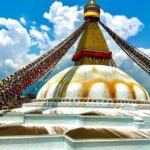
- Boudhanath Stupa: One of the World’s Big Buddhist Landmarks
- Pashupatinath Temple: Shiva, Gold Roofs, and the Bagmati River Reality
- Patan Durbar Square: Newari Architecture and the 21 Golden Pinnacles
- The Everest View Hotel Stop: Why It’s Worth Including
- What It Feels Like: Timing That Doesn’t Rush You
- Price and Value: What $40 Covers, and What You Should Budget
- What to Bring and How to Prepare
- Who This Tour Is For (and Who It Isn’t)
- Should You Book This Kathmandu Private City Guided Tour?
- FAQ
- FAQ
- How long is the Kathmandu Private City Guided Tour?
- What is the price per person?
- What sites are included?
- Are monument entry fees included in the price?
- Where do pickups and drop-offs happen?
- Is this tour suitable for wheelchair users?
Key Points Worth Noting
Four UNESCO stops in one day so you don’t spend your Kathmandu time stuck in logistics.
Private pickup options from Thamel, Lazimpat, Naya Bazaar, and more for easier start times.
Stupa + cremation contrasts from Buddhist practice at Boudhanath to Hindu ritual at Pashupatinath.
Swayambhunath viewpoint payoff with big Kathmandu Valley views from the Monkey Temple hill.
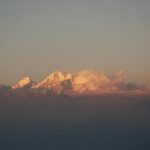
Everest View Hotel stop for a closer look toward the mountain region (weather permitting).
Guides handle ticket basics and often tailor time if you have specific interests.
A Private Greatest-Hits Route Through Kathmandu Valley
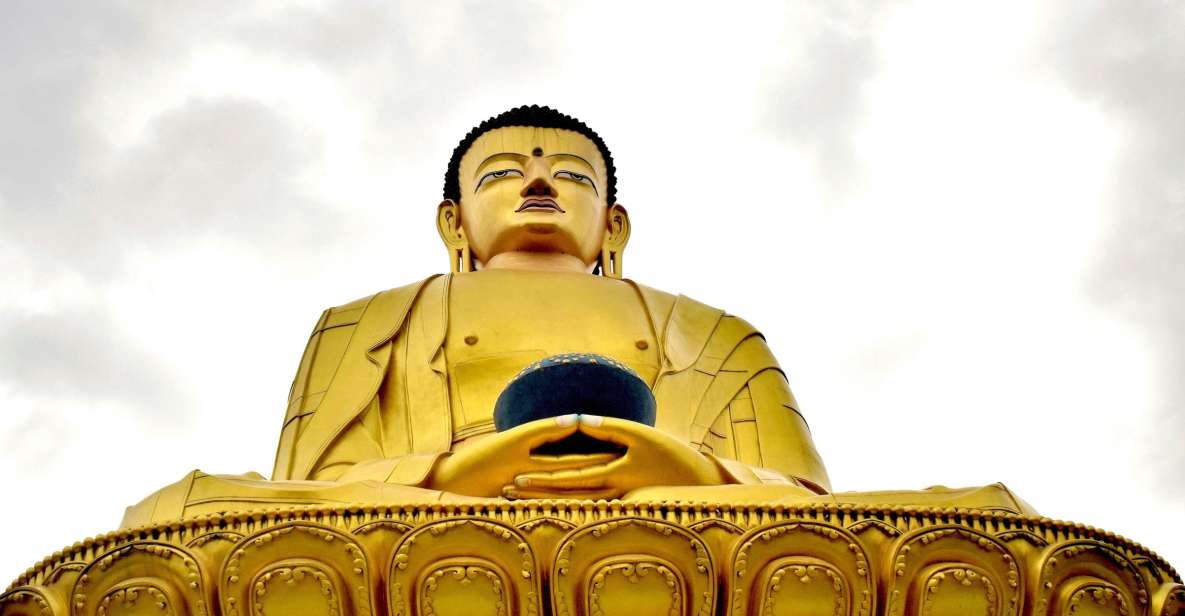
This tour is built for one goal: help you see the key cultural anchors of the Kathmandu Valley in a single afternoon. You’re not wandering randomly. You’re moving between places that define Nepal’s Hindu and Buddhist landscape—temples, monasteries, and stupas—then ending with time to regroup in the middle of the city.
Price-wise, the tour cost is $40 per person for a 6-hour private guided experience with hotel pickup and drop-off and a private car. The value isn’t just the transportation. It’s the human layer: a live guide who can explain the meaning behind the painted eyes at Swayambhunath, why Boudhanath draws Tibetan Buddhists in winter, and what you’re actually seeing when you stand along the Bagmati River at Pashupatinath.
Do note the trade-off. Six hours means you’ll hit highlights, not every alley detail. And because monument entry fees are separate, your all-in budget will be higher once you reach each site.
You can also read our reviews of more guided tours in Kathmandu
Start Smooth: Pickup Choices and How the Car Fits the Day
You get multiple pickup options, including Thamel, Lazimpat, Naya Bazaar, Boudhha, Lalitpur, Kathmandu, and Ekantakuna. That matters because Kathmandu traffic and distance can turn a “quick visit” into an exhausting shuttle. With a private car, you can usually keep the day from spiraling.
Car type can vary by group size—sedan, SUV, or minivan. If you’re traveling as a solo or a couple, you’ll likely be in a small vehicle. If your group is bigger, expect a minivan option.
Practical tip: bring the cash you’ll need for entrance tickets. The tour includes guide support to buy tickets on the spot, but you still need funds in hand.
Also, don’t build your schedule around apps estimating travel time. One review specifically flagged that traffic can be much slower than maps predict, and that matches how Kathmandu tends to work in real life. For your sanity, treat the ride between sites as part of the day’s experience.
Swayambhunath / Monkey Temple: The Hilltop That Explains the Valley
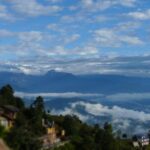
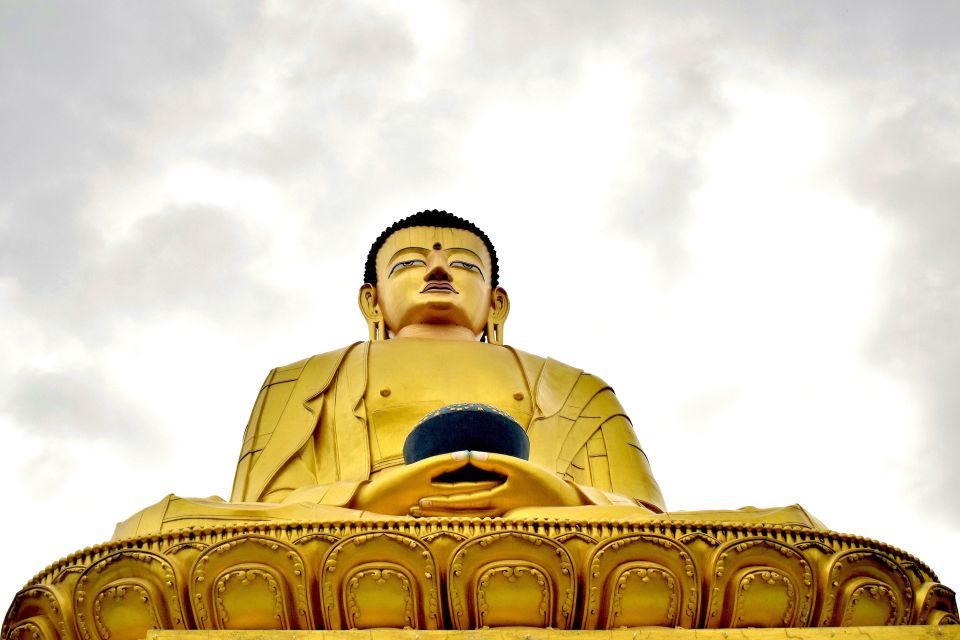
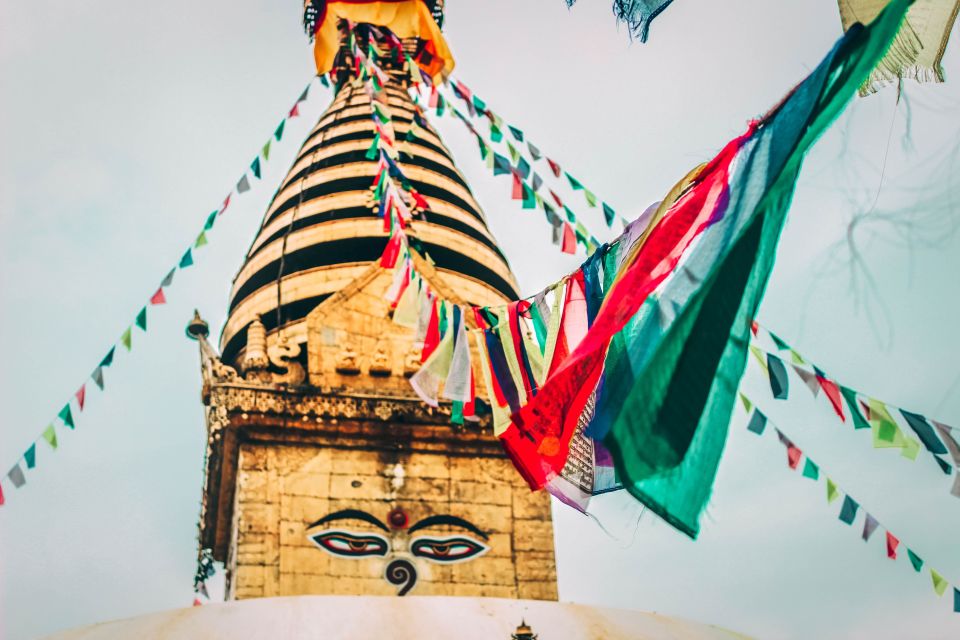
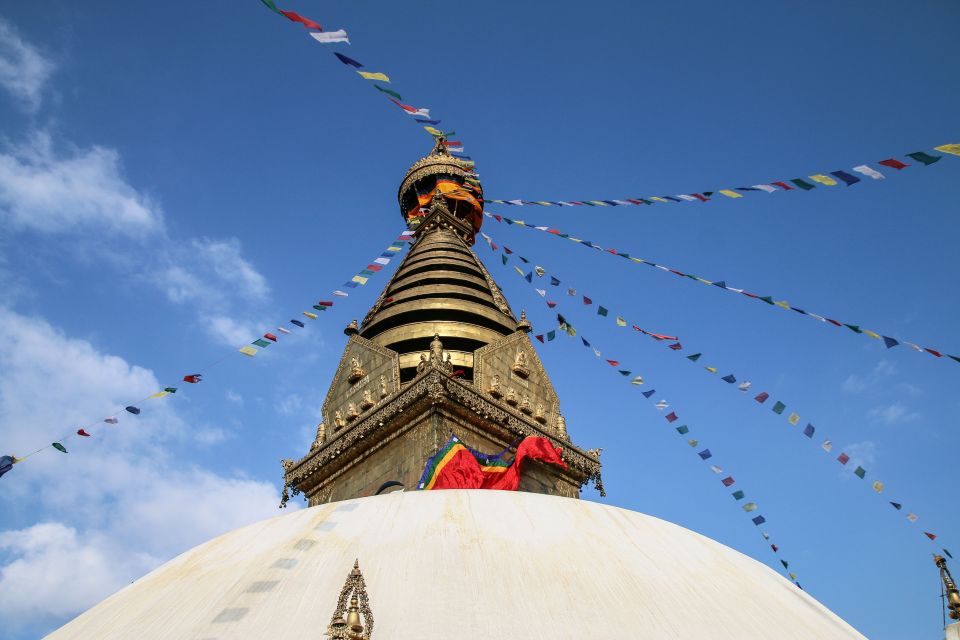
Swayambhunath is a 2500-year-old stupa perched on a hill about 77 m above ground level. That elevation is the first reason it works so well on a short itinerary. From here, Kathmandu Valley starts making sense—streets, neighborhoods, and the sense of living city around the sacred core.
This site is known for the painted eyes on the dome. They’re placed on four sides and symbolize the all-seeing eyes of the Buddha. It’s one of those details you don’t want to miss, because once you know what they’re for, the whole stupa feels less decorative and more symbolic.
What I like about how guides handle this stop is the mix of Buddhism and local worship. Inside the complex you’ll see Buddhist monasteries and additional sacred points, including a temple of Haratima, where both Buddhists and Hindus worship. There’s also mention of short walks from the main site to other places such as the temple of Manjushree and the Anandakuti Bihar area.
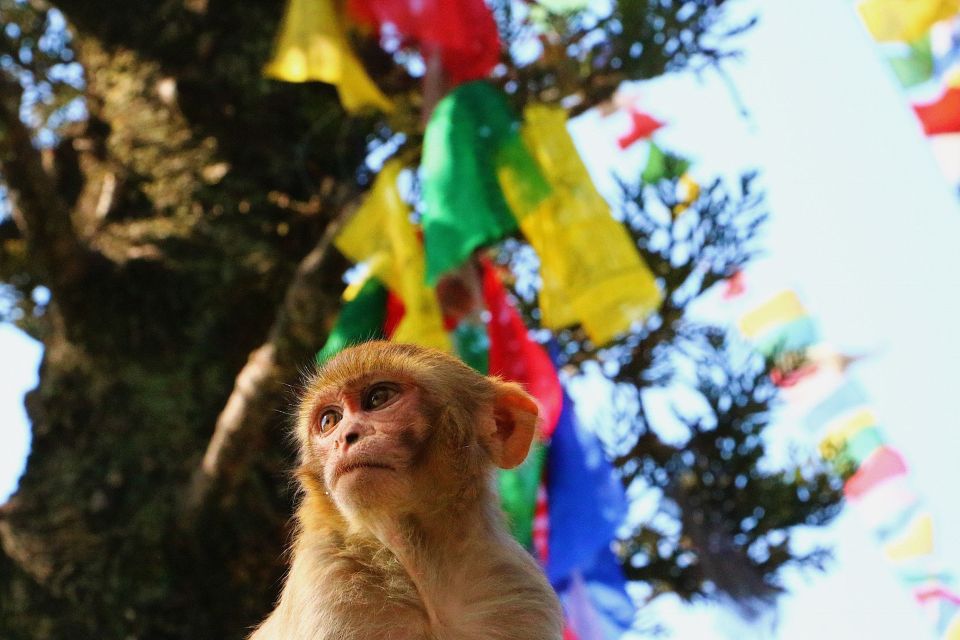
And yes, it’s called Monkey Temple for a reason. The vibe can be lively around the grounds, so wear comfortable shoes and keep an eye on small items if monkeys get curious.
A very useful review-based tip: if you’re sensitive to temple etiquette questions (covering your head, where to stand, when photos are okay), your guide can help you follow local norms without guessing. Even one small request—like staying longer in a particular temple—can be accommodated when the group is private.
Boudhanath Stupa: One of the World’s Big Buddhist Landmarks
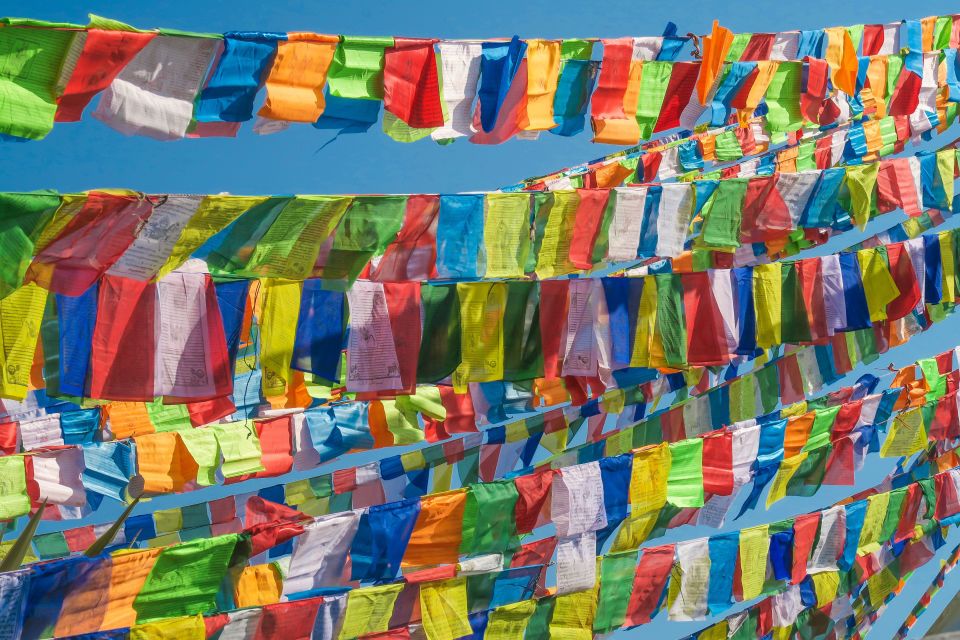
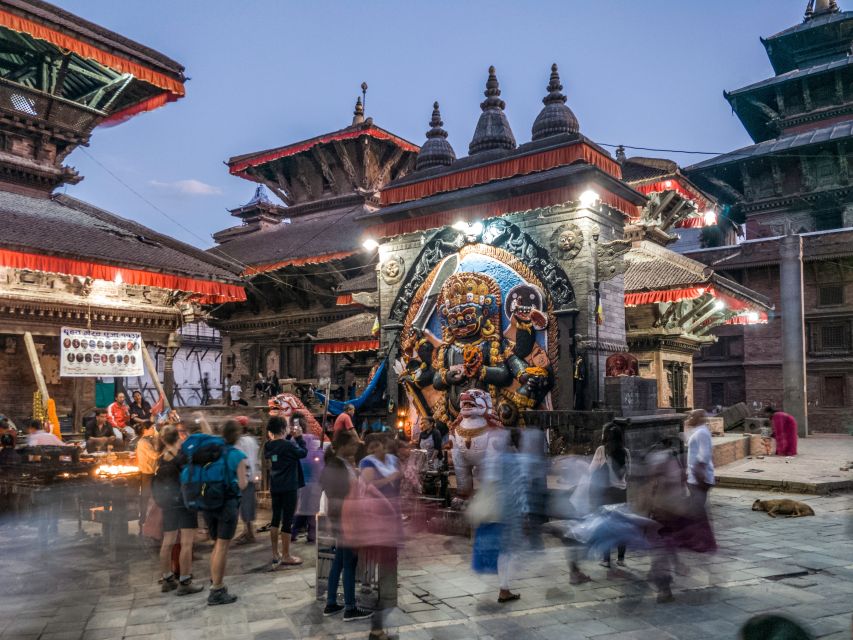
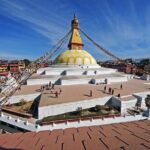
From Swayambhunath, the tour moves toward Boudhanath Stupa, about 6 km east of Kathmandu. Boudhanath is believed to date to the 5th century AD and is described as one of the biggest Buddhist stupas in the world.
This is one of those places where scale changes your perception. Up close, Boudhanath isn’t just a monument. It’s a hub: the stupa is ringed by Buddhist lamas and monasteries, and it’s especially important to Tibetan Buddhists. In winter, Tibetan pilgrims come in large numbers to pay their honor, which gives the stupa a different energy than a quiet weekday stop.
On this tour, Boudhanath also works for photos and for understanding how Buddhism shows up in daily life. You’ll spend enough time here to notice patterns: offerings, constant movement around the perimeter, and the way people treat the area as a living religious space rather than a museum.
You’ll also likely get a break for lunch nearby. Meals and drinks are not included in the tour price, but multiple reviews mention excellent rooftop lunches with views around the stupa. Translation: if you’re hungry, your guide should steer you to a spot that makes the wait worth it.
Pashupatinath Temple: Shiva, Gold Roofs, and the Bagmati River Reality
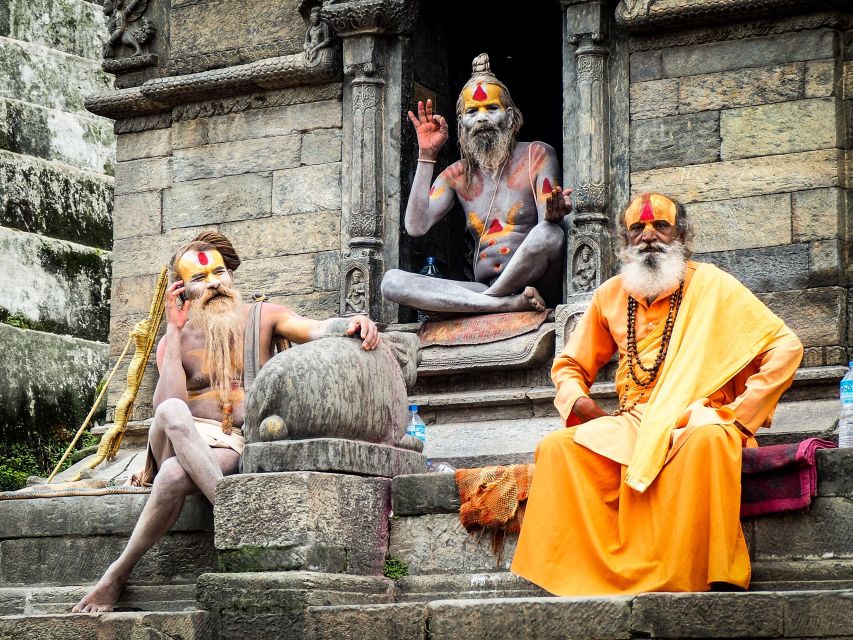
Then comes Pashupatinath, one of the most significant Hindu pilgrimage sites in Nepal. It’s dedicated to Lord Shiva and sits about five kilometers east of Kathmandu on the bank of the Bagmati River.
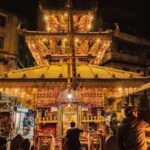
You’ll notice the temple’s distinctive look quickly: it has two golden roofs and four silver doors. This is one of those locations where the architecture tells you power and tradition are the point, not decoration.
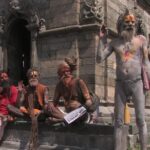
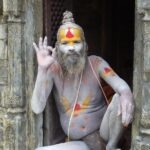
What makes this stop unforgettable—and also what makes it sensitive—is the view along the Bagmati River. You can observe the cremation ritual of Hindus from the banks. That detail is not a casual “cultural flavor” add-on. It’s central to how the site functions, and your guide should warn you about what you might see and what the atmosphere feels like.
One review specifically mentioned that the guide provided masks because the area can be smoky. If you’re planning to spend time close to the river, I strongly suggest you bring a face covering even if you don’t usually use one. It’s also listed in the tour’s bring recommendations, which is a nice reminder to come prepared.
If you’re someone who needs a quick buffer before seeing intense rituals, tell your guide. A private tour makes it easier to slow down, step back, or choose your viewing distance.
You can also read our reviews of more city tours in Kathmandu
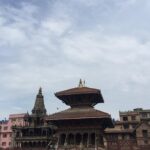
Patan Durbar Square: Newari Architecture and the 21 Golden Pinnacles
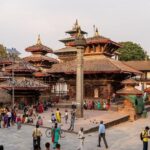
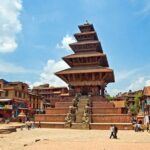
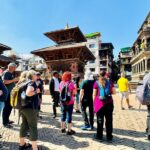
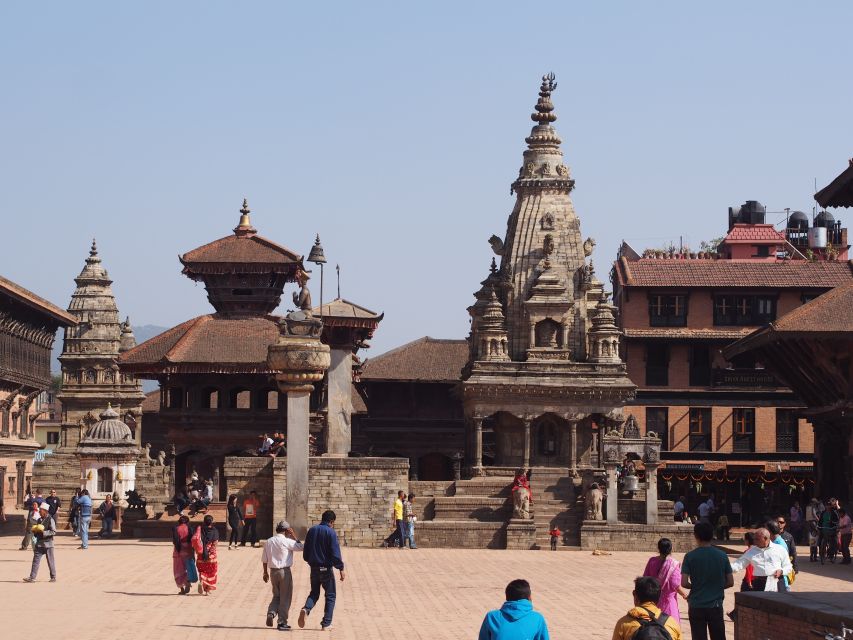
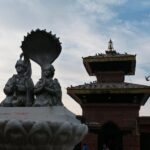
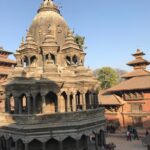
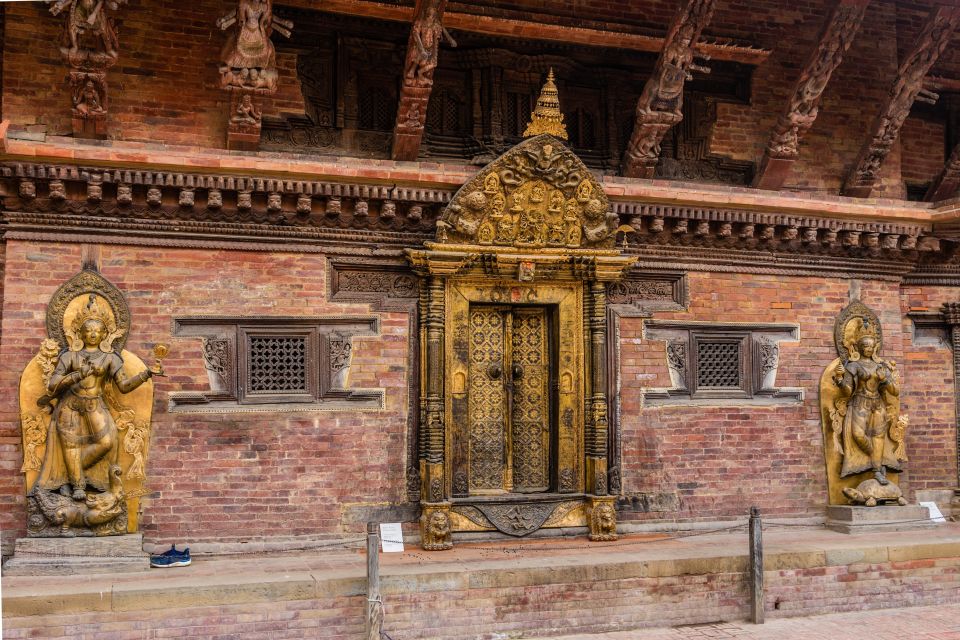
Patan Durbar Square brings you into the Newari architectural world. This UNESCO World Heritage-listed square ties to the former Patan Royal Family and is often described as the most photographed of Kathmandu’s three Durbar Squares. The reason is simple: the details are concentrated and visually clear once you’re standing in the courtyard.
Key sights you’ll encounter include:
- Krishna Temple, famous for its 21 golden pinnacles
- Rudra Varna Mahavihar, a Buddhist monastery that houses local treasures
- Mul Chowk, the central courtyard area
This stop is where the day starts to feel like a real architectural story. You’re not just switching between religions; you’re also watching different kinds of art and civic space develop side by side.
A useful way to frame it: Swayambhunath and Boudhanath show sacred focus upward—stupas, domes, spiritual symbolism in mass. Patan Durbar Square shows sacred focus in form—crowds of carved stone, courtyard life, and the feel of a historic political-religious center.
If you’re short on time or want to reduce walking, your guide may adjust what you spend the most time on. One review even mentioned skipping Patan while still finishing the day smoothly, which signals there’s some flexibility.
The Everest View Hotel Stop: Why It’s Worth Including
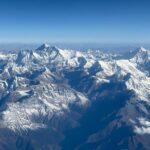
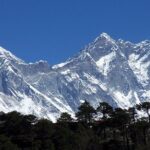
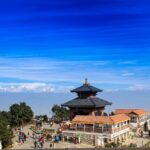
One of the highlights is a stop at Everest View Hotel with what’s described as helicopter stops for a closer look at Mt. Everest. Even with the best itinerary, the biggest variable is weather. But when visibility is good, this is exactly the kind of stop that makes Kathmandu feel tied to the larger Nepal story beyond the valley temples.
Think of it as a perspective reset. You’ve been in dense culture and dense streets. Then you look outward and realize why people come to Nepal in the first place.
If you care about photography, ask your guide about timing within the stop. Light matters, and the best spot might depend on the conditions.
What It Feels Like: Timing That Doesn’t Rush You
On a 6-hour private tour, timing is everything. Many reviews praise guides for managing time perfectly and keeping it from feeling rushed, even while fitting in all the major sites.
Guides like Kapil, Saru, Bhim, and Shanti are repeatedly mentioned for a similar reason: they balance explanation with freedom. If you want to linger, you usually can. If you want to move faster, the day can adjust.
You’ll also likely appreciate the calm professionalism around logistics. Multiple reviews mention guides helping with ticket purchases and coordinating smoothly through communication like WhatsApp. That’s not just convenience—it helps you spend your attention on the places, not on figuring out the basics.
One more timing reality: there will be stairs and uneven terrain at several of these sites. This tour is not suitable for wheelchair users, so if mobility is an issue, plan on telling the guide early. Reviews show guides can be thoughtful and flexible when someone needs breaks.
Price and Value: What $40 Covers, and What You Should Budget
At $40 per person, this tour is positioned as a practical way to start your Nepal trip with confidence. You get:
- Hotel pickup and drop-off
- Private car
- English-speaking guide (with guide languages also listed as Hindi and Nepali)
What costs extra:
- Monument entry fees: NPR 2700 per person (about US$22)
- Meals and drinks
So is it a good value? For most people, yes—because four major UNESCO sites plus a guided explanation is hard to replicate cheaply if you have to arrange transport and ticket logistics yourself.
To budget realistically, add the entrance fee amount for each monument you visit plus a lunch stop. The guides often know good places and can help you decide where to eat based on what you want—views, local food, or a calmer break.
And if you’re the type who would otherwise spend your limited time in Kathmandu trying to piece together routes, the private format can actually save money in the long run, even before you count your mental energy.
What to Bring and How to Prepare
You’ll be happiest if you pack for comfort and for sacred sites. The tour specifically recommends:
- Passport or ID card
- Comfortable shoes
- Water
- Cash
- Face mask or protective covering
Optional but smart: a head scarf can help you feel respectful at temples. One review mentioned taking a scarf as a sign of respect, and said it was not strictly essential. If it gives you peace of mind, bring one.
Also, don’t overpack for the stupa and temple stops. You want room for water and essentials, not extra bulk you’ll regret on stairs.
Who This Tour Is For (and Who It Isn’t)
This is ideal if you:
- Want a first-day orientation to Kathmandu’s main spiritual landmarks
- Prefer a private route with an English guide
- Like context as you walk through places—religion, symbolism, and architecture in the same day
- Are okay with a packed schedule and some walking on uneven ground
It’s less ideal if you:
- Use a wheelchair (the tour is not suitable for wheelchair users)
- Need long, slow time at a single site (6 hours is a highlight pass)
- Don’t want to pay on-site ticket fees for each monument
Should You Book This Kathmandu Private City Guided Tour?
If you want a clear first impression of Kathmandu Valley without guessing, I’d book this. The strongest reason is the combination of four UNESCO sites and a guide who knows how to explain what you’re seeing in plain language—Kapil and Saru get highlighted a lot for a reason.
Book it if you like structure and you’d rather spend your energy absorbing temples than negotiating transport and tickets. Bring cash, comfortable shoes, and a face covering, and you’ll be set for a day that moves fast but still feels thoughtful.
FAQ
FAQ
How long is the Kathmandu Private City Guided Tour?
The tour lasts 6 hours.
What is the price per person?
The price is $40 per person.
What sites are included?
You’ll visit Patan Durbar Square, Swayambhunath Temple, Pashupatinath Temple, and Boudhanath Stupa.
Are monument entry fees included in the price?
No. Monument entry fees are not included. The price listed is NPR 2700 per person (about US$22), and tickets must be bought on the spot.
Where do pickups and drop-offs happen?
Pickup and drop-off locations include Boudhha, Lalitpur, Kathmandu, Ekantakuna, Thamel, Lazimpat, and Naya Bazaar.
Is this tour suitable for wheelchair users?
No. It is not suitable for wheelchair users.