REVIEW · KATHMANDU
Nagarkot Sunrise & Bhaktapur UNESCO Heritage Private Tour
Book on Viator →Operated by Attractive Travels and Tours Pvt. Ltd. · Bookable on Viator
4:20 a.m. sounds early until you see the peaks. This private outing takes you from Kathmandu to Nagarkot for sunrise views, then on to UNESCO Bhaktapur Durbar Square for temples and crafts in the old city. It’s a fast half-day format, done with your own guide and driver so the day feels planned instead of frantic.
Two things I really like are the focus on the mountain viewing—your guide points out multiple Himalayan ranges, including Mt. Everest on clear days—and the fact that you get practical support from start to finish. Bottled water is included per person, which is a small detail that matters when you’re out early and moving through busy streets. You’ll also spend time at a Thangka painting school, not just snapping photos of buildings.
The main drawback is the obvious-but-real one: visibility depends on weather. Some mornings are clear and glassy; others get fog or cloud cover, and then even the best viewpoints can feel like a tease. Bhaktapur is also spread out, so you should expect some walking between monuments.
In This Review
- Key highlights worth planning around
- The 4:20 a.m. start that makes Nagarkot work
- Everest isn’t guaranteed, but the view still has value
- Bhaktapur Durbar Square: UNESCO sights with real walking time
- Dattatreya Temple and Nyatapola Temple: two styles, two vibes
- Pottery Square and the Thangka painting school
- Price and what you should budget beyond the $50
- Logistics that make the day feel private, not chaotic
- Should you book this sunrise and Bhaktapur UNESCO private tour?
- FAQ
- What time does pickup happen for the Nagarkot sunrise part?
- Can I see Mt. Everest on this tour?
- Is the Bhaktapur Durbar Square UNESCO entrance fee included?
- What’s included in the tour price?
- Are meals included?
- Is there free cancellation?
Key highlights worth planning around
- Early pickup timing (4:20 a.m.) so you can reach Nagarkot for sunrise light
- Eight Himalayan ranges potential, including Everest when skies cooperate
- Bhaktapur Durbar Square UNESCO entry is extra (budget NPR 2000 / about USD 15 per person)
- Thangka painting school stop included for a hands-on cultural moment
- View tower time feels unhurried with a short, easy sightseeing rhythm
- Old-city walking is part of the deal since vehicles don’t go everywhere
The 4:20 a.m. start that makes Nagarkot work
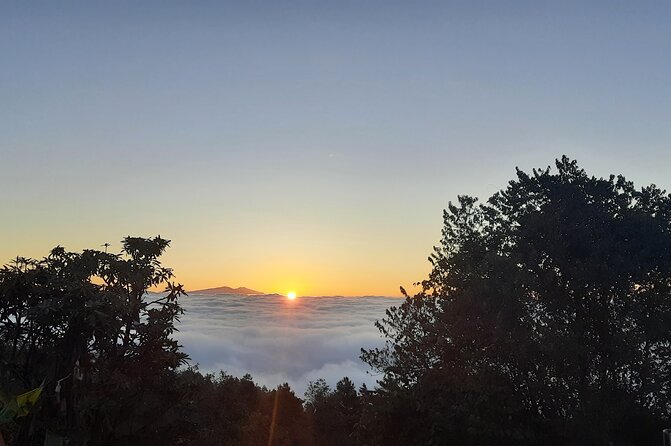
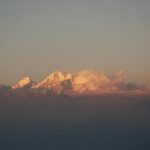
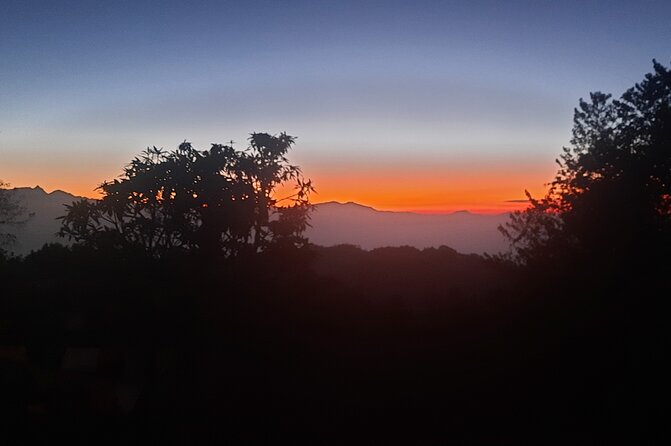
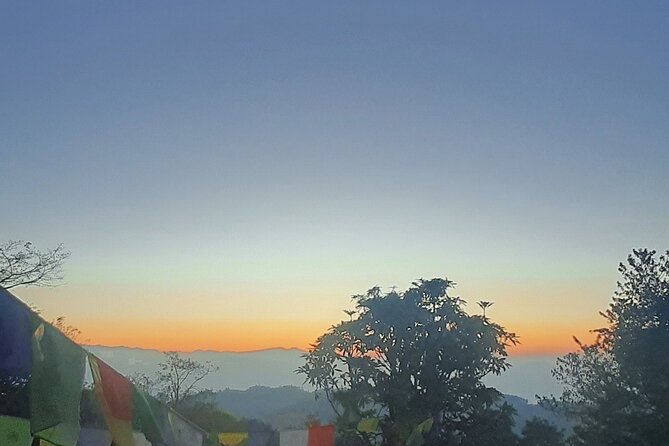
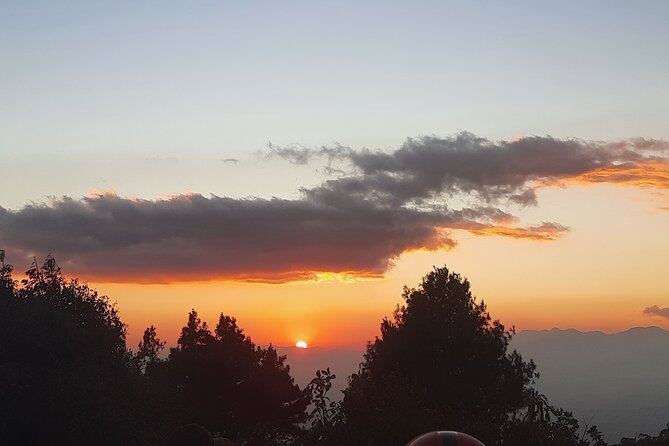
This tour is built around an early departure from Kathmandu—your pickup is set for 4:20 a.m. from your hotel. That timing matters because Nagarkot’s whole point is the morning change in the sky: first the dark silhouette of the ridgelines, then the gradual warming of the mountain faces as the sun rises. If you’re used to tourism that starts late, this one feels like a different style of trip: focused, quiet, and efficiently scheduled.
The drive is part of the experience. Nagarkot is about 36 km east of Kathmandu, and you’re transferred by car the whole way. Once you arrive, you go to the Nagarkot View Tower. There’s no entrance fee listed for the tower, so you’re paying for the guide and transport rhythm, not an extra ticket stack.
Most days, the sunrise portion stays manageable. The outing is designed to keep you moving at a human pace—one review notes it isn’t a tiring hike and that you’re back to your hotel before 10:00 a.m. That means you can still eat a real breakfast, recover a bit, and then go about your afternoon plans without dragging yourself through an all-day schedule.
You can also read our reviews of more private tours in Kathmandu
Everest isn’t guaranteed, but the view still has value
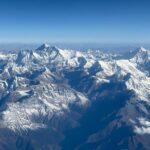
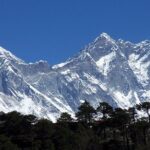
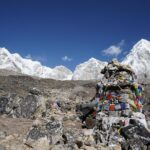
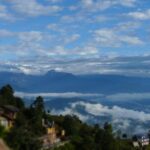
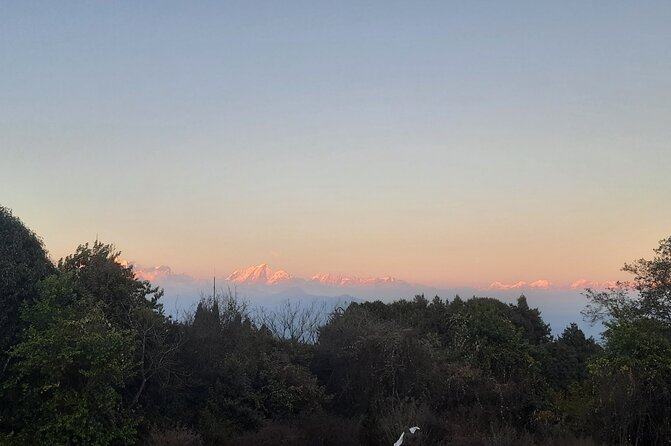
The big promise here is sunrise over the white-capped peaks of the Himalayas, with the chance to see eight Himalayan ranges, including Mt. Everest on clear days. The key word is clear days. This is exactly the kind of activity where weather is the boss, not the itinerary.
When the skies are right, your guide can help you make sense of what you’re looking at. Several guides and guest comments emphasize that the guide is able to identify peaks and explain what’s in the view. That turns a “nice sunrise photo” into something more meaningful: you’re not guessing at mountain shapes—you’re learning which ridges you’re actually seeing.
When the weather isn’t right—thick fog and cloud cover can happen—your mountains can disappear. One review described a foggy morning where the Himalayas weren’t visible, though the Bhaktapur half still landed strongly. So I’d set your expectations like this: even if Everest is hidden, the sunrise moment is still worth chasing. But if you need certainty of Everest itself, you’ll be happier booking with a weather-ready mindset.
A smart move is to plan your day around flexibility. If you’re the type who hates early departures or gets cranky when Mother Nature changes the script, this tour might feel like a gamble. If you can accept that nature runs the show, you’ll likely enjoy the experience more.
Bhaktapur Durbar Square: UNESCO sights with real walking time
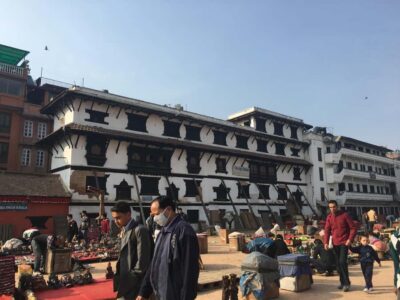
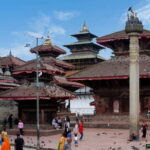
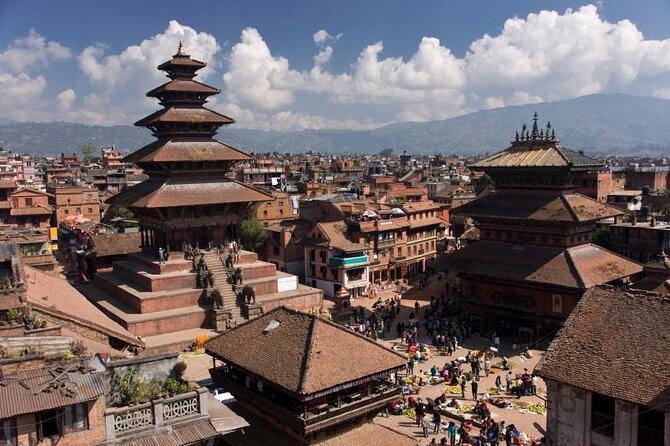
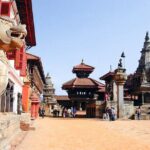
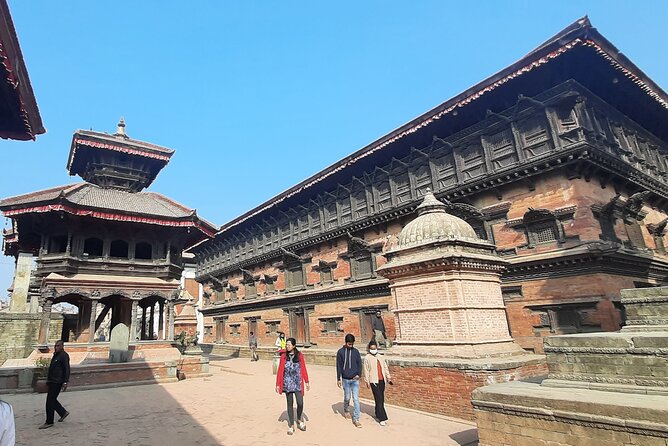
After Nagarkot, you shift gears into Bhaktapur, where the trip becomes culture-forward. The centerpiece is Bhaktapur Durbar Square (UNESCO)—a massive complex of old courtyards, temples, and carved stone detail that rewards slow looking, not just quick photo stops.
One practical point: admission for the UNESCO site is not included. You should budget NPR 2000 (around USD 15) per person. If you like having money in the right place, bring cash or plan on paying that fee when you arrive.
Bhaktapur is also influenced by earthquake damage, and that can affect what you see on the ground. One review mentioned that some buildings were not visible due to damage. That doesn’t mean the visit isn’t worthwhile—Bhaktapur still has plenty of architectural drama—but it’s a good reminder that you may not get a perfectly intact postcard view of every structure.
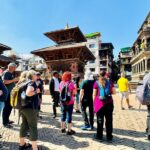
The good part is that your guide helps you interpret what you’re looking at. You’re not left wandering alone around a big open area. Instead, you move from one meaningful stop to the next, with context that makes the carvings, temple styles, and street layout feel less random.
Dattatreya Temple and Nyatapola Temple: two styles, two vibes
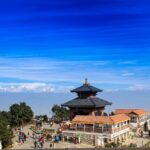
The tour layers in temple stops so you get more than one architectural look. Early on, you visit Dattatreya Temple, including Pujari Math (priests’ house) and a Peacock window dating to the 15th century. That window detail is the kind of thing that can be hard to appreciate without guidance, because it’s not just a decoration—it’s a clue about the artistic focus of the era and the craftsmanship traditions tied to the temple complex.
Right around the same area, you can also see Bhimsen temple nearby. The schedule gives you around 20 minutes at this stop, which is short enough to keep the pace light but long enough to notice key features if you’re paying attention.
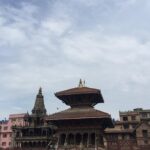
Later, the tour includes Nyatapola Temple, described as the tallest pagoda-style temple in Kathmandu, built in the 17th century by King Bhupatendra Malla. This is one of those places where the building shape does a lot of the talking. The vertical rhythm of the pagoda layers makes it feel commanding even if you only spend a short time there.
You’ll also visit the Bhairab temple nearby. These small add-on stops matter because they give you a fuller sense of how different religious spaces sit close together in Bhaktapur’s old-city layout.
Both temple stops list entrances as not included, but for Nyatapola and Dattatreya the time windows are brief, so you won’t feel stuck for hours in one place. Still, do expect a day that mixes photos with real looking. The biggest value is when your guide points out what matters instead of leaving you to play architecture detective.
Pottery Square and the Thangka painting school
Bhaktapur isn’t only about temples. It’s also about crafts, and this tour includes both a Thangka painting school and a look at Pottery Square.
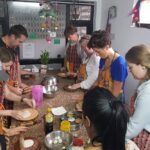
The Thangka painting school is listed as included, which is great value if you care about art that’s tied to tradition and skill. Even when time is limited, it adds a human dimension: you’re seeing a living craft rather than only stone relics. Thangka art is often full of symbolism, and having a guide to frame what you’re seeing can help you connect the dots instead of treating it like a quick showroom stop.
Then there’s Pottery Square, where you can observe how pottery pieces are made. This stop is also short—about 20 minutes—and it’s listed as having a free admission. That makes it an easy fit in a half-day schedule: enough time to watch and learn something without turning into a long workshop commitment.
If you love markets and making things with your hands, these stops are the part of the tour that tends to feel most memorable. If you’re only in Kathmandu for major landmarks, you might see the craft stops as optional—but the fact that they’re included makes them a smart win.
You can also read our reviews of more historical tours in Kathmandu
Price and what you should budget beyond the $50
At $50 per person, this tour sits in the “good-value private outing” category, mainly because you’re getting transport, a professional guide, and a morning schedule that would be hard to assemble on your own without language help.
Here’s the budget reality check:
- Tour price: $50 per person
- What’s included: transportation as per itinerary, professional guide, visit to the Thangka painting school, and one bottled water per person
- Not included: meals and tips
- Not included: Bhaktapur Durbar Square entrance fee (NPR 2000 or about USD 15 per person)
So the all-in cost is likely closer to $65-ish per person once you add the UNESCO admission, assuming one entrance fee per person. Meals aren’t specified, so plan on paying for food separately unless your hotel breakfast covers you.
Tips for your guide and driver are also not included. That’s normal in this region, but it’s still part of the real cost. If you want smoother math, decide on a tip amount before the tour so nothing feels awkward at the end.
For me, the value comes from packing multiple meaningful stops into a private half-day with round-trip hotel transfers. You’re paying for time saved and context delivered—two things that matter more than people expect when you’re traveling in a city with major monuments spread out.
Logistics that make the day feel private, not chaotic
This is a private tour, meaning only your group participates. That changes the feel right away. Instead of waiting around for other people, your guide can keep the schedule tighter and adjust on the fly based on what the sky is doing in Nagarkot.
Pickup and round-trip transfers from Kathmandu are included, which is huge for a sunrise start. You’re not dealing with taxis at 4:20 a.m., and you’re not negotiating routes in the dark.
One more practical note: vehicle access in Bhaktapur can be limited around monuments. One response explained that a car is not allowed inside certain monuments areas, so you’ll do some walking. That lines up with what you’d expect in an old UNESCO zone. If you’re the type who prefers to be carried everywhere, this might be frustrating. If you can handle short walks between stops, it should feel fine.
Timing is also well-controlled. The sunrise part is about two hours, and the broader tour runs roughly 5 to 6 hours total. Reviews indicate you’re typically back by about 10:00 a.m., which is a big deal if you want to keep your day open.
Should you book this sunrise and Bhaktapur UNESCO private tour?
Book it if you:
- want a private way to do Nagarkot and Bhaktapur in one morning
- care about more than skyline photos and would like Thangka painting and craft viewing
- don’t mind an early start and you can handle some walking in Bhaktapur’s monument areas
Skip it or rethink it if:
- you need guaranteed visibility of Everest (it depends on weather)
- you dislike early departures or you’re very sensitive to fog/cloud disappointment
- you’re trying to keep the budget extremely tight, since UNESCO entrance and tips add cost
If you’re flexible with the weather and excited by the idea of an early sunrise followed by Bhaktapur’s iconic temple stops, this tour is a smart use of time in Kathmandu.
FAQ
What time does pickup happen for the Nagarkot sunrise part?
Pickup is scheduled at 4:20 a.m. from your hotel in Kathmandu.
Can I see Mt. Everest on this tour?
You can see Mt. Everest on clear days. On cloudy or foggy mornings, the Himalayas may not be visible.
Is the Bhaktapur Durbar Square UNESCO entrance fee included?
No. The Bhaktapur Durbar Square entrance fee is not included and is listed as NPR 2000 or USD 15 per person.
What’s included in the tour price?
The tour includes transportation as per the itinerary, a professional guide, a visit to the Thangka painting school, and bottled water (one bottle per person).
Are meals included?
No. Foods are not included, so you’ll pay for meals separately.
Is there free cancellation?
Yes. You can cancel for a full refund if you cancel up to 24 hours in advance of the experience start time.