Everest, Ama Dablam, and monasteries, all in a week. This trip is built around big views and real Sherpa-country rhythm, with Lukla-to-Namche-to-Tengboche hiking days and a guided route that keeps you moving without the guesswork. I also like that the logistics include trekking permits and cards, so you can focus on the trail and the first Everest sightings.
One thing to think about first: the itinerary includes flights in and out of Lukla (plus a flight back to Kathmandu), but it does not include your Kathmandu–Lukla airfare, so you’ll want to budget and plan that part carefully.
In This Review
- Key highlights (what makes it special)
- Everest views without the big-mountain grind
- Price and logistics: what $790 buys you (and what it doesn’t)
- Day 1 in Thamel: your trek prep day in Kathmandu
- Day 2: fly to Lukla, then ease in at Phakding
- Day 3: Namche Bazaar—bridges, pine forests, and first Everest flashes
- Day 4: Tengboche Monastery and the Ama Dablam panorama day
- Day 5: Manjo return day via Namche—scenery repeats, meaning deepens
- Day 6: downhill rhythm, then up to Lukla—finishing strong
- Day 7: a 30-minute flight back to Kathmandu, then your time
- Day 8: depart from Tribhuvan International Airport
- Guides, permits, and safety details that matter in real life
- Lodges and meals: comfort that’s actually practical
- Wildlife and cultural stops: what you might spot and why it counts
- Things to plan before you go (so the trip stays enjoyable)
- Who should book this Everest Experience Trek?
- Should you book it?
- FAQ
- How long is the Everest Experience Trek 6 Day Hiking Adventure?
- Where does the tour start and end?
- What is the price per person?
- Are airport transfers included?
- Are meals included during the trek?
- Do I need to arrange trekking permits?
- Is Kathmandu to Lukla airfare included?
- Is travel insurance included?
- Is a porter included?
- Is this a private group tour?
- What is the cancellation policy?
Key highlights (what makes it special)
- Private-group setup with a licensed trekking guide for up to five trekkers
- Permits handled for you: Everest National Park permit, Pasang Lhamu entry, and a TIMS card
- Iconic stops on the Everest View route: Namche Bazaar and Tengboche Monastery
- Sherpa culture add-ons like Khumjung Monastery and the Hillary School
- Straightforward comfort plan: standard trekking lodge stays and all trek meals
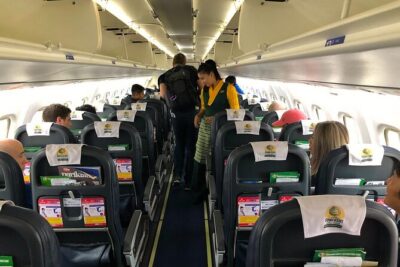
- Time-saving flights: a 30-minute hop to Lukla and a 30-minute return flight to Kathmandu
Everest views without the big-mountain grind
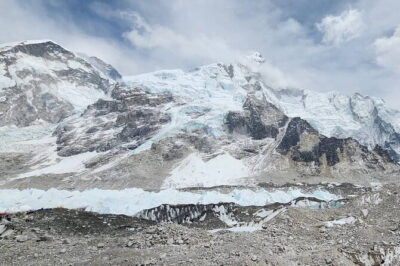
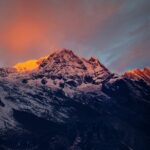
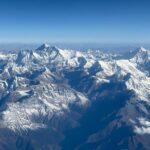
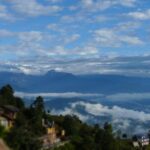
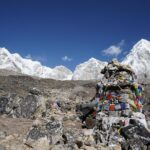
This is an Everest-adjacent trek in the best sense. You’re not signing up to summit anything. Instead, you’re hiking the classic Everest View Trek corridor: lush lower sections, suspension bridges, Sherpa villages, and viewpoint days where Everest starts showing up again and again in different angles.
The payoff is that you get the feel of the Himalaya—the changing air, the stone villages, the way prayer flags line up along the path—without needing to plan months of training and acclimatization for a summit goal. If what you want is memorable scenery plus cultural context, this format fits.
And the way the days are laid out matters. You get a full day in the Namche area (with bridges and forests), then Tengboche for the monastery views. Those two days do a lot of the heavy lifting for the trip’s reputation.
You can also read our reviews of more hiking tours in Kathmandu
Price and logistics: what $790 buys you (and what it doesn’t)
At $790 per person, you’re not just paying for a guide. You’re paying for a package that covers the parts of trekking that usually turn into admin headaches.
Here’s what’s included that directly helps your budget and sanity:
- All airport-hotel transfers in Kathmandu using private tourist vehicles
- Lodge-based hiking support on the Everest View route, with a standard trekking lodge plan
- All trek meals (6 breakfasts, 5 lunches, 5 dinners) with tea/coffee included with meals as listed
- Permits and paperwork: Everest National Park permit, Pasang Lhamu Municipality entry, and the TIMS card
- A licensed guide (and an extra guide if your group is over six)
- Basic first-aid medicine items
- Trip extras like a t-shirt and trip certificate after completion
- Seasonable fruits during the trek
What’s not included (and you should treat this as your checklist):
- International airfare + Kathmandu Lukla Kathmandu airfare (you’ll need to arrange flight cost on top)
- Travel insurance
- Drinks and any bar/tea-house bills
- Tips for crew
- Porter (so plan around carrying your own pack unless you arrange otherwise)
So the value isn’t only the mountains—it’s that your permits, meals, and core planning are handled. If you’re the type who hates paperwork and last-minute decisions, the package model makes sense. If you already have your own guide and you’re bringing a porter, then the price might feel less like a bargain and more like paying for convenience you may not need.
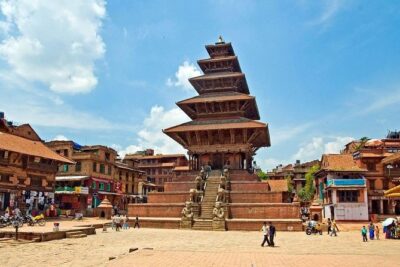
Day 1 in Thamel: your trek prep day in Kathmandu
You start in Thamel, which is the practical choice for a first day. You’ll arrive at Tribhuvan International Airport, transfer to your hotel, and get a briefing and prep time before the hiking machine turns on.
Two reasons this matters:
- You can sort your personal gear without rushing the next morning.
- Thamel is close to public transportation, so if you forget something small, you can usually find it.
You’ll overnight in Kathmandu at a 4-star hotel, which is a real buffer for a trek that starts with a flight.
A small detail worth noting: the tour description includes a t-shirt and trip certificate after the trip. That’s not essential for the trek, but it’s a nice touch that often means the organizers think about the whole experience, not just the trail.
Day 2: fly to Lukla, then ease in at Phakding
Day 2 is where the Everest View trip turns into an actual adventure day. You fly from Kathmandu to Lukla (listed as 30 minutes), then hike for about 3–4 hours to Phakding.
The hiking is described as gentle along the Dudh Koshi River, and that’s exactly what you want after travel. You’re warming up your legs, getting used to the rhythm of the trail, and taking in that early Himalayan vibe—without pushing too hard.
Overnight is in Phakding, a village that makes a good first stop because it’s close enough to Lukla to feel like part of the same world, but calm enough to let you settle in.
Possible drawback: this day is shorter on paper, but you still start early with an air leg. If you’re sensitive to travel fatigue, you’ll want a calm attitude and a good breakfast before you head out.
Day 3: Namche Bazaar—bridges, pine forests, and first Everest flashes
Namche Bazaar is the trek’s social and scenic centerpiece. On Day 3 you hike 5–6 hours, crossing suspension bridges and moving through pine forests, with the very important highlight that you get first views of Everest en route.
This is also the day when the Everest story becomes real. It’s one thing to see a mountain in a photo. It’s another to catch a glimpse while you’re walking and suddenly realize the scale.
Overnight is Namche Bazaar, which is ideal because it sets you up for a cultural day and monastery stop next. Namche also gives you a chance to slow down and observe: you’ll see how Sherpa communities organize life around seasons, trade, and the ongoing presence of mountains.
One consideration: Namche is busy compared to smaller villages, so if you’re looking for quiet solitude, you’ll feel the contrast. For most people, that busy energy is part of the experience.
You can also read our reviews of more tours and experiences in Kathmandu
Day 4: Tengboche Monastery and the Ama Dablam panorama day
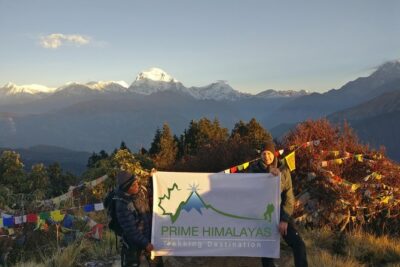
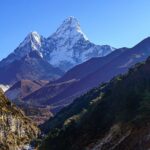
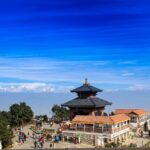
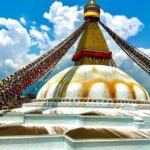
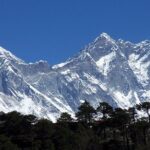
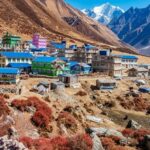
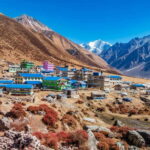
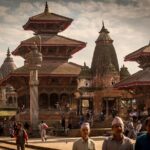
Day 4 is the classic monastery day. You trek 5–6 hours to Tengboche, with the highlight being a visit to Tengboche Monastery and panoramic views of Everest and Ama Dablam.
Monastery stops can feel like a checkbox on some tours. Here, it’s different because Tengboche is tied directly to views. The timing and vantage point matter, and the goal isn’t just to look at a building—it’s to connect the spiritual place with the mountain backdrop.
Also, the overall trip description includes Sherpa cultural visits such as Khumjung Monastery and the Hillary School. Even when those aren’t on the same exact day you’re picturing, the itinerary is clearly built around more than walking from lodge to lodge. You’re getting context for how local communities understand the landscape and their place in it.
Overnight is in Tengboche, so you get another night near that monastery area.
Day 5: Manjo return day via Namche—scenery repeats, meaning deepens
Day 5 brings you back toward Manjo by retracing your path through Namche Bazaar. Trek time is listed as 6–7 hours.
This type of return day works for two reasons:
- You don’t feel totally lost when you head into the turnaround section.
- You get time to notice what you missed earlier—light on the ridges, prayer flags in wind, and the shift in vegetation as the trail changes elevation.
The downside is obvious: you’re walking some of the same route twice. If you’re the kind of hiker who wants brand-new scenery every hour, this might feel repetitive. But if you treat the return day as a chance to linger at viewpoints, it turns into one of the calmer and more reflective days.
Overnight is Manjo, setting you up for your Lukla segment and the final air legs.
Day 6: downhill rhythm, then up to Lukla—finishing strong
On Day 6, the plan is to hike back toward Lukla. The route is described as returning downhill to Phakding, then hiking about three hours up to Lukla, with a total trek time listed as 6–8 hours. Overnight is Lukla.
This is the day that tests your pacing. It’s not only about distance; it’s about managing energy after multiple hiking days.
Still, it’s a strong ending on the trail. Lukla is where the trip becomes a flight story again. Spending the night there helps because you’re not trying to force your schedule into a single morning transfer window.
A practical tip: if you tend to snack lightly, plan your calories for this day. When the hike shifts from downhill walking to a climb back up, your body feels it.
Day 7: a 30-minute flight back to Kathmandu, then your time
Day 7 is built around returning to Kathmandu with a 30-minute flight and then time to explore or relax. Overnight is Kathmandu.
This is the day to shift from trekking mindset to city mindset. You’ve earned it. If you want to do souvenir shopping, pick up a final meal out, or just sleep in with no alarm clock, this is the day.
And it also gives you a safety buffer: instead of rushing to the airport the same day you finish the hike, you get a night in Kathmandu.
Day 8: depart from Tribhuvan International Airport
Day 8 is simple: transfer to Tribhuvan International Airport and fly back home or join the next program.
It’s a clean wrap-up. No extra hikes. No long road transfers listed beyond your tour transfers.
Guides, permits, and safety details that matter in real life
This trip includes a licensed trekking guide for up to five trekkers, and an additional guide for groups over six. That’s important because it usually means tighter attention on pace, trail decisions, and keeping your group together.
It also helps explain why the trek feels planned rather than chaotic. In the real world, that’s what reduces stress: clear decisions made ahead of time.
On paperwork, the tour provides:
- Everest National Park permit
- TIMS card
- Pasang Lhamu Municipality entry
Even if you’ve never handled trek permits before, you’ll appreciate this once you’re already in Nepal and want the process done correctly. It also reduces the chance you’ll show up at the wrong place without the right docs.
For on-the-ground support, there are first-aid medicine items included. The tour overview also says the experience includes comprehensive insurance, though travel insurance is still listed as not included for you to purchase.
One useful note from past communication patterns around this company: guide/team names like Sobit show up in client experiences for quick responses and arranging a meeting at the hotel. Another name, Ramesh, comes up in positive notes for being a strong guide presence during a multi-day trek. Those names don’t change the route on paper, but they’re a signal you’ll likely deal with real humans who answer questions fast.
Lodges and meals: comfort that’s actually practical
You stay in a standard trekking lodge on the Everest View route. That typically means you’ll have basic comfort, not luxury. The key is that the essentials are accounted for.
Meals are handled for you:
- 6 breakfasts
- 5 lunches
- 5 dinners
- tea/coffee included with meals as listed
This matters because it stops you from burning time bargaining or hunting for food during a long trekking day. It also helps you eat regularly, which is the big win on a hike.
You’ll also get seasonable fruits, which is a small thing that can make a hike feel more human.
What’s not included: drinks, dessert-bar bills, and other beverages. Lodges often have extra charges beyond the included meal set, so it’s smart to keep some cash aside for personal drinks.
Wildlife and cultural stops: what you might spot and why it counts
The tour description calls out possible sightings of pheasants, musk deer, and Himalayan Thar. You should treat wildlife as a maybe, not a promise. But even a brief glimpse is one of the ways the Himalaya feels alive instead of just scenic.
On the cultural side, you’re not only passing through Sherpa villages. The trip is built to include iconic stops like Khumjung Monastery and the Hillary School, plus the featured Tengboche Monastery visit.
Why this is worth it:
- It gives you context for what you’re seeing (prayer flags, community life, and local traditions).
- It breaks up trekking fatigue with meaningful stops that don’t feel like roadside chores.
If you like the combo of hiking plus a bit of cultural education, this route matches that style.
Things to plan before you go (so the trip stays enjoyable)
A few practical planning points based on what’s included and not included:
- Flights: Kathmandu to Lukla (and back) airfare isn’t included. Your itinerary shows the flights as 30 minutes each way within the tour plan, but the cost is still your responsibility.
- Travel insurance: not included. Get it before you leave home.
- Porter: not included. If you want help carrying gear, you’ll need to arrange it separately (or plan to carry your own pack).
- Tips: not included. Budget for tips for the crew.
- Drinks: not included. Tea/coffee with meals is covered, but other beverages and bar tabs are on you.
Gear-wise, the tour won’t specify items in the data you gave, so use your own trekking checklist. If you want, tell me your month of travel and your fitness level, and I can suggest a smart packing plan for this kind of Everest View trek.
Who should book this Everest Experience Trek?
This trek is a strong fit for you if:
- You want Everest-area views and monastery culture without the summit grind.
- You like guided logistics and want permits, meals, and basic planning handled.
- You’re traveling in a small group or value a guide who can manage pace for up to five trekkers.
It might be less ideal if:
- You’re trying to minimize costs and already have your own guide and porter lined up.
- You hate any route repetition and want a one-way, totally new trail every day.
- You’re uncomfortable with the structure of air legs and lodge-based stays.
If you’re mid-fit and you want the classic Everest View experience, this is the right kind of trip: guided, scenic, and built to finish cleanly back in Kathmandu.
Should you book it?
I’d book it if your top goal is Everest View scenery plus Sherpa cultural stops with meals and permits covered, and you’re okay carrying your own gear (since porter is not included) and handling insurance and flights on your side.
Before you click pay, do three quick checks:
- Confirm what you’re paying for your Kathmandu–Lukla–Kathmandu flights (since airfare is listed as not included).
- Decide if you want a porter and whether you’ll arrange that separately.
- Make sure your travel insurance covers trekking.
If those boxes are handled, this is a well-structured Himalayan experience: short enough to feel doable, scenic enough to feel like it mattered, and guided enough that your energy goes to the trail instead of paperwork.
FAQ
How long is the Everest Experience Trek 6 Day Hiking Adventure?
The hiking portion is planned as a 6-day trek, with the overall trip running about 8 days (including flight and airport days).
Where does the tour start and end?
It starts with your arrival and preparation in Kathmandu (Thamel) and ends with a departure from Tribhuvan International Airport after returning to Kathmandu.
What is the price per person?
The price is $790.00 per person.
Are airport transfers included?
Yes. The tour includes airport-to-hotel transfers by private tourist vehicle according to the itinerary.
Are meals included during the trek?
Yes. Trek meals are included: 6 breakfasts, 5 lunches, and 5 dinners, with tea/coffee as listed.
Do I need to arrange trekking permits?
You do not need to arrange them yourself for this tour. The Everest National Park permit, Pasang Lhamu Municipality entry, and a TIMS card are provided.
Is Kathmandu to Lukla airfare included?
No. International airfare and Kathmandu–Lukla–Kathmandu airfare are listed as not included.
Is travel insurance included?
No. Travel insurance is listed as not included.
Is a porter included?
Porter service is listed as not included.
Is this a private group tour?
Yes. It’s listed as private, meaning only your group participates. A licensed trekking guide supports the group (and an additional guide is added for groups over six).
What is the cancellation policy?
Free cancellation is available. You can cancel up to 24 hours in advance for a full refund, and changes less than 24 hours before the start time are not accepted.