REVIEW · KATHMANDU
Kathmandu World Heritage Tour
Book on Viator →Operated by The Great Adventure Treks & Expedition - Private Day Tours · Bookable on Viator
Kathmandu Valley compresses a lot of Nepal into one long, satisfying day. This World Heritage tour stitches together five UNESCO sites, so you get temples, stupas, and royal squares with a clear route and no guesswork. I especially like that you’re guided by a government licensed tour guide and chauffeured in an A/C private vehicle, which matters when the day runs 10 to 15 hours.
One possible drawback: the big religious sites sit on uneven ground and you’ll be doing plenty of walking and stair climbing. Also, most of the important costs happen day-of, since monument/entry fees aren’t included in the $50 price.
In This Review
- Key highlights at a glance
- Why Kathmandu Valley World Heritage fits into a single day
- Getting around: pickup, A/C comfort, and a realistic 10–15 hour pace
- Stop 1: Swayambhunath Monkey Temple and the hilltop bird’s-eye view
- Stop 2: Pashupatinath Temple by the Bagmati River
- Stop 3: Boudhanath Stupa, one of the largest Buddhist stupas
- Stop 4: Patan Durbar Square and Kathmandu Valley’s artisan vibe
- Stop 5: Kathmandu Durbar Square, royal architecture in the city’s core
- Price and value: what $50 covers and what you’ll pay on top
- The guide experience: licensed, punctual, and clear about how the day works
- What’s included (and what’s not), so you’re not surprised
- Mobile ticket and private tour feel
- What to bring for a temple-heavy, full-day schedule
- Who should book this Kathmandu World Heritage tour
- Should you book this tour?
- FAQ
- How long is the Kathmandu World Heritage tour?
- What’s included in the price?
- Are monument or entry fees included?
- Is hotel pickup offered?
- Where does the tour start and end?
- What if weather is bad or I need to cancel?
Key highlights at a glance
- Five UNESCO sites in one circuit, designed for a full Kathmandu Valley day
- Hotel pickup and drop-off by private A/C vehicle so you don’t fight traffic or timing
- Hilltop Swayambhunath views over the city, plus the Monkey Temple vibe
- Pashupatinath on the Bagmati River, a major Hindu pilgrimage with strong atmosphere
- Boudhanath Stupa and its devotional rhythm, ideal for a slower moment in the middle of the day
- Two Durbar Squares (Patan and Kathmandu) for contrasting royal architecture and courtyards
Why Kathmandu Valley World Heritage fits into a single day
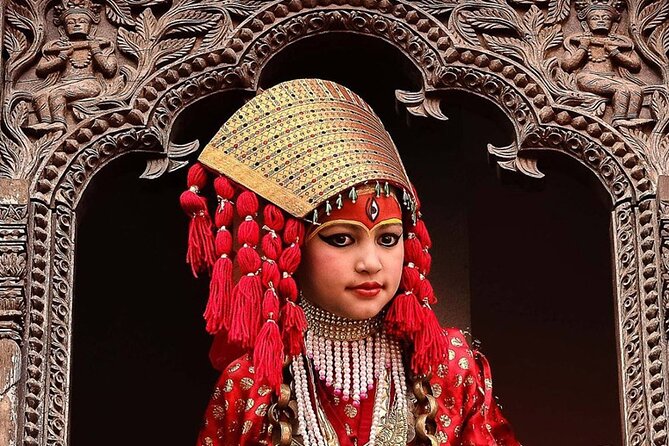
Kathmandu Valley UNESCO sites are spread out, and doing them “the DIY way” can turn into a lot of waiting around. This tour is built to keep the momentum. You’ll move through the valley in a logical loop, with each stop giving you a different flavor: Buddhist pilgrimage, Hindu sacred river life, and royal-city stonework.
I like how the schedule balances big-ticket sights with short-to-medium time blocks. You get enough time to look closely, take photos, and understand what you’re seeing without feeling trapped in one spot for hours. The guide helps you focus on what matters on-site, instead of wandering and hoping you read the signs correctly.
You can also read our reviews of more historical tours in Kathmandu

Getting around: pickup, A/C comfort, and a realistic 10–15 hour pace
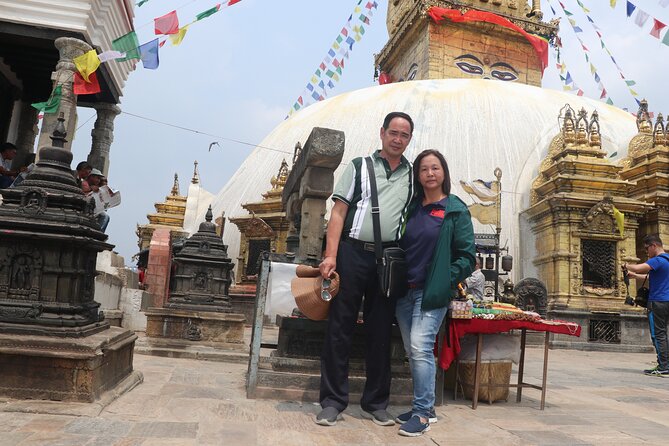
The tour includes private transportation (A/C) and pick up and drop from your hotel. That’s a big value add in Kathmandu, where travel time can stretch when roads get busy. Having a driver and guide managing the logistics also makes it easier to keep your day running on track.
Expect a 10 to 15 hour total day. That wide range is normal because site timing and traffic can shift. If you hate long days, plan your energy the night before: hydrate, eat well, and wear comfortable shoes. If you’re okay with a full-day sprint, this itinerary is a strong way to see a lot without feeling like you missed something essential.
A small detail I appreciate: bottled water is included. It sounds minor, but in warmer hours it keeps you from having to make extra stops just to stay comfortable.
Stop 1: Swayambhunath Monkey Temple and the hilltop bird’s-eye view
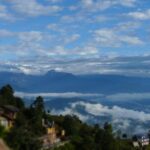
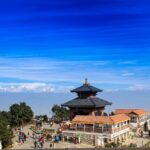
Swaymbhunath (often called the Monkey Temple) is one of Kathmandu’s most iconic religious sites for a reason. It sits on a hill, so right away you’re seeing the city from above, with the temples and pagoda-style buildings clustered below. Even if you’ve seen photos, being there in person hits different.
What you’ll enjoy here:
- A sacred Buddhist complex with standout shrine areas and lots of activity
- The hill climb that makes the eventual view feel earned
- The chance to watch daily temple life unfold from a high vantage
One practical consideration: you’ll likely be climbing uneven steps. If you’re traveling with knee issues or limited mobility, this is the hardest stop to judge in advance. The rest of the day may be easier in comparison, but Swayambhunath sets the bar.
Stop 2: Pashupatinath Temple by the Bagmati River
Pashupatinath is one of the most important Hindu temples in the world, dedicated to Lord Shiva. It’s on the banks of the Bagmati River, so the setting is part of the experience: the riverfront atmosphere, the sacred grounds, and the sense that this place is actively used, not just “visited.”
This stop is for travelers who like to observe carefully and appreciate ritual spaces. You’ll spend about 2 hours here, which is usually enough to take in the main temple views, understand the layout, and move through without rushing.
What to keep in mind:
- Temple areas often have rules about where you can stand and how you dress
- If you’re sensitive to strong religious ceremonies or the riverfront atmosphere, go slowly and let your guide know your boundaries
This is also a great stop for asking your guide how the site fits into the wider Kathmandu Valley story. A good guide will connect Hindu pilgrimage patterns and architecture in a way that makes the stone feel meaningful.
Stop 3: Boudhanath Stupa, one of the largest Buddhist stupas
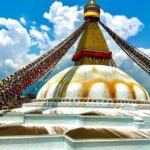
Boudhanath Stupa is described as one of the largest and most sacred Buddhist stupas in the world. And when you’re there, you can see why. The stupa is a visual anchor, and the surrounding devotional space makes it feel like a living religious center rather than a museum stop.
At this stop (about 2 hours), you’ll get a chance to slow down. That matters because the day moves fast. The stupa area is the kind of place where you can step back, watch people moving around the monument, and take in the atmosphere.
One practical tip: bring patience for crowds and narrow lanes. This site tends to draw attention, especially during peak daylight hours. If you’re hoping for totally quiet photos, you may need to wait a few minutes for a clean angle.
Stop 4: Patan Durbar Square and Kathmandu Valley’s artisan vibe
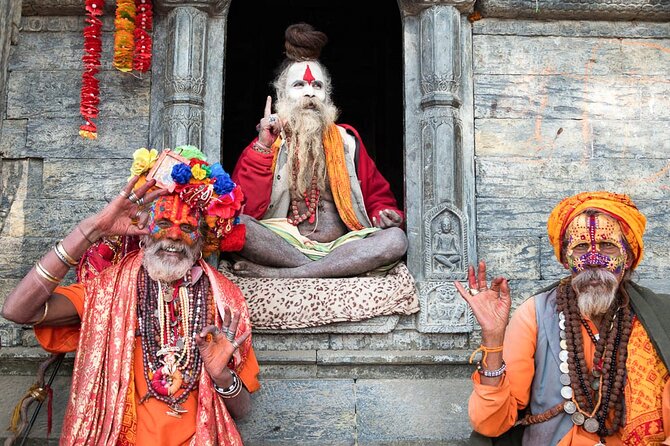
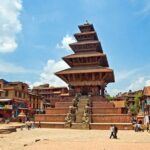
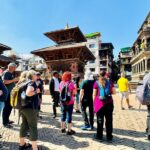
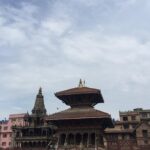
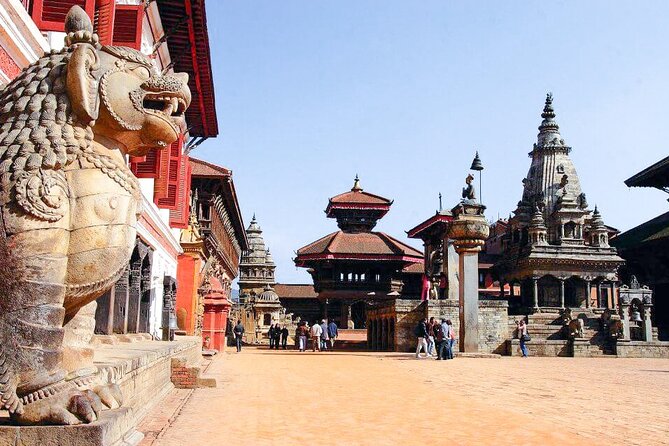
Patan Durbar Square is a UNESCO site in Patan, known as a city of artisans. That theme shows up in the details: temples, palaces, and shrines are closely packed, so you get visual variety even within the same courtyard area.
You’ll spend about 3 hours here, which is a gift. That longer time block helps you do more than just snap a few photos. You can walk the square slowly, compare architecture from different angles, and notice how the stonework tells a story.
A consideration here is mental overload. With multiple stops and dense sights, it’s easy to feel like everything blends together. If that happens, ask your guide to point out a couple of “must-not-miss” features before you roam. It keeps your attention sharp and your photos better.
Stop 5: Kathmandu Durbar Square, royal architecture in the city’s core
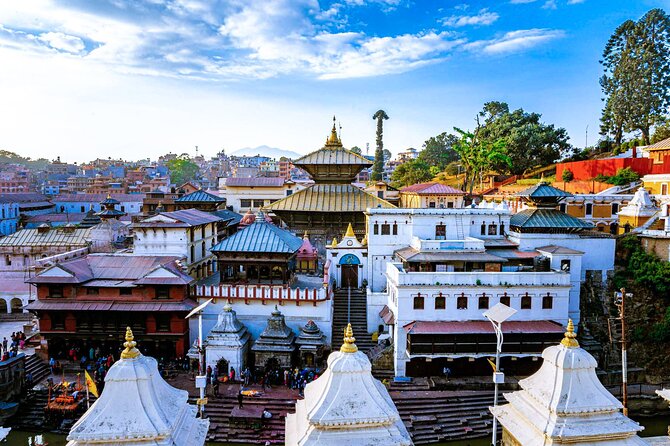
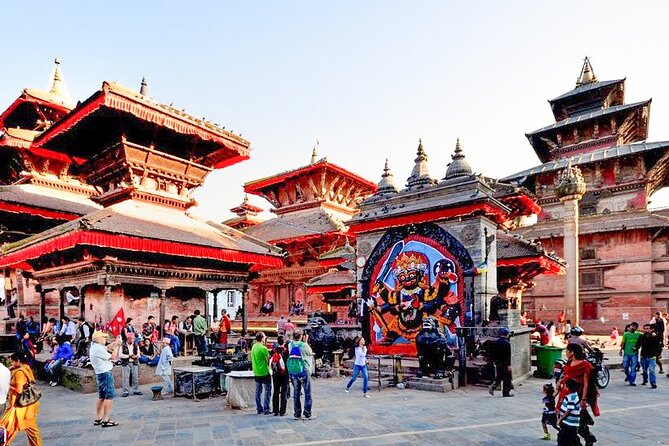
Kathmandu Durbar Square sits in the heart of Kathmandu and is another UNESCO World Heritage site. If Patan feels more artisan-focused, Kathmandu often feels more directly tied to the city’s old power center. Either way, you’re looking at historic temples, palaces, and courtyards packed into a walkable area.
This stop runs about 2 hours. That’s usually enough time to:
- Identify the main structures the square is known for
- Understand the flow of the courtyards
- Get a final round of perspective before you head back
Try not to treat the Durbar Squares like generic “old buildings.” They’re urban spaces—built for ceremonies, daily life, and the kind of civic identity that’s still visible in how people navigate the area. A guide can help you read that.
Price and value: what $50 covers and what you’ll pay on top
The listed price is $50.00 per person, which is attractive for a private guide and A/C hotel pickup. But here’s the honest math: monument fees and entry costs are not included. The tour notes a monument fee of NRP 3600 (approx. $28) per person, and it also says admission/entry fees for all sites are not included.
So your day-of budget can look something like:
- $50 for the tour
- ~ $28 for monument fees (NRP 3600 approx.)
- Lunch and dinner (not included)
- Drinks (not included)
- Gratuities for the guide and driver (not included)
Even with those add-ons, the deal can still work well if you value convenience and a real-time guide. You’re paying to remove uncertainty: transport timing, navigation between sites, and explanations on-site. If you were to arrange separate transport and pay for a guide piecemeal, you’d likely spend more in time and money.
The guide experience: licensed, punctual, and clear about how the day works
This tour includes an experienced government licensed tour guide. In practice, that’s where the tour becomes more than a checklist. You’ll get help understanding what you’re looking at, what to notice, and how to behave respectfully in active religious spaces.
Past experiences with this operator’s team often highlight friendly, punctual professionals. Names that have shown up in guide-and-driver roles include Mani and Charn, with drivers such as Ramesh also mentioned. Another guide name you may encounter is Kapil, and another is Lil. The common thread in those accounts is clear communication and proactive support.
If you’re the type who wants your day to run smoothly, this matters. You’ll spend less time guessing and more time looking.
What’s included (and what’s not), so you’re not surprised
Included in the tour:
- Experienced government licensed tour guide
- Sightseeing around world heritage sites
- Hotel pickup and drop by private vehicle
- Private A/C transportation
- Bottled water
- All taxes
Not included:
- Monuments fees (NRP 3600 approx., about $28/person)
- Lunch and dinner
- Soft and hard drinks
- Gratuities for guide and driver
- Entry/admission fees at all sites
That “not included” list doesn’t mean you’re stuck. It just means you should budget a little extra and plan meals. A long day without food can turn your attitude sour fast, so eat before the tour starts or ask your guide about the most practical meal breaks once you’re on the route.
Mobile ticket and private tour feel
You’ll receive confirmation at booking time, and the tour includes a mobile ticket feature. This is usually helpful if you’re traveling with a phone-first setup and want to avoid paper chaos.
Also, this is a private tour/activity for your group. That’s a difference-maker compared with big shared group tours. It tends to make pacing feel more natural, especially when walking through active temple areas where you might want a moment to stop and look.
What to bring for a temple-heavy, full-day schedule
For Kathmandu Valley, I recommend packing like you’re going to walk a lot and sit around sacred spaces with rules.
Bring:
- Comfortable walking shoes with good grip
- Light layers (temperatures can swing during the day)
- A small scarf or cover-up for temple areas (especially if you run warm)
- Sunscreen and a hat
- Your monument-fee money plan for day-of costs
Since bottled water is included, you don’t need to buy water just to get started. Still, you might want a power bank for photos and maps, especially with a full day.
Who should book this Kathmandu World Heritage tour
This tour is a strong fit if you:
- Want maximum value from limited time in Kathmandu
- Like guided context and respectful, well-paced sightseeing
- Prefer private transport over negotiating taxis and schedules
- Enjoy a mix of Hindu and Buddhist sacred sites in one day
It may be less ideal if you:
- Struggle with lots of stairs and uneven stone surfaces
- Want a slow morning with zero hill climbing
- Hate long travel days (this is a 10–15 hour commitment)
If you’re traveling with family, go in with realistic expectations: it’s doable for many people, but it’s still a full circuit. For accessibility questions, you’ll want to contact the operator directly, since the tour notes that they can answer specific accessibility inquiries.
Should you book this tour?
Yes—if you’re in Kathmandu for a short stay and you want the UNESCO highlights without wasting time. The combination of a licensed guide, private A/C pickup/drop, and a route that covers Swayambhunath, Pashupatinath, Boudhanath, Patan Durbar Square, and Kathmandu Durbar Square is a solid value for $50.
Just go in prepared for the real-world costs beyond the base price (monument fees, meals, and gratuities) and for the walking and stairs at major sites. If that sounds manageable, this is one of the easier ways to get a “Kathmandu Valley best-of” day that still feels grounded in place, not rushed through it.
FAQ
How long is the Kathmandu World Heritage tour?
The tour duration is listed as approximately 10 to 15 hours.
What’s included in the price?
The tour includes an experienced government licensed guide, sightseeing around UNESCO world heritage sites, hotel pickup and drop by private A/C vehicle, all taxes, and bottled water.
Are monument or entry fees included?
No. Monument fees are listed as NRP 3600 (approx. $28) per person, and entry/admission fees for all sites are not included.
Is hotel pickup offered?
Yes. Pickup and drop from your hotel are included via private vehicle.
Where does the tour start and end?
It starts at The Great Adventure Treks & Expedition Pvt. Ltd, Chhusya Galli, Kathmandu 44600, Nepal, and ends back at the meeting point.
What if weather is bad or I need to cancel?
The experience requires good weather. If it’s canceled due to poor weather, you’ll be offered a different date or a full refund. For cancellations, it’s free up to 24 hours in advance for a full refund; cancellations within 24 hours aren’t refundable.