REVIEW · KATHMANDU
Everest Base Camp Trekking
Book on Viator →Operated by Green Valley Nepal Treks & Research Hub Pvt Ltd · Bookable on Viator
Everest feels close on a guided trek. This Everest Base Camp adventure from Kathmandu brings you up into the Khumbu with small-group guidance and keeps the big-picture logistics handled. You get to spend your energy on the walking, the altitude rhythm, and the wow-moments.
I really like that this trek is built around personal attention (max 10 travelers) and a guide who helps you stay on track. The route also leans practical: you’re not planning logistics day by day because teahouse accommodation, meals, and local transportation are part of the package.
One consideration: you need a strong physical fitness level for long days and especially the steep downhill segments. The itinerary is designed for active, moderately fit trekkers, and you’ll be walking on rocky terrain at points.
In This Review
- Key highlights worth planning for
- Kathmandu to Lukla: the fast start that sets the tone
- Sagarmatha National Park entry and Namche acclimatization you can feel
- Phorse and Dingboche: passes, monastery visits, and big mountain framing
- Duglha toward Chola: moraine walking, prayer flags, and a slow-burn payoff
- Thangma Riju: the day Everest hides, and that’s part of the plan
- Kala Patthar sunrise and the Everest Base Camp moment
- Coming back through Pheriche, Pangboche, and the Dudh Koshi descent
- Lukla to Kathmandu by mountain flight, then Kathmandu valley time
- Price and value: what $1,350 buys you (and what it doesn’t)
- Who should book this Everest Base Camp trek, and who might want a different plan
- Should you book this Everest Base Camp trek?
- FAQ
- How long is the Everest Base Camp trekking experience?
- What’s included in the trek price?
- What is the maximum group size?
- Will someone meet me at the Kathmandu airport?
- Do I need a passport to join?
- Is there free cancellation?
Key highlights worth planning for
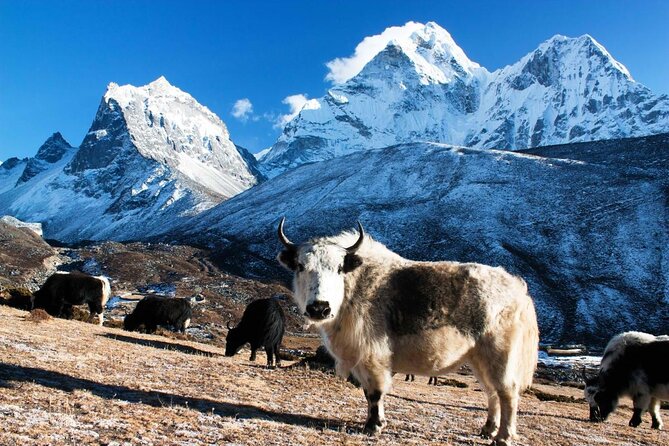
- Max 10 travelers keeps the pace human and the guidance close at hand
- Teahouse meals and lodging included removes day-to-day decision stress
- Lukla flights with sunrise views add a cinematic start and finish
- Thangma Riju’s 360-degree panorama gives big-mountain angles without seeing Everest yet
- Kala Patthar sunrise stop is a major payoff moment built into the schedule
- Experienced local team support is a recurring theme, including responsive owners Arjun and Raj
Kathmandu to Lukla: the fast start that sets the tone
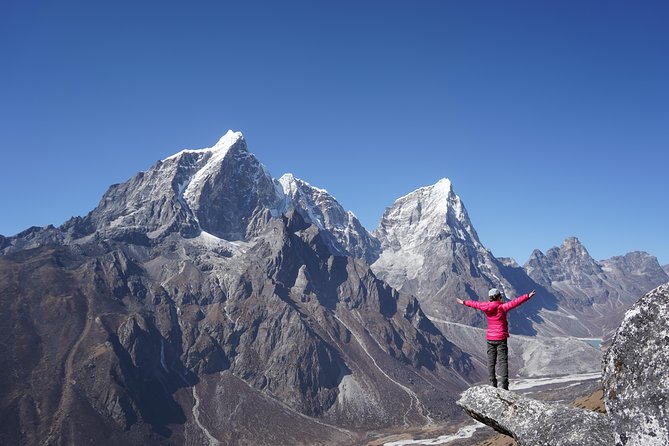
Your trip begins in Kathmandu with an Airport Representative meeting you at Tribhuwan International Airport. You’ll get a private tourist vehicle drop to your hotel, then you can rest or head to the office to get the details straight before flying.
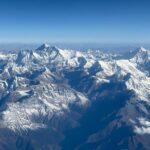
The big early-day moment is the flight from Kathmandu to Lukla. After breakfast, you drive to the domestic airport terminal and then lift off in the early morning, with the promise of outstanding views of sunrise on snowcapped mountains as you fly. You land at Tenzing-Hillary Airport, which is one of those places where the approach alone tells you you’re really in Nepal’s high country.
If you like a trip that wastes less time on admin and more time on momentum, this opener is built for you. Also, having pickup offered and a mobile ticket is the kind of small convenience that matters when you’re tired from travel days.
You can also read our reviews of more hiking tours in Kathmandu
Sagarmatha National Park entry and Namche acclimatization you can feel
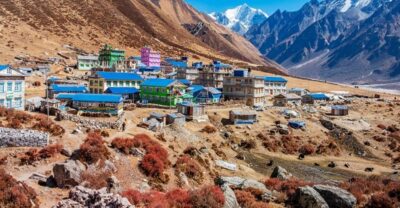
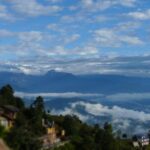
Day 3 moves through forests and river country before you settle into the Khumbu region. You pass pine forests and the Dudh Koshi River, and you get views of Mount Thamserku. There’s also a check post and the entrance into Sagarmatha National Park, which gives the trek an official feel from the start.
Then comes Day 4 in Namche Bazaar, the biggest settlement in the Khumbu area. It’s a rest day for acclimatization, but it’s not a total idle day. You’ll take a short hike to a nearby viewpoint, which is exactly the kind of gentle movement that helps your body adjust without burning your legs.
Namche itself is useful for more than just altitude reasons. The area has ATMs, internet cafes, restaurants, and bakeries, so you’re not stuck in a world of only tea and silence. That means you can handle practical needs while still keeping the schedule focused on acclimatizing.
A small practical note: if you come in with good socks and a calm attitude, Namche is where you’ll thank yourself for it. You’ll likely be glad you can buy simple essentials or just settle into the rhythm of higher, thinner air.
Phorse and Dingboche: passes, monastery visits, and big mountain framing
Day 5 starts after breakfast in Namche and heads to Phorse. The trek includes Mugla Pass, and on the way you’re looking for glimpses of Mount Ama Dablam, Mount Khumbu, and Mount Thamserku. After that, there’s a descent to the Dudh Koshi and a crossing, so you’re moving between viewpoints and river terrain instead of only climbing.
What I like about this day is the variety. Pass days can feel like pure uphill work, but your route has enough scenery changes to keep it engaging. And the guide matters here: you want someone who can keep the group at a steady effort level so you arrive without steamrolling your energy.
Day 6 takes you from Phorse to Dingboche, with a stop that includes a visit to the biggest Buddhist monastery in the region. You also pass through alpine forests and villages on the way up, including upper Pangboche and additional small settlements toward Sho… (the name is cut off in the itinerary text, but the point is clear). This is one of those days where the walking is tied to local life, not just the next hotel bed.
Dingboche becomes a base for the next push. It’s also the kind of place where the pace changes from exploration to focus, because the route is building toward glacier and base-camp territory.
Duglha toward Chola: moraine walking, prayer flags, and a slow-burn payoff
Day 7 begins climbing from Duglha through the Khumbu Khola valley. Along the way you see yak herders’ area at Dusa and Phulong Karp, described as the camp of the first successful Everest Expedition in 1953. That detail gives the day meaning beyond scenery; you’re not just hiking through a map, you’re walking through the story layers of the region.
Then you continue toward Chola Lake, and you’ll be moving through classic high-mountain terrain where your body learns the pace. This is the segment where your effort level has to stay steady. Going too fast early can turn the next few days into a battle.
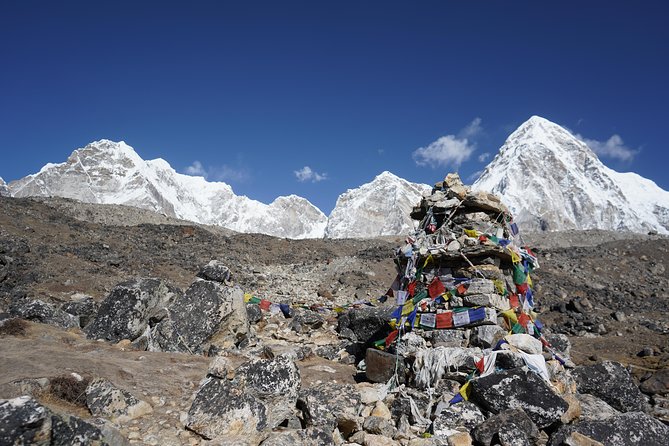
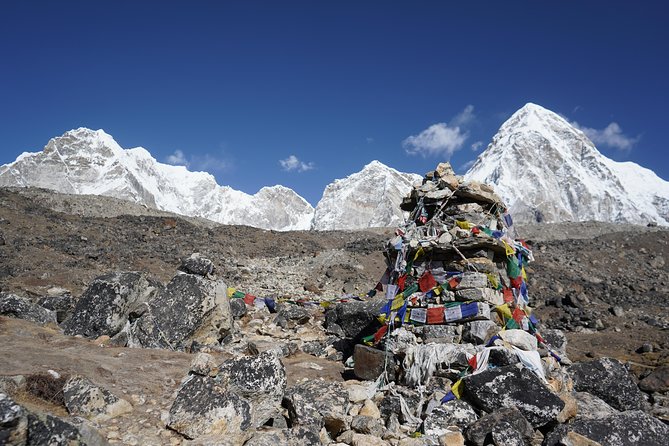
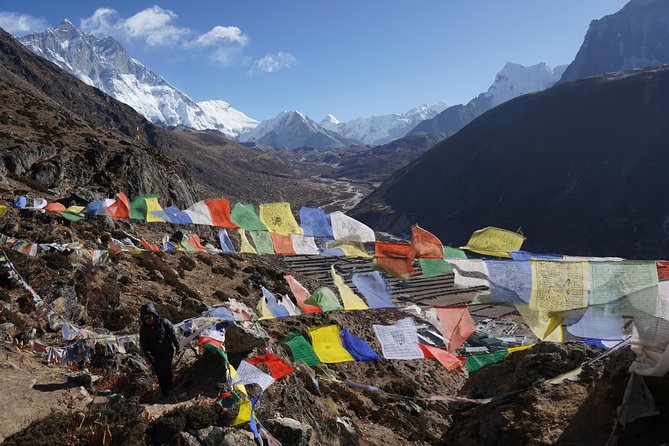
Day 8 is where the scenery turns sharper. You walk up the steep terminal moraine of the Khumbu glacier, then begin the ascent to Chupki Lhara. The itinerary notes slopes with boulders and a sense of moving through a field of prayer flags and stones with prayer markings.
If you’re the kind of traveler who enjoys small, human details in big places, this day delivers. Those prayer flags aren’t just decorations; they’re part of how people mark and respect the mountains they depend on.
Thangma Riju: the day Everest hides, and that’s part of the plan
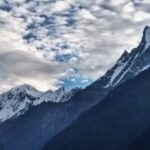
Day 9 is labeled as the most important day of the route. The key stop is Thangma Riju, where you can experience a 360-degree panoramic view of snowcapped mountains. One interesting detail: Mount Everest isn’t seen from here, even though it’s a crucial viewpoint stop.
That sounds counterintuitive, but it’s actually helpful. It means your big mountain experience isn’t one single reveal. Instead, you build anticipation, then you get different angles at different elevations and times. You also get a clearer idea of how the massif sits in the wider region.
This is one of the days where having a guide is more than comfort. If you’re trying to reach a viewpoint without getting turned around in high terrain, guidance keeps the experience safe and stress-free. You’re focusing on the view, not on re-reading the route every half hour.
Kala Patthar sunrise and the Everest Base Camp moment
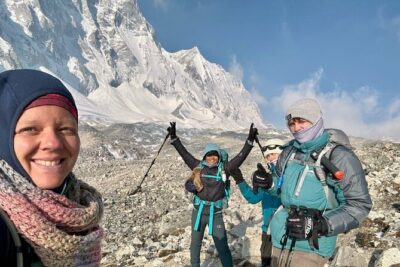
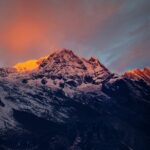
Day 10 is built around timing. The trek starts much early in the morning so you can witness a glimpse of Mount Everest as dusk turns to bright morning with the light of the day. On the way, you continue along the sunrise route before reaching the highlight stop at Kala Patthar for sunrise view.
Kala Patthar is one of those places people talk about because the payoff is tied to early-morning conditions. Here, you get a scheduled stop with free admission and about 30 minutes. Whether you’re a sunrise person or not, plan to treat that time as sacred. Dress warmly, keep your movements slow, and don’t waste the light by being fiddly.
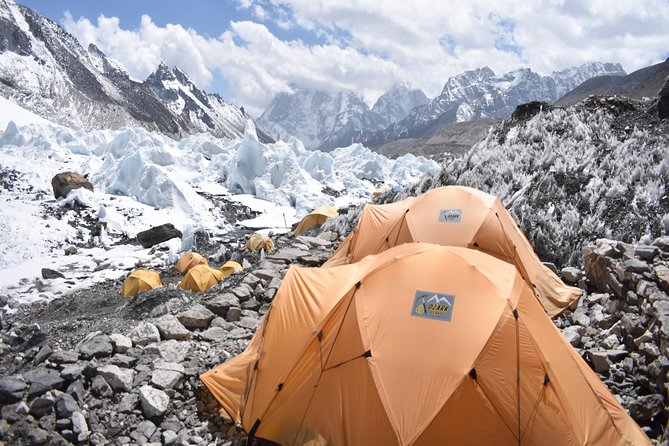
Then there’s the Everest Base Camp Trekking Route stop, also listed as about 30 minutes with free admission. This is the symbolic culmination: you reach the world’s highest mountain zone, even if you don’t stay there forever. The schedule keeps the moment intense and then moves you on, which is good for your energy and your altitude management.
One thing I appreciate about this structure is that it avoids turning base camp into a long, exhausting detour. You get the core experience, then you’re guided toward the next phase: coming back down.
Coming back through Pheriche, Pangboche, and the Dudh Koshi descent
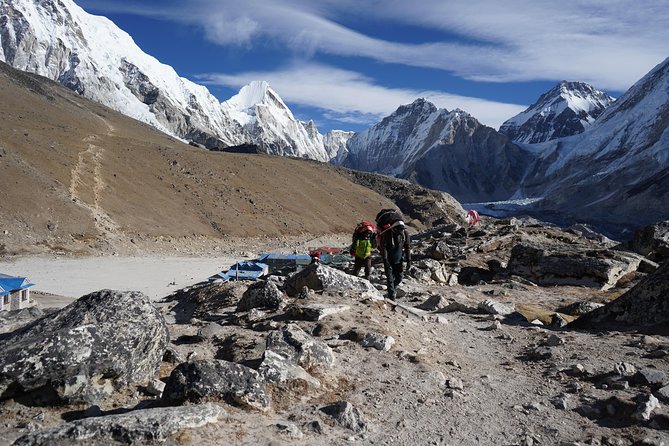
Day 11 starts the descent via the Jame route back to the terminal moraine area at Duglha. You pass through Pheriche and Orsho, along with Shomare. Then you reach Pangboche village, where the itinerary notes you can explore an old… (the text cuts off), but the idea is you’ll have time for village atmosphere and local heritage as you move downward.
Descending is not automatically easier. Your legs still do the work, and you want to keep your pace controlled to protect knees and ankles. With a group, a guide helps keep everyone steady so you don’t end up with a sprint-and-slump situation.
Day 12 is the last big walking day on the trek, with a steep downward trail. The itinerary specifically says trekkers need to walk really slow and controlled on steep rocky terrain until reaching a suspension bridge over the Dudh Koshi. That bridge is a psychological checkpoint as much as a physical one. It signals you’re leaving the toughest terrain behind and heading back into river and village country.
This is where the trip can test you mentally. If you start the descent thinking only about speed, you’ll feel more tired. If you start it thinking about rhythm and careful steps, you’ll feel better at the end.
Lukla to Kathmandu by mountain flight, then Kathmandu valley time
Day 13 brings a mountain flight from Lukla back to Kathmandu. That flight is a second chance to see the region from the sky, and it breaks the cycle of hiking-only days. Once you arrive, the schedule shifts to easier city time: shopping and walking around Kathmandu.
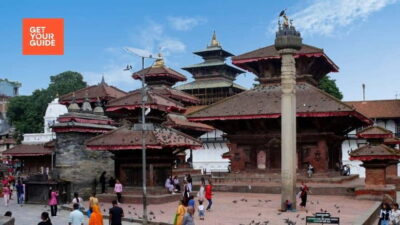
Day 14 is your final day in Nepal. You’ll have time for sightseeing around the Kathmandu valley and shopping again, before heading to Tribhuwan International Airport for your scheduled departure flight.
This is a smart way to end. Your body has recovered enough from the trek to enjoy being horizontal in a city, but you still get one last batch of Nepal experiences: markets, streets, and a different pace than the mountains.
Price and value: what $1,350 buys you (and what it doesn’t)
At $1,350 per person for around 14 days, you’re paying for more than a route on paper. The itinerary includes teahouse accommodation, meals, and local transportation, plus guided small-group support with a max of 10 travelers. For most people, that combination is what makes the trek feel manageable, because you don’t have to juggle where you’ll sleep or eat each day.
You’re also getting airfare logistics handled at the key moments: the early drive and flight to Lukla, then the mountain flight back to Kathmandu. Those flight segments are usually the parts that can create stress for independent trekkers.
Small extras also add up: pickup offered, group discounts, and mobile ticket convenience. Those don’t sound dramatic, but after a few days in the mountains, anything that reduces friction feels like part of the value.
What the price won’t do is erase the effort. You’ll still need to bring the right gear, maintain a steady pace, and accept that the trek is cold at altitude. The tour operates in all weather conditions and asks you to dress appropriately, so your comfort depends heavily on your packing choices.
Who should book this Everest Base Camp trek, and who might want a different plan
This trek suits active, moderately fit travelers. It’s also designed to reduce risk from navigation mistakes by going with a guide and keeping the group small (max 10). If you want to focus on the views and cultural learning rather than planning logistics, this format is a strong match.
It’s less ideal if you’re easily discouraged by long days of walking or if steep, rocky downhill sounds like a deal-breaker. Day 12 especially has that slow, controlled descent requirement, and your legs will notice.
If you’re traveling solo, small-group setups can be a relief because you’re not figuring everything out alone. At the same time, you still get enough space that you’re not trapped in a huge crowd.
Should you book this Everest Base Camp trek?
If you want an Everest Base Camp trip that feels structured, guided, and practical, I’d say it’s worth booking. The schedule gives you key viewpoints like Thangma Riju’s 360-degree panorama and includes sunrise timing around Kala Patthar, while also handling the day-to-day essentials with teahouses, meals, and local transport.
Book it if:
- You like small groups and want the safety of guide-led navigation
- You want the itinerary built around sunrise and viewpoint moments
- You prefer a trip where lodging and meals are handled, not negotiated each day
Reconsider it if:
- Your fitness isn’t strong enough for long walking days and steep rocky terrain
- You know you struggle with cold and wind and don’t plan to dress for it
- You’d rather build your own logistics from scratch
FAQ
How long is the Everest Base Camp trekking experience?
It’s listed as 14 days approximately.
What’s included in the trek price?
Teahouse accommodation, meals, and local transportation are included.
What is the maximum group size?
The trek has a maximum of 10 travelers.
Will someone meet me at the Kathmandu airport?
Yes. An Airport Representative meets you at Tribhuvan International Airport and arranges a drop to your hotel by private tourist vehicle.
Do I need a passport to join?
Yes. A current valid passport is required, and you must provide passport name, number, expiry, and country at the time of booking.
Is there free cancellation?
Yes, free cancellation is available. You can cancel up to 24 hours in advance for a full refund.