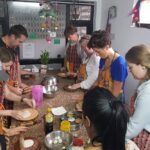
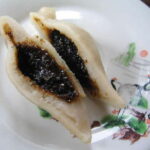
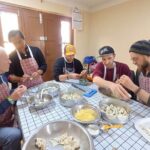
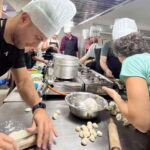
Momo making in a home kitchen beats tours. The hands-on Kathmandu momo class is built around the full process, from dough to dumplings to eating with the family. You’ll be working in a real home kitchen, not a staged cooking demo, and you’ll leave with skills you can actually use back home.
Two things I really like: you get step-by-step practice (kneading, filling, folding), and you finish by sitting down with the host and family to enjoy your momos together. One potential drawback: it’s not recommended if you have gluten allergies.
The best part is the way the class turns food into conversation. You’ll be encouraged to jump in, ask questions, and learn how local cooks think about texture, portioning, and folding. It’s fun, a little messy, and very Kathmandu in the most human way.
In This Review
- Key highlights you’ll feel right away
- Why momos matter in Kathmandu (and why this class isn’t just food)
- Your 2.5-hour flow: what happens from start to finish
- Kneading dough and building fillings you’ll understand
- Folding techniques: where the real learning happens
- Cooking your momos (and tasting what you made)
- Chicken, buffalo, and veg: how the options work
- Kathmandu home-kitchen setting: the difference between a class and a performance
- Price and value: is $35 worth it?
- Where you start (and how you’ll get there) without stress
- Who should book this momo class (and who should skip)
- Final verdict: should you book the Momo Cooking Class – The Art Of Making MoMo?
- FAQ
- Where does the momo cooking class start?
- How long is the cooking class?
- What does the class include?
- Is it private or shared with other groups?
- Do they make both veg and non-veg momos?
- Is there a mobile ticket?
- Is it recommended for gluten allergies?
- What’s the cancellation window?
Key highlights you’ll feel right away
- A full momo workflow: dough, filling prep, folding, then cooking
- Home-kitchen setting: you learn where the family actually cooks
- Veg and non-veg included: from chicken and buffalo to vegetable options
- Private group format: only your group participates
- Time stays focused: about 2.5 hours, then you eat what you made
Why momos matter in Kathmandu (and why this class isn’t just food)
If you’re in Kathmandu, momos are the food everyone knows. They’re one of those Nepalese staples that show up again and again because people genuinely love them—not because they’re trendy. That’s exactly why a cooking class like this works so well: you’re not just trying a dish. You’re learning the method behind a dish locals make all the time.
And because it’s a dumpling, the whole experience has built-in satisfaction. You can see your work change from sticky dough into neatly folded little parcels. Then heat does the rest. Even if you’ve never folded anything like this, the class format makes it approachable.
I also like that this isn’t pitched as a highbrow lesson. It’s practical. You’ll be taught in a friendly, patient way, and the pace is set so kids and adults can join in comfortably. That matters in a workshop setting. Cooking classes can turn stressful fast if they’re overly strict or too fast.
You can also read our reviews of more cooking classes in Kathmandu
Your 2.5-hour flow: what happens from start to finish
The experience runs about 2 hours 30 minutes. It’s designed to feel complete within that window, so you’re not stuck waiting around while someone else does everything.
Here’s how the class typically moves:
- You start in Kathmandu and head to the host’s kitchen for the workshop portion.
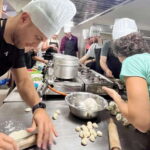
- You begin with kneading the dough, which is where you learn how the base should feel.
- Next comes ingredient prep, so the filling is ready before folding starts.
- Then you spend real time on folding the momos—the signature part.
- Finally, the momos are cooked, so you get the payoff quickly rather than later.
After cooking, you don’t just grab food and vanish. You sit with the host and family to enjoy your momos and chat. That last part is a big deal. In many food experiences, you eat and move on. Here, you slow down long enough to connect, and you learn what people actually care about day to day—usually through the most normal topics, like how they make things at home and what they like to eat.
Kneading dough and building fillings you’ll understand
The dough step sounds basic, but it’s actually the foundation of everything. If the dough is too dry, it won’t fold well. If it’s too soft, it can lose shape. In this class, kneading is taught as a key skill, not a warm-up.
Then there’s the filling prep. This is where you learn that momos are flexible. The class covers chicken, buffalo, and vegetable options. So instead of learning a single flavor path, you get a sense of how different fillings change the process and the way you portion.
What I love about this setup is that it keeps you engaged. You’re never only watching. You’re always doing the next step—mixing, prepping, shaping, or folding. It’s the kind of pacing that makes time feel shorter than it is.
Folding techniques: where the real learning happens
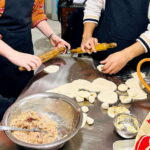
Folding momos is the part most people remember. It’s also the part most people worry about at the start, because it looks precise. The good news is the class is structured to teach you how, with a friendly and patient approach that works for beginners.
In practice, this means you don’t have to arrive with confidence. You just need willingness to try. You’ll likely spend enough time working that your hands start to “get it.” The folds become more consistent, and the dumplings start to look like proper momos rather than experiments.
A practical tip: focus on the process rather than aiming for perfect looks. If you nail the dough feel and the portioning, the folding becomes much easier. The class format supports that mindset because it’s step-by-step and hands-on.
Cooking your momos (and tasting what you made)
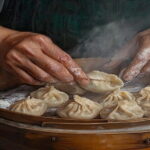
Once the folding work is done, you get to cook the momos. This is where the workshop payoff kicks in. Watching a dumpling go from raw folded shape to something steaming and ready is hugely satisfying, especially when you made it yourself.
Then you eat. And you don’t eat alone. You sit down with the host and family and enjoy your momos together. That meal moment matters for two reasons:
- You learn what “good” should taste like in a local kitchen.
- You get a natural chance to ask questions without it feeling like an interview.
If you care about food travel beyond checking off dishes, this is the value. You’re learning the dish as a living habit, not as a souvenir.
You can also read our reviews of more tours and experiences in Kathmandu
Chicken, buffalo, and veg: how the options work
You’ll be offered momo types including chicken, buffalo, and vegetable. That gives you choice, and it also lets you compare what different fillings feel like to work with.
Some sessions may include more than one type, since the class structure covers both veg and non-veg. If you have dietary preferences, it’s smart to mention them at booking so the host can plan what you’ll be working on.
One thing to note: it’s not recommended for travelers with gluten allergies. Dumpling dough typically involves wheat-based ingredients, so if gluten is a concern, skip this activity. You’ll enjoy the experience much more when you can eat without worry.
Kathmandu home-kitchen setting: the difference between a class and a performance
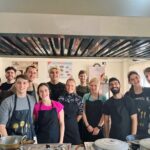
This is a cooking class in a host’s kitchen, and that shows. The atmosphere is warm and informal, the kind of place where people cook and chat because that’s what they do.
In the classroom experience, you should expect:
- Friendly instruction geared toward helping you actually learn
- A pace that lets different ages participate
- A translator setup in some cases, which can help if English isn’t your first language
Also, the experience runs as a private tour/activity, meaning it’s just your group. That changes the vibe. You can move at a comfortable speed, ask more questions, and feel less rushed than in a big multi-group schedule.
Price and value: is $35 worth it?
At $35 per person for about 2.5 hours, this class is priced like an accessible Kathmandu food experience rather than a luxury activity. And honestly, it’s good value when you look at what you’re getting.
You’re not paying mainly for a meal. You’re paying for:
- Instruction in multiple steps (dough + filling prep + folding + cooking)
- Time in a real home kitchen setting
- A chance to eat what you made with the family
- A private-group format
That combination is what makes the price feel fair. Cooking classes that only teach one quick technique or only involve tasting tend to be less satisfying. Here, you’re involved the whole time.
If you want a deeper souvenir than photos—something practical and memorable—this is a solid way to spend part of a Kathmandu day.
Where you start (and how you’ll get there) without stress
The meeting point is People’s Dental College & Hospital, Sorakhutte (Sorakhutte Chowk), Kathmandu 44600, Nepal, and the experience ends back at the same meeting point.
You’re also told it’s near public transportation, which is helpful in a city where things can take longer than expected depending on traffic. The class may involve someone guiding you from the meeting area to the host’s home kitchen, and in at least some cases people are met and taken from their hotel by the guide.
What you should do: plan to arrive a little early, keep your phone charged for the mobile ticket, and build in buffer time. Workshops run on a clock, and Kathmandu schedules can be flexible but kitchens like punctuality.
Who should book this momo class (and who should skip)
This is best for you if:
- You love Nepalese food and want to understand it, not just taste it
- You enjoy hands-on activities more than observation
- You’d like a more human travel moment—eating with the host family matters to you
- You’re coming as a family or small group and want an activity that works across ages
Skip (or at least think twice) if:
- You have gluten allergies, since the class includes momo dough
- You’re looking for a quick snack experience. This one is a real workshop, so you should expect to work with your hands and stay focused for the full session
Also, if you’re only in Kathmandu for a short time, choose this class wisely. It’s not a “drop in whenever.” The value is highest when you’re ready to commit the full ~2.5 hours.
Final verdict: should you book the Momo Cooking Class – The Art Of Making MoMo?
I’d book it if you want a Kathmandu food experience with real participation. The best parts—hands-on cooking, learning folding, and sharing the meal with the host family—make it feel personal rather than transactional. And with a private group format and a friendly, patient teaching style, it’s beginner-friendly without being watered down.
Don’t book it if gluten is a concern. Also, if you’re the kind of traveler who hates messy, hands-on activities, you may find the dough and folding steps less fun.
If you’re okay with getting a little flour on your hands and learning something you can repeat later, this is one of the most satisfying ways to spend an afternoon in Kathmandu.
FAQ
Where does the momo cooking class start?
It starts at People’s Dental College & Hospital, Sorakhutte (Sorakhutte Chowk), Kathmandu 44600, Nepal.
How long is the cooking class?
The duration is about 2 hours 30 minutes.
What does the class include?
You’ll learn the process of making momos, starting with kneading dough, preparing ingredients, folding the momos, and then cooking them.
Is it private or shared with other groups?
It’s a private tour/activity, so only your group participates.
Do they make both veg and non-veg momos?
Yes. The class includes veg and non-veg momos, including options like chicken and buffalo.
Is there a mobile ticket?
Yes, it includes a mobile ticket.
Is it recommended for gluten allergies?
No. It is not recommended for travelers with gluten allergies.
What’s the cancellation window?
You can cancel for a full refund up to 24 hours in advance of the experience start time. Changes within 24 hours are not accepted.