REVIEW · KATHMANDU
Kathmandu: Local Women-Lead Nepali Cooking & Momo Class
Book on GetYourGuide →Operated by Luxury Holidays Nepal · Bookable on GetYourGuide
Momo dough gets in your hands fast. This Kathmandu class has you making momo and dal bhat from scratch with a real Nepali chef, then topping it off with a market run for fresh ingredients. One possible snag: the final dishes you make depend on what the small group agrees to cook.
I like that this isn’t a lecture. You’re working step by step with English instruction, and the vibe is friendly and hands-on (names you may hear include Nish and Nishma). Add in complimentary Nepali masala tea during the class, and it’s a simple way to leave Thamel with both skills and a full stomach.
In This Review
- Key Things That Make This Cooking Class Worth Your Time
- Why a Thamel Momo Class Feels Like the Best Shortcut
- From Kathmandu Cooking Academy to the Market: Getting Ingredients That Actually Matter
- Shaping Momo: How the Class Turns Hands-On Skills Into Real Technique
- A small planning note
- Dal Bhat Done Right: The Comfort-Plate Course You’ll Actually Remember
- Picking Your Third Dish and Dessert: How the Group Choice Works
- If you’re solo, here’s the vibe
- Timing and Tea: What the 3–4 Hours Really Feel Like
- Price and Logistics: Is It Good Value for $5?
- Pickup note
- Who This Cooking Class Fits Best (and Who Should Reconsider)
- Age and comfort considerations
- Should You Book This Kathmandu Momo and Dal Bhat Class?
- FAQ
- How much does the Kathmandu momo and Nepali cooking class cost?
- How long is the cooking class?
- Is hotel pickup and drop-off included?
- Where do I go to meet the class?
- What dishes will I cook?
- Is Nepali masala tea included?
- What language are the instructions in?
- Is the class wheelchair accessible, and is it a small group?
- What should I bring, and what if I have allergies?
Key Things That Make This Cooking Class Worth Your Time
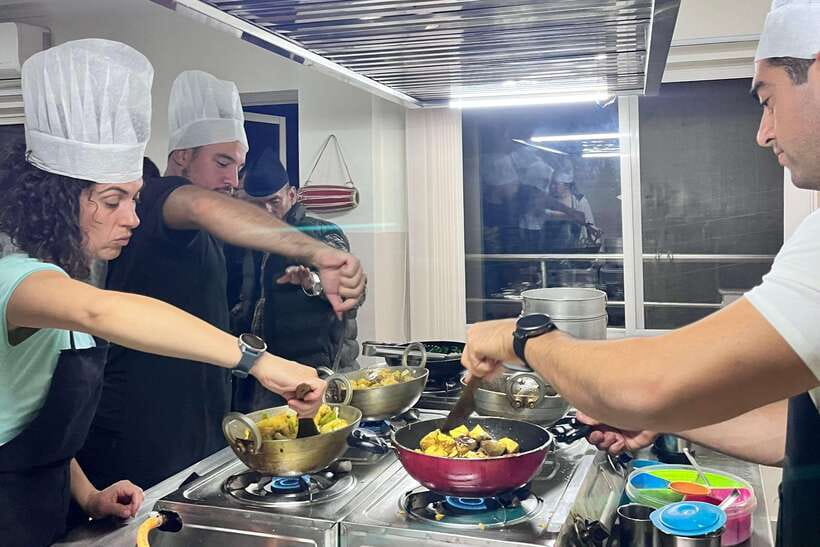
- Momo + dal bhat are the core, not just side dishes you watch someone else assemble
- A market/shop stop first, so you understand what you’re buying and why
- Small group limit (max 10) keeps the teaching personal
- English instruction from the chef/instructor, with patient help when your folds go sideways
- You eat what you make, including tasting of the final dishes plus Nepali masala tea
Why a Thamel Momo Class Feels Like the Best Shortcut
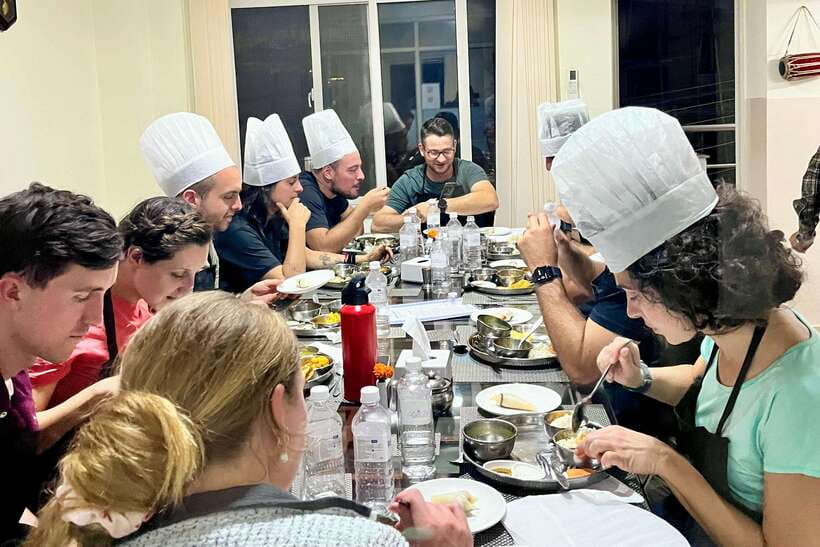
Kathmandu has plenty of food, but learning the patterns is the hard part. This class gives you a clear route: you pick ingredients, learn technique, cook the two biggest Nepali comfort foods, and then eat them before you go. For most visitors, that’s the fast track to meaningful results.
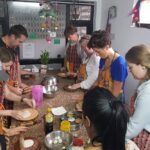
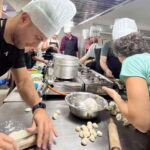
It also helps that the session is built around real kitchen tasks. You aren’t just chopping and walking away. You’re shaping momo, working with staples like lentils and rice for dal bhat, and getting guidance on how the finished food should look and taste. And because it’s a small group (up to 10), you’re more likely to get quick fixes when something goes wrong—like when your dumplings refuse to seal.
You can also read our reviews of more cooking classes in Kathmandu
From Kathmandu Cooking Academy to the Market: Getting Ingredients That Actually Matter
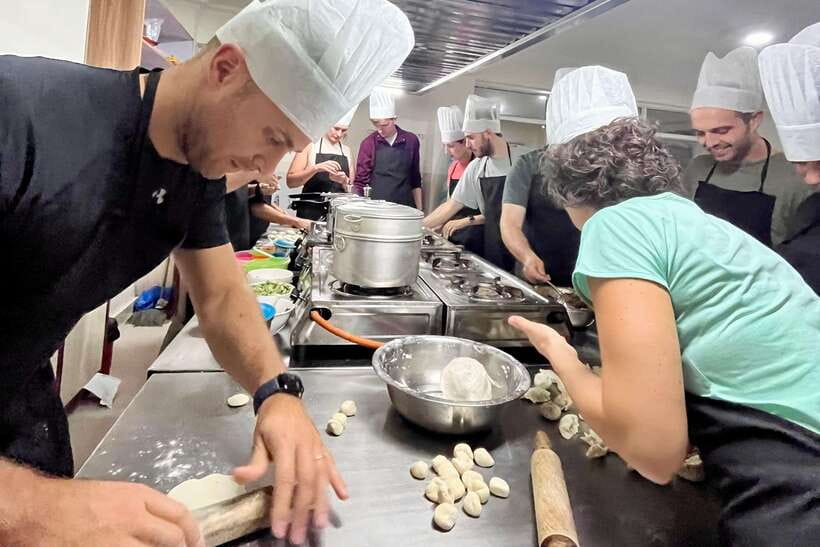
Your day starts at Kathmandu Cooking Academy in Thamel (the organizer’s map pin is Kathmandu Cooking Academy). If you choose hotel pickup, you’ll be picked up somewhere within Kathmandu Valley. Either way, the goal is the same: get fresh ingredients before cooking.
That market/shop time matters more than it sounds. Nepali cooking relies on specific aromatics and everyday staples that change depending on freshness. When you see what’s available and how it’s chosen, you’ll cook with more confidence later—even if you’re making a version at home.
It’s also a good cultural checkpoint. You’ll notice how local cooking starts with buying for the day rather than pulling from a pantry that might not have the right spices. If you’ve ever eaten great Nepali food and wondered why your at-home attempts felt flat, this ingredient step is where the difference begins.
Shaping Momo: How the Class Turns Hands-On Skills Into Real Technique
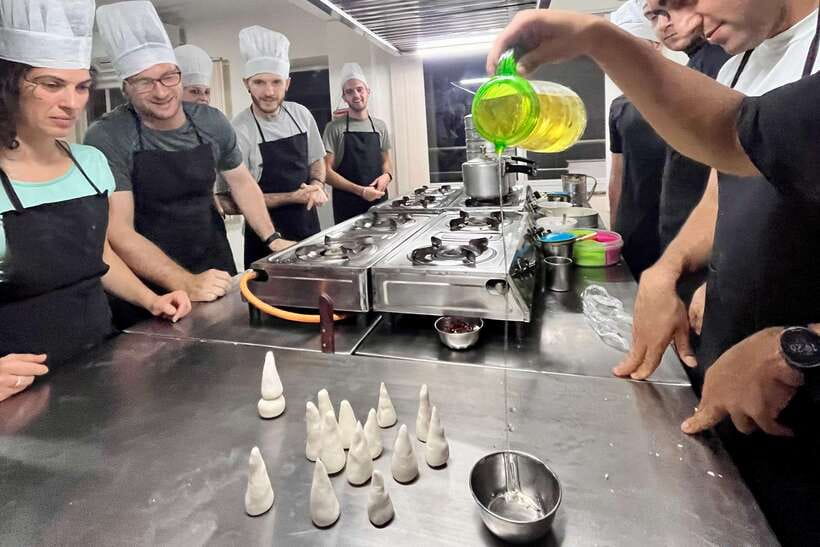
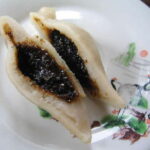
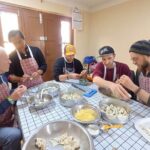
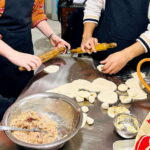
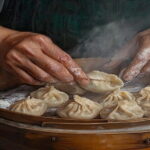
Momo is the headline here, and you’ll get practice rather than just observation. The class focuses on making momo through step-by-step guidance from the chef/instructor. That matters because momo isn’t only about taste; it’s about texture and sealing.
Here’s what to pay attention to as you cook:
- Dough handling: the class format usually shows you how to work with it so it stays workable
- Filling balance: you’ll learn how much stuffing feels right so dumplings cook evenly
- Sealing and shaping: this is where your technique improves fast, especially with quick feedback
You’ll likely make enough to taste what you’re producing, not just sample a single dumpling. One of the best-reviewed parts of the experience is that the instruction feels thorough, and the chefs are patient—so you can focus on learning instead of panicking. Names you might hear around the kitchen are Nish and Nishma, and both come up in feedback as English-speaking, friendly guides.
A small planning note
One review detail that’s worth knowing: you may not automatically get every dish you want if the group is voting on options. If momo is your must-do, speak up early during the dish-selection moment.
Dal Bhat Done Right: The Comfort-Plate Course You’ll Actually Remember
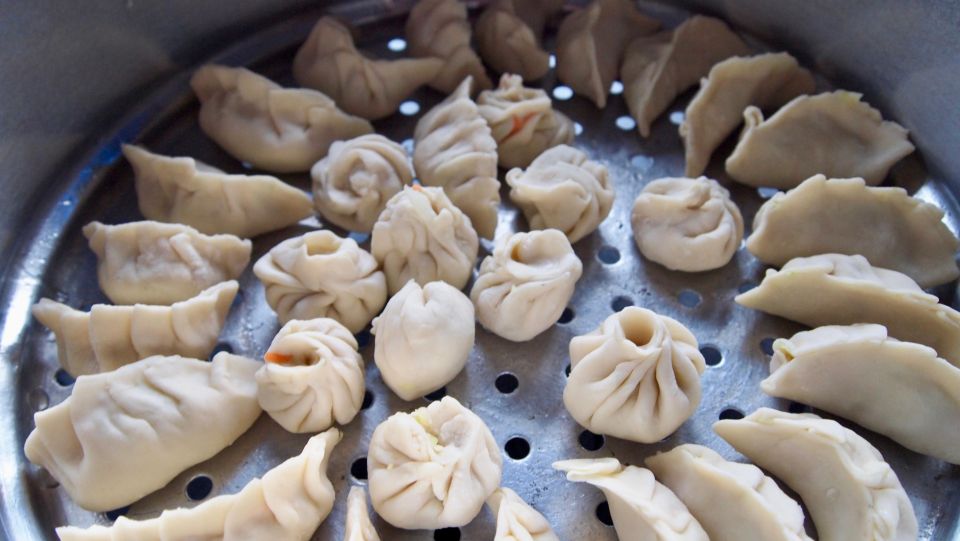
Dal bhat is Nepal’s staple, and learning it changes how you think about Nepali meals. In this class, dal bhat is part of the core cooking focus, with guidance that keeps it practical.
Even if you already like lentils, dal bhat has a specific rhythm:
- the lentils and seasonings are what carry the flavor
- rice is the balancing partner
- the overall plate is meant to be filling and comforting
What you gain from a class like this is not just a recipe. You learn how the dish is built and what the finished dal bhat should feel like. That’s the piece that helps when you try again at home and realize it isn’t just about adding the same spices—it’s about timing and consistency.
If you’re vegetarian, there’s also evidence the chefs can adjust. One set of feedback explicitly mentions vegetarian preference and spice level being handled without problems, which is a big plus for anyone worried about flavor control.
You can also read our reviews of more tours and experiences in Kathmandu
Picking Your Third Dish and Dessert: How the Group Choice Works
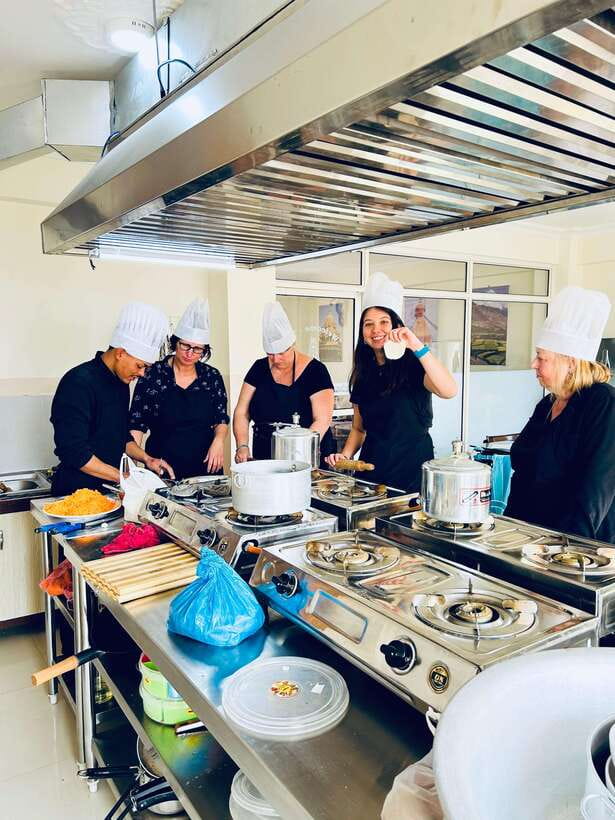
In addition to momo and dal bhat, you’ll have the chance to choose another dish for a fuller meal, plus dessert. In practice, how this plays out can vary by group, since you’re in a small group and the cooking plan is decided together.
A few examples mentioned in feedback include choices like:
- chicken momo (momo variations)
- aloo chop (spiced mashed potato patties)
- mushroom choila
- additional items like barra in some sessions
Dessert selection isn’t detailed in the core description you were given, but you should expect dessert as part of the lesson structure. The value here is that you aren’t leaving with just one technique. You’re going home with a broader picture of what a Nepali meal can include.
If you’re solo, here’s the vibe
Even if you show up alone, the class is designed to run with a small group. In some cases, classes may still operate if the group doesn’t hit the minimum, so you might get a more one-on-one feel than you expected. That said, seating and how you eat can depend on group dynamics, so if you’re sensitive to that, just be prepared for it to be a little social, a little structured.
Timing and Tea: What the 3–4 Hours Really Feel Like
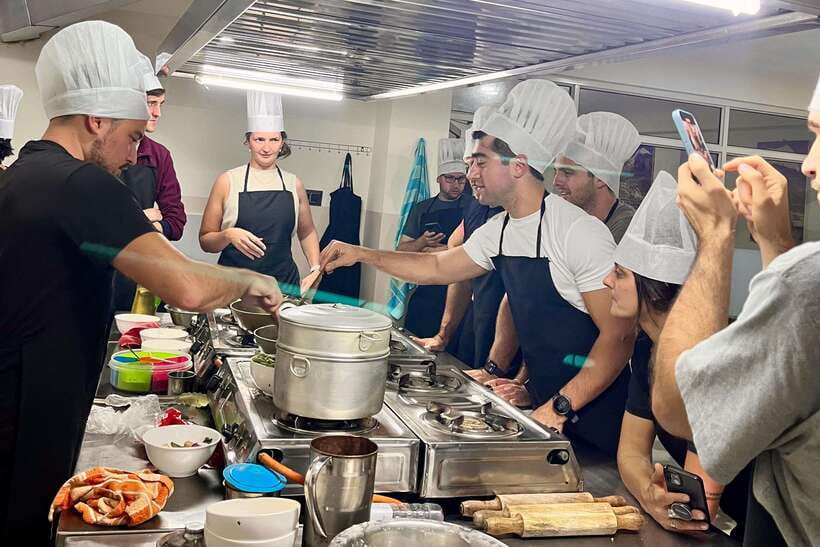
The class duration is listed as 3–4 hours, and typical sessions are around 3 hours when you include the market visit and cooking. In the Thamel schedule, you should also plan for closer to 4 hours if the day runs a bit long.
This is what the timeline usually means on the ground:
- Arrive about 15 minutes early so you don’t stress the start
- Start with a market/shop stop, where you choose ingredients
- Move into a hands-on kitchen, where you cook with step-by-step guidance
- Taste what you made, with Nepali masala tea served during the lesson
The masala tea isn’t just a nice extra. In Nepal, tea often functions like a reset button—warm, spiced, and grounding—so it makes the cooking session more enjoyable, especially when you’re learning technique and your fingers are busy.
Also, all cooking equipment is provided. That’s a big deal in Kathmandu, where you don’t want the hassle of figuring out what you need to bring or how a kitchen will be set up. Bring a camera if you want photos of your work and the market.
Price and Logistics: Is It Good Value for $5?
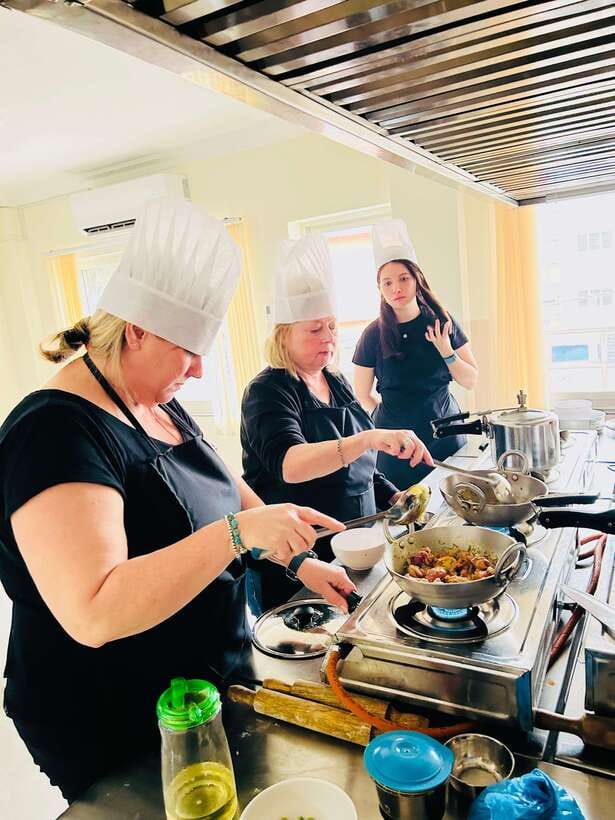
At about $5 per person, this is one of the easier Nepal food experiences to justify. The price-to-time ratio is strong, mainly because you get multiple components packed into one session:
- market/shop ingredient selection
- hands-on cooking instruction
- equipment and accessories provided
- tasting of what you make
- complimentary Nepali masala tea
- and optional hotel pickup/drop-off (if selected)
In other words, you’re not paying just for a recipe sheet. You’re paying for guided cooking, fresh ingredients, and a chance to practice technique in a real kitchen.
Pickup note
Hotel pickup is optional and only happens if you select it. If you don’t, you’ll need to make your own way to the venue in Thamel. Kathmandu traffic can also affect timing, so if you’re trying to connect to something right after the class, give yourself a buffer.
Who This Cooking Class Fits Best (and Who Should Reconsider)
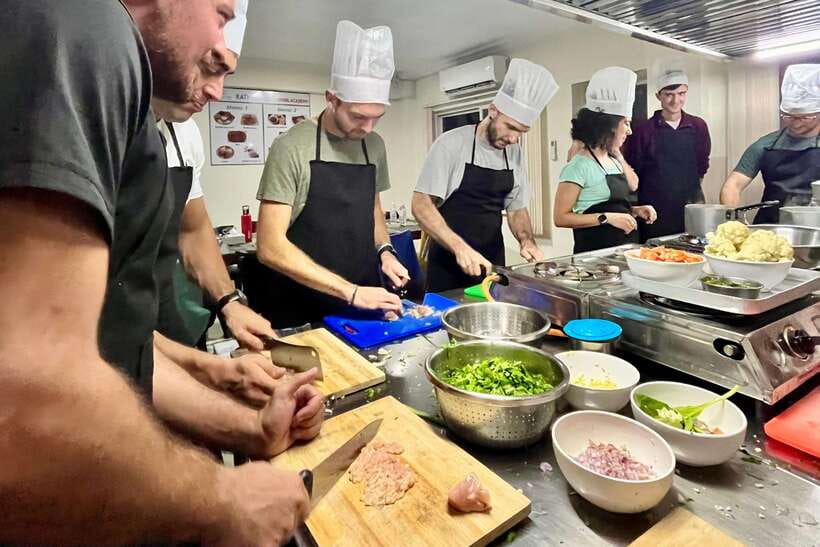
This activity is ideal for:
- food lovers who want more than a snack and want to learn technique
- visitors staying near Thamel who want a practical cultural food experience
- anyone who likes cooking classes where you actually work with your hands
It’s also friendly to different dietary needs because you can inform the organizer in advance about allergies or restrictions so they can accommodate you.
Age and comfort considerations
- Children above age 7 are welcome with adult supervision
- It’s not suitable for children under 5 and people over 95
- It is wheelchair accessible
If you’re very short on time, the 3–4 hour block is still manageable, but don’t stack it immediately before or after a flight. And if you’re extremely picky about which exact dishes you want, be aware the group’s selections can shape what gets cooked that day.
Should You Book This Kathmandu Momo and Dal Bhat Class?
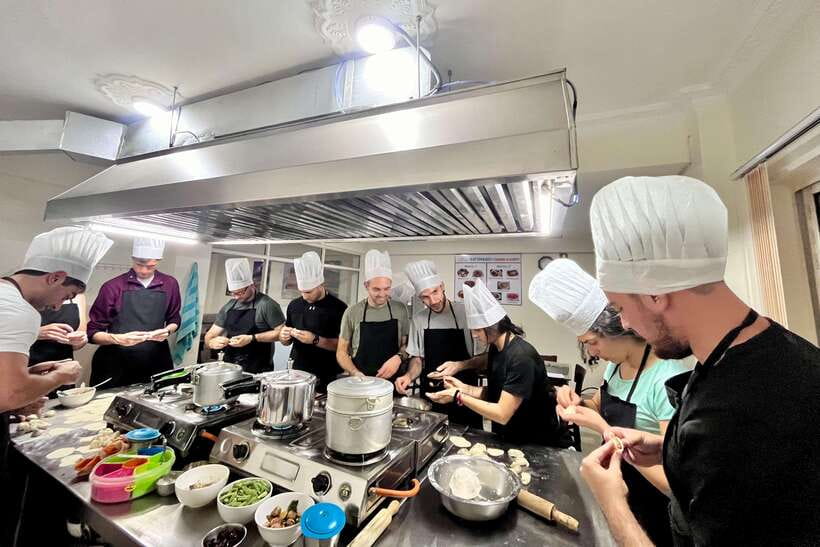
If you want a Kathmandu food experience that turns into real skills, I’d book this. The best reason is simple: you don’t just taste Nepali cooking here—you practice it. The combination of momo and dal bhat gives you two strong anchors, and the market step helps you understand ingredients instead of copying a vague list.
I’d think twice only if you’re expecting a totally private menu where you cook exactly what you want with zero group negotiation. In most cases, the class is small and the chefs do a great job teaching, but dish choices can still depend on what the group agrees to make.
If your goal is to go home confident in Nepali basics—especially momo technique and dal bhat fundamentals—this is one of the most straightforward ways to get there in Kathmandu.
FAQ
How much does the Kathmandu momo and Nepali cooking class cost?
The price is listed as $5 per person.
How long is the cooking class?
It lasts 3–4 hours, and the class typically lasts around 3 hours including the market visit and cooking time.
Is hotel pickup and drop-off included?
Hotel pickup and drop-off are available only if you select the option during booking.
Where do I go to meet the class?
Find Kathmandu Cooking Academy on Google Maps for the meeting point.
What dishes will I cook?
You’ll focus on momo and dal bhat, and you’ll also choose an additional dish for a well-rounded meal, plus a dessert.
Is Nepali masala tea included?
Yes. Complimentary Nepali masala tea is served during the lesson.
What language are the instructions in?
The instructor provides instruction in English.
Is the class wheelchair accessible, and is it a small group?
Yes, it is wheelchair accessible, and the group is small, limited to 10 participants.
What should I bring, and what if I have allergies?
Bring a camera. Arrive at least 15 minutes early. If you have dietary restrictions or allergies, inform the organizer in advance so they can accommodate you.