REVIEW · KATHMANDU
Traditional Nepali Momo Making Classes
Book on Viator →Operated by Classic Nepal · Bookable on Viator
If dumplings could talk, momos would have the best story. This Nepali momo class in Kathmandu brings you into a women-run cooking school where you start with masala chai and then make the filling and wrappers yourself. I like that the teaching focuses on technique you can repeat later, and I like that the ingredients are sourced with an eye toward local farmers and genuine Nepali flavors.
One thing to consider: at about 1 hour 30 minutes, it’s a fun intro rather than a full-day mastering session. You’ll learn a lot, but if you want every folding style and every troubleshooting fix, plan to practice again at home.
In This Review
- Key highlights in Namaste’s Nepali momo class
- Thamel’s women-run cooking school: friendly, focused, and actually practical
- Before the dough: chai, menu selection, and spice context
- Hands-on momo making: dough, filling, and learning to shape
- The lunch part: you eat what you make
- Price and timing: what $18 gets you in Kathmandu
- What you take home: the recipe book (and the skills behind it)
- Who this momo class is best for
- Should you book Namaste Cooking School’s momo class?
- FAQ
- How long is the traditional Nepali momo making class?
- Where does the class start in Kathmandu?
- Is lunch included?
- What language is the class taught in?
- Will they accommodate dietary restrictions or allergies?
- How large is the group?
- Do you get anything to take home?
- What happens if weather is bad or you need to cancel?
Key highlights in Namaste’s Nepali momo class
- Masala chai welcome that sets the tone before you touch dough
- Menu choice + allergy check so the class stays comfortable and safe
- Hands-on momo shaping with step-by-step guidance
- English instruction with time for questions (max 16 people)
- Lunch included, so you eat what you make
- A recipe book keepsake to help you recreate momos later
Thamel’s women-run cooking school: friendly, focused, and actually practical
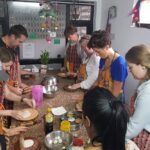
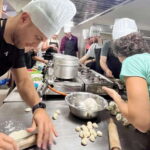
This class takes place in the heart of Thamel, Kathmandu, which is a smart setup if you’re here for food stops anyway. You get an experience that feels less like a performance and more like a small cooking workshop: you arrive, you’re welcomed, and you start working quickly with clear direction.
What I found especially appealing is the school’s emphasis on Nepal’s indigenous culinary heritage. That shows up in the way they talk about ingredients and flavors, and in the way they encourage you to understand what goes into the momo experience, not just follow steps. It’s also women-run, and that matters in a subtle way: the mood tends to feel patient, steady, and hands-on. Several people also mention the teaching team bringing energy beyond cooking, including hints of dance and song from the instructors (not a separate show, more like a warm cultural touch while you learn).
And since the group is capped at 16, you’re not lost in a crowd. Even with beginners, you should be able to get help when your dough is sticking or your filling feels too loose.
You can also read our reviews of more tours and experiences in Kathmandu
Before the dough: chai, menu selection, and spice context
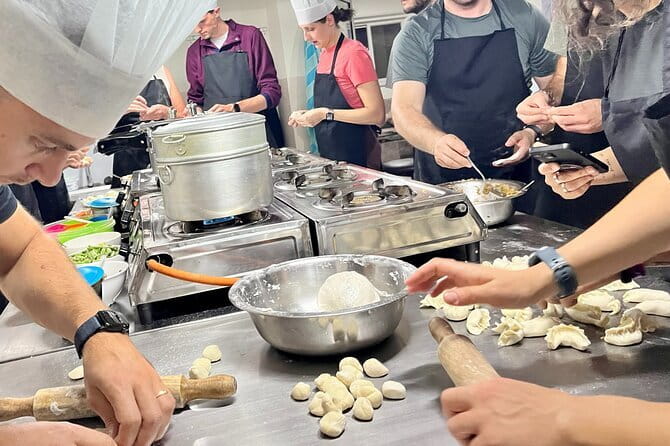
You start at Bhagwati Marg (Kathmandu 44600), with classes beginning at 12:30 pm and ending back at the same meeting point. The timing is ideal if you want a solid lunch plan without turning your afternoon into a scramble.
First comes the warm welcome, usually with a traditional cup of masala chai. It’s more than a drink. It’s the little Nepal hospitality moment that sets you up for a relaxed class where you’re not expected to be fast—you’re expected to learn.
Next is your menu selection. This is where you’ll also be asked about dietary restrictions and allergies. That part matters, because momos are sensitive to small ingredient choices. If you have constraints, you want your filling and flavoring to match what’s safe for you. If you’re unsure about anything, speak up right away—this class is designed to be adjusted.
Then they walk you through Nepali spices—how they fit into the momo flavor profile and how different combinations change the feel of the dish. You’re not being taught chemistry, but you are being given context. When you understand what the spices are doing, you’ll cook more confidently later, even when you swap brands or slightly vary ingredients.
Hands-on momo making: dough, filling, and learning to shape
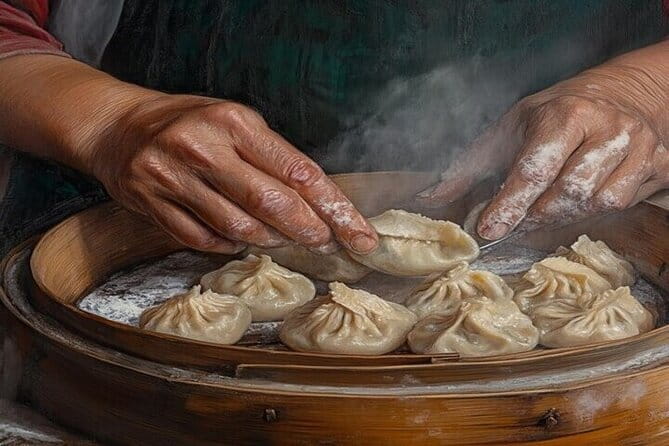
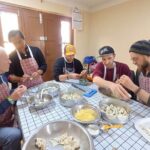
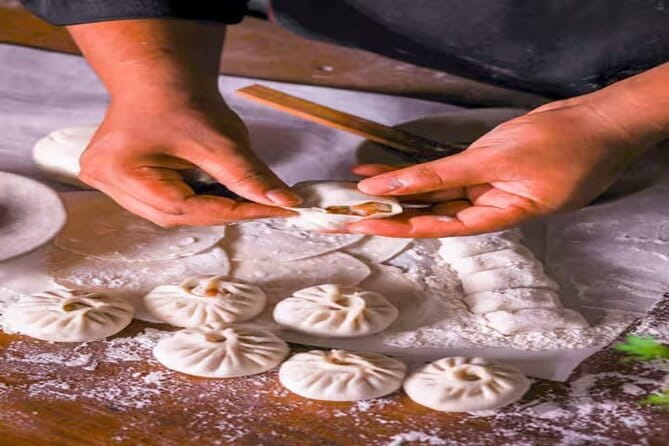
This is where the class earns its keep. Instead of watching someone else work, you do the work. You’ll be guided through making Nepali momos from scratch, which typically means you start from the basics—preparing dough, preparing the filling, and then building dumplings by hand.
The shaping step is the one people remember most, because it’s where technique turns into confidence. You’ll learn the motions and the logic behind them, so the momo doesn’t open while cooking and the wrapper thickness stays consistent enough to cook evenly. In this kind of class, the biggest value isn’t speed. It’s getting the feel: how the dough behaves, how much filling to use, and what shape signals that it’s ready to cook.
A nice touch is that the hosts adjust for comfort. One person noted getting a ginger and lemon tea instead of drinking the masala chai, which suggests the team will try to accommodate preferences when you explain them at the start. If you have a strong dislike for a spice-forward drink, let them know early rather than hoping it solves itself.
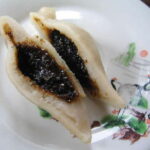
The final result should be a batch of vegetable momos (or the selected menu option), cooked so you can actually taste the differences in flavor and texture that you created. That’s the point of hands-on learning: you should leave with food quality that feels earned.
The lunch part: you eat what you make
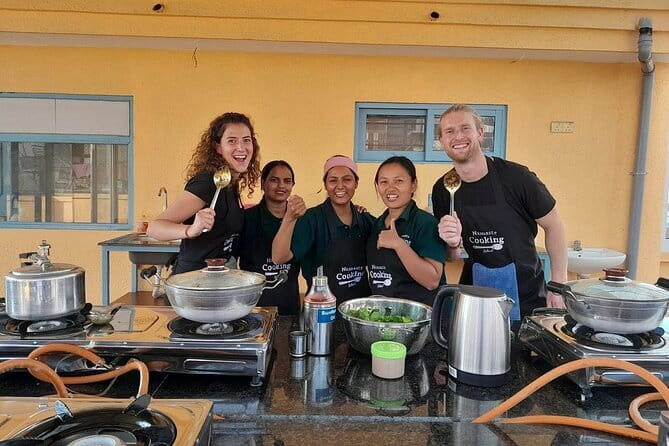
Lunch is included, which is a big part of the value for the price. You’re not paying just for instruction—you’re getting a meal out of it. And because you shape and fill the momos yourself, the eating feels like part of the lesson, not a separate reward.
Momo-making classes can go two ways: you might leave full but confused, or you might leave clear and satisfied. This one tends to land on the clear side because you’re doing the steps in sequence and then eating the final product right away.
Also, class locations can affect the mood. Some people mention a rooftop-style setting with panoramic Kathmandu views. If you get that, it turns lunch into a small city moment—dumplings in hand, watching the city go by while you eat your own work.
Price and timing: what $18 gets you in Kathmandu
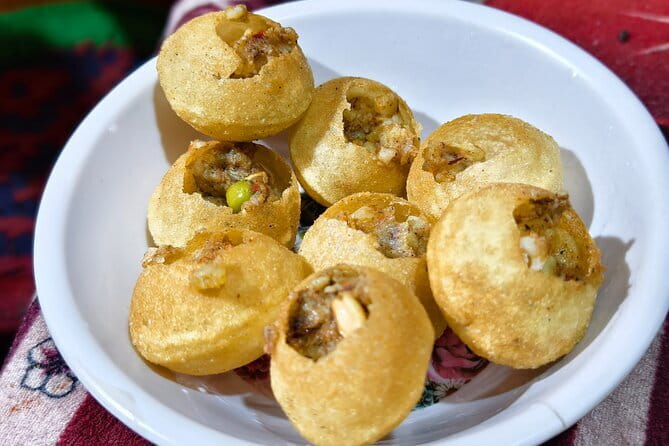
At $18 per person, this is one of those deals that makes sense for a short trip day. A lot of cooking classes charge more when they’re longer or when they don’t include a meal. Here, you get about 90 minutes of instruction plus lunch, and you also receive a recipe book to help you recreate the dish at home.
It also helps that the class is capped at 16. With a smaller group, you’re more likely to get practical help instead of generic pointers. In other words: the price isn’t only low; it’s low for a format that still feels personal.
The class is usually booked around 8 days in advance on average, so if you’re traveling on a tight schedule, don’t wait until the last minute.
One more practical note: the experience requires good weather. That matters if the cooking setup relies on outdoor or rooftop space. If weather turns, you’ll likely be offered another date or a full refund.





What you take home: the recipe book (and the skills behind it)
You end with a Namaste Cooking School Recipe Book. That’s more useful than it sounds, because recipes written down are one thing—technique is another. The book helps bridge the gap between what you did with your hands and what you can repeat later.
If you’re the type who loves recreating meals at home, you’ll appreciate having written guidance after you’ve already built the muscle memory. It turns the class into a souvenir you’ll actually use, not just paper you pack and forget.
Skill-wise, this experience is best at teaching foundation technique: how to work with wrappers and filling, how to shape, and how spices fit together for a Nepali-style result. You won’t become a momo factory in one afternoon, but you’ll stop guessing where you used to guess.
Who this momo class is best for
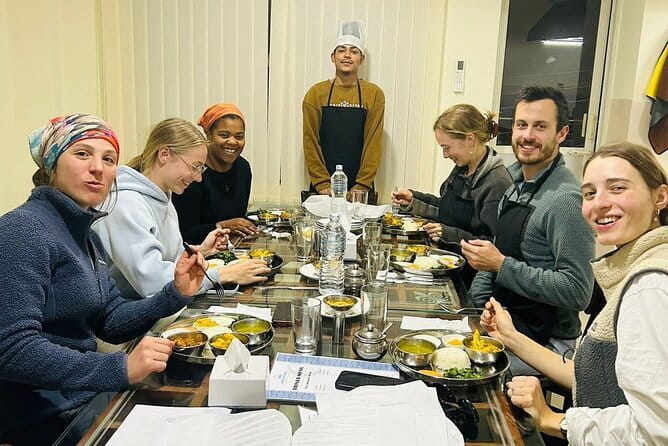
This is a strong choice if you:
- Want a Kathmandu food experience that’s more hands-on than restaurant hopping
- Like learning how dishes work, not only what they taste like
- Prefer a small class size with English instruction
- Need a ready-made lunch plan around midday
It’s also a good option if you’re traveling with someone who wants something active but not physically intense. The cooking is hands-on, but the rhythm is built around teaching.
If you’re an advanced cook already making dumplings at home, you might still enjoy it for local spice context and Nepal-specific momo approach. Just know the time is short, so don’t expect every variation or every folding style to be covered.
Should you book Namaste Cooking School’s momo class?
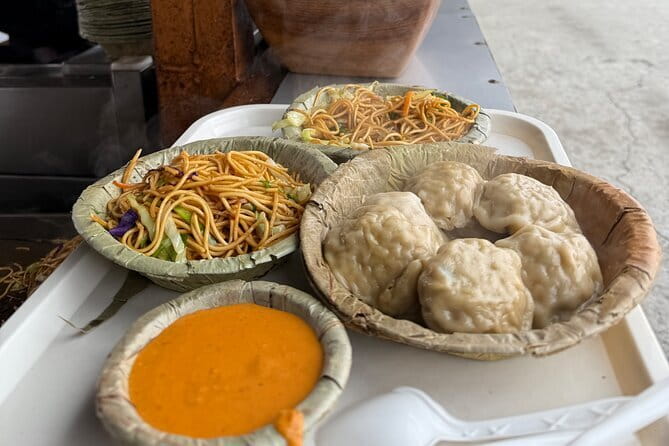
I’d book it if you want a practical Nepali cooking experience that includes lunch, stays small, and actually teaches you the shaping and stuffing steps. For $18, you’re paying for more than a meal—you’re paying for instruction you can reuse, plus a recipe book you’ll likely reference.
Skip it (or at least think twice) only if you’re looking for a long, deep training session or you know weather reliability is an issue for your exact day. Otherwise, this is the kind of class that leaves you with food you made and a technique you can bring home.
FAQ
How long is the traditional Nepali momo making class?
The class lasts about 1 hour 30 minutes.
Where does the class start in Kathmandu?
The meeting point is Bhagwati Marg, Kathmandu 44600, Nepal, and the activity ends back at the same meeting point.
Is lunch included?
Yes. Lunch is included with the class.
What language is the class taught in?
The class is offered in English.
Will they accommodate dietary restrictions or allergies?
Yes. During menu selection, you’ll be asked about dietary restrictions or allergies.
How large is the group?
The class has a maximum of 16 travelers.
Do you get anything to take home?
Yes. You receive a Namaste Cooking School Recipe Book as a keepsake.
What happens if weather is bad or you need to cancel?
The experience requires good weather. If it’s canceled due to poor weather, you’ll be offered a different date or a full refund. You can also cancel for free up to 24 hours in advance for a full refund.