REVIEW · KATHMANDU
Kathmandu: Local Lead Nepali Cooking & Momo Making Class
Book on GetYourGuide →Operated by Kathmandu Cooking Academy · Bookable on GetYourGuide
Momo dough means you learn by doing. In Kathmandu, this class pairs a market tour with step-by-step momo practice so you don’t just watch cooking, you make it. Hotel pickup is optional though, so if you skip it you’ll need a short walk from Thamel to Kathmandu Cooking Academy.
What I like most is the friendly, no-guesswork teaching style in a small group (limited to 10), with instruction in English. You can also choose extra Nepali dishes beyond the main courses, then eat everything together with complimentary Nepali masala tea.
In This Review
- Key things you’ll remember
- Kathmandu Cooking Academy: where you start and why it works
- The market stop: buying ingredients the Nepali way
- Cooking session: how you go from ingredients to momo and dal bhat
- Momo making: where you’ll use your hands
- Dal bhat: the comfort-food backbone
- Pace and group size
- What’s on the menu: choosing extra Nepali dishes and getting a full meal
- Nepali cooking as a skill, not just a meal
- Price and value in Kathmandu: what $4 really buys you
- Logistics that actually matter: timing, meeting point, and what to bring
- Who should book this momo and dal bhat class
- Should you book Kathmandu Local Lead Nepali Cooking & Momo Making Class?
- FAQ
- What dishes will I learn in the Kathmandu cooking class?
- How long does the class take?
- Is hotel pickup included?
- How big is the group?
- Can the menu be adjusted for dietary needs?
- What’s the cancellation policy?
Key things you’ll remember
- A real ingredient hunt first: you buy what you need with the chef’s guidance.
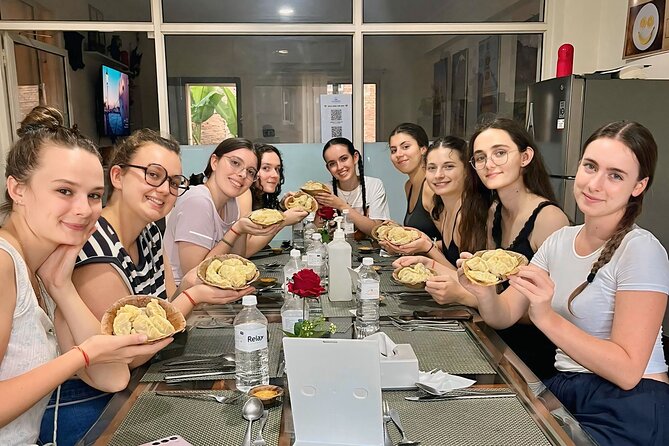
- Momo folding is the focus: you get help getting the shape right, not just the recipe.
- Dal bhat + more: two main courses lead the meal, with options for extra dishes.
- Small class, big attention: the class size stays tight so you can actually ask questions.
- Meal included, with tea: you sit down to taste what you made, plus masala tea.
- Chefs who teach (not lecture): different instructors are mentioned by name, including Niche and Vikram.
Kathmandu Cooking Academy: where you start and why it works
This class runs out of Kathmandu Cooking Academy in the heart of Kathmandu. It’s an easy connection point if you’re staying around Thamel because it’s about a 10–15 minute walk away, and there’s a signboard outside the building to help you find the right place.
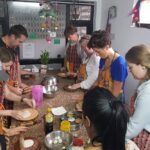
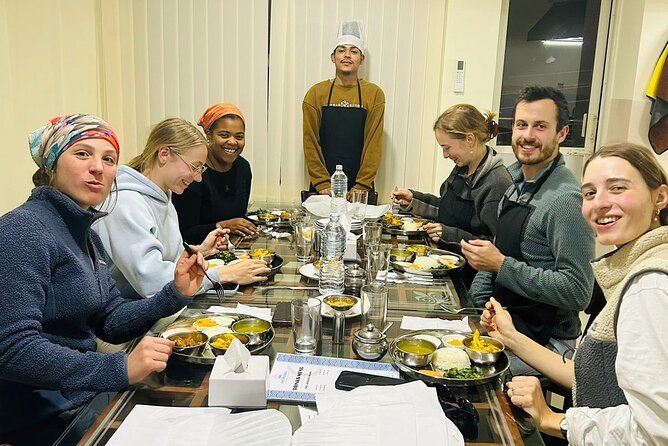
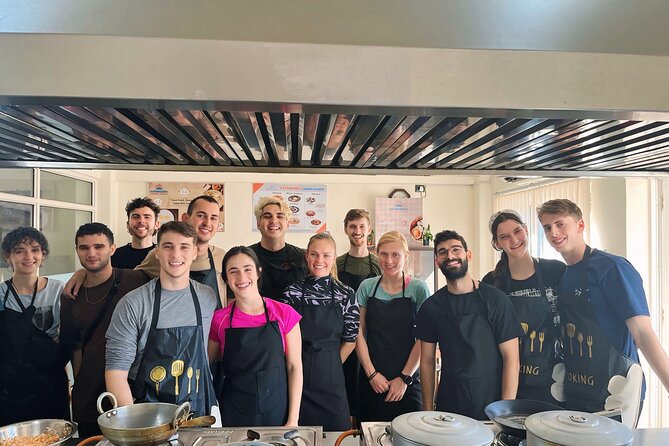
Inside, the vibe is practical. You’re not crammed into a huge studio. You’re in a kitchen-and-dining setup where you can cook, taste, and reset without losing your spot. Some past participants specifically called out how clean and well set up the kitchen felt, which matters when you’re getting your hands involved with dough, sauces, and steam.
One more reason this place makes sense for beginners: the class is designed around clear steps and repetition. You’ll get guidance as you go, and you’re taught at a pace that lets you keep up. That’s huge for momo, where the folding technique can look simple until you’re holding the wrapper.
You can also read our reviews of more cooking classes in Kathmandu
The market stop: buying ingredients the Nepali way
Before you cook, you head out to a nearby market or shop to pick up fresh ingredients. This is one of the most valuable parts of the experience because it turns shopping into part of the lesson instead of an awkward detour.
You’ll choose items with help from the chef, and you’ll learn what to look for rather than just copying a list. That also helps later when you cook at home—you know what ingredients should be, how they behave, and how they connect to flavor.
Practical tip: bring your camera if you like food photos and ingredient shots. This isn’t just sightseeing; it’s part of the process. Wear comfortable clothes too, because once you’re back in the kitchen, you’ll be actively cooking.
Cooking session: how you go from ingredients to momo and dal bhat
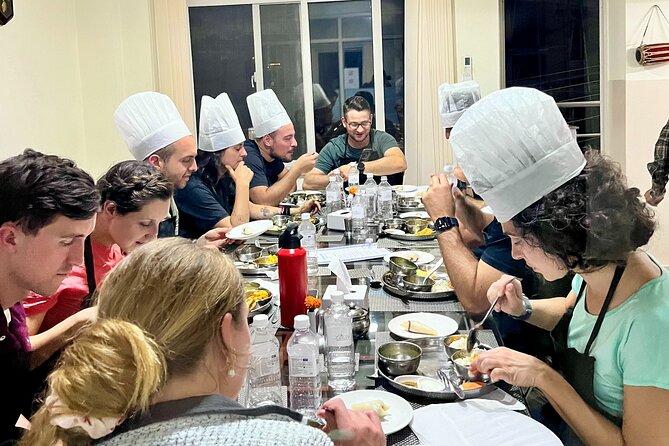
The core experience is hands-on and structured. You’ll work through making the two main courses, with support throughout. The class is typically about 3 hours for cooking and tasting once you factor in the full flow, with a total experience window that’s often listed as 3–4 hours.
Momo making: where you’ll use your hands
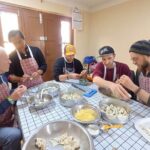
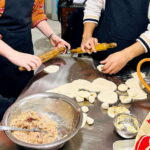
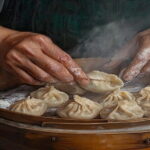
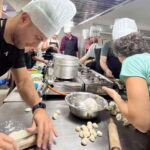
Momo is usually the star of the class. You’ll learn how to prepare the dough or wrappers, make the filling, and then fold the dumplings. The most consistent praise from past participants is how patient the instructors are during folding practice—getting the pattern right is part of the learning.
If you’ve never made dumplings before, don’t worry. The teaching approach is step-by-step, and assistants are on hand to help when you get stuck mid-fold. Past participants even mentioned specific instructors by name, including Niche, and another instructor named Vikram, with clear explanations and encouragement.
Dal bhat: the comfort-food backbone
While momo gets all the technique attention, dal bhat is where you learn an everyday Nepali foundation: how to build a satisfying bowl rather than just cook one ingredient. You’ll work on the dal preparation and pair it with the rest of the meal you choose during the class.
What makes this useful is that dal bhat is not only tasty—it’s practical to reproduce at home. Once you know how the dal is made and how it fits into the overall plate, you can build your own version without needing a special restaurant kitchen.
You can also read our reviews of more tours and experiences in Kathmandu
Pace and group size
Classes are limited to 10 participants, so you’re not stuck waiting forever for attention. In a small group, you can actually move through steps without losing track, and you can ask questions when something goes off-script.
The helpful rhythm looks like this: you’re shown what to do, you do it, then you adjust with feedback. That’s how you end up leaving with usable skills rather than just a full stomach.
What’s on the menu: choosing extra Nepali dishes and getting a full meal
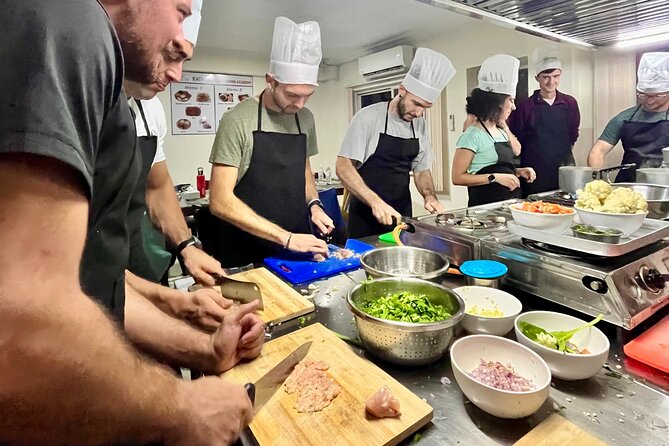
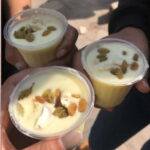
The class focuses on two main courses—momo and dal bhat—but you don’t have to stop there. You’ll have options to choose additional traditional Nepali dishes from a variety of meals, and the experience often includes dessert as part of the set.
In real terms, that means you can tailor your learning to what you care about most. If you’re craving variety, you can pick more than the basics. If you’re focused on technique, you can keep your choices concentrated on dishes that teach you the most.
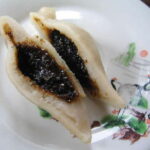
Past participants mentioned examples like bara and yomari, alongside momo and other traditional items. That’s a good sign: you’re not locked into one fixed menu where you just watch other dishes happen. You choose what you cook.
After cooking, you sit down for a tasting session of the meal you made. Complimentary Nepali masala tea is included, which is a classic way to round out a cooking class because it ties the meal together with something you can remember.
Nepali cooking as a skill, not just a meal
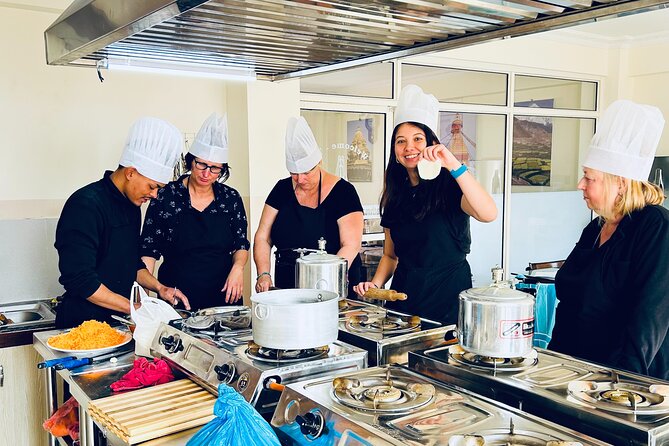
Here’s the hidden value: this class helps you connect ingredients, technique, and timing. You’re not just eating Nepali food—you’re learning the steps that create it.
That’s why the market portion matters. When you pick ingredients with the chef, you’re learning how Nepalese cooking thinks about freshness and flavor. Then, in the kitchen, the step-by-step instruction turns that shopping knowledge into real results.
Also, the class structure encourages you to practice. Momo folding is the clearest example: once you’ve folded dumplings with guidance, you’ll understand how dough consistency and pinching technique affect the final dumpling. That’s the difference between a fun meal and a skill you can repeat.
Price and value in Kathmandu: what $4 really buys you
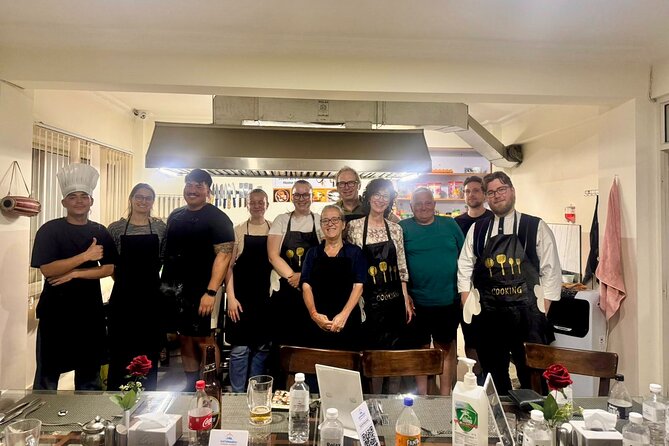
The price is listed at $4.00 per person. That’s strikingly low for an experience that includes:
- A hands-on cooking class with step-by-step guidance
- A market or shop stop to buy ingredients
- Use of cooking equipment and accessories
- A tasting session of the dishes you cook
- Complimentary Nepali masala tea
- Hotel pickup and drop-off as an optional add-on
To me, the value comes from how much is included. You’re paying for teaching time, ingredient guidance, and a full meal—not only ingredients. And because the group stays small, your portion of instructor attention is higher than it would be in a larger group cooking show.
Two notes to keep your expectations clean:
- Photos and videos aren’t included, though they may be available for an additional fee.
- Specialty or alcoholic drinks aren’t included.
Still, if you want a meaningful Kathmandu food experience without a big budget, this one is hard to beat.
Logistics that actually matter: timing, meeting point, and what to bring
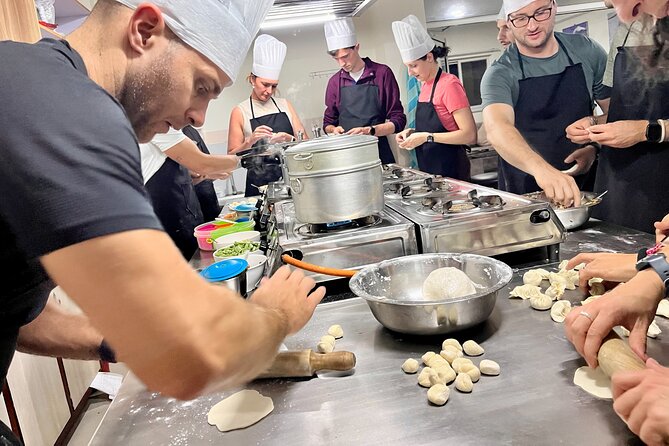
Plan to arrive at least 15 minutes early. That buffer helps you check in and get settled before cooking starts, especially since you’ll likely want to see the workspace and be ready to participate.
Meeting point is Kathmandu Cooking Academy, and it’s accessible on foot from Thamel. If you choose hotel pickup, the pickup is available from any location within Kathmandu Valley, with a driver meeting you at your specified address.
What to bring is simple: a camera if you want photos. For clothing, wear comfortable stuff you can move in and that can handle the reality of cooking.
Two more practical details from the experience notes:
- If there’s a minimum group requirement of 2 participants and that minimum isn’t met, you’ll be offered an alternative date or a full refund.
- The class is listed as wheelchair accessible, but it’s not suitable for children under 5 and people over 95.
Who should book this momo and dal bhat class
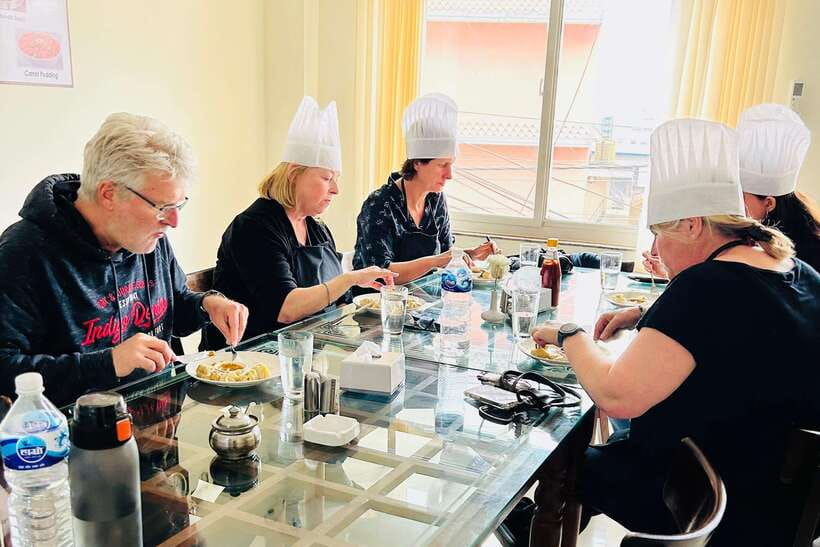
Book this if you:
- Want hands-on skill-building in Kathmandu food, especially momo folding and dal bhat basics
- Like small group classes where you can ask questions
- Prefer learning through doing rather than watching
- Want a full meal experience that includes masala tea
I’d think twice if you’re only interested in quick photo stops. This is cooking-first. The point is getting your hands working. If you want a more passive tour, you may find the class pace more active than you expect.
Should you book Kathmandu Local Lead Nepali Cooking & Momo Making Class?
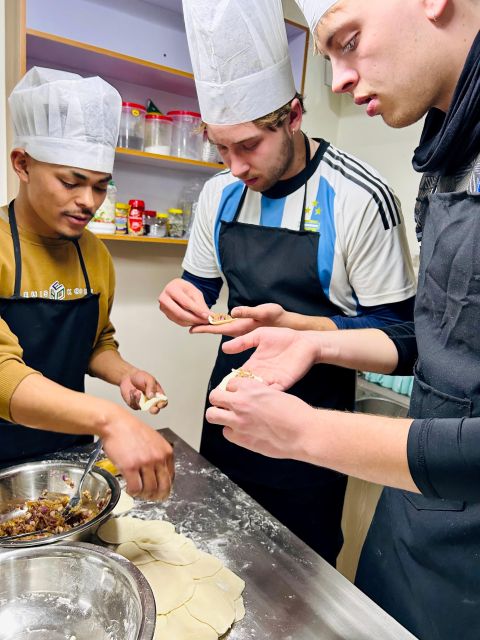
Yes, if your main goal is to leave Kathmandu able to cook Nepali food at home. The combination of a market ingredient hunt, step-by-step teaching, and a sit-down tasting meal with masala tea is exactly how you turn food tourism into real know-how.
Book it especially if you love dumplings. Momo folding is where the class earns its reputation: clear instruction, patience, and enough attention for you to get it right.
One last check before you commit: confirm whether you want hotel pickup. If you’re staying near Thamel, you can walk to the academy. If you’d rather not deal with that, choose pickup so the day stays easy.
FAQ
What dishes will I learn in the Kathmandu cooking class?
You’ll focus on two main courses: momo and dal bhat. You also have the option to choose additional Nepali dishes, and the experience typically includes dessert.
How long does the class take?
The experience is listed as 3 to 4 hours, and the cooking-and-tasting portion is described as lasting about 3 hours.
Is hotel pickup included?
Hotel pickup and drop-off are optional. If you select pickup during booking, the driver meets you from any location within Kathmandu Valley.
How big is the group?
The class is a small group with a limit of 10 participants.
Can the menu be adjusted for dietary needs?
Yes. You should inform the organizers in advance of any dietary restrictions or preferences so the class can be tailored.
What’s the cancellation policy?
You can cancel up to 24 hours in advance for a full refund.