REVIEW · KATHMANDU
Bhaktapur Durbar Square 4-Hour Tour
Book on GetYourGuide →Operated by Cordial Trek Pvt. Ltd. · Bookable on GetYourGuide
Bhaktapur Durbar Square is architecture you can feel. In just a few hours, you’re walking through Malla-era monuments that mix palace power, religious art, and everyday craft. I especially like the way the route connects key landmarks like the Golden Gate and Nyātāpola with clear explanations, and I love the craft stops that make Newari life feel practical, not museum-like. One thing to consider: the tour is set up as a short city-walk, and the information given says it’s not suitable for people with mobility impairments, even though wheelchair access is mentioned—so do check before you book if mobility is a concern.
You’ll start with a hotel pickup in Kathmandu and a roughly one-hour drive to Bhaktapur, then get guided time inside the Durbar Square itself. The day stays focused: you cover the big sights, plus the pottery and a closing stop at Dattatraya Square, and you’re back in Kathmandu without turning it into an all-day slog.
I also like that the tour guide is English-speaking and the group is private, so you’re not stuck listening to a headset tour while everyone else drifts off. In my notes, the guides named Nilakantha Acharya (with chauffeur Hari) are called out for being friendly, organized, and genuinely good at explaining what you’re seeing.
In This Review
- Key Highlights You’ll Actually Notice
- Bhaktapur Durbar Square: Why This Royal Courtyard Still Feels Alive
- From Kathmandu to Bhaktapur: The One-Hour Ride That Sets the Pace
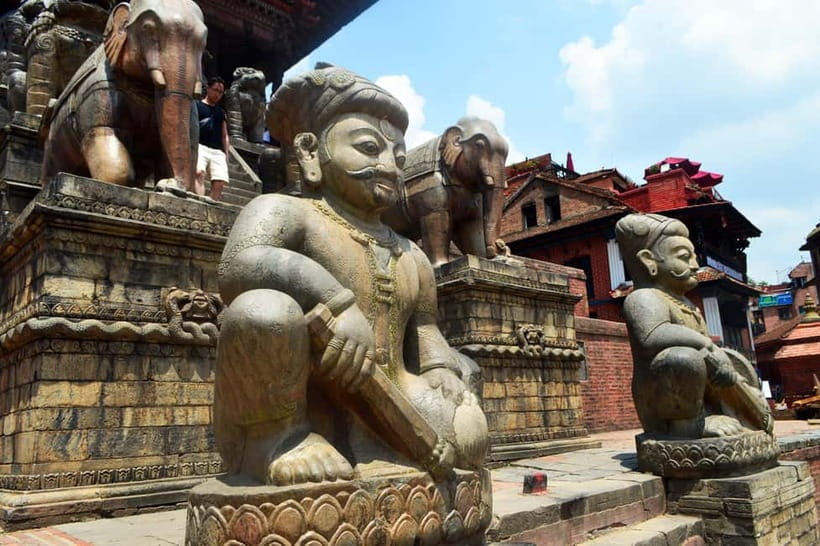
- Golden Gate and 55 Jhyale Durbar: Wood Carving Meets Palace Power
- Taumadhi Square and Nyātāpola Temple (1702): A Tall Temple With Clear Context
- Pottery Square: Craft You Can See, Not Just Read About
- Dattatraya Square: The Calm Close Before Heading Back
- Time on the Ground: How the 4 Hours Really Play Out
- Price and Value: What $3.94 Buys You (and What It Doesn’t)
- Comfort, Tips, and What to Bring for a Smooth Walk
- Who This Tour Fits Best
- Should You Book the Bhaktapur Durbar Square 4-Hour Tour?
- FAQ
- What is the duration of the Bhaktapur Durbar Square tour?
- Where does the tour pickup happen?
- Is the tour private?
- What’s included in the price?
- Are entrance fees included?
- Does the tour include meals?
- What language is the guide?
- Is there an express security check?
- What should I bring?
- Is the tour wheelchair accessible?
Key Highlights You’ll Actually Notice
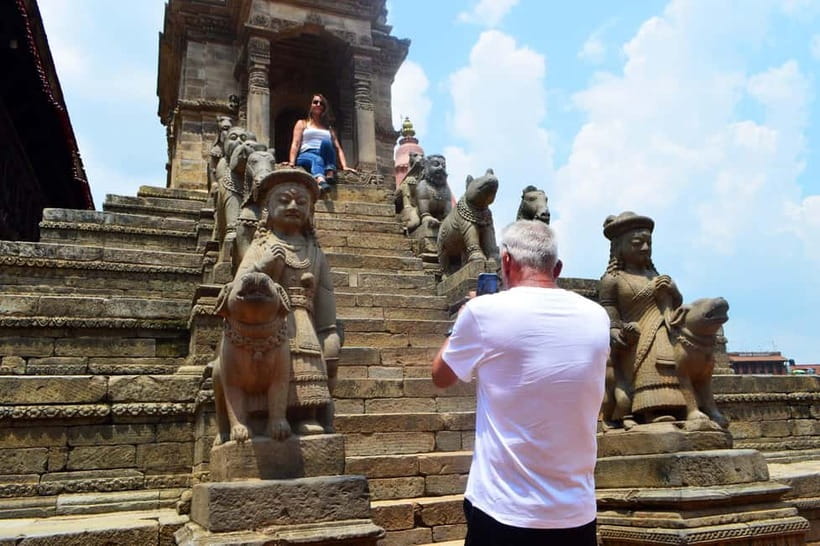
- Golden Gate to 55 Jhyale Durbar: a great first jolt of fine wood carving and palace design
- Nyātāpola Temple at Taumadhi Square: Nepal’s tallest pagoda-style temple, tied to King Bhupatindra Malla (completed 1702)
- Pottery Square: a hands-on feel for traditional craft and a place to buy authentic Newari-made goods
- Wood carving across multiple monuments: not just one photo spot, but a theme that repeats in different styles
- A focused 4-hour loop: enough time for context without exhausting you
Bhaktapur Durbar Square: Why This Royal Courtyard Still Feels Alive
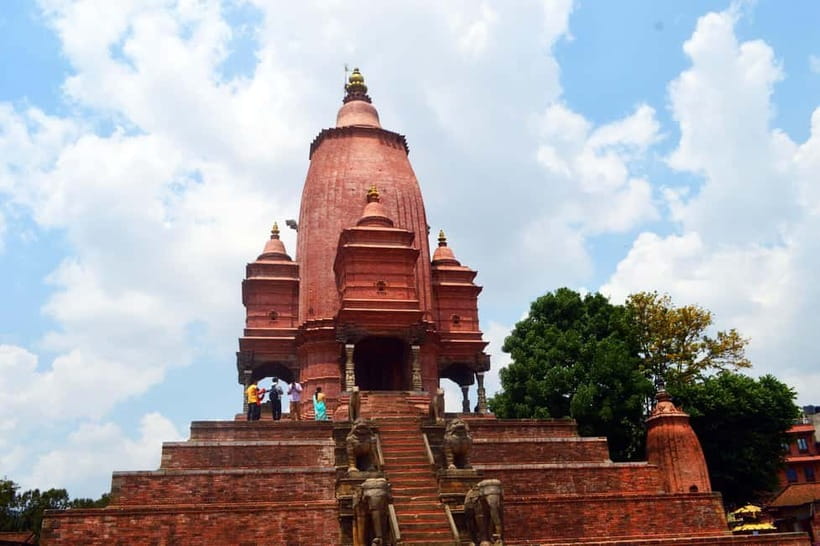
Bhaktapur Durbar Square is the kind of place where history isn’t locked behind glass. This area was once the royal center, with Malla Kings ruling from the 14th to the 15th centuries, and later the Kingdom of Bhaktapur continuing until the late 18th century. Today, the bigger palace grounds aren’t just ruins for tourists; they’re used for government offices, schools, and private homes. That mix matters.
Why? Because you get a real sense of how people keep living around the monuments. Instead of everything being staged for visitors, you’ll often feel the difference between a ceremonial courtyard and the town’s working rhythm. You can also see how the architecture served power and belief at the same time—palaces and temples are linked here.
If you like places where craftsmanship is visible at human scale, this is a strong match. The tour leans into that, especially with stops that highlight carving, temple proportions, and the everyday creativity of Newari artisans.
You can also read our reviews of more tours and experiences in Kathmandu.

From Kathmandu to Bhaktapur: The One-Hour Ride That Sets the Pace
The tour starts with pickup in Kathmandu. You’re asked to wait about five minutes before pickup time at your hotel lobby or at the entrance of your apartment. That small detail helps the whole day stay smooth.
Then comes the drive: plan on about an hour getting to Bhaktapur. This timing is part of the value. You don’t waste your morning in traffic for a distant detour—you’re already at the entrance before your “first-hour energy” disappears.
Also pay attention to one practical detail: there’s an express security check mentioned for this tour. That can reduce the usual admin hassle at busy sites. It won’t make the day magical, but it helps you spend more minutes where you actually want to look.
Golden Gate and 55 Jhyale Durbar: Wood Carving Meets Palace Power
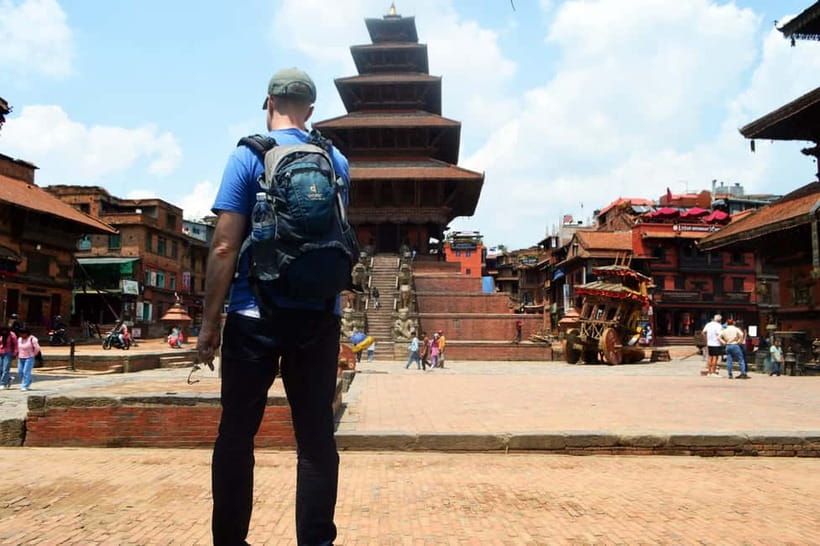
Your route begins by looking at the Golden Gate, described as a magnificent threshold. Even if you’re not a “gate person,” this stop works because it frames the visit. You’re not wandering in randomly; you’re entering with context.
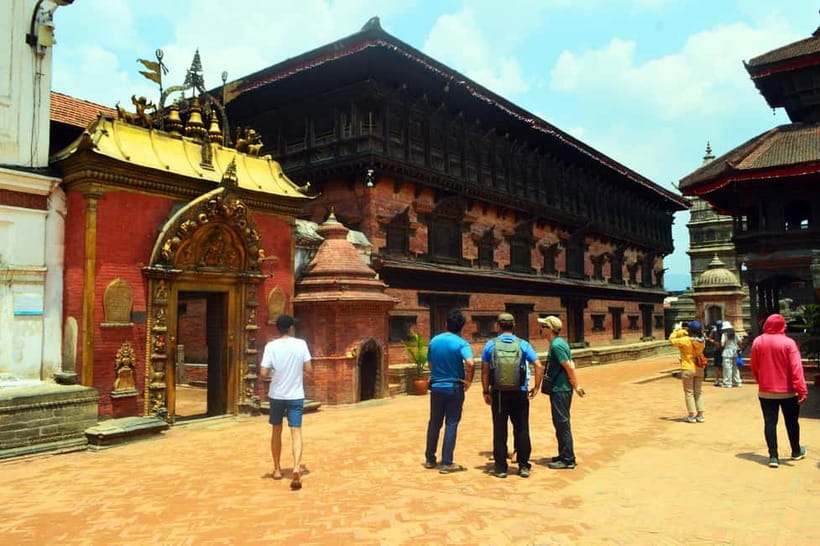
Immediately after, you’ll see the 55 Jhyale Durbar, also called the Palace of Fifty-Five Windows. The key thing to watch isn’t just the doorway or the big façade. It’s the woodwork. The tour specifically points you toward the preeminent display of intricate wood carvings associated with the Malla era.
What I like about this kind of stop is that it trains your eye. In many historic cities, you can photograph a temple and move on. Here, you’re encouraged to notice how carving creates texture—lines that catch light differently as you move. If you bring a camera, this is where you’ll probably take the most time.
One consideration: carving details can be small, and lighting can vary under arches and near walls. If you want crisp photos, stand a little back first to get the whole composition, then step closer for detail.
Taumadhi Square and Nyātāpola Temple (1702): A Tall Temple With Clear Context
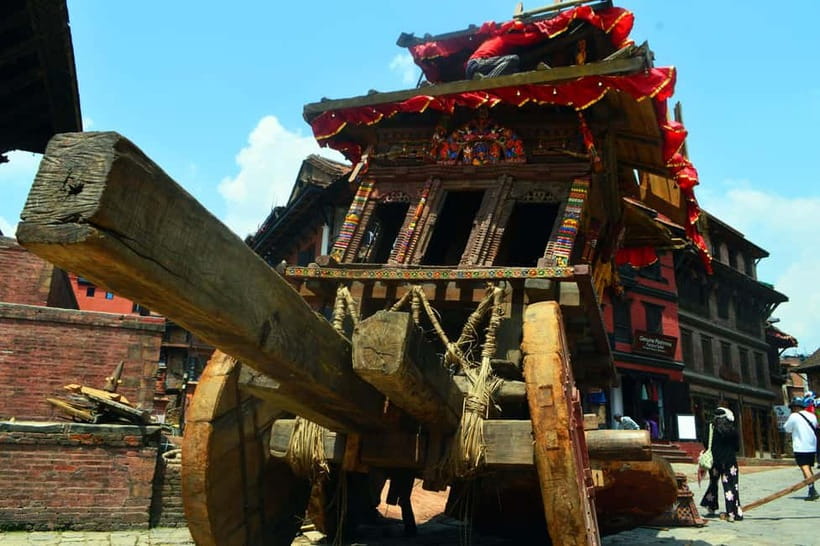
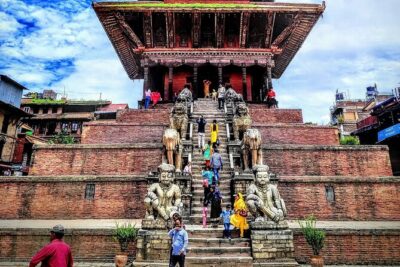
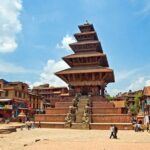
Next, the tour shifts to Taumadhi Square, where Nyātāpola Temple dominates the skyline. This is described as Nepal’s tallest pagoda-style temple, and it’s tied to King Bhupatindra Malla’s vision. The temple was completed in 1702.
This stop is one of the most meaningful parts of the itinerary because the tour ties the “wow” factor to a specific person and a specific date. You’re not just looking at height; you’re understanding intent: why the structure was built the way it was, and what it represented in its setting.
When you’re standing there, watch how the temple stacks upward. Pagoda-style temples can look similar across different regions, but Nyātāpola’s prominence makes the design feel more intentional than ornamental. It’s the kind of architecture that changes as you walk around it—especially if you take a few minutes to view it from more than one angle.
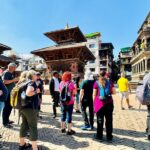
The tour then continues on foot. That walking portion matters: it keeps you from treating Nyātāpola like a single photo moment. You’ll actually move through the space and connect it to the rest of Bhaktapur’s monumental courtyard.
Pottery Square: Craft You Can See, Not Just Read About
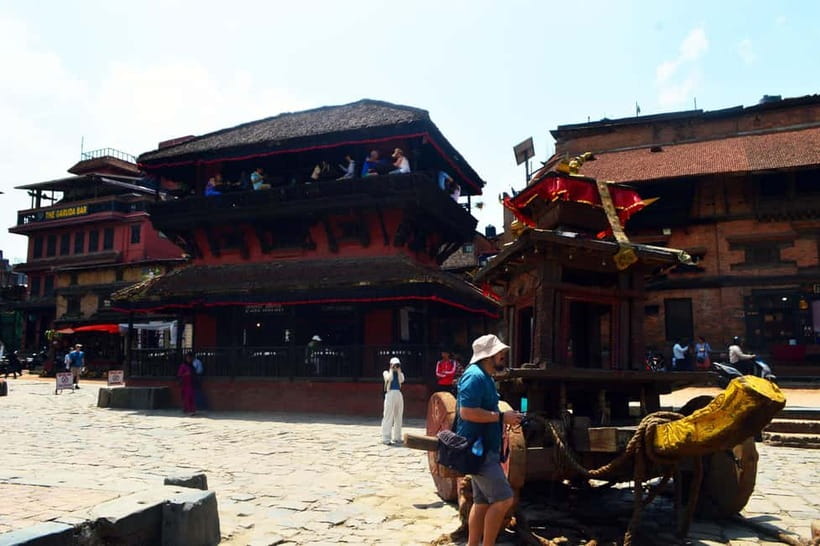
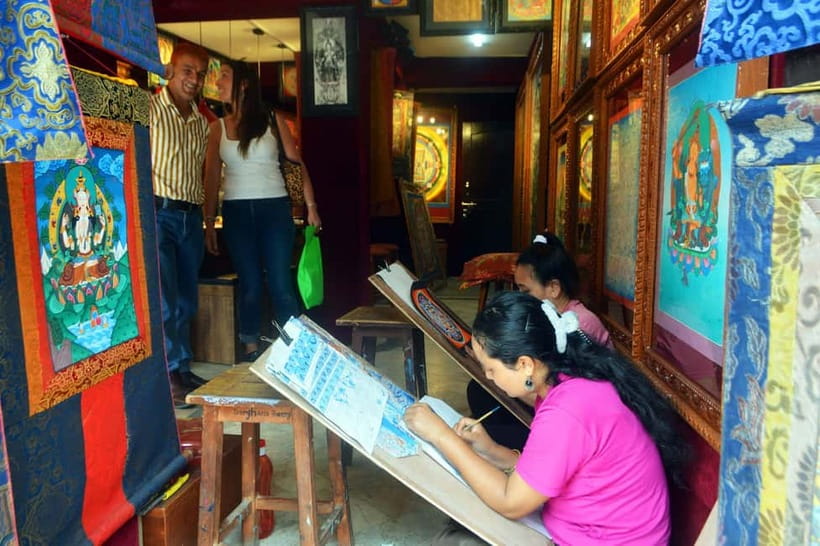
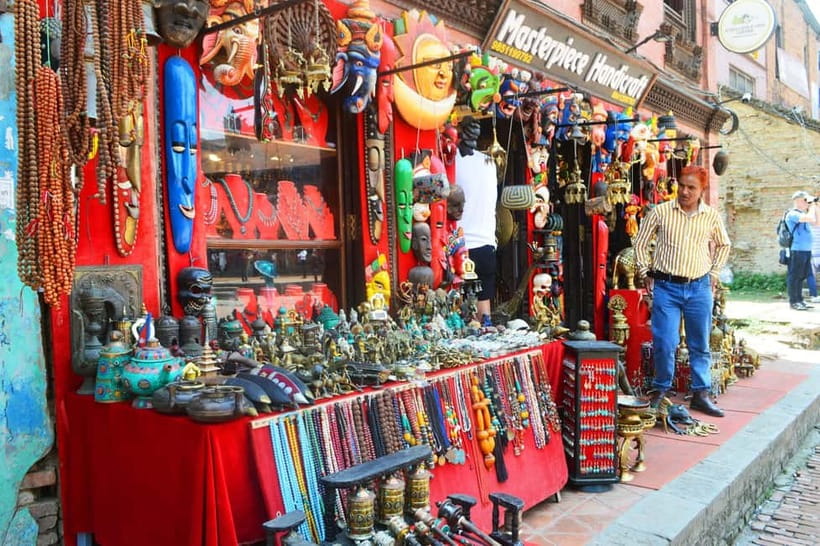
One of the tour’s best choices is adding a stop at Pottery Square. It’s described as a lively enclave dedicated to traditional pottery making. And yes, it’s smaller and more intimate than the Durbar Square proper, which makes it a nice change of pace.
This part of the tour is where Newari culture becomes tactile. Instead of only talking about kings and palaces, you’re looking at craft as a living practice. It’s also practical for your wallet, because it offers a chance to buy authentic Nepalese handicrafts from the area’s craft tradition.
A small reality check: you’ll likely want to browse, and browsing takes time. If you’re the type who hates shopping stalls, treat this stop as a look-and-possibly-a-small-purchase moment, not a hard buying mission. The tour gives you the chance; you decide how far you go.

Dattatraya Square: The Calm Close Before Heading Back
After Pottery Square, you end at Dattatraya Square. This final stop is a good way to wrap the tour without dragging it out. The flow is deliberate: start with major monuments, include the craft focus, then finish at a revered square.
Once that’s done, you’re comfortably returned to your hotel in Kathmandu. The “return” is part of what makes this tour work for many schedules. You get a compact, meaningful sample of Bhaktapur without needing to plan a full day and risk losing momentum.
Time on the Ground: How the 4 Hours Really Play Out
The full tour duration is 4 hours. The guided portion inside the main sights is listed as 2 hours, which is a smart balance for a short visit. You get enough structure to understand what you’re seeing, but you still have enough breathing room that you won’t feel like you’re marching behind someone for every step.
Here’s how I’d plan your expectations:
- If you want photos, build in a little extra attention at Golden Gate and Palace of Fifty-Five Windows where the wood carvings draw the eye.
- At Nyātāpola, pause longer than you think you need, because the shape and stacked levels reward slow looking.
- At Pottery Square, use the stop to ask questions and decide if anything is worth bringing home.
Also, the tour includes bottled drinking water, which is a small comfort on a walking visit. Still, if you’re sensitive to heat or sun, pace yourself.
Price and Value: What $3.94 Buys You (and What It Doesn’t)
The listed price is $3.94 per person for a 4-hour private tour with hotel pickup and drop, a private vehicle, an experienced English-speaking guide, and bottled water. That’s the value story: you’re paying for transportation plus human interpretation, not just entry to a site.
What’s not included is also important. Meals aren’t included, and entrance fees are not included either (though an add-on is available). So if you’re budgeting, plan for those extra costs if you want to cover ticketed areas. And of course, bring some cash because it’s listed as a what-to-bring item.
One more value angle: private group tours often feel expensive, but the structure here stays efficient. You’re not paying for an entire day of transit. You’re paying for a focused corridor of sights that connect well and don’t sprawl.
Comfort, Tips, and What to Bring for a Smooth Walk
Bring a passport, a camera, and cash. Passport is often required for ticketing or site checks in some places, and the tour specifically calls it out.
A couple other practical tips based on how these sites work:
- Wear shoes you can trust for uneven courtyard surfaces. Durbar squares and old palace areas can be tighter and more textured than modern sidewalks.
- If you’re sensitive to stairs or steps, pay attention to the fact that the tour information says it’s not suitable for people with mobility impairments. At the same time, wheelchair accessibility is listed. That contradiction is your reason to confirm details with the provider before you go.
- If you care about good photos, try to slow down at carved sections. The work is fine enough that rushing makes it harder to capture.
The tour also lists pickup included, and the driver/guide will meet you five minutes prior to pickup time. You’ll feel less stress if you’re ready a little early.
Who This Tour Fits Best
This is a great choice if you want:
- Temple and palace architecture explained in a way you can visualize
- A guided route that includes Nyātāpola, wood carving focus, and craft stops
- A compact day that returns you to Kathmandu on the same morning/half-day schedule (depending on your chosen start time)
It’s especially appealing if you like the Newari craft side of Bhaktapur, since Pottery Square is built into the route rather than treated as an optional add-on.
If your travel style is only “big temple, one photo, next,” you might feel the pottery stop is slightly off-theme. But if you like the cultural thread—how art shows up in palace woodwork and in everyday pottery—this makes sense.
Should You Book the Bhaktapur Durbar Square 4-Hour Tour?
If you’re short on time but want the essentials of Bhaktapur Durbar Square, I’d book it. The best reason is the combination: major monuments plus craft-focused stops, all tied together with an English guide.
Also, the emphasis on wood carving and the named guide experience matter. Guides named Nilakantha Acharya are described as friendly and very informative, and the chauffeur Hari is noted for being particularly capable—both of which point to a smoother day when you’re dealing with a historic site and a tight schedule.
The only real “don’t book blindly” reason is accessibility. With both wheelchair access and a note saying it’s not suitable for mobility impairments listed, you should confirm what the actual walking and surfaces look like for your specific needs.
If you can handle a short guided walk and you want a well-organized, private introduction to Bhaktapur, this tour is a strong value.
FAQ
What is the duration of the Bhaktapur Durbar Square tour?
The tour lasts 4 hours.
Where does the tour pickup happen?
Pickup is from Kathmandu.
Is the tour private?
Yes. It’s a private group tour.
What’s included in the price?
Included are hotel pickup and drop, a private vehicle, sightseeing tour, an experienced English tour guide, specially marked friendly support, and bottled drinking water.
Are entrance fees included?
No. Entrance fees are not included, but an add-on is available.
Does the tour include meals?
No. Meals are not included.
What language is the guide?
The live tour guide is in English.
Is there an express security check?
The tour includes skip-the-line express security checking.
What should I bring?
Bring your passport, camera, and cash.
Is the tour wheelchair accessible?
The information provided includes wheelchair accessibility and also states the tour is not suitable for people with mobility impairments. Check details with the provider before booking if you need mobility support.