REVIEW · KATHMANDU
Everest Base Camp Trek 12 Days – Best Himalayan Adventure
Book on Viator →Operated by Scenic Nepal Treks Expedition Pvt. Ltd · Bookable on Viator
Everest is never just a mountain. It’s a trail, a rhythm, and a whole mountain culture—and this private Sherpa-guided EBC trek is built around doing it safely while chasing big views like Kala Patthar.
I especially like the focus on experienced Sherpa leadership and the way the itinerary supports acclimatization, not just speed. You’ll also get tea-house lodging during the hike (twin sharing), which keeps logistics simpler when the air is thin and weather can flip fast.
One thing to think about: you’ll be on mountain time at altitude, so if you’re sensitive to cold, exertion, or long walking days, you may need a very deliberate gear and pacing plan.
In This Review
- Key highlights I’d put on your radar
- Kathmandu setup: how you get ready for the Khumbu climb
- The Lukla flight: the shortcut that changes everything
- Namche, Tengboche, and Dingboche: where you learn to breathe smarter
- Namche Bazaar: the acclimatization hub
- Tengboche: monastery views with a cooler head
- Dingboche: the altitude lesson continues
- Reaching the Everest Base Camp area and settling in at Gorak Shep
- Everest Base Camp area: the moment you’ve trained for
- Gorak Shep: your overnight “launch pad” for views
- Kala Patthar and sunrise angles: why this day feels different
- Meals, tea houses, and porter help: the practical comfort layer
- Porter support (and what “2 hikers, 1 porter” means for you)
- Staff insurance and first aid
- Gear and fitness: what will make your days feel hard (or manageable)
- Price and value: why $1,439 can work (if you care about what’s included)
- Group size, private service, and who gets you through tough days
- Should you book this Everest Base Camp trek?
- FAQ
- How long is the Everest Base Camp trek?
- Where does the trek start and end?
- Are flights included, and where might they depart from?
- What’s included for permits, guides, and accommodation?
- Can I eat vegetarian food?
- Is there a full refund if I cancel?
Key highlights I’d put on your radar
- Private Sherpa guidance with safety-first pacing throughout the trek
- Acclimatization days built into the walk through classic Khumbu villages
- Domestic flights to Lukla (sometimes via Ramechap) to save serious time
- Tea-house stays during the 11 trekking nights, with meals included
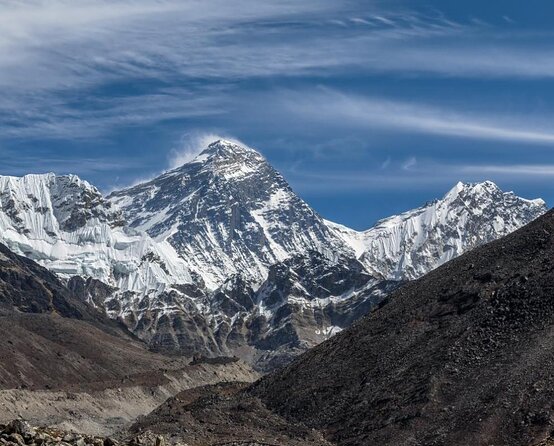
- Kala Patthar viewpoint for sunrise-level Everest angles
- Porter support arranged so you’re not hauling everything yourself
Kathmandu setup: how you get ready for the Khumbu climb
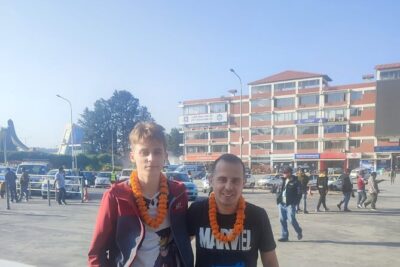
Your trek starts back in Kathmandu with Scenic Nepal Treks & Expedition Pvt. Ltd., at Bhagwati Marg. It’s convenient because pickup is offered and the meeting area is near public transportation, so you’re not fighting the city just to begin.
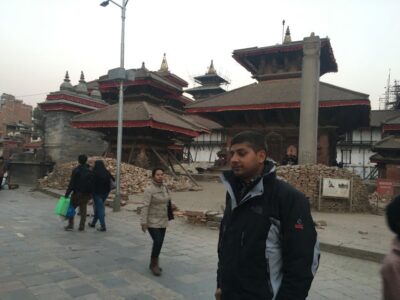
From there, the trip is designed to get you to the mountains quickly and with less mental load. You’ll have sightseeing excursions in Kathmandu as part of the package, then the big transition to the trekking start. Also pay attention to the fact that the operator asks for passport details (name, number, expiry, and country) at booking—this matters for permits and flight arrangements. It’s a small step that prevents headaches later.
A practical note: this trek is sold as private, but it’s still a small-group adventure in the real world. The company notes a cap of 10 travelers for this activity, while also listing a maximum of 15 per booking. Either way, you’re unlikely to feel like you’re walking in a crowd.
You can also read our reviews of more hiking tours in Kathmandu
The Lukla flight: the shortcut that changes everything
Most Everest Base Camp routes are famous for one thing: the flight. This itinerary uses return domestic flights, and the flight may run from Ramechap Airport (not always Kathmandu’s closest big airport).
Why that matters for you: time. Instead of burning days grinding overland routes, you jump straight into the Khumbu. That helps when you’re trying to build in acclimatization and still reach Everest Base Camp on a 12-day schedule.
One more reality check: Lukla flights can be weather-dependent. The trek includes flights as part of the package, so you won’t be arranging them on your own—but you should still plan a mindset that says: the mountain controls the timetable sometimes. It’s one reason having an experienced guide and flexible plan is a big value.
Namche, Tengboche, and Dingboche: where you learn to breathe smarter
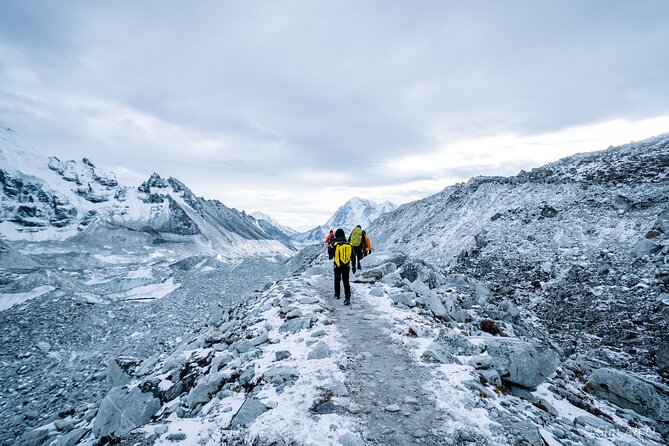
This is where the trip becomes more than walking toward a postcard. The Khumbu villages on this route are set up to help your body adjust to altitude, and the pacing is part of the safety plan.
Namche Bazaar: the acclimatization hub
Namche Bazaar is typically your first major “big village” stop on this classic EBC route. The goal here isn’t just sightseeing—it’s getting your breathing and energy systems used to higher elevations while you’re still close enough to turn around if needed.
What you’ll like about it: Namche is a base of sorts. You’re surrounded by Sherpa culture and trekking infrastructure, and it’s the kind of place where you can steady your routine—eat well, hydrate, and rest properly—before pushing higher.
Tengboche: monastery views with a cooler head
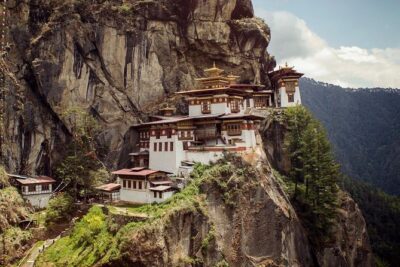
Tengboche is known for its spiritual center and dramatic mountain backdrops. On a trek like this, it also acts like a checkpoint in your climb. By the time you’re walking here, you’ve felt the altitude for days, which makes Tengboche’s views feel more intense—because your body is working harder for every step.
Expect a slower mood here. This stop is a great place to focus on comfort: warm layers, steady pace, and not rushing just because the scenery is epic.
Dingboche: the altitude lesson continues
Dingboche is where your acclimatization becomes less theoretical. You’ll spend time higher than the earlier villages, and the air is thinner enough that good habits matter more: hydration, regular meals, and letting your body catch up.
This is also where your guide’s experience pays off. The trek is led by an experienced Sherpa trekking guide, and that matters most when you’re making “how hard should we push today?” decisions.
Reaching the Everest Base Camp area and settling in at Gorak Shep
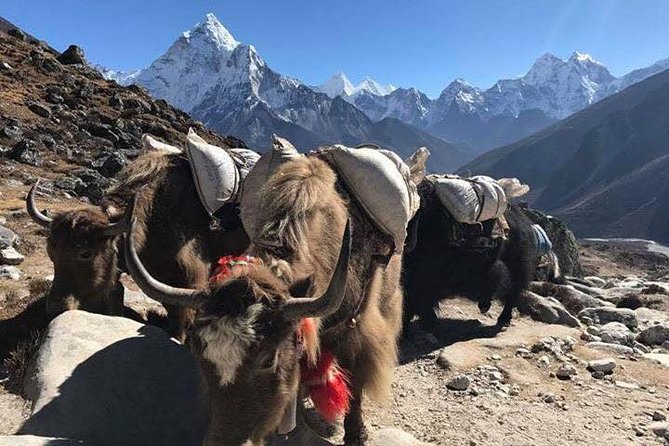
Once the route turns toward Everest Base Camp, the walking gets more serious in a way you feel in your legs and lungs, not just in your mind. On your route you’ll reach the Everest Base Camp area (the tour’s plan lists a day marked for Mount Everest) and then continues to Gorak Shep.
Everest Base Camp area: the moment you’ve trained for
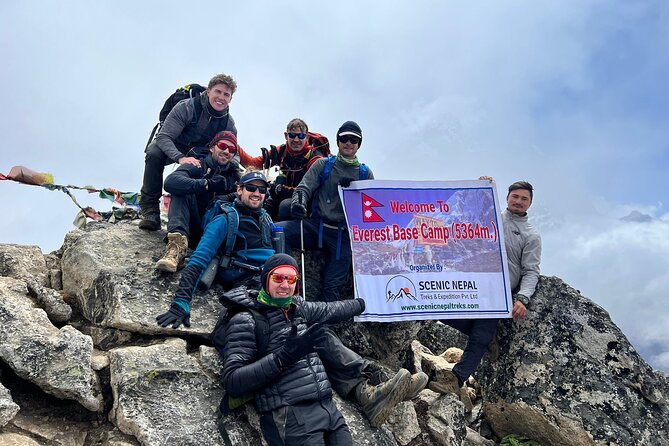
The Everest Base Camp goal is simple to say and hard to do. At this altitude, even routine movement costs energy. But the payoff is that you’re stepping into the real working world of the mountain: harsh terrain, big sheltering stone, and that stark feeling that the Himalaya is not a theme park.
This portion of the trek is built to be doable within your 12-day window, helped by the acclimatization structure earlier in the journey.
Gorak Shep: your overnight “launch pad” for views
Gorak Shep is where you typically sleep high and prepare for a big early start. The tour includes twin sharing tea-house accommodation during the trekking portion (11 nights total).
Tea houses are basic by design, but that’s part of the deal. You’re not paying for luxury here; you’re paying for location, warmth in shared spaces, and a warm meal when you’re exhausted. If you treat Gorak Shep as a place to rest and refuel rather than explore, you’ll enjoy it more.
Kala Patthar and sunrise angles: why this day feels different
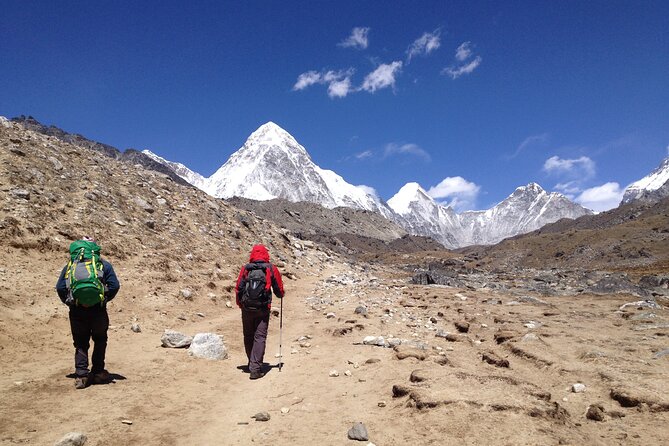
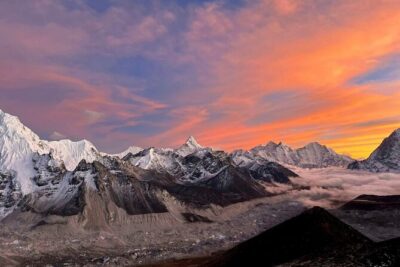
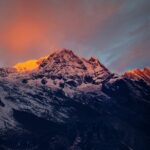
If you do one thing because of this trek’s description, make it this: plan to be ready for panoramic viewpoints like Kala Patthar, where Everest angles can be unreal.
This is the “earned” view day. After days of walking and acclimatization, your effort lines up with the reward. And because it’s high and cold, your gear choices and your pacing from the earlier days matter. You’re not just showing up for a viewpoint—you’re preparing your body for a demanding start.
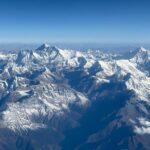
Also, this trek’s viewpoint promise isn’t just about Everest as a single peak. You’ll be looking at a wider cluster: Mount Everest, Lhotse, Nuptse, Ama Dablam, and Pumori are specifically called out. That’s helpful because once you’re up there, you can actually appreciate what you’re seeing instead of just watching clouds drift across one lonely peak.
Meals, tea houses, and porter help: the practical comfort layer
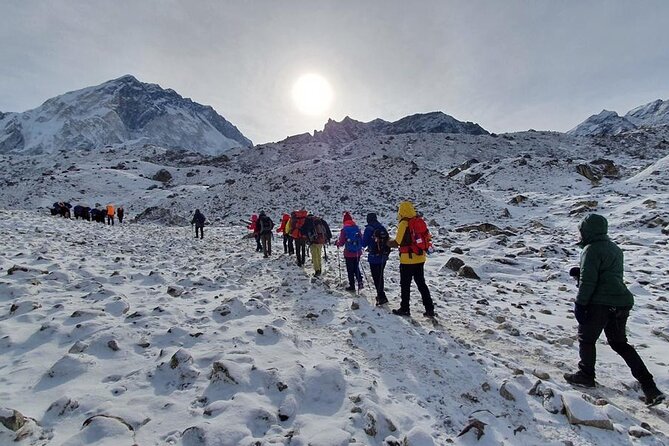
This experience is built around tea-house lodges and included support so you’re not turning every day into a logistics task.
- Meals are included during the trek (the trip overview includes meals as part of what you receive).
- You’ll stay in tea houses on the trekking nights.
- A vegetarian option is available—just tell the operator when you book.
- Lodging is twin sharing, so expect to share space with your trek partner.
Porter support (and what “2 hikers, 1 porter” means for you)
This tour includes porter help: 2 hikers get 1 porter. That’s a smart middle ground for most people. You still carry some essentials (like layers, water, and day items), but you don’t shoulder the entire weight burden for long stretches.
If you want extra carrying help, the tour also offers an option to add-on a porter. This can be worth it if you’re bringing extra gear, have weaker legs, or simply want to conserve energy for the uphill sections.
Staff insurance and first aid
Safety details matter. The package includes staff insurance, medication and equipment, and a first aid kit. That doesn’t eliminate altitude risk, but it does mean you’re not traveling without basic medical readiness in a remote zone.
Gear and fitness: what will make your days feel hard (or manageable)
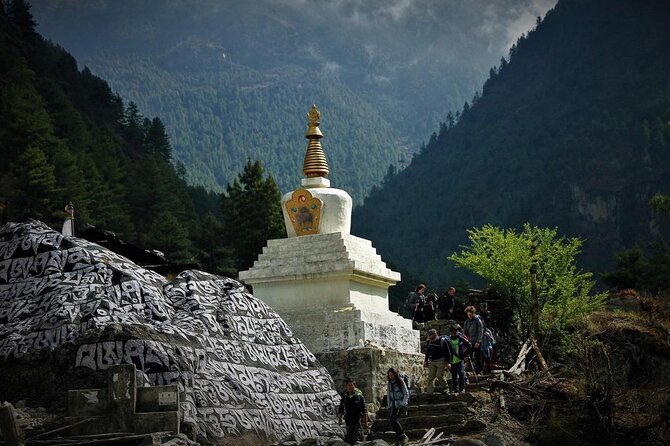
This trek is meant for people with moderate physical fitness, and it can suit fit beginners through experienced hikers depending on your pacing and comfort level. The key is that altitude and cold can turn a “manageable hike” into a tough day if you’re under-prepared.
The operator provides some key items, and you should plan around what you bring versus what’s supplied:
- Scenic Nepal Treks provides a sleeping bag and silk liner
- They also mention maps, a torch (flash lights), and a water bottle, plus a duffel bag
- You’re asked to bring items like trekking boots (and spare laces), warm hat, scarf and gloves, waterproof jacket, and layered warm clothing
They also list examples of what’s helpful: a down jacket (noted with a min -10C reference depending on where/when you trek), thermal underwear, fleece shirts (quick dry), warm polarizing sunglasses, and water purification tablets.
Here’s the practical takeaway: you don’t need every possible mountain gadget. But you do need a system for staying warm and keeping your feet functional. On Everest trek days, cold feet and wet socks can ruin morale faster than you’d think.
Price and value: why $1,439 can work (if you care about what’s included)
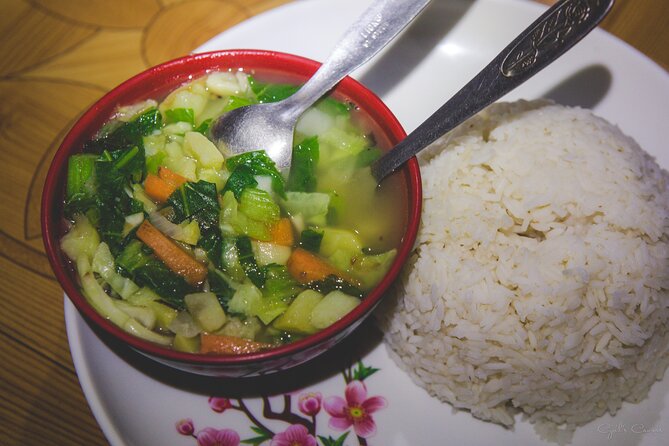
At $1,439 per person, this trek sits in the “serious but not crazy” range for Everest logistics. What makes the price more reasonable isn’t marketing—it’s what you get bundled in:
Included pieces that usually cost extra when you arrange your own trek:
- Highly experienced Sherpa trekking guide
- Return domestic flights (with possible departure from Ramechap)
- Trekking permits
- 11 nights of twin-sharing tea-house accommodation
- Meals
- Staff insurance, and a first aid kit
- Porter support (2 hikers share 1 porter)
What’s not included (and you should budget for it):
- Personal travel/trekking insurance
- International airfare
- Nepal entry visa
- Personal trekking equipment
- Personal expenses and meals not covered
- Tips/gratuities for trekking staff and drivers
So here’s how I’d judge value: if you want a guide-led plan with flights and permits handled, and you want to spend your energy on walking and acclimatizing (not organizing), this price makes sense. If you already have connections, want to self-arrange flights, and plan to handle permits and medical readiness solo, the value equation changes.
Group size, private service, and who gets you through tough days
This trek requires a minimum of two travelers per booking, and it lists a maximum group size for the activity. That’s a good sign if you want less chaos and more attention.
On a Himalayan trek, attention is not a luxury—it’s how you handle:
- weather shifts
- pace adjustments
- altitude warnings
- decision-making when someone needs a slower day
The tour is led by Sherpa guides, and the feedback highlights specific guides and leaders by name, including Dipendra and Shankar as well as guides like Binod, Santosh, and Ramjee. I can’t guarantee which guide you’ll get, but the pattern matters: real trekkers consistently link their experience to the crew and the way questions were answered and safety was managed.
If you like a trip where the people running it actually pay attention to your questions before you go, this style fits.
Should you book this Everest Base Camp trek?
I’d book this if:
- you want a private Sherpa-guided trek with safety-focused acclimatization
- you prefer your core logistics handled—flights, permits, meals, and tea-house stays
- you want to walk classic Khumbu villages and not just chase elevation numbers
- you’re okay with basic lodging and cold mornings as part of the deal
I’d pause if:
- you’re very risk-averse about weather and altitude (because conditions can still affect the day-to-day)
- you don’t want the idea of early starts and cold viewpoint days
- your packing list is weak and you’d rather buy gear last minute than prepare
FAQ
How long is the Everest Base Camp trek?
It’s listed as a 12-day trek (approx.).
Where does the trek start and end?
It starts at Scenic Nepal Treks & Expedition Pvt. Ltd. on Bhagwati Marg in Kathmandu, and the activity ends back at the same meeting point.
Are flights included, and where might they depart from?
Yes. The package includes return domestic flights, and the flight may fly from Ramechap Airport.
What’s included for permits, guides, and accommodation?
You get a Highly Experienced Sherpa trekking guide, trekking permits, first aid kit, staff insurance and related medical supplies, and twin sharing tea-house accommodation during the 11 trekking nights.
Can I eat vegetarian food?
Yes. A vegetarian option is available—you should request it at booking.
Is there a full refund if I cancel?
The policy says you can cancel for a full refund up to 24 hours in advance of the experience start time.