REVIEW · KATHMANDU
Kathmandu: Local Lead Nepali Cooking & Momo-Making Class
Book on Viator →Operated by Kathmandu Cooking Academy · Bookable on Viator
A market-and-kitchen day in Kathmandu beats a checklist tour. This hands-on momo-making class also includes a short shopping stop and step-by-step cooking of classic Nepali dishes, right in a clean, friendly setup at Kathmandu Cooking Academy. I love the market ingredient hunt plus the clear, patient teaching that makes you feel like you can actually cook this again at home. One thing to consider: the class is 3 hours 30 minutes, so plan around it if you have tight plans in Thamel.
You’ll start with Nepali masala tea, then move through dumpling work and other dishes in a small group (max 12). It’s priced at $5 per person, and it includes the cooking class, ingredient shopping, and tasting what you make. If you want alcohol or specialty drinks, those are not included, and you’ll likely want to budget for a tip.
In This Review
- Key takeaways
- First Stop: Thamel and Masala Tea Before You Cook
- Market Shopping: Why This Little Stop Matters
- The Momo-Making Workshop: Vegetarian or Chicken Dumplings
- Cooking Beyond Dumplings: Three Traditional Dishes
- Using Traditional Tools and Getting Real Instruction
- Eating What You Made: The Tasting Session
- Price and Value: Why $5 Is a Big Deal Here
- Who Should Book This (and Who Might Skip It)
- Should You Book Kathmandu Local Lead Nepali Cooking & Momo-Making Class?
- FAQ
- What is included in the $5 price?
- How long is the Kathmandu cooking class?
- Does the class include hotel pickup and drop-off?
- Where is the meeting point?
- What dishes will I cook?
- Can I make vegetarian momos?
- How many people are in the group?
- What’s not included?
- Can I cancel for a full refund?
Key takeaways
- Start with Nepali masala tea so you ease into flavors before you touch a pan
- Short market or shop stop to buy the key ingredients you’ll actually use
- Momo-making is hands-on with a choice of vegetarian or chicken
- You’ll cook 3 dishes (an entrée, a main course, and a dessert) from a traditional menu
- Small group size (up to 12) helps with personal attention and pacing
- Recipes are shared digitally so you can recreate the dishes after your trip
First Stop: Thamel and Masala Tea Before You Cook
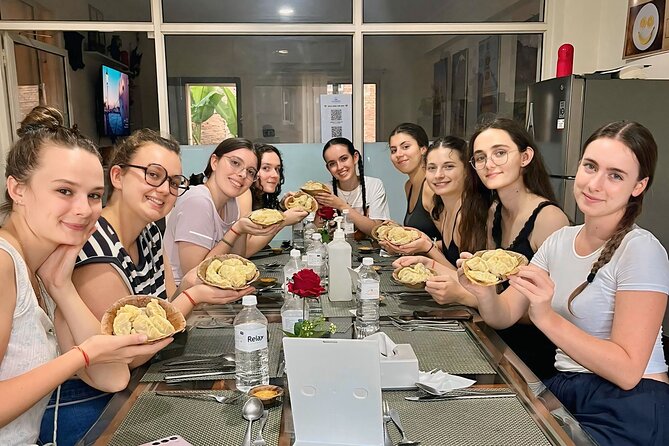
The class meets at Kathmandu Cooking Academy, in Thamel (Yapikhya Marg, Kathmandu). If you’re staying in the tourist core, it’s an easy walk from many hotels, and it’s also near public transportation—so you’re not stuck guessing complicated routes.
Timing is straightforward: you’re looking at about 3 hours 30 minutes from start to finish. When you arrive, the first welcome is a traditional cup of Nepali masala tea. It sets the tone fast: warm, spiced, and very much part of everyday Nepal. It also gives you a moment to get oriented before the action starts.
If you’re the kind of person who worries about being the slow one in a class, don’t. The teaching is described as step-by-step and easy to follow, and the kitchen is kept clean. That matters more than people think—especially when you’re chopping, mixing, rolling dough, and learning technique in real time.
You can also read our reviews of more cooking classes in Kathmandu
Market Shopping: Why This Little Stop Matters
Before cooking, you’ll do a short market or shop visit to pick up important ingredients. This isn’t a long wandering tour. It’s functional: you buy what you’ll cook with.
For me, that’s the real value of including the shopping stop. You don’t just learn a recipe; you learn what ingredients matter and how they show up in Nepal. You’ll also see how local cooking starts long before heat hits the pan—through choosing the right items and getting quantities that make sense for the dish.
Another practical plus: you’ll know what to ask for later when you’re trying to repeat the food at home. Even if you can’t find every exact ingredient, you’ll have a clearer idea of what role each item plays.
The Momo-Making Workshop: Vegetarian or Chicken Dumplings
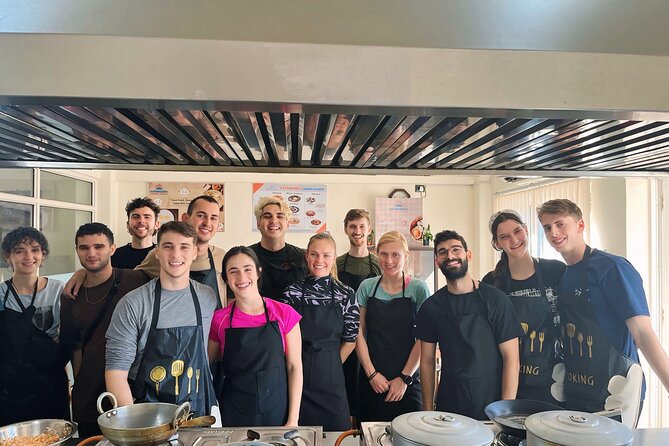
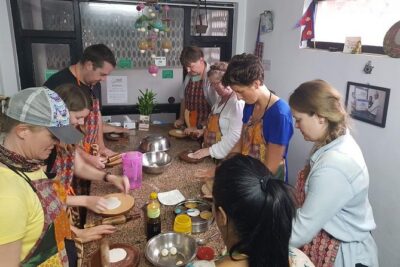
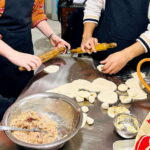
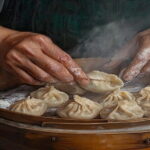
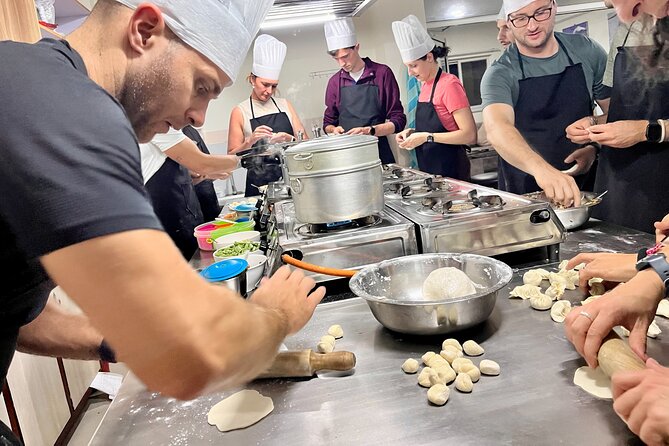
Momos are the headliner, and you’ll make them yourself. You can usually choose between vegetarian and chicken momos, and the class keeps it hands-on—so you’re not just watching someone fold dumplings.
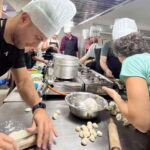
You’ll learn the dumpling process step by step, using traditional utensils. That’s where the class becomes more than just eating. Rolling, filling, and shaping dumplings is a skill, and you build it through doing. You also get practical feedback on technique, which saves you from the common kitchen problem: making something that tastes right but looks wrong.
Expect a fun, social feel while you work. Several participants highlight how enjoyable the atmosphere is, including plenty of laughter with the instructors. It’s one of those classes where you’ll likely end up talking while you cook, not just focusing on the steps.
Cooking Beyond Dumplings: Three Traditional Dishes
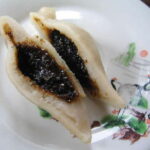
In addition to momos, you’ll cook three Nepali dishes during the session: one entrée, one main course, and one dessert. The specific dishes come from a traditional menu, and classic examples mentioned include dal bhat and yomari.
Here’s how that helps you as a cook or a curious eater:
- You don’t get stuck on one flavor family. You’ll move across savory staples and a sweet finish.
- You learn a range of techniques, not just dough work.
- You leave with a better sense of how a Nepali meal hangs together—what comes first, what feels grounding, and what signals dessert time.
The class is designed to explain the cultural background and cooking techniques behind what you’re making. That’s useful because it helps you understand the why, not only the how. When you know why an ingredient or step matters, you’ll be more confident cooking it later.
Using Traditional Tools and Getting Real Instruction
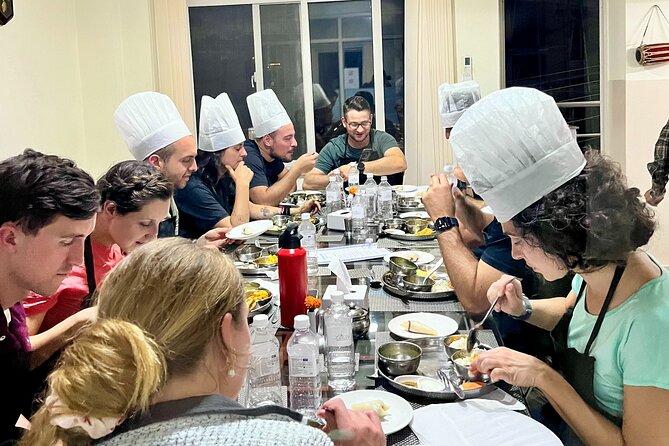
This is taught by local chefs and instructors, with step-by-step guidance and what one review describes as good English. In practice, that means you can follow along even if you don’t speak Nepali. The key is clear explanations and patient pacing—so you don’t feel rushed while learning sticky, delicate tasks like dumpling work.
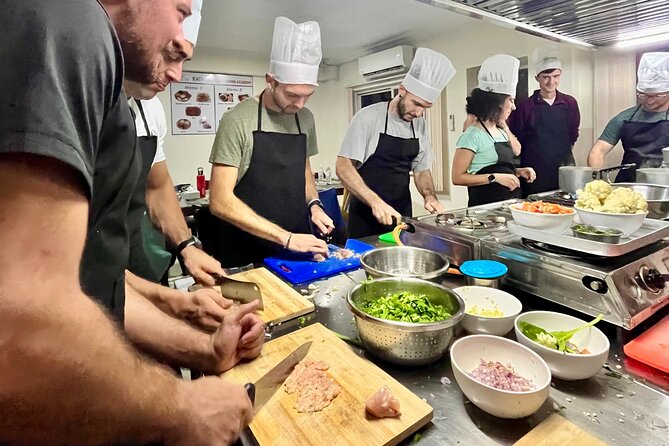
The class uses cooking equipment and accessories and keeps the workflow organized. There’s also a strong emphasis on using traditional utensils, which changes the experience. When you switch from modern gadgets to the tools locals use, the process feels grounded in how Nepali home cooking actually happens.
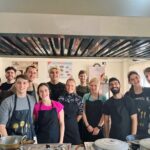
And because the group is limited to 12 people, you’re more likely to get help when you need it. If you’re someone who likes a little interaction—questions, quick corrections, and checking progress—this group size supports that.
You can also read our reviews of more tours and experiences in Kathmandu
Eating What You Made: The Tasting Session
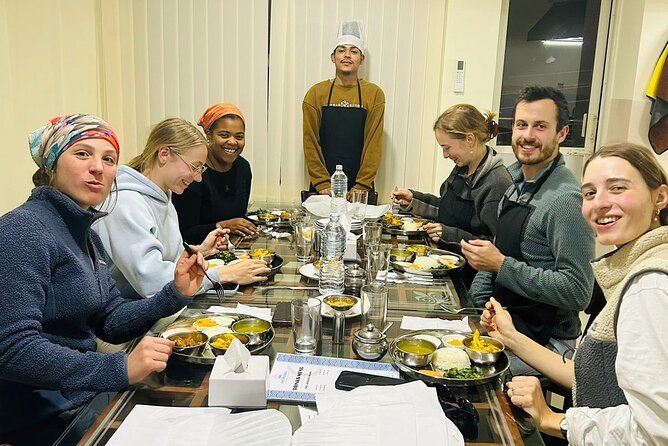
After cooking, you get a relaxed tasting session where you savor what you made. This is the part that makes the class feel complete. You’re not done the moment the last stove turns off—you get to eat your results and compare what you expected with what you actually pulled off.
You’ll also drink the masala tea during the lesson, and tasting is part of the included experience. If you’re hoping for specialty or alcoholic drinks, those are not included, so don’t plan on turning this into a bar evening.
Expect portions that are satisfying for a class. Since you’re cooking a full set of dishes plus momos, you’ll likely leave feeling like you had a real meal, not a snack-sized demo.
Price and Value: Why $5 Is a Big Deal Here
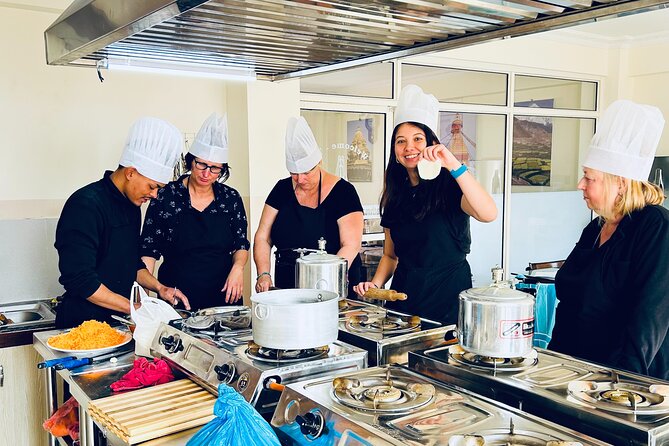
At $5 per person, this class is aggressively good value—especially because the included items aren’t just the cooking. You’re also getting:
- the market or shop ingredient stop
- instruction from local chefs
- use of equipment and traditional utensils
- a tasting session of what you prepared
- hotel pickup and drop-off if that option is selected
Also, the class is capped at 12 travelers, which suggests you’re not dealing with a huge production line. The rating data is strong: 5 out of 5 with 212 reviews and 100% recommended in the provided summary. That doesn’t automatically mean it’s perfect for every person, but it is a strong signal that the experience works.
The main way this can feel less like a bargain is if you’re expecting premium extras. Specialty drinks and alcohol aren’t included, and tipping isn’t covered. But for a cooking class that feeds you and teaches you technique, it’s still hard to beat.
Who Should Book This (and Who Might Skip It)
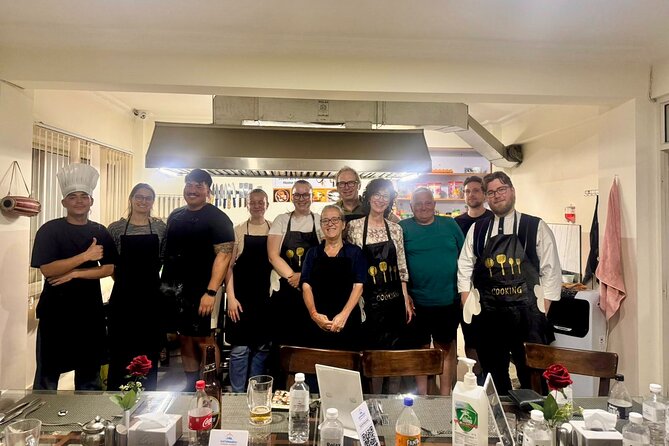
This class fits best if you want a hands-on way to experience Kathmandu food culture beyond restaurants. It’s also great if you:
- like practical cooking instruction
- enjoy learning dumpling technique
- want a meal you can recreate later
- prefer small-group interaction
It might not be ideal if you’re only in Kathmandu for a very short time and your schedule is too tight for a 3.5-hour block. Also, if you hate the idea of shopping for ingredients as part of the activity, you might feel like it’s extra time. But if you like understanding what goes into the food, that market stop is a key part of the value.
Should You Book Kathmandu Local Lead Nepali Cooking & Momo-Making Class?
If you’re looking for a simple, high-value experience that teaches you real Nepali cooking, I’d book it. The combination of market shopping, hands-on momos, and cooking three dishes plus tasting makes the time feel earned. Add the small group size, clean kitchen setup, and step-by-step instruction, and it’s the kind of class that leaves you with skills, not just memories.
Before you go, check two things: whether you’re selecting pickup and drop-off, and whether you’re okay with meals and tea being included while specialty drinks are extra. If that works for you, this is one of the most sensible food experiences in Kathmandu.
FAQ
What is included in the $5 price?
The class includes the cooking session with step-by-step instruction, a market or shop visit to buy ingredients, Nepali masala tea during the lesson, hands-on cooking of multiple dishes (including momos), use of cooking equipment, and a tasting session of what you prepare.
How long is the Kathmandu cooking class?
It runs about 3 hours 30 minutes (approximately).
Does the class include hotel pickup and drop-off?
Hotel pickup and drop-off are included if you select the pickup option. If you don’t, you’ll meet at the academy.
Where is the meeting point?
The start point is Kathmandu Cooking Academy, Thamel, Yapikhya Marg, Kathmandu 44600, Nepal. The activity ends back at the meeting point.
What dishes will I cook?
You’ll prepare three Nepali dishes: an entrée, a main course, and a dessert, chosen from a traditional menu. Momo-making is a highlight, and classic examples mentioned include dal bhat and yomari.
Can I make vegetarian momos?
Yes. You’ll make momos either vegetarian or chicken, depending on what you choose for the class.
How many people are in the group?
The class has a maximum of 12 travelers.
What’s not included?
Specialty drinks and alcoholic drinks are not included, and tips are not included.
Can I cancel for a full refund?
Yes. You can cancel for a full refund up to 24 hours before the experience starts. If you cancel less than 24 hours before, the amount paid won’t be refunded. Free cancellation applies as described.