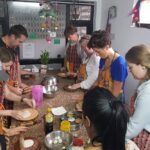
Women lead, and you cook from scratch. At Namaste Cooking School in Kathmandu’s Thamel, the afternoon starts with masala chai and turns Nepali food into a practical, hands-on lesson you can repeat at home.
I also love the way you get to choose from three menus and get a clear look at the spices that shape the flavor of each dish. One small consideration: the class needs good weather, so if Kathmandu is being moody, be ready for a date swap.
In This Review
- Key highlights you’ll notice right away
- Namaste in Thamel: why this cooking class feels personal
- A 4-hour rhythm: chai, menu choice, spice talk, then cooking
- Step 1: a warm welcome with masala chai
- Step 2: choose your menu (and flag allergies)
- Step 3: an intro to Nepali spices
- Step 4: hands-on cooking with step-by-step guidance
- Step 5: take home a recipe book
- What you’ll make (and why menu choice matters)
- The “do the work” cooking experience: great for singles and couples
- Lunch included: not a snack, a real finish
- Price and value: is $30 worth it in Kathmandu?
- Pickup, mobile ticket, and timing tips that keep the day easy
- Who this is best for (and who might want a different option)
- Should you book Namaste Cooking School in Kathmandu?
- FAQ
- FAQ
- Where does the cooking class take place?
- How long is the class?
- What is the price per person?
- Is lunch included?
- Is pickup available, and where does the tour start?
- Are there dietary options or allergy considerations?
- What language is the class taught in?
- How many people are in a group?
- Do you get anything to take home?
- Do I need good weather to attend?
Key highlights you’ll notice right away
- Women-led instruction with a warm, encouraging vibe
- Pick one of three menus and sort out dietary restrictions early
- Spice education focused on regional flavors, not just memorizing steps
- Hands-on cooking where you do the work, with guidance throughout
- Lunch included, plus a recipe book to take home
Namaste in Thamel: why this cooking class feels personal
Kathmandu’s Thamel is loud, busy, and full of tempting food smells. This class sits right in the middle of that energy, so it’s easy to build into a day without complicated logistics. Better still, you’re not just watching someone cook—you’re in the kitchen with women who care about keeping Nepali cooking grounded in local ingredients and old-school technique.
The school’s mission is about preserving Nepal’s indigenous culinary heritage. In plain terms: they focus on the flavors you associate with real Nepali meals, not “internationalized” versions. A big part of that comes from sourcing ingredients directly from local farmers, so what you cook isn’t built around shelf-stable shortcuts.
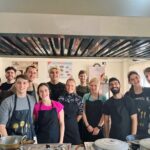
And because the class is small (up to 16 people), it doesn’t feel like you’re stuck in a long line waiting your turn. You get more direct coaching, and it’s the kind of setup where even a solo visitor can relax and actually participate.
You can also read our reviews of more cooking classes in Kathmandu
A 4-hour rhythm: chai, menu choice, spice talk, then cooking
The class runs about 4 hours, which is a sweet spot. Long enough to learn real steps and cook something satisfying, but short enough that you’re not tied up for your whole day.
Here’s the flow you should expect, and why it matters:
Step 1: a warm welcome with masala chai
You arrive and get a traditional cup of masala chai. It’s not just a drink for the photo. It sets the tone: friendly, unhurried, and very Kathmandu-hospitality.
Step 2: choose your menu (and flag allergies)
Next, you pick from three carefully chosen menus. At the same time, they ask about dietary restrictions and allergies, which is practical. It also helps them tailor how you approach ingredients and cooking choices so you’re not left worrying later.
If you’re a bit picky (or you’re managing health needs), this “menu selection first” approach is a relief. You’re shaping the experience from the start, not improvising after you’ve already started cooking.
Step 3: an intro to Nepali spices
Then you get a look at regional spices and how they connect to Nepali cuisine. This is where the class goes beyond recipes. You learn what flavors matter and why they matter, so the dishes make more sense when you’re cooking at home.
It’s also a good way to understand the country’s variety. Different regions rely on different spice blends and cooking habits, and that shows up in what ends up on your plate.
You can also read our reviews of more tours and experiences in Kathmandu
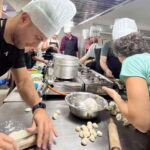
Step 4: hands-on cooking with step-by-step guidance
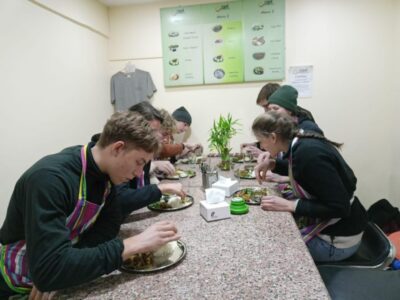
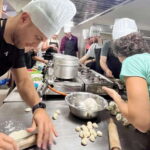
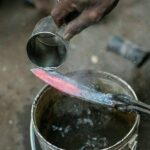
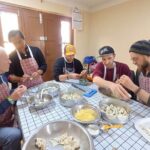
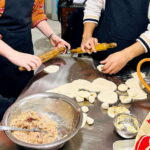
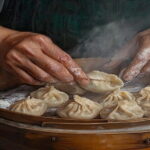
Now comes the part you’ll remember: you cook everything yourself, guided through the steps. In other classes, you sometimes feel like a tourist holding a spoon. Here, the whole structure pushes you to actually do the work—chopping, mixing, cooking—while the instructors keep things moving.
Step 5: take home a recipe book
When the class finishes, you receive a Namaste Cooking School Recipe Book. That’s one of the best parts for me, because it turns the experience into something usable, not just a one-time memory.
And because the instructions are tied to what you cooked, you’re more likely to reproduce results at home.
What you’ll make (and why menu choice matters)
Even without getting a list of every exact dish in advance, the menu structure is what matters for your expectations.
You choose from three menus, which usually means your class experience can feel different from someone else’s. It’s also a smart setup for dietary needs: instead of forcing everyone into one standard menu, the class can adjust around what’s safest and what fits.
This is also where the ingredients approach matters. The school’s focus on local farmers and indigenous culinary heritage means you’re more likely to taste the “real thing” instead of a generic spicy meal. Nepali food can be comforting, smoky, sour, garlicky, or warm with chili depending on the dish, and that balance is easier to learn when you’re cooking with the right ingredients.
If you’re trying to understand Nepali cuisine quickly, the menu choice is your shortcut. You’ll leave with a set of dishes that make sense as a package: spices, technique, and flavor logic tied together.
The “do the work” cooking experience: great for singles and couples
One of the strongest themes in the experience is the instructor energy. The women leading the class are upbeat and friendly, and the teaching style is practical. You get detailed instruction, plus enough flexibility to ask questions while you’re cooking.
You’ll also notice a big difference in how the class handles cleanup and kitchen labor. In this setup, you’re busy cooking; you’re not stuck with an endless chore list after your food is done. That matters because cooking classes can be great until the end turns into a cleaning session you didn’t sign up for.
Also, group size helps. With a maximum of 16 people, you’re less likely to feel ignored. Solo visitors, couples, and people who want to meet others generally do well in a format like this because you’re working side-by-side in a shared kitchen flow.
From the teaching team, names like Sabita and Sushila come up often, and they represent the school’s approach: attentive, cheerful, and focused on helping you succeed.
Lunch included: not a snack, a real finish
The class includes lunch, and it’s not just a formality. Since you’re cooking your own dishes, lunch is the payoff of your effort. That means you can actually taste the results of your spice choices and technique—something you miss when you just watch.
It also helps your day planning. Kathmandu days can stretch longer than you think. Having lunch built in means you don’t have to squeeze in a meal hunt after class while you’re hungry and still learning your way around.
If you tend to eat lightly while sightseeing, this class is a good reset: you get fed, you get knowledge, and you go home with a recipe book instead of a vague “I think it was spicy” memory.
Price and value: is $30 worth it in Kathmandu?
At $30 per person, this class sits in the affordable category for a structured, ingredient-focused cooking lesson in Kathmandu—especially since lunch is included.
Here’s where the value really comes from:
- You get a full hands-on session for about 4 hours
- You receive a recipe book you can use later
- You learn about spices and menu logic, not only step-by-step cooking
- The class is led by local women and tied to ingredient sourcing from local farmers
- Group size is limited to 16, which usually improves the coaching you receive
If you’re the type who likes to spend money where it supports local people and you want a skill you can repeat, this is the kind of activity that pays off. You’re not paying just for a meal—you’re paying for a working knowledge of Nepali cooking.
The only reason price might not feel “worth it” to some people is if you already know how to cook Nepali dishes and just want a meal. For food-curious visitors, though, it’s a strong deal.
Pickup, mobile ticket, and timing tips that keep the day easy
The experience offers pickup, and the meeting point is tied to Tribhuvan Airport. The activity ends back at the meeting point, so your transportation planning is fairly straightforward.
You also get a mobile ticket, which is helpful in a city where paper confirmations can be hard to track while you’re on the move.
Because it’s set for about 4 hours, plan around it like a half-day commitment. In Thamel, that’s easy to do. You can also pair it with a morning market visit or a relaxed afternoon walk afterward—just leave enough time to get back to your lodging and digest your handiwork.
Finally, remember the weather note. The class requires good weather, and if it’s canceled due to poor weather you’ll be offered a different date or a full refund. So if you’re on a tight schedule with no flexibility at all, try booking earlier so you have options.
Who this is best for (and who might want a different option)
This cooking class is a great match for:
- People who want a hands-on way to learn Nepali food
- Solo visitors who like meeting friendly instructors and working in a small group
- Couples who want a fun, structured shared activity that isn’t just sitting at a restaurant
- Anyone who cares about food being linked to local farmers rather than imported ingredients
It may not be the best fit if:
- You’re only in Kathmandu for a super short window and can’t spare 4 hours
- You need a fully private, one-on-one class (this one is capped at 16)
- You dislike cooking-based activities and prefer purely observational experiences
Should you book Namaste Cooking School in Kathmandu?
If you want more than a meal and you’d like to take Nepali cooking home with you, book it. The combination of women-led teaching, menu choice, spice explanations, and included lunch makes it feel like a complete experience rather than a quick demo.
I’d especially recommend it if:
- You’re curious about spices and want to understand what’s going on in the flavor, not just follow instructions.
- You want a souvenir that actually gets used later—the recipe book.
- You’d rather spend a half-day learning than spending that time constantly trying to find the next place to eat.
If your schedule is flexible and you’re staying in or near Thamel, this is one of those Kathmandu activities that turns a familiar city day into something hands-on and memorable.
FAQ
FAQ
Where does the cooking class take place?
The school is located in Kathmandu, specifically in the heart of Thamel.
How long is the class?
The class lasts about 4 hours.
What is the price per person?
It costs $30.00 per person.
Is lunch included?
Yes, lunch is included.
Is pickup available, and where does the tour start?
Pickup is offered. The meeting point is listed as Tribhuvan Airport Kathmandu Nepal, and the activity ends back at the meeting point.
Are there dietary options or allergy considerations?
Yes. During menu selection, they ask about dietary restrictions or allergies.
What language is the class taught in?
English is offered.
How many people are in a group?
The class has a maximum of 16 travelers.
Do you get anything to take home?
Yes. You receive a Namaste Cooking School Recipe Book at the end of the course.
Do I need good weather to attend?
Yes. The experience requires good weather, and if it’s canceled due to poor weather you’ll be offered a different date or a full refund.