REVIEW · KATHMANDU
Annapurna Circuit with Tilicho Lake Trek
Book on Viator →Operated by Nepal Social Treks and Expedition · Bookable on Viator
The high passes here feel close enough to touch. This guided Annapurna Circuit trek adds the Tilicho Lake detour, so you get big mountain days without the stress of figuring it out alone. I like that the route includes meals, permits, and teahouse stays, which removes a lot of decision fatigue when you’re focused on pacing yourself.
What I especially like is the small group size (max 8) plus real logistics support: a certified professional guide, a porter setup (1 porter for 2 travelers), and even gear like a sleeping bag and duffel for use on the trip. One drawback to consider up front: this is a challenging altitude trek, so if you’re not used to steep climbs and thinner air, you’ll want to train and be honest about your fitness.
In This Review
- Quick hits before you go
- Altitude planning: how this itinerary sets you up (and where it still bites)
- Small-group support that keeps your brain on the trail
- Price and value: what $1,093.34 per person covers
- Day-by-day: Chame to Pisang, then the climb into Manang
- Day 1: Kathmandu to Besisahar (the long warm-up day)
- Day 2: Pisang—forest walking and two bridge crossings
- Day 3: Manang—vistas toward Tilicho Peak
- Day 4: Manang rest day (why this day is worth it)
- Into the Tilichol Lake section: windy timing and the two-route approach
- Day 5: Khangsar—following the river and a Tibetan-style village feel
- Day 6: Tilichol Lake approach—gompa views and two trail options
- Day 7: Tilichol Lake day—start early to beat the winds
- Back toward the Thorong La region: Yak Kharka, Thorong Phedi, and Muktinath
- Day 8: From Tilicho base area toward Yak Kharka
- Day 9: Thorong Phedi trail—ridges, rivers, and narrow paths
- Day 10: Muktinath and the Thorong La challenge
- Finish strong: Kali Gandaki to Jomsom, flight to Pokhara, and back to Kathmandu
- Day 11: Jomsom—choosing Kagbeni or Lupra and following the Kali Gandaki
- Day 12: Morning flight to Pokhara and then a cushy base
- Day 13: Pokhara to Kathmandu by tourist coach
- The vibe on the ground: what “guided safety” really means here
- Who this trek fits best (and who should reconsider)
- Should you book this Annapurna Circuit with Tilicho Lake?
- FAQ
- What is the duration of this trek?
- Where does the itinerary start and what time do we begin?
- What is the group size limit?
- What key transport is included?
- Are trekking permits included?
- What meals and accommodations are included?
- What gear is provided?
- What is not included in the price?
- What fitness level is recommended?
Quick hits before you go
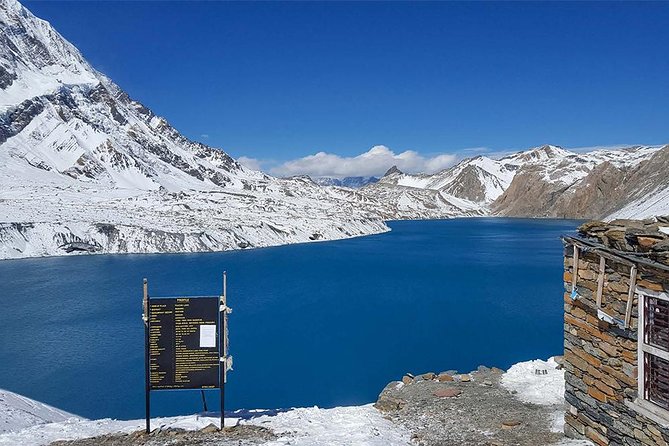
- Tilicho Lake detour adds a high-altitude goal that makes the circuit feel extra earned
- Small group (max 8) means more attention and fewer bottlenecks on the trail
- Guide + porters + first aid kit reduce the day-to-day worry so you can just hike
- Jomsom–Pokhara flight included saves you from a longer slog back
- Rest day in Manang gives your body a chance to adjust before the bigger days
Altitude planning: how this itinerary sets you up (and where it still bites)
This trek is built around altitude awareness, not wishful thinking. You start with a road-in, then gradually climb into the Annapurna Range. The key move is spending time in the Manang area (including a rest day) before you push higher toward Tilicho and eventually the Thorong La region.
That rest day isn’t just a “hang out” day. At around 3,000+ meters, it’s the difference between arriving tired and arriving able to keep moving. I like that the plan includes time to adjust in Manang, because it’s the one part of many treks that people underestimate. You also get the “start early” advice for windy sections later on, which is real-world trekking wisdom—on higher trails, weather turns quickly.
Still, you should expect altitude to be the main boss fight. The itinerary includes a high pass area day (Thorong La) and mentions that high altitude and extreme snow can be a factor. Even with a guide, you’re the one doing the walking. If altitude has hit you hard in the past, plan to take the challenge seriously and move at a conservative pace.
You can also read our reviews of more hiking tours in Kathmandu
Small-group support that keeps your brain on the trail
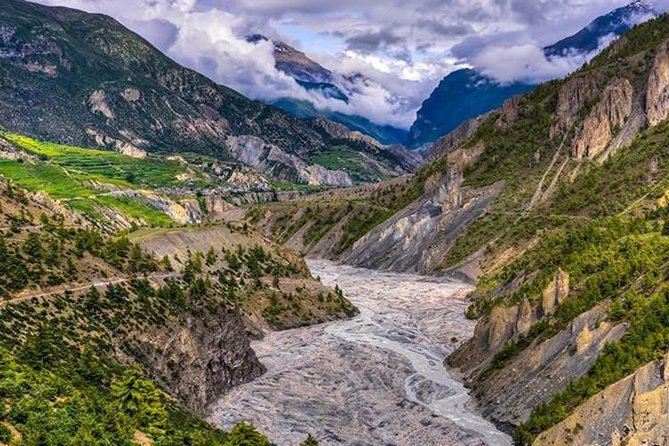
This is not a “self-guided, good luck” situation. You travel with a certified professional guide, and the group stays small—no more than 8 people. That matters on the kind of tight, steep sections where you want clear instructions and someone watching the timing of the day.
You also get porter support: the package lists a 1 porter for 2 traveler setup to carry personal gear and group equipment. That doesn’t mean you’ll be weightless (you’ll still have your essentials), but it usually makes a big difference when you’re stacking long hours on uneven ground.
Logistics help is part of the value too. Airport pickup and drop-off are included as mentioned in the itinerary, and there’s private transport by vehicle for the road segments. On top of that, the program includes a first aid kit (the practical kind you’re glad exists).
Finally, there’s gear support from Nepal Social Treks: sleeping bag and duffel bag (for use during the trip). That’s a nice cost saver if you don’t already own trekking gear. If you do own gear, you’ll still appreciate not having to pack and coordinate everything for one trek.
Price and value: what $1,093.34 per person covers
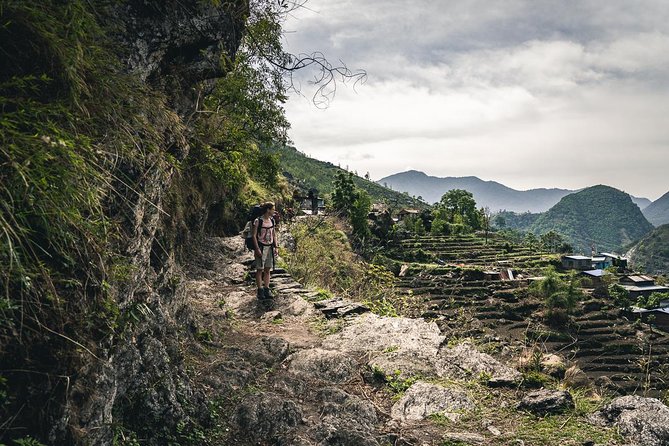
At $1,093.34 per person, the headline cost can look scary until you see what’s actually included. Here’s the value picture as I see it:
Included value that adds up fast
- Teahouse/guesthouse accommodation during the trek
- Meals listed as breakfast (13) and lunch/dinner (11 each where specified)
- Permits: Annapurna Conservation Area Permit and TIMS
- Jomsom–Pokhara flight
- A certified professional guide
- Porter support (1 porter for 2 travelers)
- Comprehensive first aid kit
- Nepal Social Treks gear like sleeping bag and duffel bag for use
Also important
- The route includes airport pickup and drop-off as mentioned in the plan
- There’s road transport by private vehicle for the transfers
Not included (plan for these)
- Drinks and alcoholic drinks
- Kathmandu accommodation
- International flight ticket
- Nepal entry visa fees (you pay directly)
- Travel/medical insurance (not included)
If you’re the type of hiker who hates budgeting line-by-line on the road—this package is built for you. If you already have all gear, want full independence, and can organize permits and logistics cheaply on your own, then the price may feel less tempting. But for most active hikers, the bundled structure is exactly what makes this trek feel manageable.
Day-by-day: Chame to Pisang, then the climb into Manang
Day 1: Kathmandu to Besisahar (the long warm-up day)
You leave Kathmandu by road, heading toward Besisahar. The drive follows the Kathmandu–Pokhara highway to Dumre, then switches to a narrower paved road that runs alongside the Marsayangdi River. It’s a long day—more road hours than trail hours. That’s normal here, and it’s worth treating Day 1 like a reset, not a training day.
What you gain: you avoid the hassle of arranging transfers and you start your trek fresh the next day.
Day 2: Pisang—forest walking and two bridge crossings
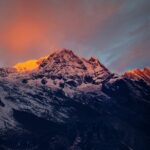
Day 2 moves you into the trek proper, with deep forest in a narrow, steep valley. Two bridge crossings are part of the experience, one around 2,910 meters and another around 3,040 meters. As you walk, you can catch views of Lamjung Himal.
Potential drawback: those steep valleys and tight paths demand focus. It’s not just about distance; it’s about stepping carefully and keeping your pace steady.
Day 3: Manang—vistas toward Tilicho Peak
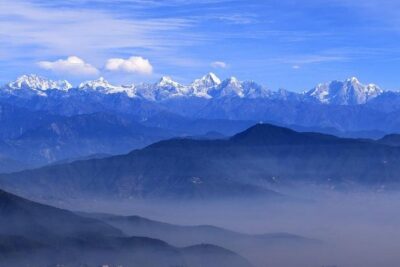
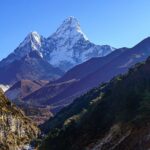
This is a day for ridge climbing and big views. You ascend a steep ridge with panorama views of Manang Valley and Tilicho Peak (7,134 meters). Then you descend through Humde and reach the Manang area, including the Manang airstrip region around 3,280 meters.
This is also where the trek starts to feel more “high mountain” than “hiking through valleys.” The air is thinner; the walking feels different.
Day 4: Manang rest day (why this day is worth it)
You get a rest day to adjust to higher altitude. Manang is described as remote but still a sizable village. This is the day you take to slow down, explore a bit, and let your body catch up.
If you’re serious about preventing altitude problems later, this day is your friend. Use it.
Into the Tilichol Lake section: windy timing and the two-route approach
Day 5: Khangsar—following the river and a Tibetan-style village feel
From Manang, the path leads toward the river. You cross Khangsar Khola by bridge, then climb to Khangsar Village. The village is described as typical Tibetan, which matters because it changes the vibe from pure wilderness into a living mountain community.
Day 5 is shorter than some of the others, which helps you build rhythm before the long high-altitude days.
Day 6: Tilichol Lake approach—gompa views and two trail options
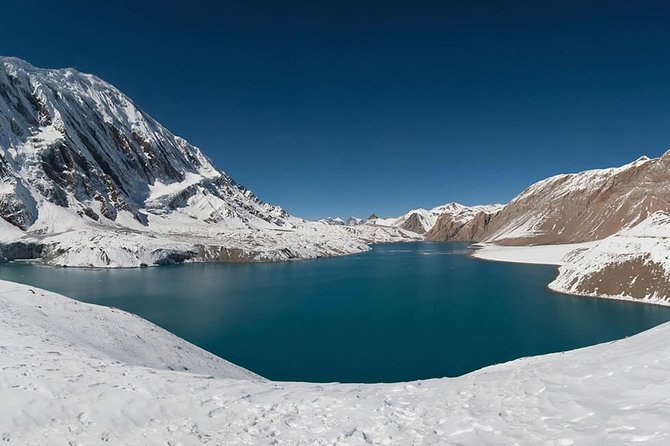
You head toward the Tilichol Lake area and start seeing monastery (gompa) moments. The trail is described as newly constructed as it climbs toward a high ridge. Importantly, you’re told there are two routes: an older, more challenging option and a newer, easier alternative.
For many hikers, that choice is the difference between arriving feeling strong versus arriving drained. Having that guidance from your guide helps you pick the right effort level for your body that day.
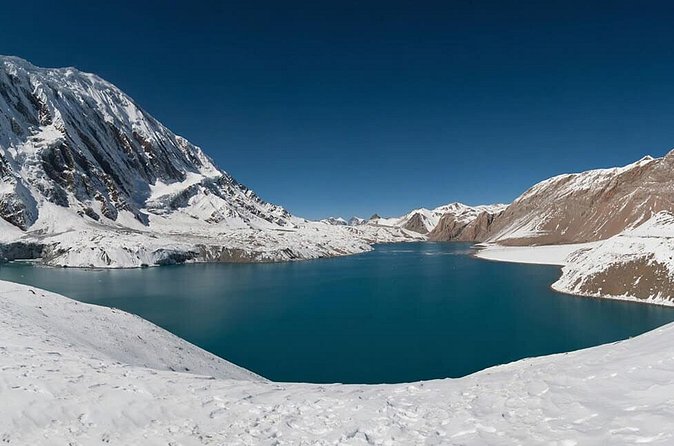
Day 7: Tilichol Lake day—start early to beat the winds
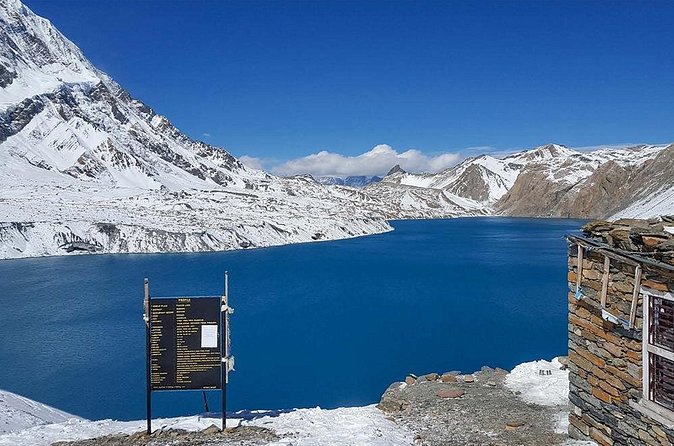
This is the kind of detail that makes guided treks worth it. You’re advised to start early to avoid strong winds that pick up later due to mixing warm land and cold air. The plan describes the journey from the base camp up toward Tilicho.
If you’ve ever had weather change mid-morning at elevation, you already know what this means. Early starts reduce stress and often make the day feel smoother.
Back toward the Thorong La region: Yak Kharka, Thorong Phedi, and Muktinath
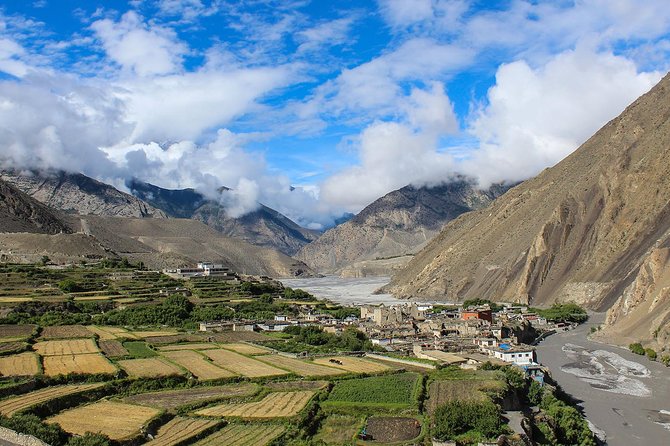
Day 8: From Tilicho base area toward Yak Kharka
This day is about transition. You descend slowly from Tilicho base camp and climb about 500 meters as you move toward Yak Kharka. You pass through Tengi and leave behind the Marsayangdi Valley, heading toward the Thorong region.
What I like here: it doesn’t treat the circuit like a straight line. It uses natural transitions so you’re constantly adjusting to terrain and altitude rather than jumping too fast.
Day 9: Thorong Phedi trail—ridges, rivers, and narrow paths
You start with breakfast, then ascend toward a ridge. Later you descend toward the Kone River, cross it via a wooden bridge, and continue on a narrow path. This is also one of the days where having the day’s structure matters. You’ll want to save energy for the next pass day.
Potential drawback: narrow trails mean careful footing. If you don’t like close, uneven ground, this is where you’ll notice it.
Day 10: Muktinath and the Thorong La challenge
This is the big, demanding day. You begin early and make your way toward Thorong La Pass, with snow and high altitude called out as possible challenges. After crossing the pass area, you reach Muktinath.
This is also where your guide earns their paycheck. A good guide helps you pace, handle conditions, and make smart calls if conditions tighten. You should still be ready for discomfort—this is a mountain pass day.
Finish strong: Kali Gandaki to Jomsom, flight to Pokhara, and back to Kathmandu
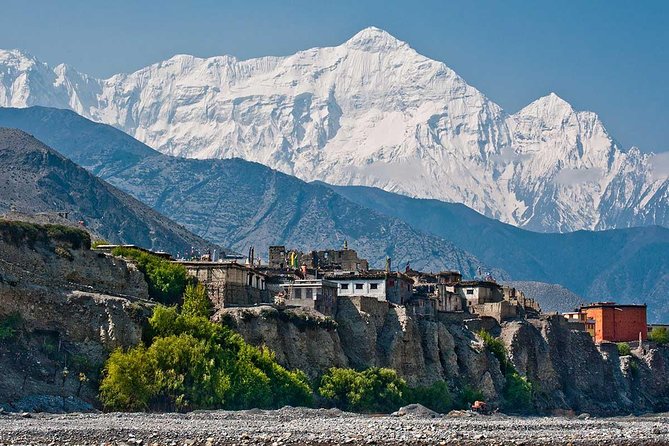
Day 11: Jomsom—choosing Kagbeni or Lupra and following the Kali Gandaki
To reach Jomsom, the plan notes routes via Kagbeni or Lupra. You trek along the Kali Gandaki River, reaching a chilly valley with amenities. Jomsom is described as a he hub.
What this means practically: after long trek days, you’ll get a more “settled” atmosphere. It’s still not a city vacation, but it’s a breather.
Day 12: Morning flight to Pokhara and then a cushy base
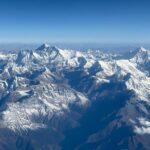
You wake early for the morning flight from Jomsom to Pokhara. You’ll get views of snow-capped mountains from the air, then you’re escorted to your Pokhara base (the plan indicates transfer and overnight arrangement).
I like flight days on treks like this because they shorten fatigue. You’re not trading elevation gains for another full day of walking.
Day 13: Pokhara to Kathmandu by tourist coach
After breakfast, you drive from Pokhara to Kathmandu by tourist coach—about 7 hours. Overnight is arranged in Kathmandu in your agreed category with BB plan.
This final road day helps you come down mentally too. You get a proper end to the physical grind.
The vibe on the ground: what “guided safety” really means here
The plan promises you’ll trek safely with a guide to reduce the risk of getting lost. That’s not just comforting marketing. In practical terms, you’re getting:
- Daily planning support so you’re not guessing when weather shifts
- A guide who knows how to manage timing on altitude days
- Porter support that reduces pack strain
- A first aid kit available through the trip setup
And from the human side, feedback associated with this program has highlighted professionalism and kindness, including named support like NC Sherpa as a guide and MisterD Sherpa as a porter. When a team shows up with that attitude, it makes the tough days feel less lonely.
Who this trek fits best (and who should reconsider)
This Annapurna Circuit with Tilicho Lake is best for fit, active hikers who can handle a challenging route and altitude exposure. The itinerary includes pass-region walking and explicitly calls out potential snow at high elevation—so you should be comfortable with hard days and long hours.
It’s also a good match if you:
- Want permits, meals, and teahouse stays handled for you
- Prefer a small group and clear instructions
- Don’t want to organize flights and logistics on your own
- Benefit from porter support (especially over multiple long walking days)
You might think twice if you:
- Are not ready for altitude discomfort or steep, high pass walking
- Want to fully self-direct every decision on the trail
- Don’t want to pay extra for items not included (Kathmandu accommodation, insurance, visa, and your own drinks)
Should you book this Annapurna Circuit with Tilicho Lake?
If you want a challenging trek that’s still structured and low-stress on logistics, I think this is a strong pick. The value is in the bundle: permits, meals, teahouse stays, guide, porter support, and the Jomsom–Pokhara flight. You’re paying for fewer moving parts, which matters when every day already asks a lot of you.
If you’re an experienced mountain hiker who enjoys planning everything yourself, you might be able to arrange a cheaper version. But if you want the most straightforward path to Tilicho and the Annapurna Circuit experience without map headaches, this package makes a lot of sense.
FAQ
What is the duration of this trek?
The trek is listed as about 13 days.
Where does the itinerary start and what time do we begin?
You start from Kathmandu, with a start time of 8:00 am.
What is the group size limit?
The maximum group size is 8 travelers.
What key transport is included?
A Jomsom to Pokhara flight is included, plus transport by private vehicle for the road segments mentioned in the plan, including airport pickup and drop-off.
Are trekking permits included?
Yes. The Annapurna Conservation Area Permit and TIMS are included.
What meals and accommodations are included?
Accommodation in teahouse/guesthouse during the trek is included. Meals are included as breakfasts (13) and lunches/dinners (11 each, where specified).
What gear is provided?
The Nepal Social Treks gear listed for use includes a sleeping bag and a duffel bag.
What is not included in the price?
Drinks (including alcoholic drinks), accommodation in Kathmandu, the international flight ticket, Nepal entry visa fees, and travel/medical insurance are not included.
What fitness level is recommended?
The plan says travelers should have moderate physical fitness level.