REVIEW · KATHMANDU
Kathmandu: Traditional Momo Making Class & Pickup
Book on GetYourGuide →Operated by Kathmandu Cooking Academy · Bookable on GetYourGuide
Cooking momos in Kathmandu is oddly satisfying. I love the market tour for fresh fillings and the hands-on shaping help from chefs like Bikram and Birfan. One thing to plan for: the class is time-fixed (starts at 1 PM), so it can feel tight if your day in Thamel runs long.
This is a real local skill session: you’ll learn momo dough, pleat and shape your dumplings, then steam them to done-right perfection. You can choose veggie/vegan or chicken fillings, plus regular momos or soup-style momos, and you’ll finish with a tasting and Nepali masala tea at Kathmandu Cooking Academy.
In This Review
- Key things I’d circle before you book
- Kathmandu Cooking Academy and the 1 PM timing reality
- The market tour: where your momo flavor actually starts
- Hands-on cooking: dough, pleats, and steaming (the part you’ll remember)
- Regular momos vs soup momo: choosing your style
- Tasting session and Nepali masala tea: how it ends so you actually learn
- Price and value: why $4 is a big deal here
- Small group dynamics: getting help when your hands need it
- What to bring (and what to do so you remember it)
- Accessibility and who should skip this
- Should you book the Kathmandu: Traditional Momo Making Class & Pickup?
- FAQ
- Where is the meeting point for the momo making class?
- Do I get hotel pickup?
- What time does the class start?
- How long is the class?
- Can I make veggie, vegan, or chicken momos?
- Do I make soup momo or only regular momos?
- Is the class taught in English?
- How big is the group?
- What’s included in the price?
- What do I need to bring?
Key things I’d circle before you book
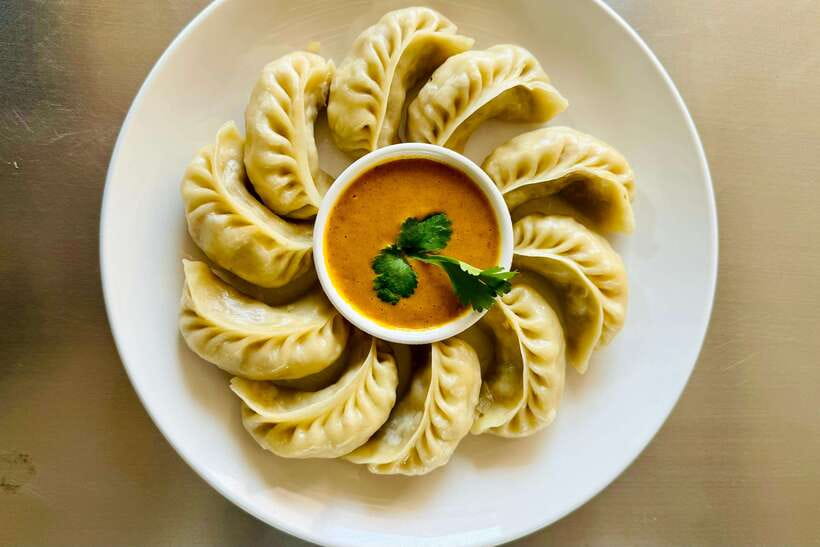
- Market tour for ingredients so your momos taste like the ones you see on the streets
- Small group (up to 10) means you get actual help shaping the pleats
- Regular vs soup momo options so you’re not stuck with one style
- Hands-on step-by-step teaching for dough, filling, shaping, and steaming
- Tasting + Nepali masala tea so you leave with a full payoff, not just “class photos”
Kathmandu Cooking Academy and the 1 PM timing reality
Your class meets at Kathmandu Cooking Academy in Kathmandu. The academy is about a 10–15 minute walk from Thamel, which is convenient, especially if you like wandering on foot. If you’re in a hotel farther out, the activity offers optional pickup within Kathmandu Valley—useful when traffic, heat, or bags get annoying.
The class timing is fixed: it starts at 1 PM and runs around 2 hours. That’s short enough to fit into a travel day, but long enough that you’ll want a calm afternoon after. If your schedule already has a lot packed in, this is the sort of activity that benefits from showing up on time and not sprinting through your day like it’s a marathon.
You can also read our reviews of more tours and experiences in Kathmandu
The market tour: where your momo flavor actually starts
Before you touch dough, you get a guided market/shop tour to pick ingredients. This part matters more than it sounds. Fresh vegetables, the right spices, and the basics of what goes into Nepali momo fillings are where the taste comes from. You’re not just following a recipe—you’re learning why those ingredients work together.
You’ll choose what you want to make, with options including veggie, vegan, or chicken fillings. For the market portion, the experience mentions Veg or Chicken selection, so if you’re aiming for vegan specifically, double-check you’ll be set up with the right filling plan before you head into the cooking section.
Practical tip: if you care about recreating this later, watch how your instructor has you choose and prepare ingredients. Nepalese cooking often has a “feel” to it—chop size, seasoning balance, and how wet/dry the filling should be.
Hands-on cooking: dough, pleats, and steaming (the part you’ll remember)
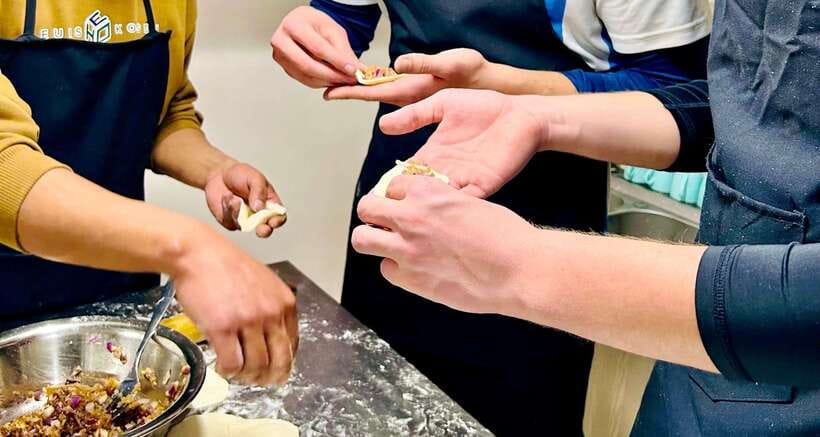
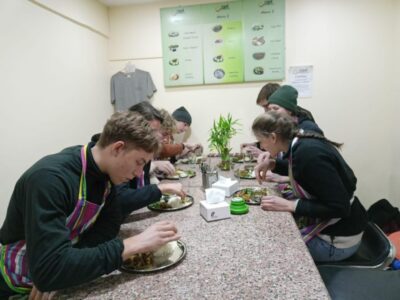
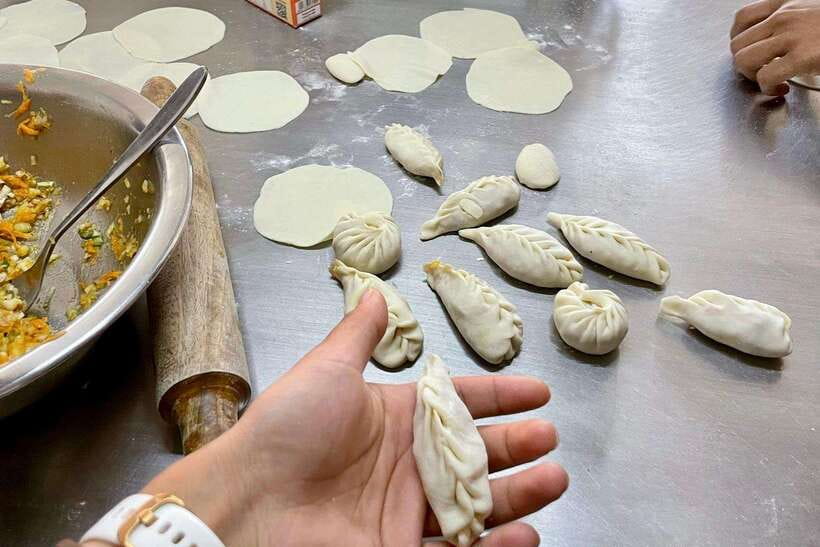
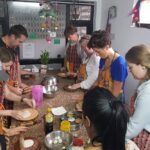
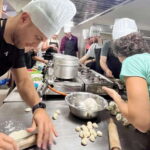
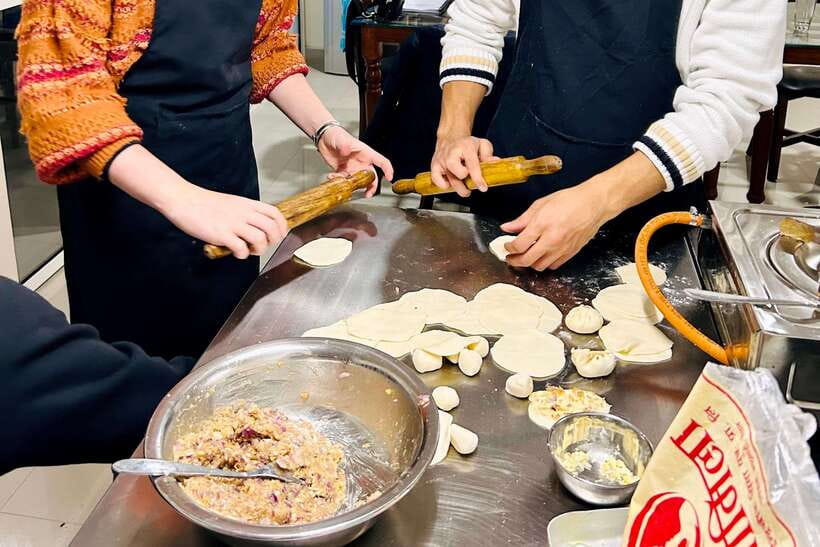
Once you’re in the kitchen, it’s step-by-step and hands-on. You’ll learn how to prepare the dough, make the filling, shape momos, and steam them. This is the core of a good momo class: not just eating, not just seeing, but doing.
The real learning is the shaping. Making momo pleats can feel weird at first—like you’re trying to fold origami with slippery hands. The good news is that with a small group, the chefs can correct what you’re doing while you’re doing it. In past sessions, chefs like Bikram and Birfan have been described as patient, with people eventually getting the hang of the momo shape after a few tries.
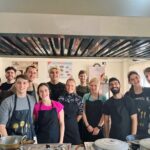
Also expect a “small group, big attention” dynamic. With a maximum group size of 10, you shouldn’t get lost in the back row. If you’re a confident cook, you’ll still appreciate the way the instructor standardizes technique. If you’re brand-new, the step-by-step pacing is the whole point.
Regular momos vs soup momo: choosing your style
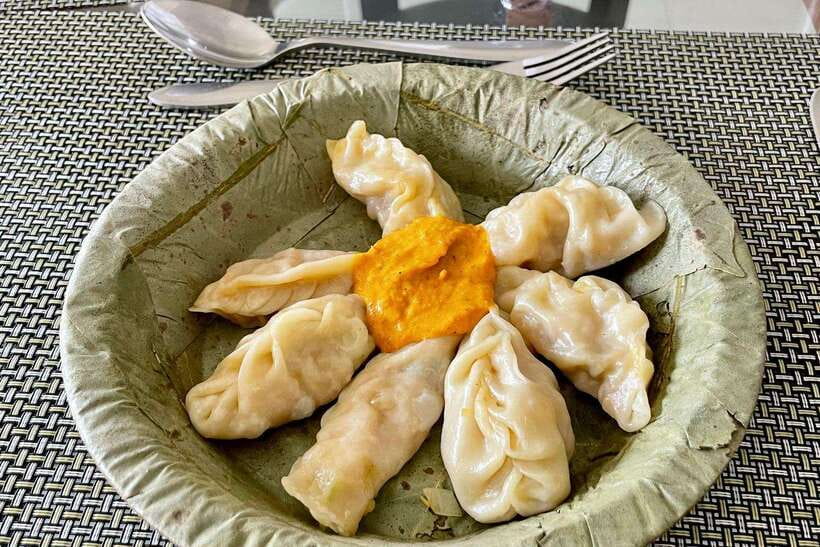
This class gives you options: you can make regular momos or go for soup momo. That choice changes the feel of what you’re learning. Regular momos are about getting dumplings sealed and steamed right. Soup-style versions add a different payoff at the end, since you’re working toward a dish where the momo experience is meant to be enjoyed with soup.
Don’t worry if you’re unsure which to pick. If you like comfort-food vibes and want something that feels extra in a bowl, soup momo is a fun option. If you want the classic handheld dumpling experience, regular momos are the way to go. Either choice still teaches the same fundamental skills: dough work, filling portioning, shaping, and steaming.
Tasting session and Nepali masala tea: how it ends so you actually learn
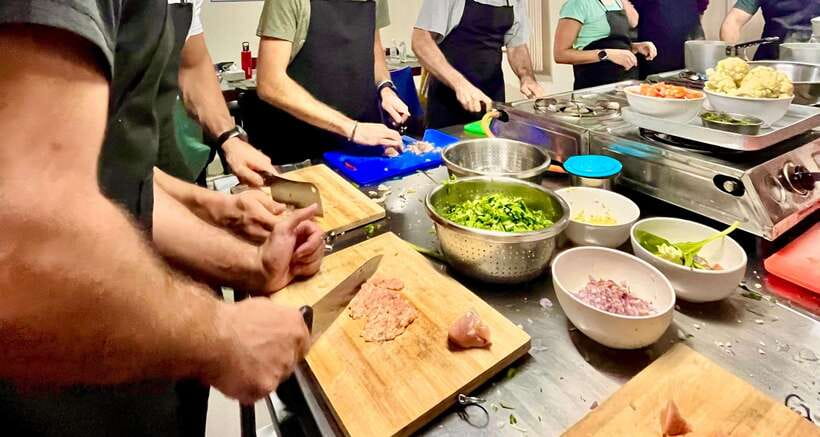
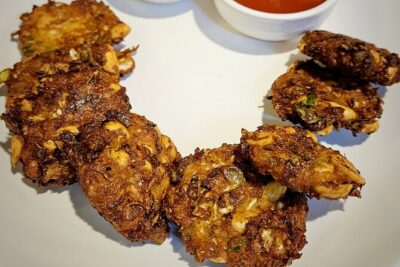
At the end, you eat what you made. You’ll have a tasting session of the freshly prepared momos along with complimentary Nepali masala tea. This is one of those parts that looks “simple” but actually seals the learning loop.
Here’s why it helps you: you can compare what you made to what you were taught. If your dumplings taste a bit different than you expected—too doughy, not enough seasoning, not sealed well—you’ll understand why, because you were standing next to the process the whole time.
If you like using flavors you can buy later, pay attention to how the tea tastes alongside the momos. It’s a small detail, but it’s the kind of pairing you’ll remember when you try recreating this at home.





Price and value: why $4 is a big deal here
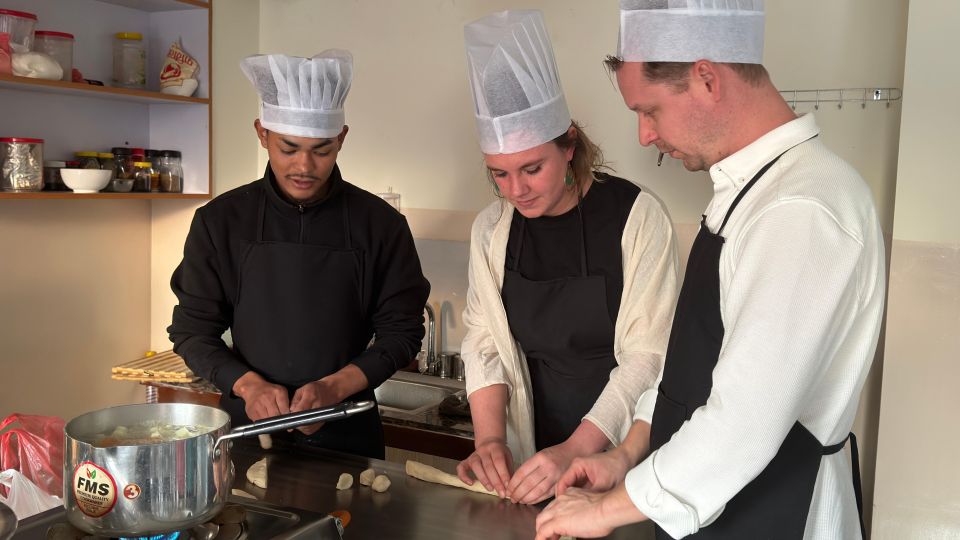
The price is $4.00 per person, which is incredibly low for a hands-on cooking class that includes market time, instruction, equipment, and your meal. Even if you’ve taken cooking classes elsewhere, this is the kind of value that makes you wonder if you accidentally booked the wrong thing—until you realize everything is truly part of the class experience.
What you’re getting:
- a guided market/shop ingredient selection
- hands-on cooking with expert local guidance
- all necessary equipment and accessories
- your momo tasting
- Nepali masala tea
What you’re not getting:
- specialty or alcoholic drinks
Because the class is only about 2 hours, the scope is focused. You’re not trying to learn a huge multi-course menu. You’re learning one skill deeply enough to take home the technique and make momos again later.
Small group dynamics: getting help when your hands need it
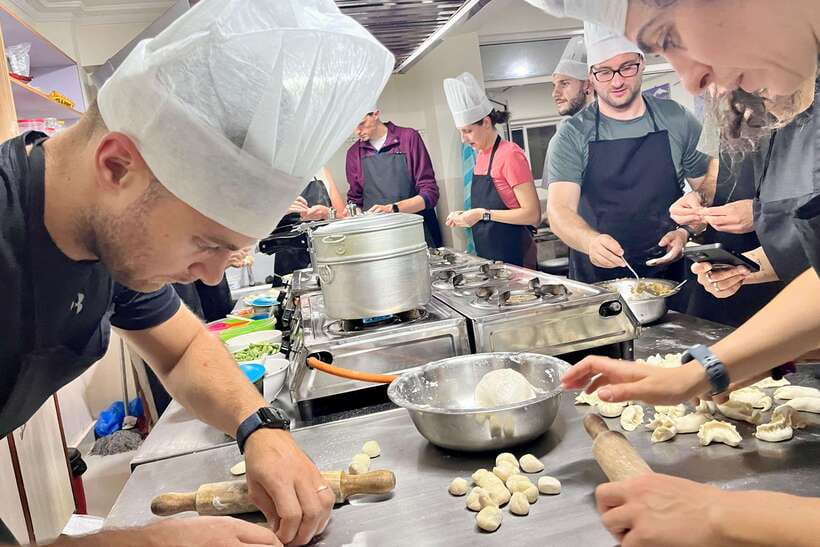
The class is limited to 10 participants. In practice, that’s a sweet spot. You’ll be close enough to see what’s happening on the counter. Your instructor can check your dough consistency and sealing. And when your momo pleats start to look like they were made during a mild earthquake, you can still get corrections before the batch is done.
In some sessions, chefs have been accommodating across wide age ranges. That doesn’t change the rule that the class isn’t suitable for children under 5 and it’s not suitable for people over 95, but it does suggest the teaching style can be adjusted for different learners as long as the group fits the basic age suitability.
What to bring (and what to do so you remember it)
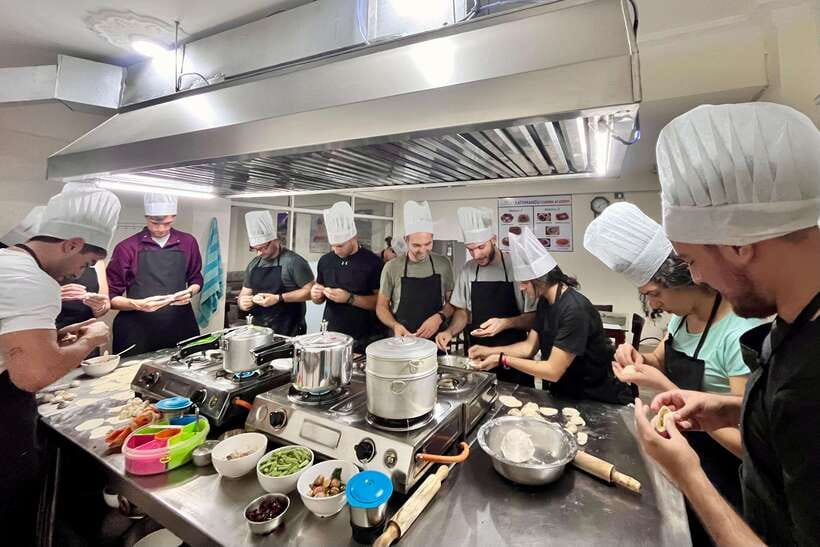
You only need to bring a camera. That’s easy. But if you want the recipe in your head later, I’d add one extra habit: take notes on the shaping steps and what the teacher says while you’re working.
One past participant mentioned a recipe book handout can have minor ingredient-list gaps, so the best “source” is what you actually did in class. Photos help, but your notes on technique are what turn this from a fun afternoon into a skill you can use.
If you have allergies or dietary restrictions, tell the team ahead of time. The experience explicitly asks you to inform them if you have dietary restrictions or allergies, and that’s the difference between a smooth experience and a stressful one.
Accessibility and who should skip this
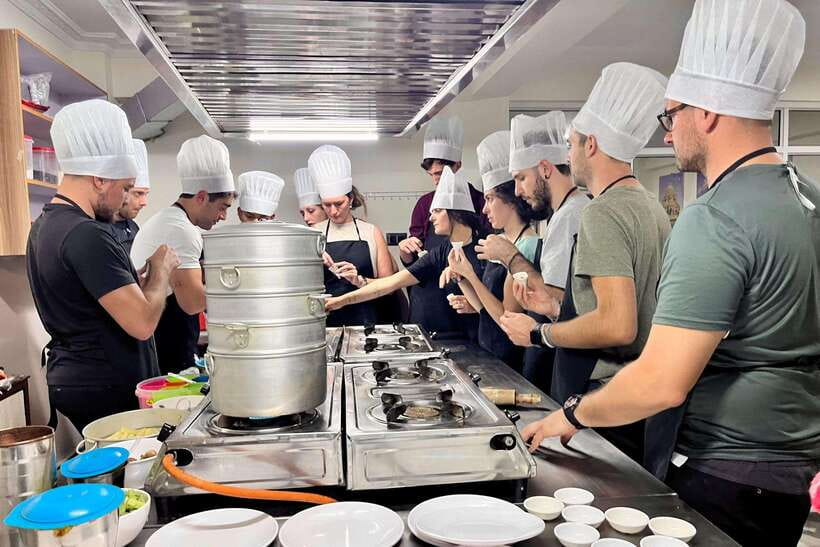
This class is not suitable for children under 5, and it’s not suitable for people over 95. That’s based on how the activity is set up and the pace of hands-on cooking.
If you’re traveling with small kids but they’re above 5, you might find the chefs can keep everyone engaged, since teaching is interactive. Still, this isn’t a kids-only entertainment session. It’s a real cooking class, so you’ll get the best experience if everyone in your group is comfortable participating.
Should you book the Kathmandu: Traditional Momo Making Class & Pickup?
Yes, I’d book it if you want one afternoon in Kathmandu where you learn an actual local skill and then eat your work. The combination of a market ingredient selection, hands-on dough and shaping practice, and a tasting with masala tea is exactly the kind of “do it yourself” value that sticks with you.
Skip it only if you can’t handle a fixed 1 PM start or you’re looking for a long, multi-stop food tour. It’s focused and practical, not a day-long sampler. For $4, though, it’s hard to beat if you want authentic momo technique you can repeat later—preferably after you practice the pleats a few times at home.
FAQ
Where is the meeting point for the momo making class?
The meeting point is at Kathmandu Cooking Academy. It’s within Kathmandu and is described as walkable from Thamel (about 10–15 minutes). Look for the signboard outside a building, and staff will guide you to registration.
Do I get hotel pickup?
Hotel pickup and drop-off within Kathmandu Valley are optional. If you select pickup, you’ll need to provide your hotel details in advance.
What time does the class start?
The class starts at 1 PM.
How long is the class?
The duration is about 2 hours (it may be listed as 1.5 to 2 hours depending on starting time and availability).
Can I make veggie, vegan, or chicken momos?
Yes. The class offers options for veggie, vegan, and chicken fillings. You can choose your filling type when booking.
Do I make soup momo or only regular momos?
You can choose between regular momos and soup momo as part of the class.
Is the class taught in English?
Yes. The instructor is English-speaking.
How big is the group?
The group is small, limited to 10 participants.
What’s included in the price?
Included are the hands-on momo making class with expert local guidance, a guided market tour for ingredients (Veg or Chicken selection), use of cooking equipment, a tasting session, complimentary Nepali masala tea, and optional hotel pickup/drop-off.
What do I need to bring?
Bring a camera. If you have allergies or dietary restrictions, inform the team ahead of time.