REVIEW · KATHMANDU
The best Private Nepali Cooking Class in Kathmandu
Book on Viator →Operated by Kalpana's Cooking Course Training · Bookable on Viator
Cooking in a Nepali home beats eating out. This private class in Kathmandu feels real because you cook where Nepali families live, not in a demo kitchen, and you get to choose ingredients after a market stop. I especially loved the hotel pickup and drop-off and the garden-to-pot way you select vegetables, even when it gets a bit hands-on and labor-intensive. One thing to consider: traditional Nepali cooking takes work, with lots of chopping and spice grinding.
Before you start cooking, the day has a gentle rhythm. You’ll settle in with homemade masala tea or coffee, then learn by doing while Kalpana Thapa and her family guide you step-by-step, including helpful tweaks for your needs. You finish with a PDF recipe set so you can repeat the flavors back home, not just remember them.
In This Review
- Key highlights at a glance
- A half-day in a local kitchen (market, farm, garden)
- What you pay and why it feels fair
- Pickup, tea or coffee, and how the day starts
- Market stop and organic farm time: choosing ingredients like a local
- The real lesson: grinding masala and building flavor
- Cooking your set meal: what you’ll make and how it comes together
- The food is the point, and it’s more than lunch
- Dietary requirements: vegetarian and special needs work
- PDF recipes and how to use what you learned
- Who this private cooking class is best for
- Practical tips before you book
- Should you book Kalpana’s private Nepali cooking class?
- FAQ
- How long is the private Nepali cooking class in Kathmandu?
- Is hotel pickup and drop-off included?
- What food is included?
- What dishes will I learn to cook?
- Do they offer a vegetarian option?
- Can the class handle special dietary requirements?
- Is this a private tour?
- What do I receive at the end?
- FAQ
- What happens if the weather is bad?
- What is the cancellation window for a full refund?
Key highlights at a glance
- Private home setting in Kathmandu suburbs for a calmer, more local feel
- Market + private organic farm ingredient picking before you cook
- Hands-on skills like grinding whole spices and prepping ginger-garlic masala
- Set menu you cook and then eat, with lunch fully included
- Dietary adjustments available if you tell them your requirements up front
A half-day in a local kitchen (market, farm, garden)
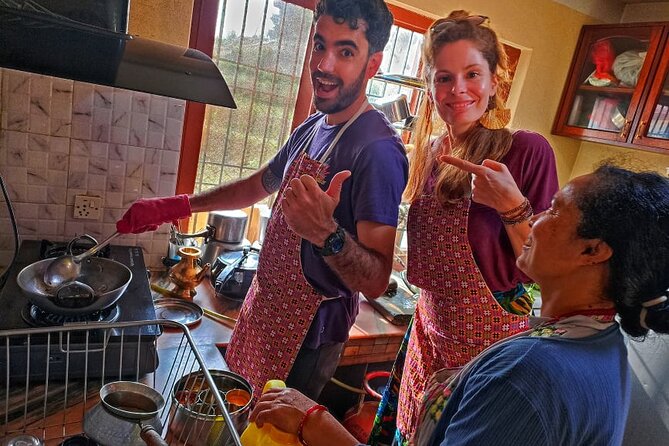
This experience is built around one simple idea: Nepali food makes more sense when you understand ingredients first. In Kathmandu, it’s easy to eat well and still miss how dishes come together at home. Here, you start earlier than most cooking tours, with stops to pick real produce and other ingredients, then you move into a family kitchen to cook like you’re the extra pair of hands.
The home base matters. The class is hosted in Kalpana Thapa’s family space, described as warm and cozy, with a peaceful garden setting. In practice, that means you’re not squeezed into a classroom. You’re working at a real kitchen pace, and you can ask questions as you go.
You can also read our reviews of more private tours in Kathmandu
What you pay and why it feels fair
The price is $24 per person for about 4 hours 30 minutes, and you get more than just instruction. Hotel pickup and drop-off are included, you’re transported by a private vehicle, and all food is included (morning tea or coffee plus lunch).
At first glance, cooking classes can look expensive or underwhelming depending on what’s included. Here, the value comes from two things you actually feel during the day:
- You cook a full meal, not a few bites.
- You get time with a family, including ingredient selection and meal prep.
If you’re the type who hates “we’ll taste it and leave” tours, you’ll like the pace. The hands-on work and the full lunch make it feel like a real exchange, not a show.
Pickup, tea or coffee, and how the day starts
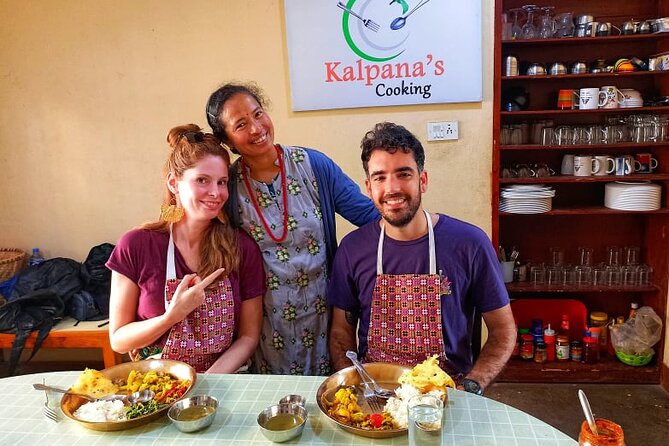
Your day begins with hotel pickup and drop-off, which is a big deal in Kathmandu. Traffic and navigation can be unpredictable, so having someone handle the transfer keeps the class from turning into a half-day struggle.
Once you arrive, you’re welcomed into the home space and offered homemade masala tea or coffee. This matters more than it sounds. It sets the tone that you’re not just attending a class. You’re joining a household routine for a few hours.
You’ll typically start with prep and planning, then move into ingredient handling. Even if you’ve never cooked Nepali food before, you’ll get guidance on technique and timing, and the family does a lot to keep it comfortable and fun.
Market stop and organic farm time: choosing ingredients like a local
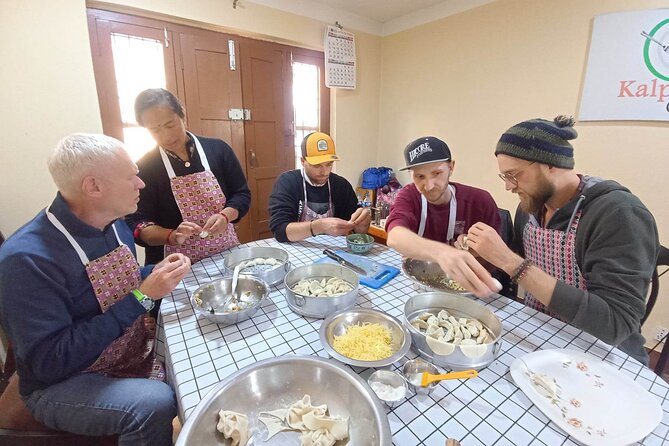
A key part of the experience is ingredient selection. You’ll visit a local market and a private organic farm to pick what you’ll cook. This is not just a photo stop. It’s part of how the dishes stay grounded in what’s in season.
In a practical sense, this changes what you learn:
- You see what cooks choose first when they build flavor.
- You learn why certain vegetables and spices show up together.
- You connect the final dish to real sourcing, not generic supermarket substitutions.
The garden also plays a role. You may have a chance to choose crisp, seasonal vegetables straight from the garden area before cooking. The result is that when you sit down to eat, it feels like you made your way from plant to plate.
The real lesson: grinding masala and building flavor
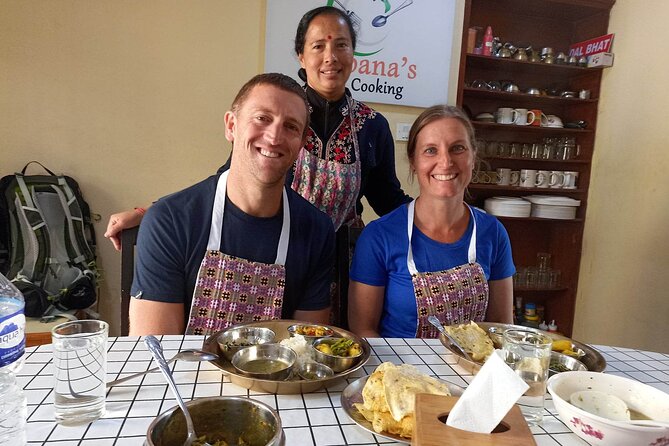
Most people remember the food. The best part of this class is what happens before the first bite: making the base flavors that Nepali cooking depends on.
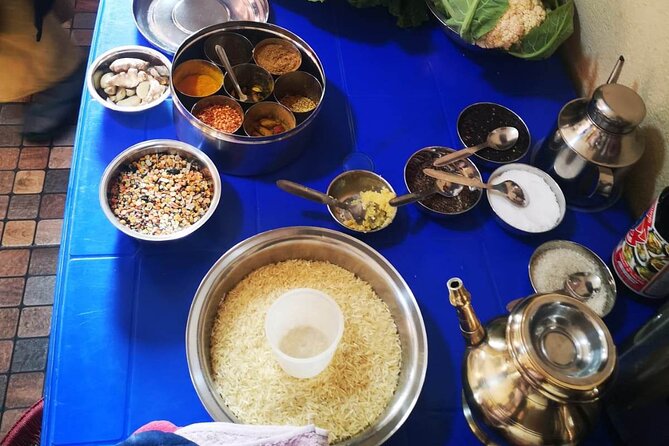
You’ll learn hands-on how to prepare masala using traditional methods like grinding whole spices and pounding fresh ginger and garlic. This is where the class becomes more than “follow the steps.” You start understanding how flavor layers are built, and why certain textures and aromas matter.
Expect the work to be interactive. You chop, prep, and cook with the guidance of Kalpana Thapa and family members. A recurring theme from past participants is that they liked not being treated like passive learners. You’re doing the tasks, and you can ask questions as you go.
One practical consideration: it can be labor-intensive. Grinding, chopping, and prep take time and effort, and that’s normal for the style of cooking you’re learning. If you love getting your hands involved, it’s a win. If you’re expecting a light demo, you’ll find it more active than that.
You can also read our reviews of more cooking classes in Kathmandu
Cooking your set meal: what you’ll make and how it comes together
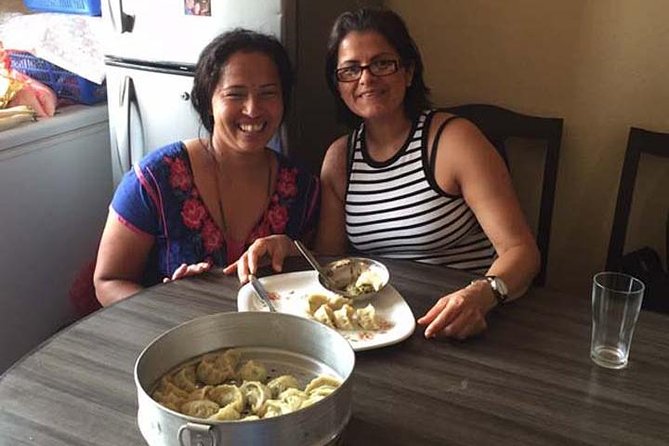
The class centers on a set meal, and the cooking steps are structured so you’re not just making one dish. You’ll learn to make items that make a proper Nepali lunch, including:
- Plain rice
- Dal soup
- Seasonal vegetable dishes
- Spinach
- Chicken
- Pickle papad fry
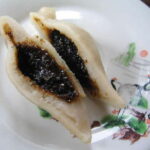
Depending on the class flow, Nepali classics like dal bhat and momos may also feature. Many people leave talking specifically about learning dal bhat and momos, and some mention making more than one style of dumpling. If momos are a priority for you, this is a good bet.
Here’s what you should expect while cooking:
- You’ll start with basics like rice and lentils.
- Then you move into vegetables and greens.
- Spice work continues as flavors develop.
- You finish with sides and fried elements like pickle papad.
Even if you’re a confident home cook, plan for learning more than recipes. You’ll learn technique choices, like how spice prep changes the end flavor, and how Nepali home cooking balances lentils, vegetables, and meat.
The food is the point, and it’s more than lunch
This is one of those experiences where the meal is not an afterthought. Lunch is included, and you’ll be fed throughout the class, not just at the end.
That’s important for your planning. If you go in starving, you’ll get a solid meal and then some. If you’ve eaten a big breakfast beforehand, you might feel overly full. A helpful tip from the experience itself: don’t treat this like a light lunch stop. It’s a full cooking-and-eating session.
By the time you sit down, the dishes you made are meant to be eaten as a group meal: rice and dal, vegetable sides, chicken, and something crispy or fried like pickle papad. The point is to taste the whole table, not a few samples.
Dietary requirements: vegetarian and special needs work
This class can cater to special dietary requirements, and you should share details during booking. A vegetarian option is available if you advise them in advance.
What I like about this setup is that it’s not framed as a last-minute workaround. People report that menu adjustments happen when dietary preferences are shared ahead of time. In practical terms, that means your day is less likely to feel like you’re watching others cook while you eat something separate.
If you have allergies or a strict diet, send your details clearly before the day. That’s the best way to get a smoother experience.
PDF recipes and how to use what you learned
One of the best takeaways is the PDF recipe set you receive after the class. It’s not just a souvenir. It gives you a path to repeat the dishes at home instead of relying on memory.
When you’re cooking something new, written steps help, especially for spice ratios and process notes. The PDF also makes it easier to compare what you’re doing at home with what you did in the family kitchen.
A small but important benefit: you’ll likely remember techniques better than exact flavors. The recipes bridge that gap, so your next attempt is closer to what you ate in Kathmandu.
Who this private cooking class is best for
I think this fits best if you like any of these:
- You want a home-based experience rather than a staged restaurant class.
- You enjoy learning technique, not just tasting.
- You want to go beyond temples and markets into everyday life.
- You’re traveling with a partner, friends, or family and want your own group session.
It’s also a good first cultural activity on a trip to Kathmandu because it helps you connect food with local routines. And because pickup is included, it’s less stressful to fit into your schedule.
If you dislike hands-on work or you need a very low-effort activity, this may feel like too much. Cooking here is real cooking, and you’ll work.
Practical tips before you book
A few things to think about so your day runs smoothly:
- Plan to be active. This is a cooking session, not a spectator show.
- Eat lightly beforehand if you usually do big breakfasts. You will be well fed during the experience.
- Tell them about dietary needs at booking so they can adjust the menu.
- If you want a calm day away from traffic intensity, this class includes a drive out from the city feel toward a more relaxed setting.
Also, the experience uses a mobile ticket, and you’ll receive confirmation at booking. That’s handy if you like having everything ready before you arrive.
Should you book Kalpana’s private Nepali cooking class?
If you want an authentic cooking day in Kathmandu with hotel transfers, a real family setting, and a meal you cook and eat, I’d book this. The best part is that you’re not just tasting Nepali food. You’re learning how it’s built: from ingredients picked at the market and organic farm to spice prep and full-course cooking.
I’d skip it only if you’re hoping for a gentle, purely observational activity. Because it’s hands-on, the work is part of the lesson. If that sounds like your kind of fun, this is one of the smartest value plays in Kathmandu for learning Nepali cooking in a way you can actually repeat.
FAQ
How long is the private Nepali cooking class in Kathmandu?
The class runs about 4 hours 30 minutes.
Is hotel pickup and drop-off included?
Yes. Hotel pickup and drop-off are included, along with transportation by a private vehicle.
What food is included?
All food is included, including morning tea or coffee and lunch.
What dishes will I learn to cook?
You’ll learn to make: plain rice, dal soup, seasonal vegetable, spinach, chicken, and pickle papad fry. The class also focuses on popular Nepali dishes such as dal bhat and momo.
Do they offer a vegetarian option?
Yes. A vegetarian option is available if you advise them at booking.
Can the class handle special dietary requirements?
Yes. The class can cater to special dietary requirements if you share them when booking.
Is this a private tour?
Yes. It’s a private tour/activity, and only your group participates.
What do I receive at the end?
You’ll depart with PDF recipes to help you recreate what you cooked at home.
FAQ
What happens if the weather is bad?
This experience requires good weather. If it’s canceled due to poor weather, you’ll be offered a different date or a full refund.
What is the cancellation window for a full refund?
You can cancel up to 24 hours in advance for a full refund. If you cancel less than 24 hours before the experience starts, the amount paid is not refunded.