REVIEW · KATHMANDU
Kathmandu Durbar Square – Private/Small Group
Book on Viator →Operated by Amazing Kathmandu Tours · Bookable on Viator
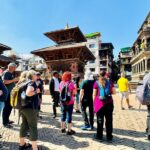
Kathmandu Durbar Square has a way of sticking in your mind. This small-group tour (max 5 people) connects the UNESCO heart of Kathmandu with everyday beliefs and Newar culture, from the Toothache Tree to the living Kumari tradition. I like the small group size and how the guide shapes the walk with street-level context, plus the strong organization (clear meeting-up help and punctual guides like Santosh and Sandip). One thing to plan for: entry items and some temple-related costs aren’t included, so you may need extra cash for tickets at the stops.
I also like that the route starts in Thamel and stays human-paced, with multiple short stops instead of one long slog. You’ll get a good sense of why Kathmandu’s sacred sites are not just monuments, but part of how people here live and explain the world.
If you hate walking through crowded streets or you’re hoping for a guaranteed, dramatic Kumari sighting, keep your expectations flexible. Kumari can be a hit-or-miss moment depending on timing, but the guide’s explanation and patience help make it worthwhile either way.
In This Review
- Why Kathmandu Durbar Square Feels Like the City’s Real Core
- Price and What You Really Get for $15 (Plus Fees)
- Meet Your Guide in Thamel: Where the Tour Starts
- The 3-Hour Walking Plan: What Happens at Each Stop
- Stop 1: Wasya Dyaa (Toothache Tree) and Local Belief in Action
- Stop 2: Seto Machhindranath Temple and a Shared Religious Story
- Stop 3: Kathmandu Durbar Square and the Kumari Window Moment
- Stop 4: Hanuman Dhoka and the Power of Palace Walls
- What Makes This Tour Feel Better Than a Self-Guided Walk
- Best Times to Go and How to Keep Your Expectations Smart
- Who This Tour Fits (and Who Might Want Something Else)
- Practical Tips Before You Go
- Should You Book Kathmandu Durbar Square (Private/Small Group)?
- FAQ
- How long is the Kathmandu Durbar Square private/small group tour?
- What is the group size limit?
- Where does the tour start, and where does it end?
- Is a guide included?
- Are admission tickets included for the temple stops?
- What is the total price when fees and taxes are added?
- Can I cancel, and how much notice is needed?
- Is the tour suitable for most people?
Why Kathmandu Durbar Square Feels Like the City’s Real Core
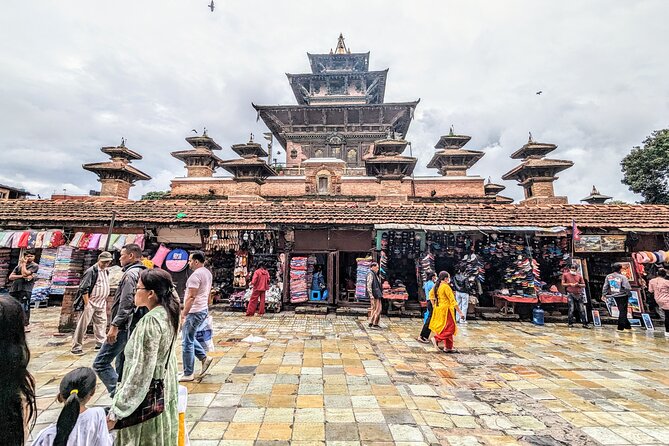
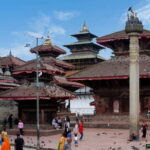
This tour hits Kathmandu where the stories get told out loud. Kathmandu Durbar Square is UNESCO-listed, but the bigger point is what it represents: a place where religion, art, and community identity overlap in tight spaces. You’re not touring from a brochure; you’re moving with a guide who can point out what to watch for and what it means to local people.
The small-group setup matters more than you’d think. With up to 5 people, you can ask questions without shouting, and you can slow down when a doorway, carving, or ritual detail catches your eye. That’s the difference between seeing a square and understanding why people still treat it like a living space.
Price and What You Really Get for $15 (Plus Fees)
The listed price is $15.00 per person for the tour itself, and there’s an additional $9.00 per person for all fees and taxes. That puts the realistic base cost around $24 per person, before any separate admission fees at specific stops (those are marked as not included).
Is it good value? For Kathmandu, yes—mainly because you’re not just buying entry to one site. You’re paying for a professional guide who walks you through several culturally important locations over about 3 hours, starting from Thamel. That time window is also helpful on a first trip: you get a compact orientation to the city’s sacred geography without spending half a day on logistics.
The one cost consideration is the “not included” part. Admission ticket needs can apply at certain stops, so bring a little extra and don’t assume everything is bundled.
You can also read our reviews of more private tours in Kathmandu
Meet Your Guide in Thamel: Where the Tour Starts
The tour meets at Pumpernickel Bakery, Paryatan Marg, Kathmandu (44600). It runs from there and ends back at the same meeting point, so you’re not dealing with a complicated drop-off.
In the reviews, I liked the emphasis on how guides handle the meet-up. Clear messaging and proactive help came up again and again, including mention of WhatsApp updates and even a picture so you can find the guide. That’s a real comfort when you’re navigating Thamel’s maze of streets for the first time.
Also worth noting: the tour is described as near public transportation, and it says most travelers can participate. So if you’re not planning to trek or do anything extreme, this should fit well into a normal travel day.
The 3-Hour Walking Plan: What Happens at Each Stop
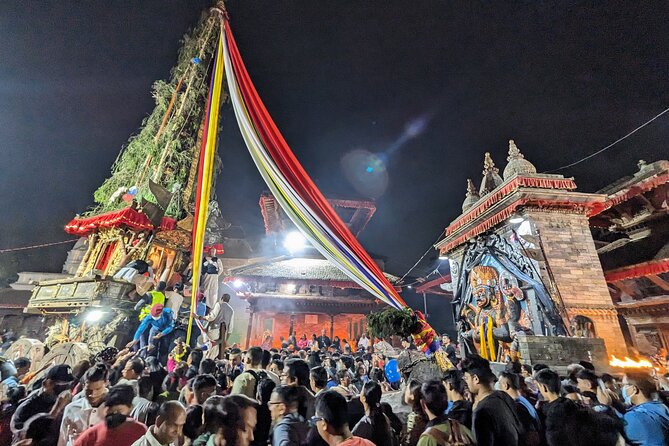
This isn’t a “march fast, take photos, move on” tour. It’s a series of short, focused segments (about 45 minutes each) where the guide gives context so you know what you’re looking at.
Stop 1: Wasya Dyaa (Toothache Tree) and Local Belief in Action
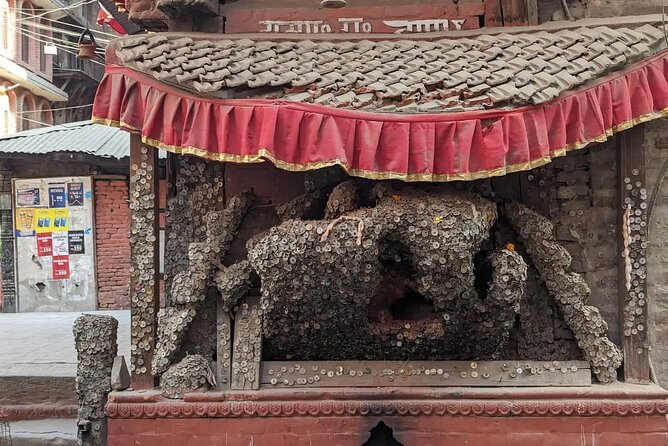
You start with Wasya Dyaa, also called the Toothache Tree. This is a wooden idol located near Thahiti Tole, tied to a very specific local belief: it’s thought to help with toothaches. The tradition involves hammering a coin into the tree’s wood as a kind of symbolic remedy.
Why this stop works: it’s a reminder that Kathmandu’s spiritual life isn’t always grand temples and huge ceremonies. Sometimes it’s a small, community-level practice that people carry in their daily thoughts—until something hurts, then the belief becomes personal.
Possible drawback: the stop’s listed time is short, and this one may feel quirky if you only expect classic “temple tourism.” But that’s also why it’s memorable. You’re getting a slice of how locals explain health, luck, and relief through ritual.
Stop 2: Seto Machhindranath Temple and a Shared Religious Story
Next up is Seto Machhindranath Temple, located southwest of Asan Tole at the junction of Kel Tole. The key idea here is shared devotion. Buddhists connect him with Avalokiteshvara, while Hindus worship him as a rain-bringer incarnation.
The takeaway for you: this stop shows how Kathmandu’s religious world overlaps rather than separates. Even if you’re not religious, you’ll notice how people interact with the place—through gestures, offerings, and the attention they give to the deity.
What to watch for: listen to the guide’s explanation of why this figure matters, because “rain-bringer” isn’t just a random detail. Kathmandu’s weather and daily life have always mattered, so deities tied to rain become part of practical hope as well as spiritual meaning.
Cost note: admission tickets for this stop are listed as not included, so budget for a small extra if there’s an entry fee on the day.


Stop 3: Kathmandu Durbar Square and the Kumari Window Moment
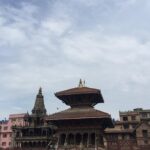
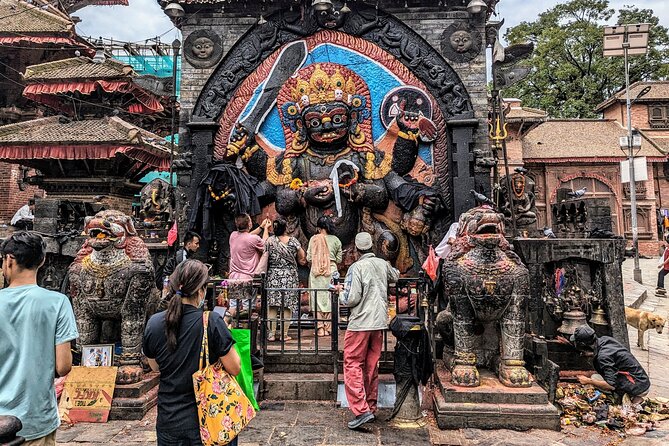
Then you reach Kathmandu Durbar Square, where the tradition of the Kumari (Living Goddess) is central. The Kumari lives in the Kumari Ghar (Kumari Temple) at the Durbar Square complex. The most famous part is her appearance from a sacred window, and the tour includes time for you to receive blessings from her.
Here’s the practical reality: a glimpse of Kumari isn’t something you can force. One review notes a patient wait for a glimpse that didn’t work out that time, and the guide still stayed engaged and explained the situation. That’s useful if you’re the type who gets stressed about missing “the big moment.”
So what should you do? Treat this as a process, not a guaranteed performance. The guide’s storytelling helps you understand why people wait, what they believe, and why the window appearance matters so much to local identity.
Stop 4: Hanuman Dhoka and the Power of Palace Walls
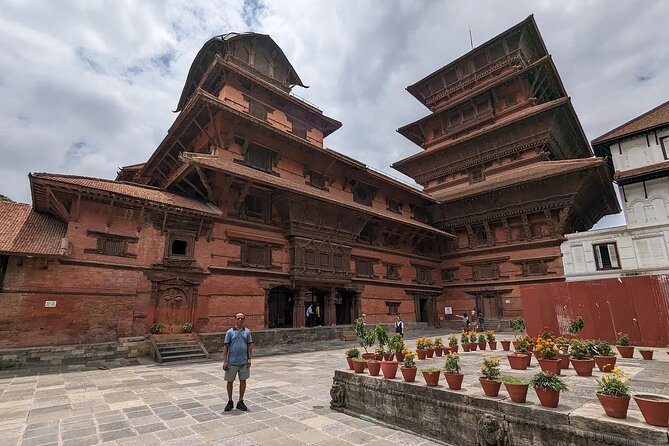
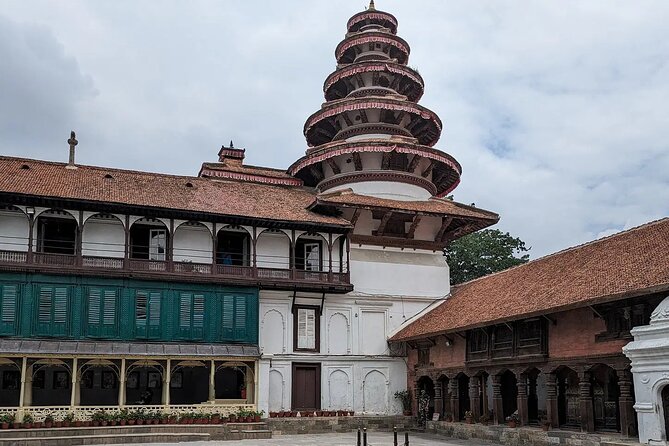
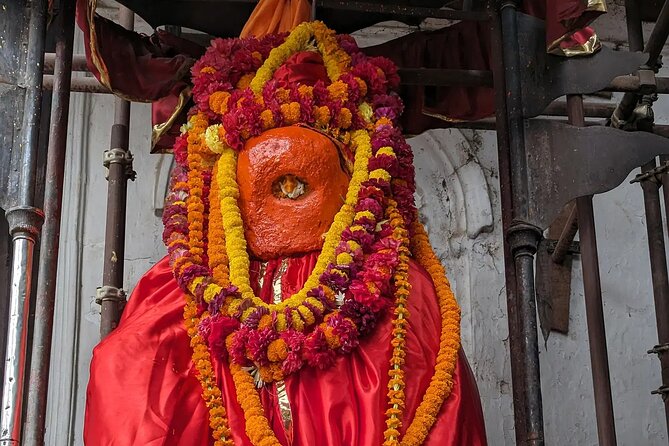
The final stop is Hanuman Dhoka, a palace complex within Kathmandu Durbar Square. It served as the royal seat of the Malla kings and later the Shah dynasty. The name comes from a Hanuman statue nearby, linking legend and royal architecture.
What makes this stop valuable is the bridge between politics and spirituality. Palace squares weren’t just where rulers lived; they were where authority, ritual, and public space mixed. As you walk, you’ll get a clearer sense of how the city’s center worked as a stage for power, festivals, and worship.
Possible consideration: like many historic centers, the area can be busy and traffic of people can make it harder to see details up close. The guide’s job is to point out what matters when you can’t stop and stare for long.
What Makes This Tour Feel Better Than a Self-Guided Walk
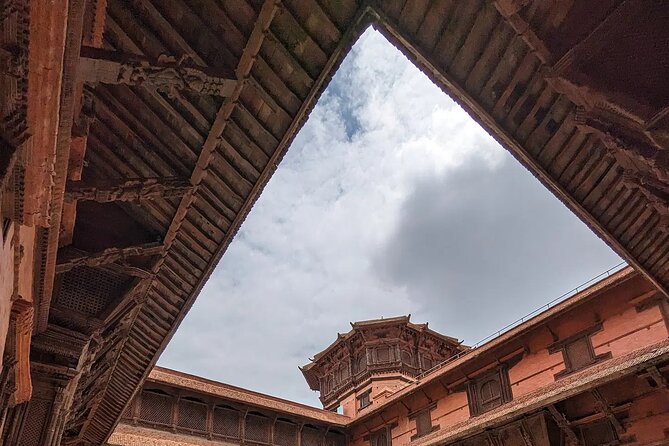
You can absolutely wander Durbar Square on your own. But what you gain with a guide is interpretation—how to “read” the carvings, the layout, and the meaning behind small rituals.
In the reviews, guides like Santosh and Sandip stood out for religion and local customs explanations, and for telling stories that make a street corner feel purposeful instead of random. I also saw repeated praise for patience and for showing areas you might not find without someone steering you.
That last part is huge. Kathmandu’s older lanes have layers: alleyways, doorways, and little side spots where faith and art show up. In a crowd, it’s easy to miss them. A small-group guide helps you slow down just enough to notice.
Best Times to Go and How to Keep Your Expectations Smart
You’ll be walking for about 3 hours, and the stops are split into manageable chunks. Still, Kathmandu streets can feel long when the sun hits. If you’re sensitive to heat, I’d pick a time earlier in the day when possible.
Also, keep your expectations realistic around Kumari. The tour includes blessings and viewing time, but the window moment can be uncertain. If you go in expecting learning and context (not a perfect “moment captured” guarantee), you’ll get more out of the experience.
And bring patience for crowds. Durbar Square is a working religious and cultural space, not a museum set to quiet hours.
Who This Tour Fits (and Who Might Want Something Else)
This is a great match if:
- you’re in Kathmandu for the first time and want a focused orientation
- you like city walking tours that mix spirituality, art, and local belief
- you want a max 5 person group where questions are actually welcomed
It may not be ideal if:
- you want long stays at just one site (this route is intentionally multi-stop)
- you dislike uncertain “ritual timing” moments like the Kumari window appearance
- you want everything cost-included for all entrances (some admission tickets aren’t included)
Practical Tips Before You Go
A few simple things can make this smoother:
- Carry some cash for possible admission fees at the stops where tickets aren’t included.
- Wear comfortable shoes. You’ll be on foot, moving between sites in a historic core.
- If you’re navigating with WhatsApp or messaging, you’ll likely appreciate the tour’s organization style. Reviews mention proactive guidance like photos to help you find the meeting point.
Also, don’t just photograph. Use the stops to ask small questions. A good guide will help you notice what you’d otherwise walk right past.
Should You Book Kathmandu Durbar Square (Private/Small Group)?
If you want Kathmandu’s center with context, this is an easy yes. The combination of small group size, a professional guide, and multiple stops tied to real religious and cultural practices makes it more than a “see Durbar Square” checkbox.
Book it if you like walking with explanations and you value the Kumari tradition and the palace-square story. Skip it only if your top priority is a guaranteed Kumari viewing moment or you strongly prefer tours where every single entry fee is fully included up front.
Bottom line: this tour is good value for the time you spend, and it’s the kind of experience that helps Kathmandu feel personal instead of just impressive on the map.
FAQ
How long is the Kathmandu Durbar Square private/small group tour?
It runs for about 3 hours.
What is the group size limit?
The tour is a small group with a maximum of 5 travelers.
Where does the tour start, and where does it end?
It starts at Pumpernickel Bakery on Paryatan Marg, Kathmandu 44600, Nepal, and it ends back at the meeting point.
Is a guide included?
Yes. A professional guide is included.
Are admission tickets included for the temple stops?
No. Admission ticket(s) for the stops are listed as not included.
What is the total price when fees and taxes are added?
The tour is listed at $15.00 per person, with an additional $9.00 per person for all fees and taxes.
Can I cancel, and how much notice is needed?
Free cancellation is available if you cancel up to 24 hours in advance for a full refund.
Is the tour suitable for most people?
The tour notes that most travelers can participate.