REVIEW · KATHMANDU
Knife (Khukuri) Making Workshop- Forge of the Gurkhas
Book on Viator →Operated by I. Experience Nepal · Bookable on Viator
A khukuri starts as scrap iron. In the Forge of the Gurkhas workshop in Kathmandu, you turn that metal into a sharp, traditional Nepal knife and you get the real human story behind the craft. You’ll spend about 4 hours with a blacksmith’s family team, guided through steps you can actually do yourself.
I especially like two things: first, the hands-on feel—you hammer the iron and shape parts of the blade in a working forge setting. Second, the finished knife isn’t a souvenir copy; it’s made for you, and it shows in the sharp edge and quality people notice right away. When the group stays small (max 5), it also means you get more time to ask questions.
One drawback to plan for: safety controls the process. The workshop description says the host will do the blade grinding (sparks, risk), so you’ll do key steps, but not every step yourself—and if you wanted to fully run the forge controls, that may feel a bit limited. Also, while most knives come out well, one review noted a cracking issue during crafting, which the team handled by offering a new knife.
In This Review
- Key highlights worth your time
- Why the Khukuri workshop feels different than a shop visit
- Your 6-inch khukuri knife: what you’re actually making
- Getting to Indra’s forge: Kathmandu pickup and a more rural feel
- Hammering and shaping: what you do yourself
- The forge rhythm: how the blade becomes a real tool
- Handle, meaning, and the finishing experience you can feel
- Time, group size, and who this fits best
- Price and value: why $68 works (and when it might not)
- Safety and quality realities to know before you go
- Should you book Forge of the Gurkhas in Kathmandu?
- FAQ
- FAQ
- How long is the Knife (Khukuri) Making Workshop in Kathmandu?
- What size khukuri knife is included in the $68 price?
- Is pickup included?
- How many people are in the group?
- What parts of the knife-making can I do myself?
- Will I grind the blade with sparks?
- Can I make a larger khukuri than the included one?
- What if there’s a problem with the knife during crafting?
- Is there free cancellation?
Key highlights worth your time
- Small group setup (max 5), so the experience doesn’t feel like a rushed factory tour.
- You make a 6-inch khukuri blade as the main included souvenir.
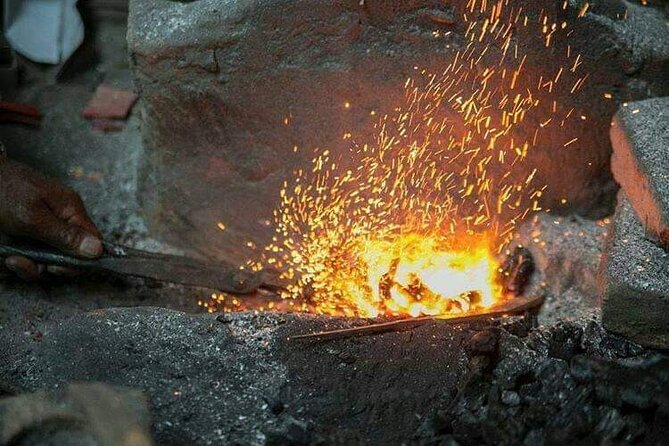
- Indra and his family team teach the process in a real forge, not a staged showroom.
- You do hammering and later finishing while the host manages the sparkier grinding work.
- You’ll learn the khukuri’s cultural role for Gurkhas and Nepal hill tribes.
- Transportation is part of the deal, with pickup offered for many stays around Kathmandu.
Why the Khukuri workshop feels different than a shop visit
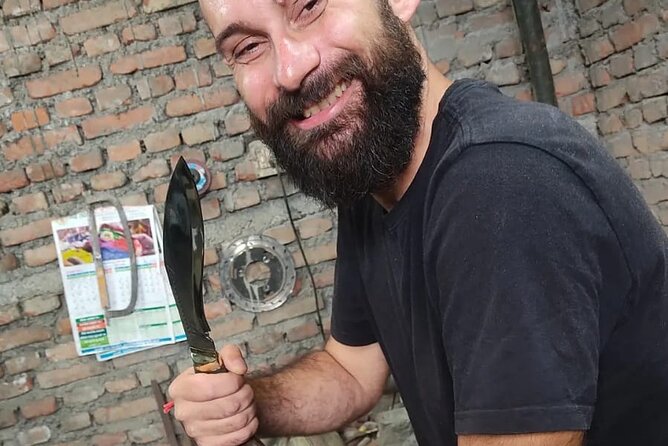
If you’ve ever bought a khukuri from a tourist street stall, you know how the memories can be stronger than the craftsmanship. This workshop aims to flip that. You get to see the knife go from rough metal into a tool with shape, balance, and a purpose in Nepal culture.
The khukuri isn’t just a knife shape—it’s a symbol. It’s tied to the Gurkha warrior tradition and to Nepal’s hill tribes, and it’s built for real-world use, like chopping food and working wood. That context helps the making process make sense instead of feeling like a craft demo with no reason.
You can also read our reviews of more tours and experiences in Kathmandu
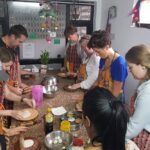


Your 6-inch khukuri knife: what you’re actually making
For this workshop, you create a small (about 6 inch) khukuri blade. You’re not just painting a handle and walking away. The process described is direct: cutting/hammering raw iron into the blade shape, grinding, and then making the handle (with the blade grinding handled by the host for safety).
It also helps to know what makes a khukuri a khukuri. The blade is traditionally tempered steel, slightly curved, and built to hold an edge. The handle is typically wood or buffalo horn, and there’s often a nick near the handle that helps prevent blood from reaching the handle—symbolically linked to the Hindu Trinity of Brahma, Vishnu, and Shiva. The blade then sits in a scabbard of wood and leather.
Even if you’re not a tool person, your brain starts connecting details fast: curvature isn’t just style, the handle isn’t just decoration, and the sharpening isn’t just “look at this shiny thing.”
Getting to Indra’s forge: Kathmandu pickup and a more rural feel
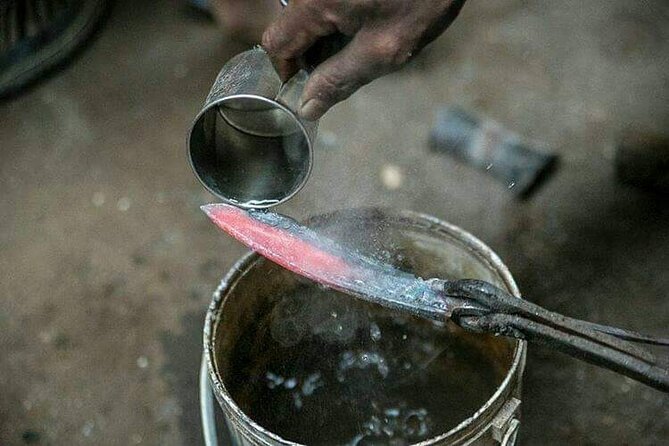
This is one of those Kathmandu activities where the journey matters. Pickup is offered, and in practice that often means meeting your guide at your hotel (some reviews specifically mention Thamel), then heading out by cab or other local transport toward the hills.
The workshop itself can feel a bit rustic and away from the most tourist-heavy areas. Several experiences describe a more remote setting—still friendly, but not polished like a museum. You’re not stuck inside a classroom; you’re in a working craft home where the blacksmith’s family is part of the day.
A real plus: the guides often don’t just translate. Names you may meet include Swoyam (English support and on-the-ground guidance) and Namrata (coordinating and translating in some experiences). If you’re the type who likes to ask follow-ups—how steel is handled, why certain steps happen when they do—this setup gives you room for conversation.
Hammering and shaping: what you do yourself
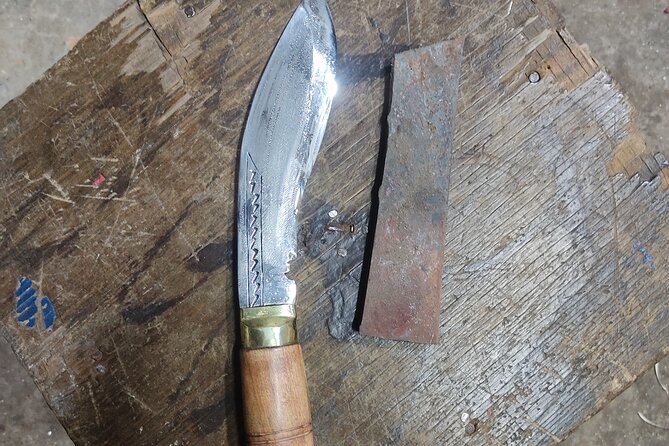
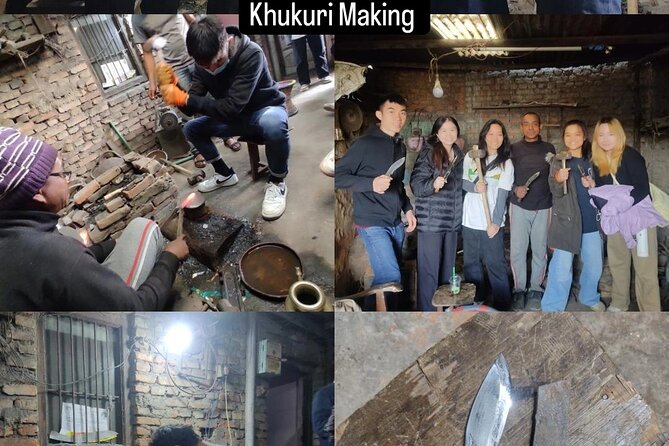
Here’s the core of the “do it, don’t just watch it” value. The steps you’ll participate in (based on the workshop description) include:
- Hammering the iron
- The first grinding (done as part of your guided participation)
- Buffing and polishing the knife at the end
That last part matters more than people expect. Polishing isn’t just for looks—it’s when you see the shape cleanly, feel the finish, and understand whether the work turned out right. When people leave with a blade that looks sharp and feels sharp, it’s usually because the finishing steps were treated seriously.
One thing to set expectations: the host handles the blade grinding that creates sparks, and you’re advised to stay clear during that phase. It’s normal in a forge. It’s also why you shouldn’t expect to control everything yourself with both hands and full attention—this is a guided, safety-first workshop.
The forge rhythm: how the blade becomes a real tool
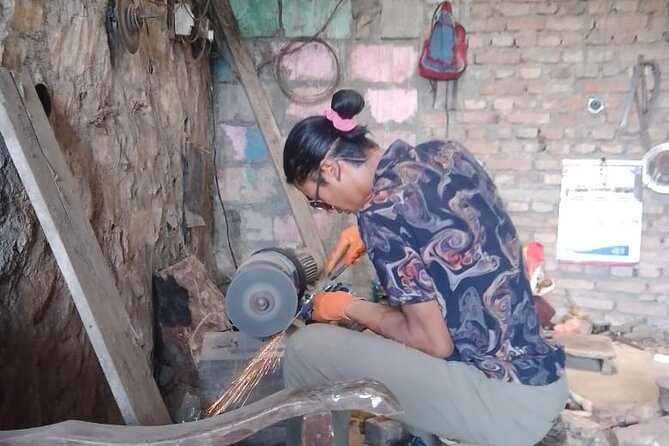
Think of the day like a chain of cause-and-effect. You start with a raw piece of iron, and each step locks in the next step’s possibilities.
First comes shaping: hammering moves you from a raw chunk toward a blade silhouette. Then comes the grinding stage, which is where the blade’s geometry really begins to show. Even when you’re not doing every grinding motion yourself, you’ll learn what’s being corrected—thickness, curves, and edge formation.
Then comes the “make it yours” phase: polishing and finishing. Multiple experiences highlight how the finished khukuri ends up shiny and very sharp. One review specifically called out a primitive forge feel and discussed the coal/forge environment, which helps you appreciate the craftsmanship as more than just a modern workshop workflow.
A nice cultural layer: your guide can explain not only how it’s made, but what a khukuri is in Nepal—symbol, tool, and identity. That context makes the final object more meaningful than a generic souvenir.




Handle, meaning, and the finishing experience you can feel
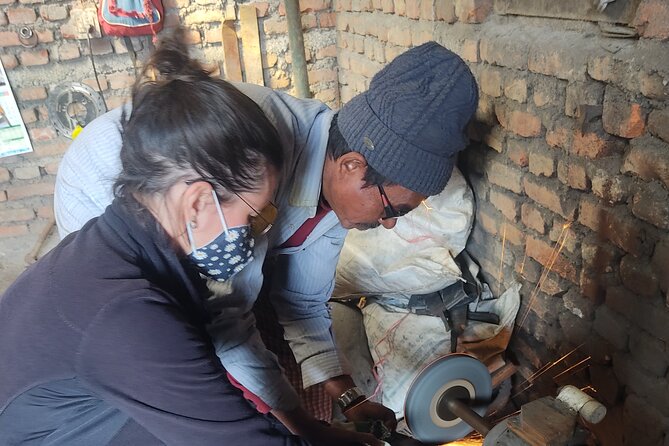
You’re making a complete 6-inch khukuri experience, not just a blade. The workshop description includes handle making after the blade shaping and grinding steps.
You’ll also learn why parts exist beyond appearance. The blade’s nick near the handle and the scabbard design aren’t random traditions. They connect to practicality (like directing flow away from the handle) and to Nepal’s religious symbolism. When you see these features as purposeful, the knife stops being a single object and becomes a package of design choices.
Some experiences also mention personalization (for example, personal touches on the knife). If you like the idea of walking away with something that feels like it has your imprint, this is one of the few workshops where that’s plausible.
Time, group size, and who this fits best
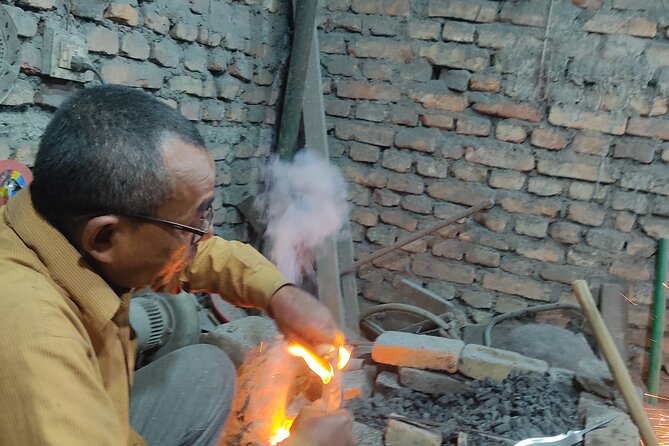
This workshop runs about 4 hours (approx.). With that timing, it usually lands as a strong half-day activity in Kathmandu—long enough to feel like you did something real, not so long that it wipes out your whole day.
Group size is capped at 5 travelers, which is a big deal for quality. In small groups, you get clearer explanations and less waiting around. It’s also a safer flow inside a forge environment.
Who it suits:
- People who like hands-on crafts (you’ll hammer and finish).
- History/culture lovers who want meaning behind objects, not just facts.
- Gift shoppers who want a souvenir with a story you can tell for years.
Who might struggle:
- Parents traveling with very young kids. One experience described a 4- and 6-year-old running out of patience during the process. The work moves at a pace tied to metal and tools, not kids’ attention spans.
- Anyone expecting to do all grinding themselves. The host takes the sparkier work.
Price and value: why $68 works (and when it might not)
At $68 per person, you’re buying more than a class. You’re paying for:
- A guided, small-group forge experience
- Transportation with pickup offered for many Kathmandu stays
- The included outcome: a made-for-you 6-inch khukuri knife
In many cities, “craft classes” end with you leaving with a project that’s more decorative than functional. Here, the end goal is a sharp, real khukuri knife you made as part of the process. Reviews repeatedly mention sharp edges and higher-than-market quality compared with some tourist purchases.
Two pricing notes that can affect your value:
- You may be able to make a 10-inch khukuri for an additional fee (mentioned in an experience). If you want a larger blade, ask ahead so you can budget.
- Extra value depends on how much you enjoy craft work. If you love making things with your hands, the price starts to look like a bargain.
Safety and quality realities to know before you go
A forge workshop is working craft. That’s good news and it’s real. The provided safety guidance says the host does the grinding that creates sparks, and you should stay clear during that process. So yes, you’ll be near active tools and heat—but it’s managed.
Quality-wise, most outcomes sound excellent, with finished knives described as sharp and beautifully made. Still, one review reported cracks in some knives after making, and the team responded by apologizing and offering a new knife and delivery. That tells you two things: the workshop cares about fixing issues, and metalworking can reveal problems later than you expect.
Practical tip: wear clothes you don’t mind getting a little dusty, and keep water handy. Even if the setting is casual and friendly, you’re working in a space built for metal, not for neat tourism photos.
Should you book Forge of the Gurkhas in Kathmandu?
If you want a Kathmandu souvenir with a real story and real craftsmanship behind it, I’d book this. The combination of hammering, finishing work, and leaving with your own sharp khukuri is hard to beat for value.
I’d especially choose it if you’re the type who likes meeting the makers—working blacksmith Indra is specifically highlighted in reviews as skilled and proud of the craft, and guides like Swoyam and Namrata help make the experience easy and talk-friendly.
Skip or rethink if:
- You mainly want a watch-and-photos experience rather than hands-on making.
- You need a fully self-directed role for every step (the host handles the sparkier grinding).
- You’re traveling with very young kids who may lose patience during a 4-hour forge rhythm.
FAQ
FAQ
How long is the Knife (Khukuri) Making Workshop in Kathmandu?
It runs for about 4 hours (approx.).
What size khukuri knife is included in the $68 price?
The workshop includes making a small khukuri blade, described as about 6 inches.
Is pickup included?
Pickup is offered, and a mobile ticket is used. Some experiences describe pickup from hotels, especially around Kathmandu (like Thamel).
How many people are in the group?
The group size is capped at a maximum of 5 travelers.
What parts of the knife-making can I do myself?
You’ll participate in hammering the iron, the first grinding step, and the final buffing and polishing.
Will I grind the blade with sparks?
For safety reasons, the host handles the grinding that produces sparks, and you’ll be advised to stay clear.
Can I make a larger khukuri than the included one?
Some experiences mention the option to make a 10-inch khukuri for an additional fee.
What if there’s a problem with the knife during crafting?
One review mentioned cracks appearing during the process and the team offering to make a new knife and deliver it.
Is there free cancellation?
Yes. Free cancellation is available if you cancel up to 24 hours in advance for a full refund.