REVIEW · KATHMANDU
Kathmandu Top 4 or 2 UNESCO World Heritage Sites Day Tour
Book on Viator →Operated by Attractive Travels and Tours Pvt. Ltd. · Bookable on Viator
Four UNESCO stops, one easy day. This Kathmandu Valley tour strings together UNESCO landmarks (Pashupatinath, Boudhanath, Swayambhunath, and Patan Durbar Square) and adds hands-on stops like thangka painting and a singing bowl demonstration, so you’re not just walking around—you’re getting the why behind it.
I really like the hotel door-to-door pickup, because Kathmandu traffic and finding the right entrance can eat your time fast. I also like that the tour is set up for a calm pace with real chances to ask questions—plus guides such as Prakash Aryal are mentioned as being especially good at explaining what you’re seeing.
One thing to consider: it’s a compressed day. You’ll be moving between four major sites, and at Swayambhunath you’re doing a long stair climb, so this isn’t for people who want to linger all day. You should also budget for UNESCO entrance fees on top of the $40 tour price.
In This Review
- Key things to know before you go
- Why This UNESCO Day Tour Feels Easier Than DIY
- Price and Value: $40 Plus UNESCO Entrance Fees
- Door-to-Door Pickup and the Reality of Timing
- Stop 1: Pashupatinath Temple and the Bagmati River Context
- Stop 2: Boudhanath Stupa and Tibetan-Influenced Monasteries
- Stop 3: Swayambhunath Monkey Temple and the Stair Climb
- Stop 4: Patan Durbar Square and Newari Architecture at Its Best
- Thangka Painting School: Seeing Tradition Made With Your Eyes
- Singing Bowls and Healing Demonstration: What It Adds to the Day
- The Guides Matter: Prakash Aryal (and How It Shows Up)
- Practical Tips So Your Day Stays Comfortable
- Who This Tour Is Best For (and Who Should Skip It)
- Should You Book This Kathmandu UNESCO Tour?
- FAQ
- What UNESCO sites are included on this day tour?
- Is the UNESCO entrance fee included in the $40 price?
- How long is the Kathmandu Valley tour?
- Do you get hotel pickup and drop-off?
- Is this a private tour?
- Can I cancel for a full refund?
Key things to know before you go
- Door-to-door pickup and drop-off: your driver meets you right at your hotel and handles the logistics.
- Four UNESCO World Heritage sites: Pashupatinath, Boudhanath, Swayambhunath, and Patan Durbar Square in one day.
- Craft stops are included: thangka painting school and a singing bowl (healing) demonstration center.
- A private setup: only your group rides along, so you can ask questions at your pace.
- UNESCO fees are extra: plan for $20 for 4 sites (or $10 for 2 sites).
- Comfort basics are handled: bottled water is included.
Why This UNESCO Day Tour Feels Easier Than DIY
Kathmandu Valley can be a lot—especially if it’s your first week. Roads can be confusing, entrances vary, and religious sites have their own rules. This tour is built to reduce all that friction. You get a driver who shows up, takes you seat-to-seat, and keeps the day moving between the big UNESCO names.
The best part is that you’re not just collecting stamps. The tour connects each landmark to the culture around it—Hindu rites near Bagmati River, Tibetan influence around Boudhanath, hilltop views at Swayambhunath, and the Newari architecture at Patan’s palace square. Add the craft elements (thangka painting and singing bowls), and you get a fuller picture of how art, belief, and daily life mix together here.
You can also read our reviews of more historical tours in Kathmandu

Price and Value: $40 Plus UNESCO Entrance Fees
The headline price is $40 per person for a 5–7 hour day tour. For Kathmandu Valley, that’s pretty practical because it includes several value-heavy pieces: transportation as per the route, a professional guide, bottled water, and the two craft visits (thangka painting school and the singing bowl demonstration center).
The part to plan for: UNESCO entrance fees are not included. The tour states:
- $20 per person for visiting all 4 sites
- $10 per person if you’re only doing 2 sites
So your real budget depends on which option you take, but either way you’re paying for guided time and transport across multiple locations in one day. If you tried to do this on your own, you’d likely spend comparable money on transport plus pay your own guide time (or miss out on context). This is the sort of deal that makes sense when you have limited days in Kathmandu.
Door-to-Door Pickup and the Reality of Timing
The tour’s logistics are one of its biggest selling points: pickup and drop-off are handled at your hotel. That matters more than it sounds. Even if you’re organized, Kathmandu traffic, parking, and walking from the right drop point can cost you chunks of time—and time is the whole point of this itinerary.
The day is designed to fit four major sites plus craft visits into roughly 5–7 hours. Reviews strongly point to a smooth, calm flow, and that’s often what you want from a half- to full-day tour: you’re not exhausted by constant re-planning.
Tip for your expectations: this is not a “sit and watch life go by for hours” plan. You’ll get a solid look at each place, but you should come ready to move.
Stop 1: Pashupatinath Temple and the Bagmati River Context
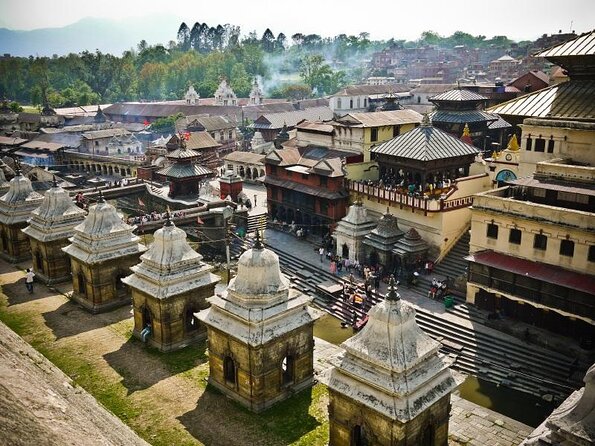
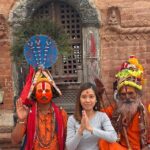
Pashupatinath is one of the most sacred Hindu sites in Nepal, dedicated to Lord Shiva, and it sits on the Bagmati River. This is the kind of place where the architecture is only half the story. The bigger story is what people come here to do—ritual, devotion, and the cycle of life.
You’ll spend about 2 hours here, and admission isn’t included. The timing works well because Pashupatinath is best understood with explanations about the river setting and how temple life connects to Hindu beliefs.
One consideration: this area is known for Hindu cremation rites along the river ghats, and people specifically call out that experience as a highlight—described as fascinating and something you might feel honored to witness. If you’re sensitive to religious ceremonies involving death, this stop may feel intense. If you can handle it, you’ll likely appreciate seeing how central these rites are to the landscape and community.
Stop 2: Boudhanath Stupa and Tibetan-Influenced Monasteries
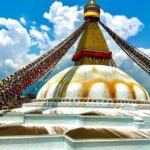
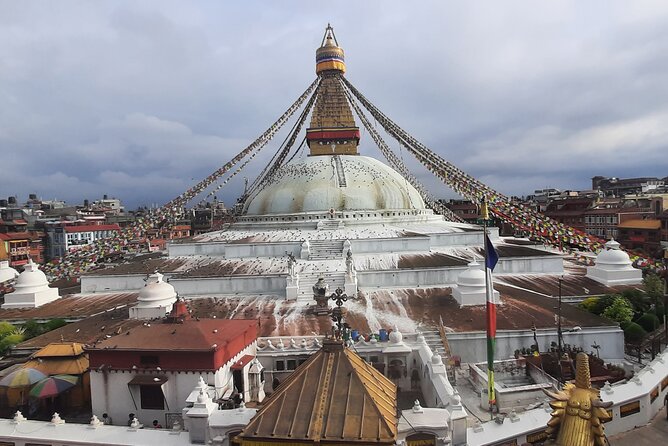
Boudhanath Stupa is UNESCO-worthy in part because of its atmosphere. It’s surrounded by monasteries and has a strong Tibetan cultural influence. You’ll typically get around 1 hour at this stop, with admission not included.
This is the place where the pace often feels different. People gather, walk around the stupa, and the area reads like a blend of Kathmandu’s Newar roots and the Tibetan Buddhist world. Even if you’re not deeply into religious study, you can still feel how architecture and ritual shape how space is used.
Practical thought: if you want photos, try to stand where you’re not blocking the flow of pilgrims. Guides can help you find good angles while staying respectful.


Stop 3: Swayambhunath Monkey Temple and the Stair Climb
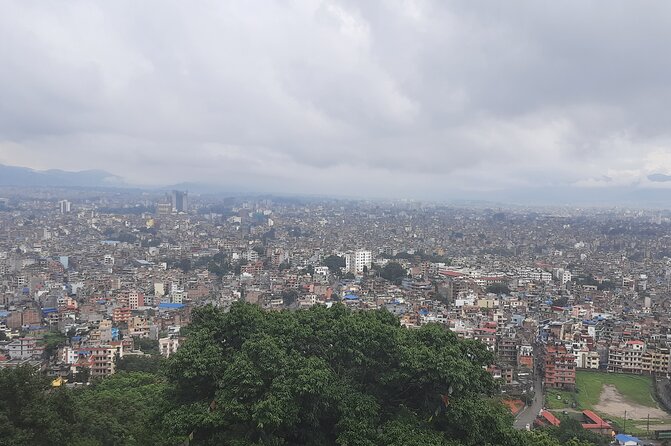
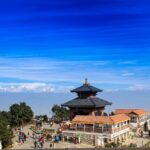
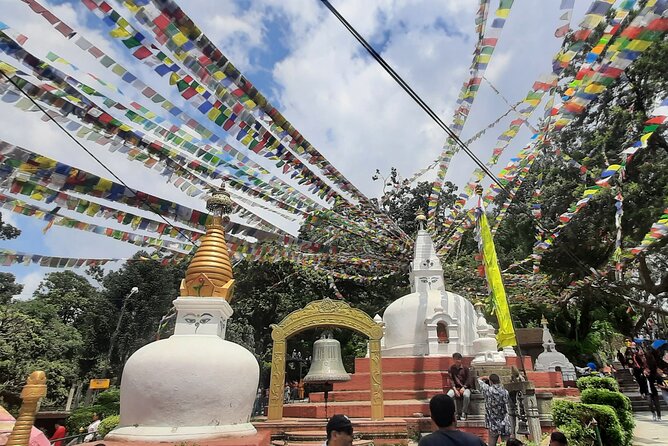
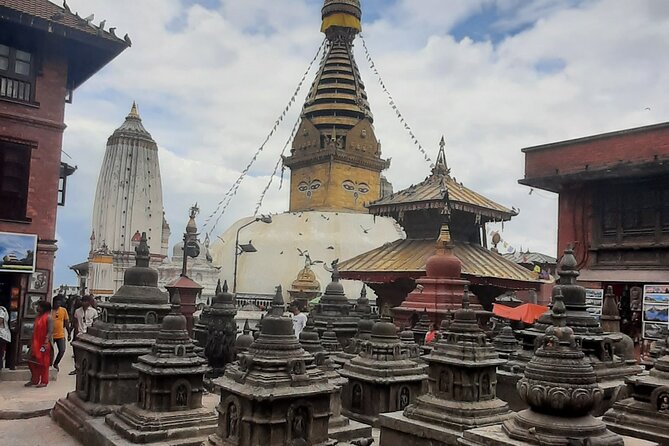
Swayambhunath—also called the Monkey Temple—sits atop a hill. The main access is the stairway up, so this stop includes built-in physical effort. The tour plans about 2 hours here, and admission isn’t included.
The hilltop location is the reason this place works. You’re visiting a temple complex, but the experience is also about the viewpoint and the sense of being above the city grid. And yes, the climb can feel like a mini workout—so wear shoes that won’t slip on uneven stone.
Also, expect that the site’s name includes monkeys for a reason. Don’t assume every animal will act the same way, but it’s smart to keep your belongings secured and avoid dangling items. A guide can keep you moving efficiently and help with where to pause for viewpoints.
Stop 4: Patan Durbar Square and Newari Architecture at Its Best
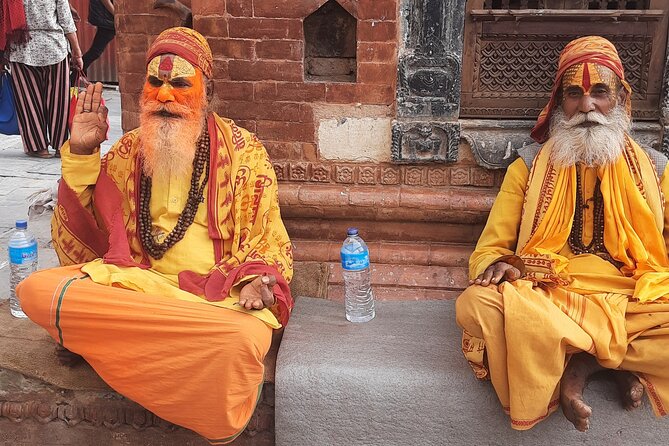
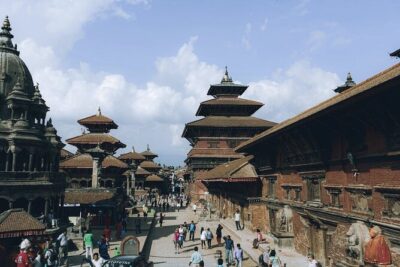
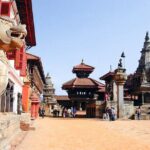
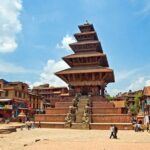
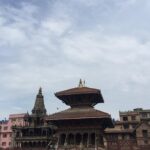
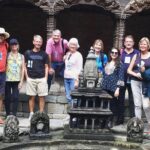
Patan Durbar Square represents Newari architecture at its peak, shaped by the Malla kings—who were both political leaders and major patrons of arts and buildings. It’s a UNESCO stop that feels different from the temple sites because you’re looking at palace-square design, craftsmanship, and urban planning all in one.
You’ll spend about 1 hour here, with admission not included. That’s enough time to get the layout and key sights, especially with a guide pointing out what makes the style distinct.
If you like architecture more than ceremonies, this is usually the stop where people feel satisfied fast because you can visually “read” what the place is doing. Still, one hour can fly. If you’re the type who loves slowing down for details, ask your guide at the start how you want to spend time—some groups prioritize the main monuments while others focus on side courtyards and craftsmanship.
Thangka Painting School: Seeing Tradition Made With Your Eyes
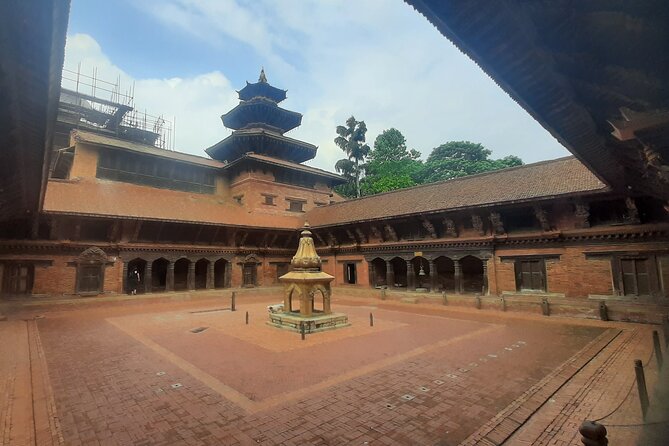
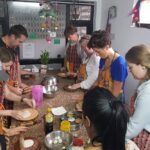
This tour includes a visit to a thangka painting school. That’s a big deal because thangkas are not just art on a wall. They’re painted religious works with strict conventions, and the process matters.
The tour description mentions traditional arts and exclusive behind-the-scenes access, which is exactly what you want here. Watching how artists work—how they prepare, handle pigments, and follow established patterns—turns the concept of Tibetan-style religious painting into something real.
You may not leave with a new lifelong skill, but you’ll understand why the art looks the way it does, and you’ll likely spot details later if you visit other religious sites around Kathmandu.
Singing Bowls and Healing Demonstration: What It Adds to the Day
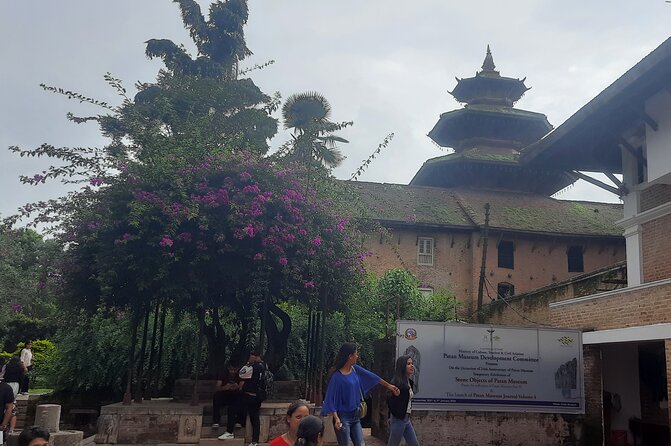
Another included stop is a healing and singing bowl demonstration center. This is paired with the craft theme, so the day isn’t only about temples and monuments.
Singing bowls often come with explanations about sound, ritual use, and the idea of balance and healing. Even if you’re skeptical, it’s still a meaningful cultural performance and a chance to learn how locals frame wellbeing. In a day focused on sacred architecture, this adds a different angle: the sonic side of spirituality.
The demo can also be a nice break from walking—short, focused, and indoors. And because it’s included, you won’t have to hunt for an extra activity once you’re tired.
The Guides Matter: Prakash Aryal (and How It Shows Up)
One of the most repeated positives tied to this tour is the guide experience. Names like Prakash Aryal show up as people praised his ability to tailor the tour and keep things comfortable while still sharing plenty of context.
That matters because the UNESCO sites here aren’t self-explanatory. You’ll get more from Pashupatinath, Boudhanath, and Swayambhunath if you understand what you’re looking at—why a certain structure matters, what rituals happen where, and what locals consider respectful behavior.
You may also be driven by professionals mentioned by name, such as Niroj. That sort of local coordination is a quiet win: you spend less time negotiating and more time seeing.
Practical Tips So Your Day Stays Comfortable
A few things will make this day tour feel smoother:
- Wear comfortable shoes: Swayambhunath’s stairs are real, and the ground can be uneven at temple entrances.
- Bring a light layer: religious sites can be cooler in shade, and indoor demos can shift temperature.
- Plan your camera habits: at crowded sacred areas, pause for photos only where you’re not blocking people.
- Ask the guide what to prioritize: you have limited time per stop, so decide early if you care more about architecture, rituals, or craft details.
The tour includes bottled water, which helps, but don’t skip basic hydration habits—especially if you’re walking longer than you expected.
Who This Tour Is Best For (and Who Should Skip It)
This is a great fit if:
- you have only one day in Kathmandu Valley and you want major UNESCO sites without logistics stress
- you like cultural context, not just sightseeing snapshots
- you want a private group experience with time to ask questions
- you’re interested in traditional arts beyond temples—like thangka painting and singing bowls
Consider skipping or choosing something slower if:
- you want long, uninterrupted time at just one site
- you’d rather avoid religious ceremonies involving death (Pashupatinath can include cremation rites near the river ghats)
- you get worn out by a schedule that packs four major locations into a half-day to full-day
Should You Book This Kathmandu UNESCO Tour?
I’d book this tour if you want the best odds of seeing the key UNESCO sites in Kathmandu Valley without getting tangled in navigation. The value is strongest when you care about context as much as the sights—because the guide experience and the craft visits are included, not added later.
If you’re the type who plans travel like a checklist and hates wasting half a day figuring out transport, you’ll probably love the door-to-door pickup and the structured flow. Just budget for UNESCO entrance fees ($20 for four sites or $10 for two) and be ready for stairs and a packed route. For many first-timers, that trade-off is exactly the point of a one-day UNESCO plan.
FAQ
What UNESCO sites are included on this day tour?
The tour includes Pashupatinath Temple, Boudhanath Stupa, Swayambhunath (Monkey Temple), and Patan Durbar Square.
Is the UNESCO entrance fee included in the $40 price?
No. UNESCO entrance fees are not included. The tour lists $20 per person for 4 sites and $10 per person for 2 sites.
How long is the Kathmandu Valley tour?
The duration is about 5 to 7 hours.
Do you get hotel pickup and drop-off?
Yes. The tour offers pickup and drop-off, and the driver meets you right at your hotel door.
Is this a private tour?
Yes. It’s listed as a private tour/activity, so only your group participates.
Can I cancel for a full refund?
Yes, free cancellation is available. You can cancel up to 24 hours in advance for a full refund.