REVIEW · KATHMANDU
Annapurna Circuit Trek with Tilicho Lake
Book on Viator →Operated by Discovery World Trekking · Bookable on Viator
Tilicho Lake adds real altitude drama. This guided Annapurna Circuit with a Tilicho detour helps you focus on walking, while a licensed team handles route logistics and permits. In groups led by guides like Hari Gurung, you get that calm, confident feel that you’re on the right trail.
I especially like that meals, tea-house/lodge accommodation, and permits are handled for you. You can also relax knowing the support staff and guides are part of the plan, with porters such as Damar and Sangkar mentioned in past treks on this route.
One consideration: this trek is hard. You’ll be asked to move through big days and cold air, including an early 3 a.m. start for the Thorong La crossing, so you should only book if you’re truly ready for sustained effort.
In This Review
- Key things to know before you go
- Why this Annapurna Circuit includes Tilicho Lake (and why it matters)
- Value check: what you’re really paying for at about $1,093
- Kathmandu to the trek’s start: the long drive and first temple stop
- Day 2: Dharapani, a suspension bridge, and the climb into Manang country
- Days 3–4: Chame and the first big views of the Annapurna range
- Days 5–6: upper trails, Manang, and acclimatization that actually makes sense
- Day 7: an easier-feeling day into Khangsar and Tibetan settlement vibes
- Days 8–9: the Tilicho run—base camp first, then the Great Ice Lake
- Days 10–11: down to Khangsar, then up again toward Thorong Phedi
- Day 12: Thorong La crossing and the shift toward Muktinath
- Day 13: Tatopani hot springs to soothe the legs
- Day 14: Ghorepani area villages and rhododendron forest walking
- Day 15: Poon Hill sunrise at 3,210m and the Annapurna-to-Dhaulagiri view sweep
- Day 16: back to Kathmandu by tourist bus (and an optional flight)
- Guides, porters, and the small-group pace that feels human
- Fitness and expectations: who this trek fits best
- Should you book this Annapurna Circuit with Tilicho Lake?
- FAQ
- How long is the Annapurna Circuit trek with Tilicho Lake?
- What’s included in the $1,093 price?
- Is pickup from Kathmandu included?
- What kind of accommodations will I have during the trek?
- How many people are in the group?
- Do I need to get my own permits?
Key things to know before you go
- Tilicho Lake detour on the Annapurna Circuit adds a high-altitude highlight beyond the main loop
- Licensed guide + route support helps you move confidently without getting lost
- All meals and tea-house/lodge stays included during the trekking days
- Small group size (max 15 travelers) keeps the pace more personal and easier to manage
- Thorong La crossing built into the schedule means early mornings and a serious fitness test
Why this Annapurna Circuit includes Tilicho Lake (and why it matters)
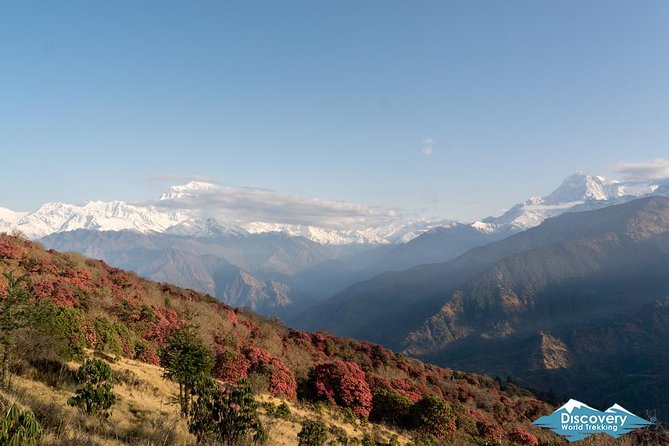
Most Annapurna Circuit trekkers get an amazing high-mountain loop. This one gives you an extra “level up” by adding Tilicho Lake, a remote, high-elevation destination that’s talked about as the highest lake in the world and even nicknamed the Great Ice Lake. That detour isn’t just a checkbox. It changes the character of the trek—more wide-open mountain feeling, more cold-air days, and more moments where the view stops you for a second.
You also get the full Circuit rhythm: start in warmer village trails, climb into the Manang region, then push through the big pass days. The route mixes forested sections with drier, rockier terrain as elevation rises, so the trek doesn’t feel repetitive. And because Tilicho sits high on the Annapurna side, the payoff tends to feel big when you finally reach the shore.
Finally, the safety angle is practical, not fluffy. Having a guide and the right permits means you’re less likely to get stuck negotiating logistics mid-trek. On a long trek in Nepal’s mountains, that matters.
You can also read our reviews of more hiking tours in Kathmandu
Value check: what you’re really paying for at about $1,093
At $1,093 for a trek around 16 days, the price isn’t just “a guide and a trail.” You’re buying the infrastructure that makes the trek smoother:
- Accommodation, meals, and permits are included (ACAP and TIMS fees are covered)
- Tea-house/lodge meals are included as you walk (breakfast, lunch, dinner during trek days)
- Local overland transport is included, plus a Kathmandu-to-early-route drive and return travel
- You get a government-licensed trek leader, along with guides and porters who have meals, insurance, salary, lodging, and transportation covered
What you’re not getting is everything else people sometimes assume. Flights are not included (returning by flight is listed as an option), and anything not listed under includes is on you.
For me, the value here comes down to this: you’re not paying to “figure it out.” You’re paying so you can focus on pacing, acclimatization, and enjoying the places you’re passing through.
Kathmandu to the trek’s start: the long drive and first temple stop
Day 1 begins with a 6–7 hour drive from Kathmandu (about 190 km) toward the trek’s starting point near Besishar. That day is underrated because it’s your first taste of “real Nepal road time”—villages, farms, river crossings from the roadside, and early glimpses of mountain ranges.
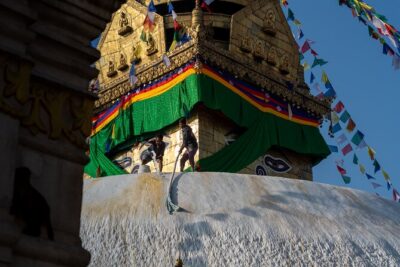
You also stop at Sandup Choeding Gompa. Gompas are more than scenic buildings. They’re a window into how mountain communities organize their spiritual life. Even if you’re tired from the drive, it’s a good mental gear shift: you’re not just traveling to the mountains—you’re entering them.
Practical note: because this is a long drive, I’d treat this as a day to keep your energy for walking tomorrow. Hydrate, eat well, and don’t plan anything ambitious after arrival.
Day 2: Dharapani, a suspension bridge, and the climb into Manang country
After breakfast, Day 2 starts trekking with a suspension bridge crossing, then transitions into a steep climb. You’ll head toward the Manang region and reach Tal, where you may see waterfalls forming a river through sandy beaches.
Why this day is worth paying attention to: it’s a classic “warm-up” day that still asks for effort. Suspension bridges also remind you how much of this trek is about movement through real terrain—not staged hiking.
If you’re sensitive to steep starts, keep your pace controlled. You’ll get plenty of difficult climbs later; this one is there to set your rhythm.
Days 3–4: Chame and the first big views of the Annapurna range
Day 3 takes you along a trail through forests—pine, fir, oak, and maple mentioned here—walking near a river. The goal is Chame, the district headquarters of Manang. The benefit of these forest walks is simple: shade and steady footing compared to higher, more exposed stretches.
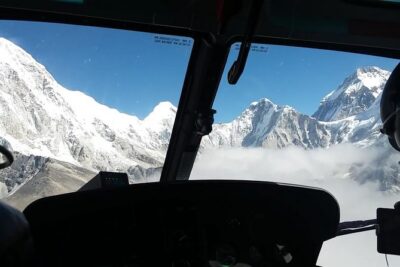
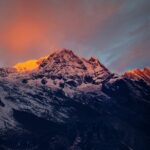
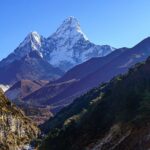
Day 4 is a narrower, steeper valley day that’s designed to turn the volume up on mountain views. You get a first look at the Paungda Danda rock face, a striking curved wall rising far above the river. It’s also one of those days where you can spot big names: Annapurna II to the south and Pisang Peak to the north east, depending on conditions.
A realistic expectation: you’ll see peaks better when skies are clear. If clouds roll in, don’t assume you’ll never see them. On this route, weather can shift by the next day.
Days 5–6: upper trails, Manang, and acclimatization that actually makes sense
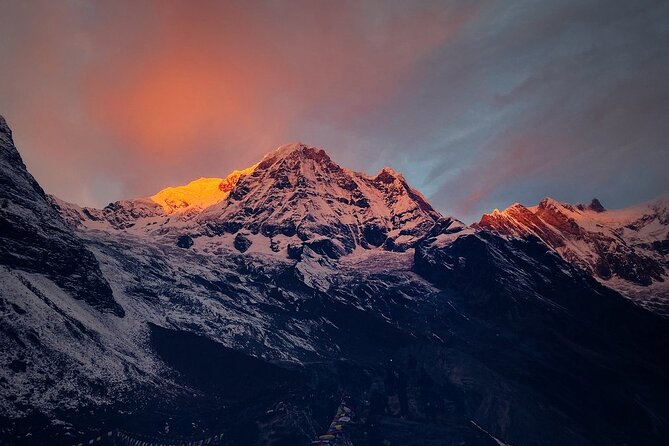
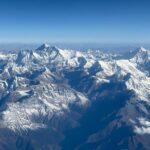
Day 5 follows an upper trail through upper Pisang via Geru, with standout views called out for the north face of Annapurna II, III, IV, plus Gangapurna, Tilicho, and Pisang Peak. As you ascend, you’ll feel the air change—colder, drier, harsher. That’s your body’s cue to slow down, even when your mind wants to move faster.
Day 6 is an acclimatization day in Manang, plus a hike to Gangapurna Lake and base camp. You also spend time admiring Annapurna III, Tilicho, Pisang, and Chulu Peaks, plus roaming Manang village and monasteries.
Here’s what I like about this pacing: acclimatization isn’t treated like a token rest. You actually get a chance to adjust while still staying active—walking, looking, and getting your altitude routine set.
Day 7: an easier-feeling day into Khangsar and Tibetan settlement vibes
Day 7 is described as a bit easier, using an upper route that follows a path down toward a river. You cross and re-cross the day’s terrain through coniferous forest and head toward Khangsar, a Tibetan settlement.
This matters because the Circuit doesn’t just change elevation—it changes culture and the look of the villages. Khangsar adds that sense of being deeper into the high-mountain corridor, where architecture and religion feel distinctly “north of Nepal’s lower valleys.”
Keep expectations realistic: easier doesn’t mean effortless. It’s still a trekking day, just better suited if you’re managing fatigue.
Days 8–9: the Tilicho run—base camp first, then the Great Ice Lake
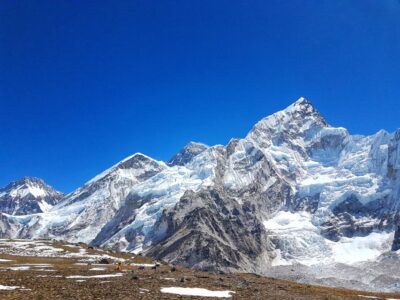
Day 8 brings you to Tilicho base camp via an easy path through a landslides area with impressive rock formations. You also get views of Tilicho Peak and other snow-covered mountains. This is a day that’s more about gradual entering-the-zone than about big daily gains.
Then Day 9 is the one you build toward. You start early to avoid afternoon winds and hike up a steep, consistent stretch for about 2–3 hours to reach Tilichol Lake. It’s referred to as the highest lake in the world, and the Great Ice Lake nickname gives you a hint of the feel: cold, stark, remote.
Two tips I’d use here:
- Keep your pace steady on the climb. Steep + long often becomes the real challenge.
- Be ready for wind and chill even if the sun is out. Early starts help, but the lake area still feels high.
Days 10–11: down to Khangsar, then up again toward Thorong Phedi
Day 10 descends to Khangsar village and passes the Tare gumba, described as a thousand-year-old monastery. Then you follow a route out of Khangsar toward the Thorong Khola valley, crossing a bridge, going into a river area, and reaching a plateau with Yak Kharka as the trekking stop.
Day 11 continues uphill to Thorong Phedi, described as a small busy settlement with amazing mountain views. On the way, you’re pointed toward Mt. Gundang, Mt. Syagang, Thorung Peak, and Mt. Khatungkan.
Why these days matter: they’re your “bridge” between Tilicho altitude and Thorong La readiness. You’re not done with the hard terrain. But you’re also not stuck only climbing. The down-then-up pattern helps you settle your legs before the pass day.
Day 12: Thorong La crossing and the shift toward Muktinath
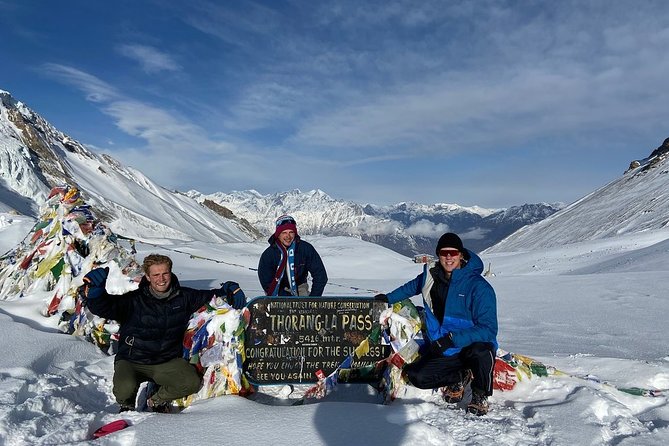
Day 12 is the biggest physical push. You cross Thorong La, called one of the highest passes in the world and the highest point on the trek. You also need an early wake-up around 3 a.m. to complete the crossing.
This is the day where your trekking strategy matters most: slow, controlled steps, focus on breath, and don’t burn energy early. If you’ve been rushing to “get it over with,” that often backfires at altitude.
After you cross, you reach Muktinath Temple. That part of the trek gives you a very different kind of reward than just views. The temple stop anchors the day in the local spiritual geography.
Day 13: Tatopani hot springs to soothe the legs
Day 13 visits Muktinath Temple first, then you travel by car to Tatopani, known for its natural hot springs. It’s a practical recovery day: soak if you can, keep warm afterward, and remember that cold mountain air can feel harsher than you expect even when you’re moving downhill.
This day is also a reminder that your trek isn’t only steps. You’ll use local transport here, which helps you reset between trekking segments.
Day 14: Ghorepani area villages and rhododendron forest walking
Day 14 ascends toward Ghorepani, trekking through Sikha and Chitre villages associated with the Thakali people. You pass terraced farmland, then move through forests filled with rhododendron, birch, and magnolia.
This is the kind of day where you feel the Circuit changing again. After high, rugged altitude, this area can feel more alive with vegetation and farm terraces.
You also stop near Ghorepani Community hospital, which is included as a named stop here. Even without going deep into it, it gives you a real sense of where the trail supports everyday life.
Day 15: Poon Hill sunrise at 3,210m and the Annapurna-to-Dhaulagiri view sweep
Day 15 is early again, climbing to Poon Hill (3,210m) for sunrise. The view is described as sunrise over the Annapurna, Dhaulagiri massif, including Machhapuchhre (Fishtail) and Manaslu, plus rice terraces around.
Why this works: Poon Hill is one of the easiest ways to “see the big picture” at the end of a tough circuit. After days of focused effort, you finally get a wide mountain view moment—often the kind that makes sore knees feel worth it.
Day 15 also blends into the finish area of the trek, setting you up for return travel.
Day 16: back to Kathmandu by tourist bus (and an optional flight)
After breakfast, Day 16 is travel back to Kathmandu on a tourist bus. There’s also an option to return by flight (225 minutes), but it’s noted as not included in the package.
This is a normal end-of-trek rhythm: you walk hard, then you shift into comfort logistics. If you choose the flight option, make sure it matches your energy level and how you’re feeling after the last sunrise push.
Guides, porters, and the small-group pace that feels human
This experience runs with a maximum of 15 travelers, which keeps the trek from turning into a factory line. In these mountains, that smaller size matters for pacing, for questions, and for how smoothly you handle breaks.
The support quality shows up in past feedback tied to this company on Annapurna routes. I’ve seen names like Hari Gurung with porters Damar and Sangkar, and also Suresh with porters Asis and Monis described as energetic and helpful. That same theme shows up across multiple trek accounts: guides explain what you’re seeing, and porters help keep your load manageable.
You’ll likely feel it in small moments: quicker answers about where you are, more confidence on pass and descent days, and less stress about the “how do we do this” part.
Fitness and expectations: who this trek fits best
This is best for fit, active travelers because it’s a challenging mountain trek with high passes and long days. The trek also explicitly asks for moderate physical fitness.
If you’re the type who enjoys steady effort and can handle early starts, you’ll probably love the rhythm. If you want a casual stroll with no cold-air days and no real climbing, this is not the right match.
Also remember: the experience requires good weather. That doesn’t mean you’ll be in perfect conditions all the time. It means the program depends on weather being safe for a high-altitude route.
Should you book this Annapurna Circuit with Tilicho Lake?
I’d book it if you want the Circuit experience but you also want a standout high-altitude goal. Tilicho Lake is the difference-maker here, and the fact that permits, meals, and trekking support are built in makes the trek feel more controllable.
I would pause before booking if:
- you’re not confident with long, steep hiking days, especially with early starts like the Thorong La crossing
- you’re very sensitive to cold, because the route explicitly notes air getting colder and harsher as you ascend
- you’re relying on last-minute flexibility, since it’s described as non-refundable and not changeable for any reason
If you’re ready for a serious trekking challenge and you want someone else to handle the moving parts, this is a strong option. You’ll trade planning stress for sore legs—and a lot of mountain time.
FAQ
How long is the Annapurna Circuit trek with Tilicho Lake?
It’s approximately 16 days, with travel and trekking days ending in Kathmandu.
What’s included in the $1,093 price?
Accommodation (including a night in Pokhara), meals during the trek (breakfast, lunch, dinner), permits (ACAP and TIMS fees), local overland transport, and guide/porter support with their meals and related costs are included.
Is pickup from Kathmandu included?
Pickup is offered, and the program includes transportation from Kathmandu to the trek’s early stage.
What kind of accommodations will I have during the trek?
You’ll use tea house/lodge accommodations during trekking days, with meals included.
How many people are in the group?
The maximum group size is 15 travelers.
Do I need to get my own permits?
No. The Annapurna Conservation Area Permit (ACAP) fee and the TIMS card fee are included.