REVIEW · KATHMANDU
Pashupatinath Temple, Hindu Crematorium and Aarati in-depth Tour
Book on Viator →Operated by Himalayan Adventure Therapy · Bookable on Viator
Cremation rites at a temple gate stop you cold. This Pashupatinath Temple tour is interesting because you don’t just look—you get Ph.D.-guided explanations of what the rituals mean, from myth to present-day practice, while you move through the sacred riverfront scene. I also like how the schedule builds in the moments that locals actually do: walking the temple area, then ending with priest-led Sandhya Aarati.
The one real consideration is emotional and sensory. The crematoria stop is meant to show the cultural process of cremating the dead in Hindu tradition, so it can feel heavy, and the full 4–5 hours may be long if you’re easily worn out by intense settings.
In This Review
- Key things that make this tour worth your time
- Pashupatinath Temple and the Bagmati: where meaning lives in daily ritual
- The guide makes the difference: PhD heritage + practical explanations
- Stop 1: Inside Pashupatinath Temple with time for the important details
- Stop 2: The crematoria stop and the cultural process you came for
- Stop 3: Sandhya Aarati and the Bagmati river bank offering at evening
- Price and value: what $90 buys (and what it doesn’t)
- Logistics that make the experience smoother (without stealing your focus)
- Who should book this tour, and who should think twice
- Should you book the Pashupatinath in-depth temple, crematoria, and Aarati tour?
- FAQ
- How long is the Pashupatinath Temple, crematorium, and Aarati tour?
- What time does the tour start?
- Is pickup included?
- What’s included in the ticket price?
- Are admission tickets included?
- What is not included?
- Is this a private tour?
- Do I need to book far in advance?
- Is free cancellation available?
- Are service animals allowed?
Key things that make this tour worth your time
- PhD-level temple heritage framing that connects beliefs to everyday practice
- Crematoria explained live by experts from the Pashupati Area Development Trust
- Sandhya Aarati + Bagmati river bank aarti with priests and local participants nearby
- Private transportation and bottled water included, so you stay focused on the experience
- Time to walk and find quieter angles rather than rushing past everything
Pashupatinath Temple and the Bagmati: where meaning lives in daily ritual
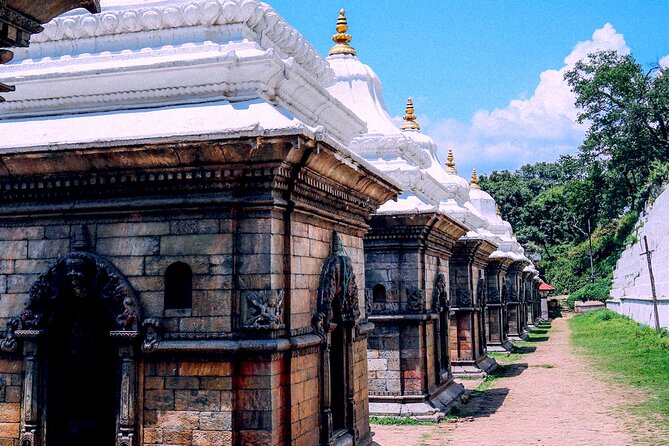
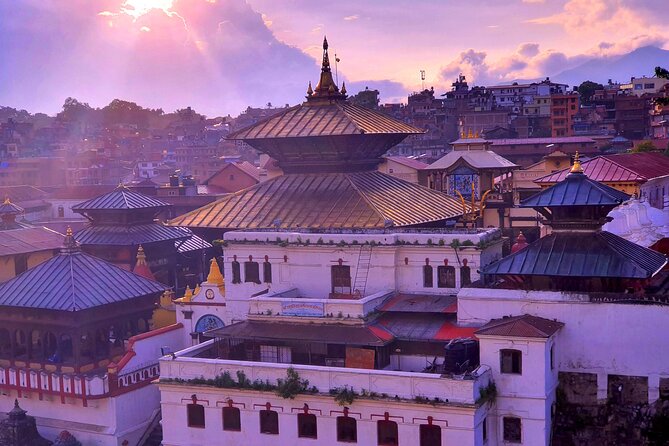
Pashupatinath isn’t a museum. It’s a living religious place on the Bagmati River, where devotion plays out in real time—incense in the air, bells, priests working their routines, and families showing up for ceremonies. That’s why this kind of tour is more valuable than a quick photo-stop: you’re learning the rules of the place as you go.
I especially like that the experience is structured to move you through the main spiritual themes in order: worship at the temple, the cycle of life at the crematoria, and the evening offerings that keep the riverfront devotional rhythm going. It’s a heavy sequence, but it’s also the point. You’re not just collecting sights; you’re getting the logic behind what you’re seeing.
You can also read our reviews of more tours and experiences in Kathmandu.


The guide makes the difference: PhD heritage + practical explanations
The star ingredient here is the guidance. Your lead guide is described as having a Ph.D. in Tangible and Intangible Heritages of Pashupatinath, with other experts working under his supervision. In plain terms, that means you should expect more than surface-level storytelling.
What you can realistically hope for:
- Clear explanations of religious and cultural practices in the temple premises
- A logical, scientific-style approach to how Hinduism is understood and practiced today
- Help connecting myths and beliefs to what’s observable on-site
In several comments, visitors highlighted how patient the guides were and how well they answered questions. Guides named Nabin and Nirajan (and a Nabil mentioned in one account) came up repeatedly, which fits the idea that the operator takes pride in consistent, high-touch interpretation.
This isn’t about lecturing you from a distance. The tour is paced so you can actually process what you’re seeing—especially at the crematoria portion, where a little context can change how you experience the moment.
Stop 1: Inside Pashupatinath Temple with time for the important details
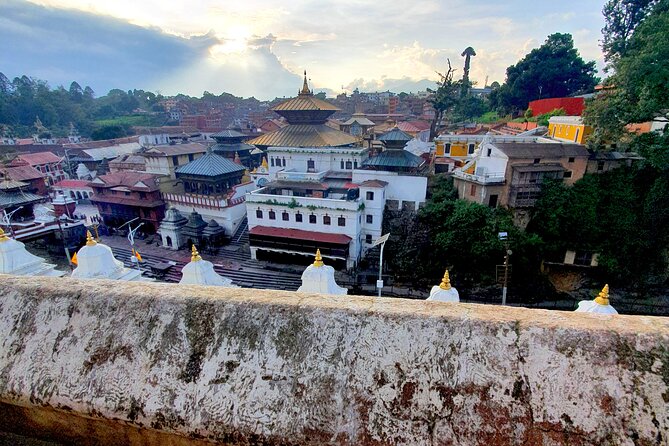
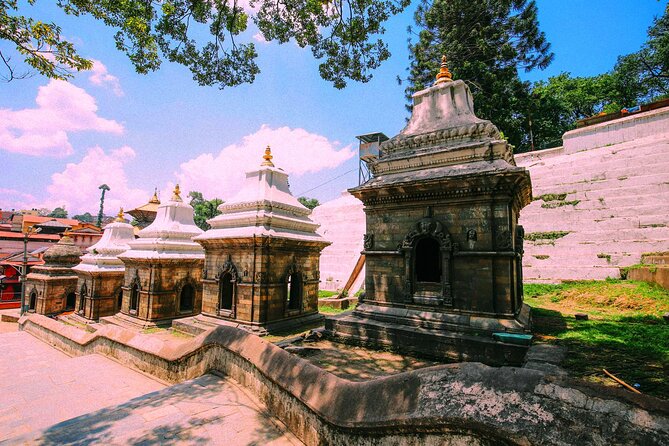
You start at the Pashupatinath Temple and spend about 2 hours there, with admission included. The goal isn’t only to point out major sights. You get a walk-through of attractions in and around the temple area, guided by someone who can explain not just what things are, but why they matter.
If you’ve been to a temple before, you’ll recognize the problem: without a guide, you often don’t know where to look or what you’re looking at. Here, that’s the value. You get help spotting the temple’s key features and understanding how worship works within the premises.
One review detail I found helpful: the experience can include the sounds and smells that make the place feel real—incense, bells, and the sense that this is an active worksite of faith. That’s hard to replicate on your own. A guide also helps you see “there’s more here” moments—visitors said they found areas they didn’t know existed even after returning to Kathmandu.
Practical note: if you’re the type who likes to wander, this stop gives you walking time. But it also stays organized enough that you won’t feel lost.
Stop 2: The crematoria stop and the cultural process you came for
Next is the crematoria stop, about 1 hour, again with admission included. This is where the tour becomes more than sightseeing.
You’ll get an in-depth explanation about the cultural process of cremating the dead body in Hindu religion, including a live scenario. The tour specifically states that experts from the Pashupati Area Development Trust explain the process in depth.
Why this matters for you:
- Without context, cremation rites can feel confusing or purely shocking.
- With explanations, you’re better able to understand what the community believes the ceremony is doing—spiritually and socially.
This section also tends to be visually busy in a way that’s hard to summarize. One account described a tableau that mixed holy men with the setting around bulls and monkeys. Whether you personally notice animals or not, the point holds: this is a real environment with multiple elements moving at once.
Emotionally, I’d frame this honestly: it’s solemn. If you’re strongly uncomfortable around death rites, you’ll want to think twice. If you can handle intense cultural scenes and you want to understand life-through-ritual, this is the moment that makes the whole tour click.
Stop 3: Sandhya Aarati and the Bagmati river bank offering at evening
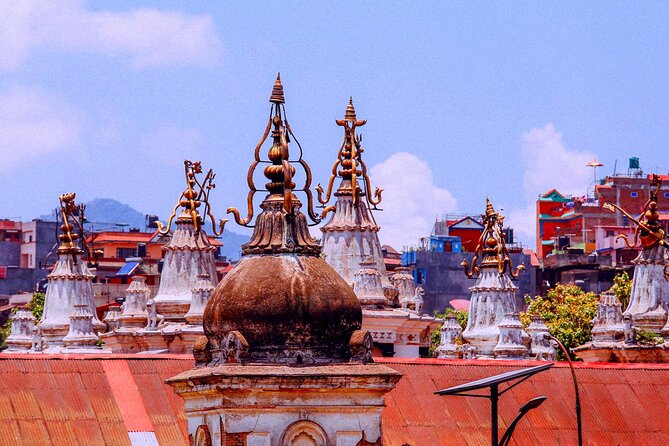
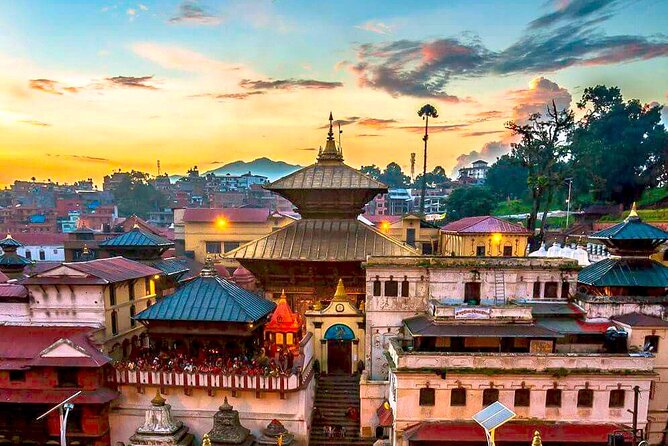
The tour ends back at the temple area for Sandhya Aarati, with about 2 hours allotted. Admission is included, and you’ll be watching a ceremony where priests perform lamp and incense offerings with precise rituals.
This part is also where the energy shifts from instruction to observation of something communal. The tour description says the ceremony is observed by hundreds of local people from Kathmandu, and the vibe is local-first rather than visitor-first. You’re seeing the evening devotional structure that repeats, day after day.
You’ll also witness a Bagmati river bank aarti, described as a beautiful and energetic offering to Shree Pashupatinath. I like that the day isn’t just “temple then cremation.” It closes with the living devotional loop—light, incense, and ritual action—so you finish with a more complete picture of how the riverfront is used by the community.
If you care about respectful viewing: stay close to your guide, follow their cues, and keep your attention on the ceremonial flow. This is one of those places where the real experience is what you do with your eyes, not what your camera can catch.



Price and value: what $90 buys (and what it doesn’t)
The price is $90 per person for a 4–5 hour tour. To me, the value depends on two things: guidance quality and what’s covered.
What you get included:
- Bottled water
- Private transportation
- All fees and taxes
- Expert guides
Not included:
- Tips for guide and driver
- Donations or offerings to sadhus or temples
That inclusion list matters. Temple-area tours often nickel-and-dime you with extra entrance fees or transportation costs. Here, the essentials are bundled, which helps you budget calmly.
Also, the tour notes group discounts and says it’s private (your group only). If you’re traveling with friends or family, it may make the price feel even better per person. If you’re alone, it still can be worth it because the guide’s time is the product.
One more timing reality: the start is 2:00 pm, and the tour runs into the evening. That’s great if you’re tired of half-day “just photos” plans and you want the ceremonial light of a ritual time slot.
Logistics that make the experience smoother (without stealing your focus)
This tour has a few practical advantages that add up:
- Mobile ticket: less fiddling on your phone at the start.
- Pickup offered: easier than trying to coordinate on your own in a busy area.
- Public toilet: useful during longer stretches.
- Near public transportation: helpful if your day’s plans change.
- Confirmation at booking: reduces uncertainty before you arrive.
And yes, service animals are allowed, and most travelers can participate. If you have health or mobility limits, consider that you’ll be walking around active temple and riverfront areas, so wear comfortable footwear and plan for uneven footing. The tour doesn’t mention special equipment, so don’t assume it will be tailored for heavy physical constraints.
Who should book this tour, and who should think twice
This is a strong match if you:
- Want a serious, meaning-focused look at Hindu practice in Kathmandu
- Prefer guided interpretation over wandering alone
- Are curious about how life, death, and ritual connect in one sacred space
It’s a weaker fit if you:
- Want a light, purely scenic outing
- Feel strongly uneasy about cremation rites and live cultural explanations
- Don’t like emotionally intense places, even if they’re explained respectfully
I also think it suits travelers who ask questions. More than once, visitors praised the guides for answering patiently and meeting the group’s interests—so your curiosity is welcome here, not a nuisance.
Should you book the Pashupatinath in-depth temple, crematoria, and Aarati tour?
If you want the Kathmandu headline that actually feels like Kathmandu, book it. The tour’s value comes from pairing the temple sights with the crematoria context and ending with Sandhya Aarati. That combination gives you a full arc: worship, ritual of life’s end, and evening devotion.
Before you decide, weigh one honest question: can you handle the crematoria stop with a respectful mindset? If yes, this $90 experience is a smart buy because the guide-led explanations and included transport/fees reduce friction and help you understand what you’re seeing.
If you still feel unsure, consider scheduling this on a day when you’re not already exhausted. This isn’t a quick stop; it’s a complete spiritual experience that takes mental energy.
FAQ
How long is the Pashupatinath Temple, crematorium, and Aarati tour?
It runs about 4 to 5 hours.
What time does the tour start?
The start time is 2:00 pm.
Is pickup included?
Pickup is offered, and the tour includes private transportation.
What’s included in the ticket price?
Bottled water, private transportation, all fees and taxes, and expert guides.
Are admission tickets included?
Yes. Admission tickets are included for the temple and crematoria stops.
What is not included?
Tips for the guide and driver, and donations or offerings to sadhus or temples.
Is this a private tour?
Yes. It’s a private tour/activity, and only your group participates.
Do I need to book far in advance?
On average, it’s booked about 53 days in advance.
Is free cancellation available?
Yes. Free cancellation is available up to 24 hours in advance for a full refund.
Are service animals allowed?
Yes, service animals are allowed.