REVIEW · KATHMANDU
10 days Special Nepal Tour Package
Book on Viator →Operated by Welcome Nepal Treks P.ltd · Bookable on Viator
A small Nepal sweep with big range. This 10-day route covers Kathmandu’s sacred sights, the jungle at Chitwan, and the sunrise views around Pokhara without you having to arrange every transfer yourself. I also like that key entrance tickets are included and the itinerary sticks to classic, high-value stops like Pashupatinath, Boudhanath, Swayambhunath, and the one-horned rhino safari.
I do think there’s one consideration: you’ll spend real time on the road. Several days involve long drives between regions, so it’s not a great fit if you hate sitting in a vehicle for hours.
This package works best if you want a guided, comfort-leaning trip with a maximum group size of 15. You’ll travel with a guide for city touring and on-the-ground coordination, and a driver who keeps things moving—an approach that many people find makes Nepal feel less stressful on a first visit.
In This Review
- Key highlights you’ll notice right away
- How a 10-day circuit gives you maximum Nepal per day
- Day 1 in Kathmandu: landing, Thamel, and a gentle start
- Kathmandu sightseeing day: Pashupatinath, Boudhanath, Swayambhunath, and Durbar Square areas
- Day 3: Bhaktapur sightseeing and Nagarkot sunset for Himalayan views
- Chitwan National Park (Days 4–5): rhinos, a canoe ride, and a real jungle rhythm
- Day 4: natural walk to start
- Day 5: jeep safari, canoe time, and ethnic culture
- Day 6: Lumbini’s Buddha birthplace and temple time
- Pokhara (Days 7–8): lakeside evening, Sarankot sunrise, waterfalls, caves, and gorge views
- Day 7: drive in and lakeside hangout
- Day 8: Sarankot early morning, then Pokhara sights
- Day 9: return to Kathmandu with a culture-focused farewell dinner
- Day 10: free time in Kathmandu, plus optional mountain flight
- Hotels and meals: what you’re getting for your money
- Service quality: why guide names matter (Hari and driver Balaram)
- Price and value for a $1,216-per-person plan
- Who should book this, and who might want a different style
- Should you book the 10 Days Special Nepal Tour Package?
- FAQ
- Where does the tour start?
- Is airport pickup and drop-off included?
- What kind of accommodation is included?
- Are sightseeing entrance fees included?
- What meals are included during the trip?
- How large is the group?
- Who provides the guiding?
- Can I add a mountain flight?
- Is there free cancellation?
Key highlights you’ll notice right away
- Airport pickup and drop-off so you start and end with less hassle
- Private vehicle transport throughout the main legs of the trip
- Kathmandu Valley temple and stupa day built around Pashupatinath, Boudhanath, and Swayambhunath
- Chitwan wildlife time with jeep safari plus a canoe ride and a natural walk
- Small group limit (15 travelers) for a calmer feel than big bus tours
- 3-star hotels with breakfast in Kathmandu and Pokhara, plus full-board in Chitwan
How a 10-day circuit gives you maximum Nepal per day
Nepal is one of those places where the “best of” can either feel rushed or feel complete. This plan aims for complete. You get a mix of spiritual Kathmandu (temples, stupas, and Durbar Square areas), a change of pace with Nagarkot’s Himalayan viewing, wildlife time in Chitwan, then the quieter, more reflective stop at Lumbini. Finally, you end in Pokhara with lake time and sunrise views from Sarankot.
The value is in the structure. You’re not just visiting places—you’re moving between them with private ground transport and planned hotel nights, so you’re not constantly renegotiating directions, tickets, and meeting points.
That said, “full” also means “busy.” Expect several early starts (especially around sunset and sunrise) and long driving days between Kathmandu, Chitwan, Lumbini, and Pokhara.
You can also read our reviews of more tours and experiences in Kathmandu.
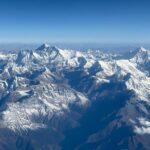
Day 1 in Kathmandu: landing, Thamel, and a gentle start
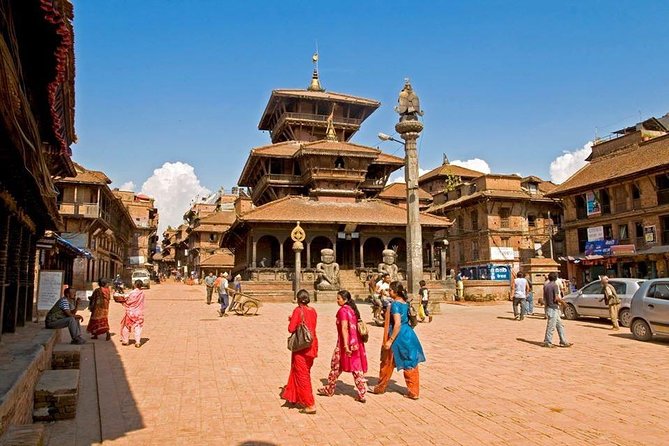
On arrival, you’re met at Tribhuvan Airport and transferred to your hotel. There’s a welcome drink on check-in, then you get a light evening plan: a visit to the tourist market in Thamel.
This matters more than it sounds. Thamel is where you’ll usually find trekking shops, snack stops, and easy navigation. Going there early helps you get your bearings fast—before you start climbing staircases at major temples in the following days.
Practical note: wear comfortable shoes. Even a “market walk” can turn into a lot of steps on uneven streets.
Kathmandu sightseeing day: Pashupatinath, Boudhanath, Swayambhunath, and Durbar Square areas
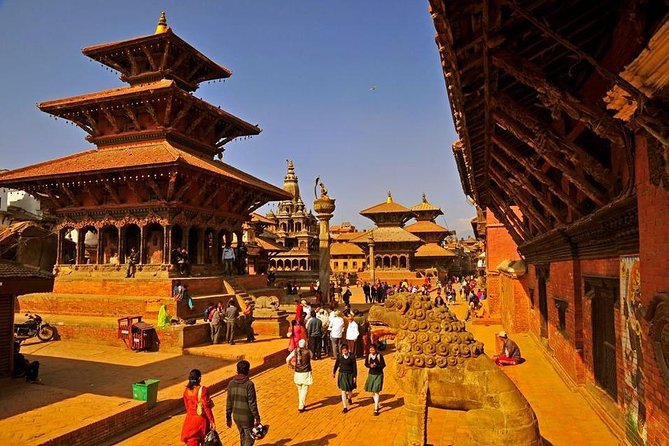
Kathmandu sightseeing is built around three big religious anchors, plus the wider cultural context of the Valley.
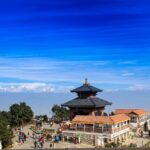
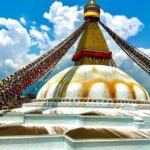
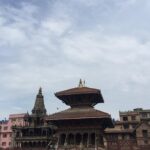
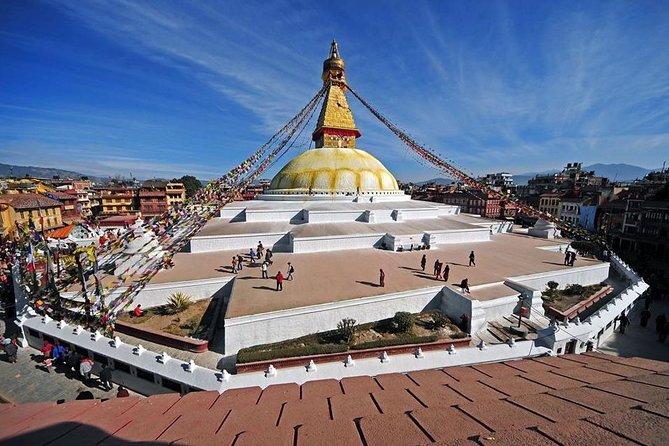
You’ll start with the Pashupatinath area, one of the best-known Hindu temple sites in Nepal. Then you head to Boudhanath Stupa—a huge Buddhist stupa area that gives you that classic Kathmandu stupa-scene vibe. After that comes Swayambhunath Stupa, also known as the Monkey Temple. It’s historic, old, and very photogenic, and yes, you’ll likely see monkeys. Plan for stairs—lots of them.
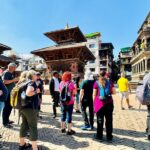
A common question is what the “right” way to visit is. Here’s my advice: go with a calm pace and respect the sacred nature of these spaces. Dress modestly, keep your voice down, and don’t rush just to grab a photo. If you’re sensitive to crowds, focus on quieter angles and take breaks in shade.
Why this day feels worthwhile: you’re seeing three distinct spiritual environments in one organized flow. You also get the benefit of a guide who can explain what you’re looking at, rather than you trying to decode everything from signage.
Day 3: Bhaktapur sightseeing and Nagarkot sunset for Himalayan views
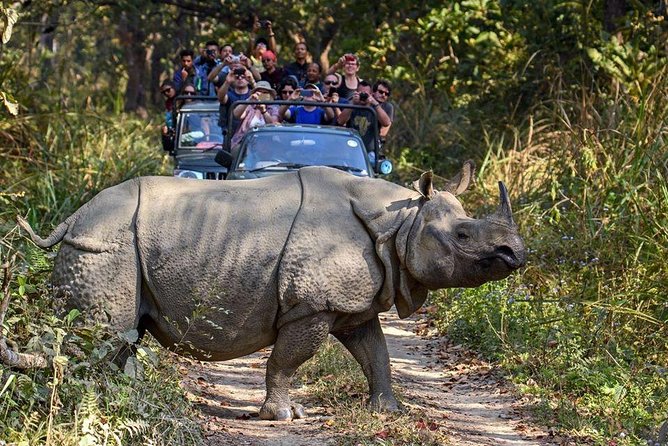
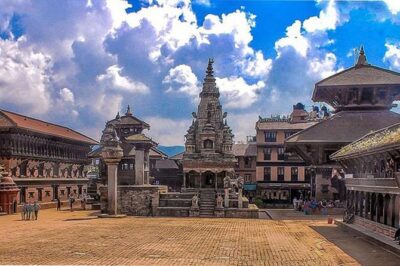
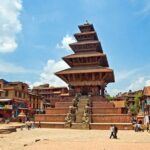
The morning includes Bhaktapur sightseeing. Bhaktapur is the kind of place where details show up in doorways, courtyards, and the way people use their streets. It’s not just a “stop for pictures.” It’s a working cultural city, which makes it feel more grounded than some purely tourist zones.
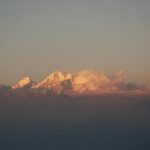
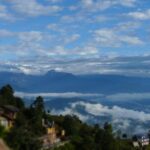
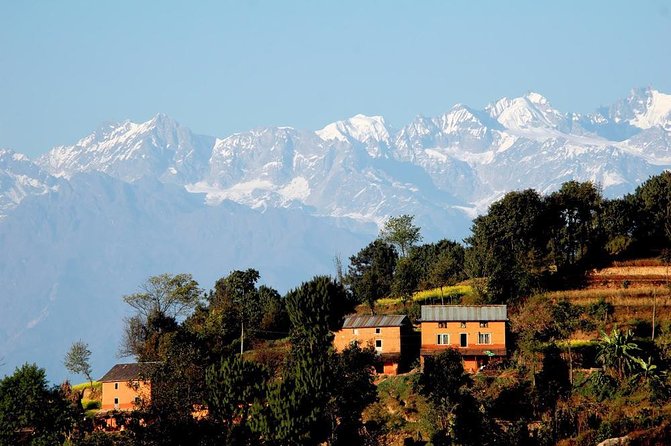
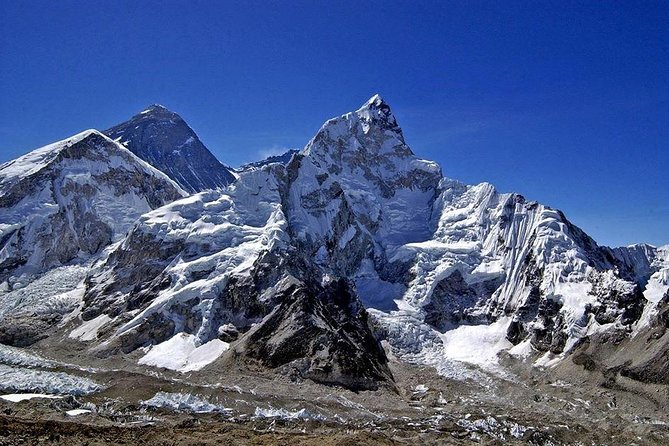
In the evening, you drive to Nagarkot. The goal is sunset and Himalayan views. If the sky is clear, this can be one of those evenings you remember for a long time—thin layers of mountain in the distance and soft light settling over the hills.
Key consideration: weather controls the payoff. Clouds can steal the view, so keep your expectations flexible. Even on a cloudy day, Nagarkot has a calm, elevated feel that can be a welcome change from Kathmandu’s energy.
Chitwan National Park (Days 4–5): rhinos, a canoe ride, and a real jungle rhythm
Chitwan is the big shift in the itinerary. From Kathmandu, you get transported into the former royal hunting area—now a national park built for wildlife conservation. The plan includes two full days of Chitwan experiences, so you’re not just doing a half-day “taste.”
Day 4: natural walk to start
After breakfast, you enter Royal Chitwan National Park. In the evening, you go for a natural walk. This is a good warm-up. You learn what to listen for and how wildlife movement shows up in small clues—calls, tracks, and subtle motion.
Day 5: jeep safari, canoe time, and ethnic culture
The next day ramps up with jungle activities, including a jeep safari aimed at seeing animals such as the one-horned rhino, plus other wild animals and birds. The itinerary also includes a canoe ride down the river late afternoon.
Then there’s time to visit an ethnic culture experience. This is important because Chitwan isn’t only wildlife. It’s also people, traditions, and the way local life connects to the surrounding environment.
What to plan for:
- You’ll likely get dusty in safari areas. Bring something to cover your face if you’re sensitive.
- For the canoe ride, expect it to be more “nature time” than “comfort boat.” Wear clothes you’re okay getting a bit dirty or damp.
The overall benefit of Chitwan here: you get both land (jeep) and water (canoe) viewing, which makes the animal spotting feel more complete.
Day 6: Lumbini’s Buddha birthplace and temple time
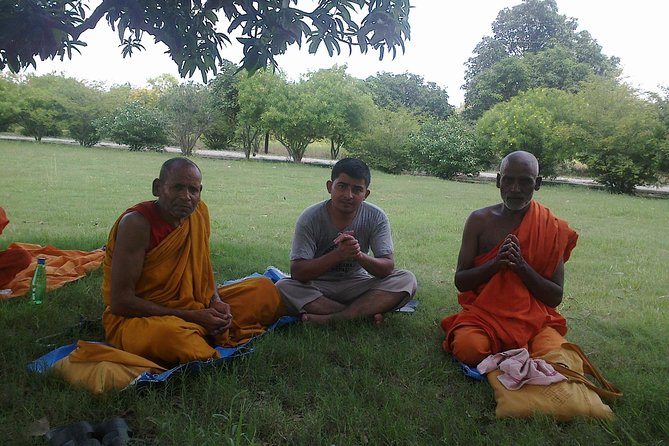
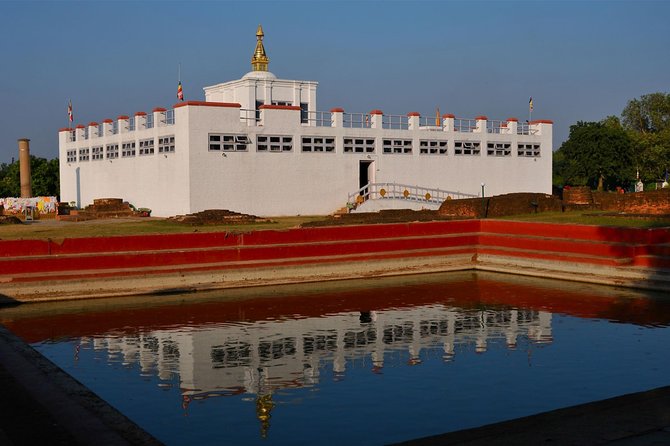
From Chitwan, you drive to Lumbini—about a 5-hour road journey. The afternoon is dedicated to the birth place of Buddha and surrounding temples.
Lumbini often changes your mood. Compared to the action of safari time, this is slower and more reflective. It’s also a strong contrast after several busy travel days.
Practical tip: keep your respect level high. These are active religious sites. Dress appropriately, and move calmly so you don’t disrupt worship or quiet moments.
If you like spiritual travel, Lumbini is a highlight because it gives you a different kind of “meaning” than temples in Kathmandu. It feels more anchored in the Buddha story itself.
Pokhara (Days 7–8): lakeside evening, Sarankot sunrise, waterfalls, caves, and gorge views
Pokhara is where the trip starts feeling scenic and breathable again.
Day 7: drive in and lakeside hangout
After breakfast, you drive to Pokhara. In the evening, you spend time around the lakeside. This is a smart reset day. After Chitwan and Lumbini, even an easy evening helps you catch your breath before more sightseeing.
Day 8: Sarankot early morning, then Pokhara sights
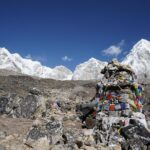
The itinerary schedules an early morning drive to Sarankot for Himalaya views and sunrise. This is a classic move in Pokhara: you trade some sleep for a sky show.
Then you return for breakfast and continue with sightseeing that includes:
- Davis Falls
- Gupteshwar Cave
- Regional Museum
- Seti River Gorge (often viewed from viewpoints)
This is a day packed with variety. You get water features (falls and river gorge), a cave experience, and some indoor context at the museum. It also means a lot of walking and stepping around uneven viewpoints, so keep shoes grippy.
For the cave: wear shoes you trust. Caves can be slippery, and you don’t want to think about footwear while you’re trying to enjoy the experience.
Day 9: return to Kathmandu with a culture-focused farewell dinner
Day 9 is a return drive to Kathmandu, about 5–6 hours. The itinerary notes that on the way you’ll enjoy Himalayas nature, which is one of the reasons this drive can feel like more than just transportation.
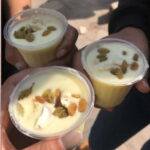
Evening is the fun finish: a farewell dinner with Nepal cuisine and dancing. After days of temple sites and nature, this kind of cultural evening gives the trip a “human” ending. It’s also a chance to share what you liked most with your group and your guide.
If you’re someone who likes to taste food while traveling, treat this dinner as your big Nepal meal. It’s one of the few times you’re not rushing between stops.
Day 10: free time in Kathmandu, plus optional mountain flight
The final day gives you flexibility. After breakfast, you’re free to choose what you do before checkout and departure to the airport.
The plan suggests optional Mountain Flight if you want it at your own expense. If you didn’t get perfect weather for sunrise views on the route, a mountain flight can be an appealing way to still try to see the peaks from above. If you prefer rest and shopping, you can skip it.
Even if you do nothing else, this free time is valuable because it prevents the classic travel problem where you leave Nepal feeling like you never had a real pause.
Hotels and meals: what you’re getting for your money
This package keeps accommodation fairly consistent: 3-star hotels in Kathmandu and Pokhara with morning breakfast. In Chitwan, you get a 2-night/3-day full board package—so meals are handled there in a more bundled way.
Food inclusions listed include 9 breakfasts, 2 lunches, and 3 dinners. You’re also told that other meals, snacks, and mineral water are not included unless they’re specifically mentioned.
This is good to understand ahead of time. Nepal travel costs can spike when you’re forced into buying snacks and bottled water every time you feel hungry. If you like keeping control of spending, plan to budget for extras beyond the included meals.
Also, sightseeing entrances are included according to the program. That’s a quiet but real value. It reduces the number of “wait while we buy tickets” moments and keeps the day moving.
Service quality: why guide names matter (Hari and driver Balaram)
One of the strongest signals from the experience is the human side: the guide and the driver.
A guide named Hari Khadka is repeatedly praised for helpfulness and making sure details are right—good hotel choices, good food, and smooth coordination. The driver Balaram is also highlighted for safe driving and a consistently positive attitude.
Even if you don’t care about hearing names, this kind of service pattern matters. In a country where traffic patterns and meeting points can be unpredictable, having a dependable driver and a responsive guide can turn a potentially stressful trip into a relaxed one.
Price and value for a $1,216-per-person plan
At $1,216 per person for about 10 days, you’re paying for more than a list of sights. You’re paying for:
- private ground transport for the main legs
- 3-star hotel nights in Kathmandu and Pokhara (with breakfast)
- a multi-day Chitwan package with full board
- city guiding and program-based entrance fees
- several included meals and at least one cultural dinner setup
Could you do Nepal for less if you plan independently? Possibly. But this price is designed for travelers who want structure and want to avoid the “I hope I can figure this out on my own” stress.
The value gets especially clear when you think about the distances between regions. Kathmandu to Chitwan and then onward to Lumbini and Pokhara isn’t a quick hop. Private vehicle logistics and arranged stops reduce friction.
Your side of the bargain: you’ll still want to cover personal extras like additional lunches/dinners, snacks, and mineral water unless they’re listed in your plan.
Who should book this, and who might want a different style
This tour is a strong match if you:
- want a classic Nepal highlights route in one trip
- prefer private transport over piecing together multiple tickets
- like having guides for temple interpretation and smooth timing
- enjoy wildlife days and sunrise view days
- appreciate a small group cap of 15
It might not be the best fit if you:
- hate long drive days
- want lots of free time every day to explore on your own
- dislike early mornings (Sarankot sunrise is a scheduled priority)
- have a very limited tolerance for walking stairs and uneven areas (temples and caves involve it)
Should you book the 10 Days Special Nepal Tour Package?
I’d book it if you want a guided “best-of” Nepal that covers Kathmandu, Chitwan, Lumbini, and Pokhara without you managing the moving parts. The itinerary has built-in variety, and the inclusion of entrance tickets plus private transport makes the days feel efficient rather than chaotic.
If you want to travel at your own pace day-by-day and you enjoy independent planning, you might find you can lower costs elsewhere. But if you’d rather trade extra planning for comfort and dependable coordination, this is the kind of package that lets you spend your energy on temples, rhinos, and mountain light instead of logistics.
If you do book, pack for stairs and early mornings, and keep some flexibility for weather—especially for Nagarkot and Sarankot.
FAQ
Where does the tour start?
The tour starts at Tribhuvan Airport in Kathmandu, Nepal, with airport pickup arranged for your arrival.
Is airport pickup and drop-off included?
Yes. Airport pickup and drop-off service is included.
What kind of accommodation is included?
You’ll stay in 3-star hotels in Kathmandu and Pokhara with morning breakfast. Chitwan is included as a 2-night/3-day full board package.
Are sightseeing entrance fees included?
Yes. All sightseeing entrance tickets according to the program are included.
What meals are included during the trip?
The package includes 9 breakfasts, 2 lunches, and 3 dinners. Any other meals, snacks, and mineral water are not included unless they are mentioned in the itinerary.
How large is the group?
The tour has a maximum of 15 travelers.
Who provides the guiding?
A city guide is included for the Kathmandu city tour, and the tour is organized with ground coordination throughout.
Can I add a mountain flight?
There is free time on Day 10 where you can take a mountain flight as an optional extra expense.
Is there free cancellation?
Yes. You can cancel up to 24 hours in advance for a full refund. Changes within 24 hours of the start time are not accepted.
If you tell me your travel dates and whether you’re more into temples, wildlife, or views, I can also suggest the best “flexibility moments” to plan around inside this itinerary.