REVIEW · KATHMANDU
Explore Kathmandu in 2 Days: UNESCO Sites & Nagarkot Sunrise Tour
Book on Viator →Operated by Attractive Travels and Tours Pvt. Ltd. · Bookable on Viator
Dawn in Nagarkot changes Kathmandu’s mood. This 2-day loop links major Kathmandu Valley UNESCO highlights with hilltop Himalayas views before the city fully wakes up. I like the way the plan mixes temple power, stupa calm, and Newar craftsmanship in one tight schedule.
I also like that the tour includes pickup and drop plus a real guide to explain what you’re looking at while you hop between sites. One drawback to plan around: the day starts early for Nagarkot, and UNESCO entrance fees are not included, so you’ll want to budget cash on hand.
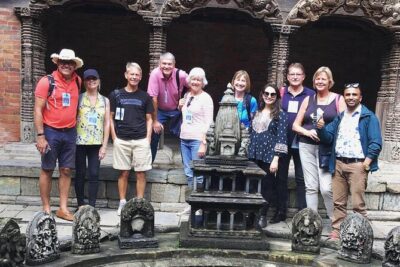
In feedback, the guide name Prakash comes up often, with notes about being on time and making the temples feel easier to understand (and yes, fun). If you enjoy structure and a friendly pace more than wandering on your own, this format fits well.
In This Review
- Key things to know before you go
- A 2-day Kathmandu Valley + Nagarkot plan that feels efficient, not rushed
- Price, entrance fees, and what you should budget beyond the $100
- Day 1: Pashupatinath and Boudhanath set the tone for Kathmandu Valley
- Pashupatinath Temple (Shiva temple and riverfront rituals)
- Boudhanath Stupa (Tibetan-influenced Buddhist devotion)
- Swayambhunath (Monkey Temple views from a hilltop)
- Patan Durbar Square and the Golden Temple: Newar craft at its best
- Patan Durbar Square (Malla-era architectural peak)
- Golden Temple / Hiranya Varna Mahavihar
- Boudha Stupa Thanka Center (short art stop, free entry)
- The included cultural add-ons you should actually use
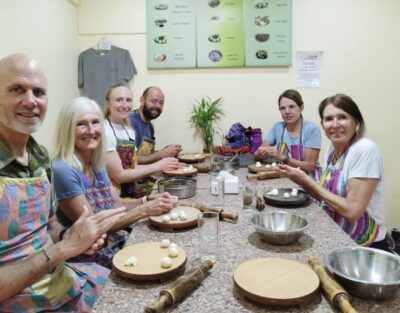
- Traditional Thanka art school visit
- Singing and healing bowl center
- Day 2: Nagarkot sunrise and Himalayas views before the city day begins
- How to make the sunrise stop work for you
- Bhaktapur Durbar Square and Nyatapola: a quieter kind of wow
- Bhaktapur Durbar Square (4 major squares)
- Nyatapola Temple (tall pagoda style)
- Dattatreya Temple and Pottery Square
- What made this tour rate 5 out of 5: pacing, communication, and Prakash
- Who this tour suits (and who should tweak their plans)
- Should you book this Kathmandu 2-day UNESCO and Nagarkot sunrise tour?
- FAQ
- What’s included in the Kathmandu UNESCO and Nagarkot tour price?
- Are meals included?
- Do I need to pay UNESCO entrance fees?
- What time does the Nagarkot sunrise part start?
- Is this tour private?
- Can I cancel for a full refund?
Key things to know before you go
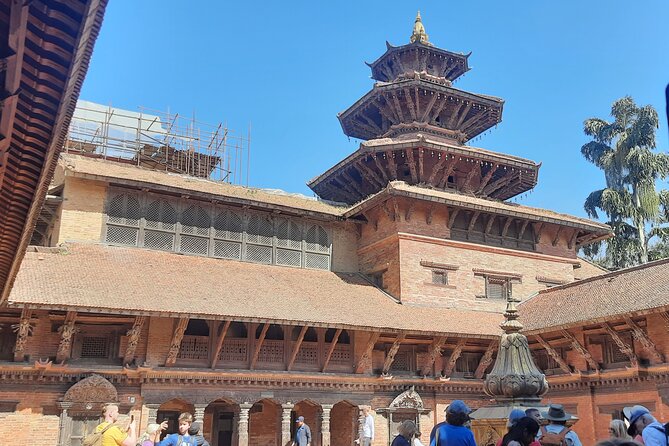
- UNESCO sites are the core theme across Kathmandu Valley and the UNESCO Bhaktapur stop
- Nagarkot pickup timing matters since the sunrise departure is around 4am
- You get guided context, not just a checklist of temples
- Art stops are short but real, including a Thanka art school visit
- Entrance fees are separate, so don’t assume everything is covered in the $100 price
A 2-day Kathmandu Valley + Nagarkot plan that feels efficient, not rushed
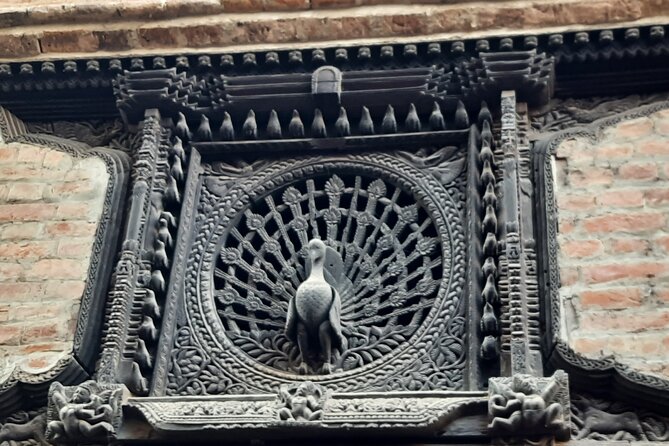
Kathmandu can feel chaotic if you try to do everything solo. This tour’s big advantage is that it turns a scattered set of spiritual sites into a clear route, with an included guide and tourist-car transport. In two days you’ll see the places most first-timers go for a reason: sacred Hindu temples, deep Buddhist practice at stupas, and the distinct craft style of Newar artisans.
The “value” here isn’t just the number of stops. It’s the way the schedule groups similar experiences together. Day 1 leans spiritual and architectural—temples, stupas, and Durbar Square heritage. Day 2 shifts to nature and perspective with Nagarkot sunrise, then rounds out the day in Bhaktapur’s historic squares and temples.
If you like your travel with momentum, but you still want someone to help you decode what you’re seeing, this itinerary makes sense. If you prefer slow mornings and flexible roaming, you might feel the time pressure—especially on the Nagarkot morning.
You can also read our reviews of more tours and experiences in Kathmandu
Price, entrance fees, and what you should budget beyond the $100
The headline price is $100 per person, and the tour includes pickup and drop by tourist car, a professional guide, bottled water, and listed cultural stops like Thanka art and a singing/healing bowl center.
But the important cost item is the UNESCO entrance fee. The tour states an additional fee for 5 UNESCO World Heritage Sites: NPR 4600 or USD 35 per person. That means your true spend is more like $135 plus meals and tips.
Meals are on you. The tour specifically notes that travelers need to pay for food and drinks themselves. Gratuities are expected through Nepal’s tipping system, so I’d plan on a tip for your guide (and possibly driver) even if there’s no set amount stated.
Here’s the practical way I think about it: if you’re paying for the guide and transport anyway, the UNESCO fee is the main add-on you can’t ignore. The rest—water, art visits, and cultural activities—are included and help turn the money into real experience time rather than just logistics.
Day 1: Pashupatinath and Boudhanath set the tone for Kathmandu Valley
Day 1 is heavy on spiritual landmarks, and that’s a good thing. These sites aren’t interchangeable. Each one has a different vibe: Hindu cremation rituals by the Bagmati River, Buddhist devotion around a giant stupa, and panoramic city views later from a hilltop temple.
Pashupatinath Temple (Shiva temple and riverfront rituals)
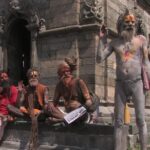
Pashupatinath Temple is a major Hindu site, famous for its big Shiva temple presence and its open cremation ceremony along the bank of the Bagmati River. If you come curious and respectful, you’ll understand why it’s such a powerful place to witness what religion looks like in everyday life.
Practical note: this stop runs about 2 hours. You’ll want comfortable clothing and shoes you can manage on uneven temple areas. Also, expect the atmosphere to be solemn. This isn’t a “photo-op only” stop if you want to experience it well.
Boudhanath Stupa (Tibetan-influenced Buddhist devotion)
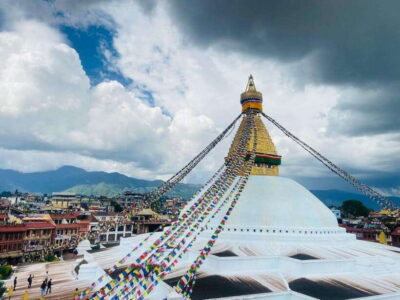
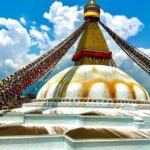
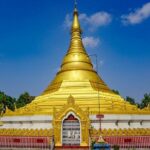
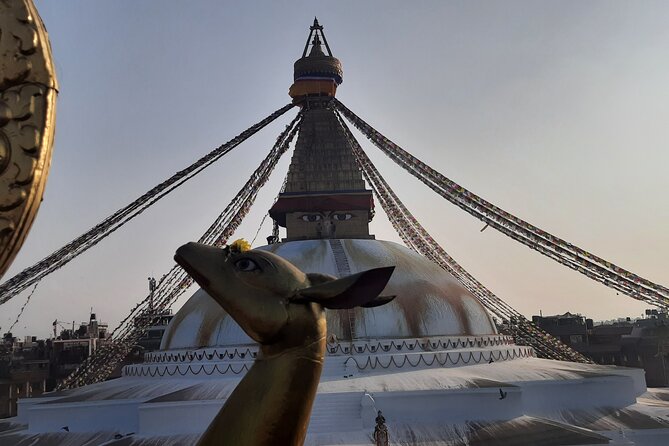
Next comes Boudhanath Stupa, described with strong Tibetan cultural influence. The key feeling here is the stupa’s scale paired with the monasteries around it. It’s the kind of place where you can watch monks, pilgrims, and quiet routines orbit around the monument.
This is another ~2-hour stop, which is enough time to circle the stupa area at a comfortable pace rather than rushing through. If you’re sensitive to crowds, you might want to spend extra time near the edges where it’s less intense.
You can also read our reviews of more tours and experiences in Kathmandu

Swayambhunath (Monkey Temple views from a hilltop)
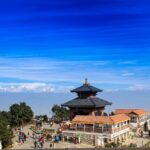
Then it’s up to Swayambhunath, also known as the Monkey Temple. You climb long stairs to reach the main stupa, so your legs get a workout before you enjoy the views. Expect a mix of activity around the hilltop and that classic Kathmandu feeling of temples perched above the city.
Because this is a timed stop of about 2 hours, it works well if you like having time to climb, look around, and settle your photos without panicking about the next pickup.
Patan Durbar Square and the Golden Temple: Newar craft at its best
After Kathmandu’s riverfront and stupa culture, Day 1 switches gears into Newar architecture through Patan Durbar Square (Lalitpur). If you’re the kind of traveler who cares about how buildings look and were made, this part is where the details pay off.
Patan Durbar Square (Malla-era architectural peak)
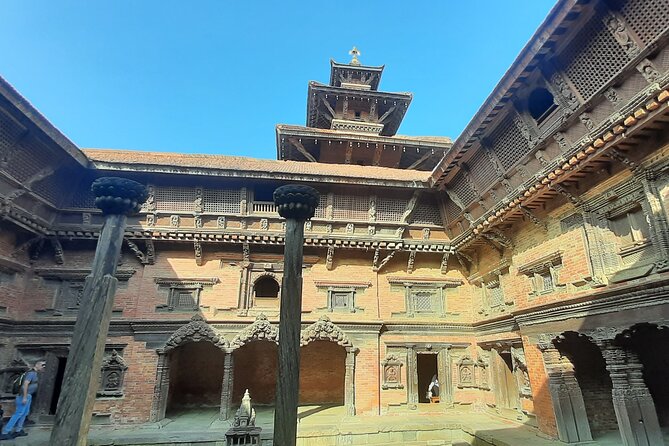
Patan Durbar Square is presented as a centerpiece of Newari architecture. The explanation focuses on wooden and stone carvings, and on the Malla kings as major patrons of arts and architecture. You’ll see temple walls layered with Hindu and Buddhist idol carvings, plus the famous wood-carved window designs associated with centuries of Newar craftsmanship.
This stop is listed as about 2 hours. It’s long enough to notice carvings rather than just admiring the overall square. If you want to slow down, you can, but don’t feel obligated to examine every corner—this area is huge in detail.
Golden Temple / Hiranya Varna Mahavihar
Right after, the tour includes the Golden Temple, known by its real name Hiranya Varna Mahavihar, with the front part plated in golden colour. The short stop is listed at about 30 minutes. That’s actually a sweet spot: long enough to appreciate the façade, and short enough to keep energy for the next segment.
Boudha Stupa Thanka Center (short art stop, free entry)
The final stop on Day 1 is the Boudha Stupa Thanka Center, including a Thanka painting art school visit. The tour description notes painting on cotton clothes using natural colours, with designs like mandala, wheel of life, Buddha life story, and single-point meditation painting.
This stop is listed at about 20 minutes and described as free. Even if you’re not buying anything, it’s a good cultural reset at the end of a temple-heavy day.
The included cultural add-ons you should actually use
Two items in the included list matter because they’re not just “extra stops.” They give context for how religion and culture get practiced and transmitted.
Traditional Thanka art school visit
Thanka art isn’t only decoration. The designs connect to Buddhist themes and meditation practice. Having a quick educational visit helps you see why the patterns are repeated across temples and traditions.
Singing and healing bowl center
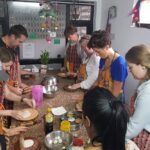
The tour also includes a singing and healing bowl center. You won’t get much detail about what happens inside from the basic itinerary text, but the fact that it’s included suggests it’s planned as part of the day rather than a surprise detour. If you like calm, sensory experiences after busy landmarks, this can be a nice counterbalance.
Day 2: Nagarkot sunrise and Himalayas views before the city day begins
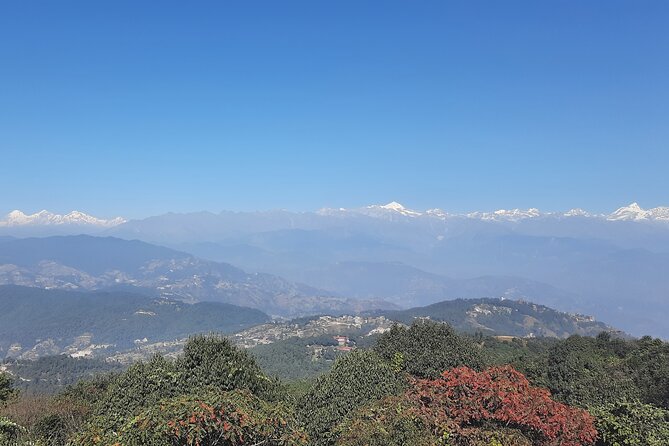
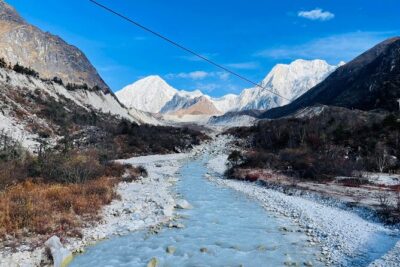
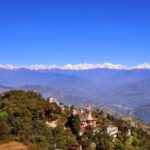
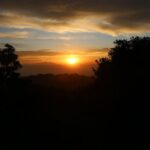
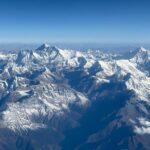
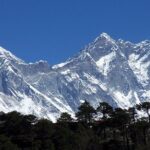
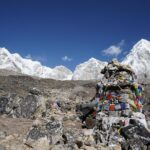
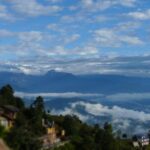
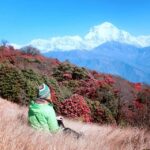
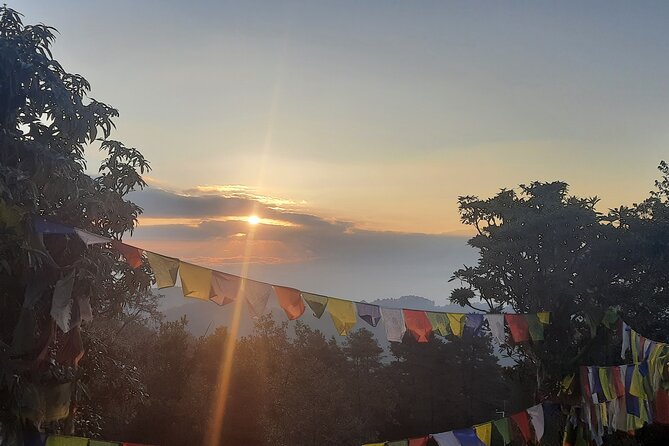
Day 2 starts early, and it’s the most dramatic part of the entire itinerary. Around 4am, you head from Kathmandu to Nagarkot Hill (about 1 hour 30 minutes drive, around 35 km). The goal is sunrise and Himalayas views, with mention of Mt. Everest and other mountains.
This is listed as a 3-hour window with free admission. That time matters because sunrise viewing isn’t a quick glance. You need time to arrive, get your bearings, and wait for light. Even if weather limits what you see, the high-morning quiet often feels like its own reward.
How to make the sunrise stop work for you
The tour schedule is built around a strict morning window. To make it enjoyable rather than stressful, I’d treat it like a mini expedition:
- Wear layers for early cold (it’s Kathmandu, but mornings on hilltops can feel chilly)
- Keep your phone and camera battery warm
- Be ready to stand and wait, even if clouds move in
The itinerary also mentions views of Kathmandu Valley and Bhaktapur from Nagarkot, so you’ll likely get a sense of where everything sits relative to the valley’s shape.
Bhaktapur Durbar Square and Nyatapola: a quieter kind of wow
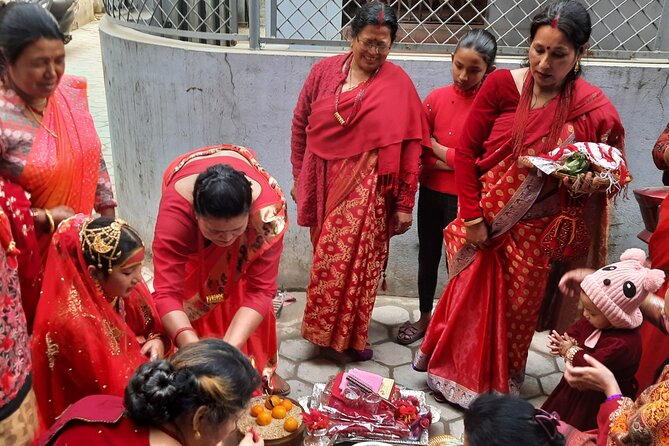
After breakfast, the tour continues with Bhaktapur Durbar Square and nearby stops. Bhaktapur is described as an ancient city known as a city of devotees and sometimes called a live museum. It’s also known for multiple major squares, which is exactly what you want after the steady flow of Day 1.
Bhaktapur Durbar Square (4 major squares)
The stop is listed as about 2 hours. The plan focuses on observing four major squares, which helps you avoid the common problem in historic cities: seeing one courtyard and missing the broader layout.
You’re likely to notice the density of temples and craft details, and it tends to feel less frantic than Kathmandu because the experience is more about staying in one historic zone.
Nyatapola Temple (tall pagoda style)
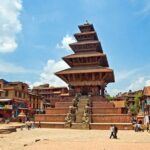
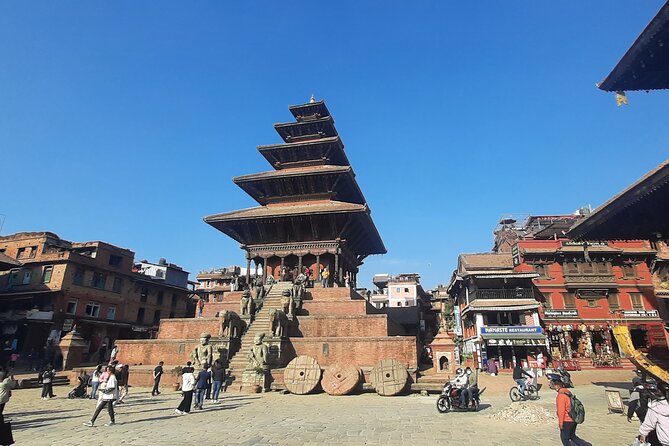
Next is Nyatapola Temple, described as the tallest temple in Bhaktapur and dedicated to Goddess Siddhi Laxmi. It’s also described as a Nepali style pagoda example, with the nearby Bhairab Temple mentioned.
This is a short stop (about 20 minutes). It’s long enough for photos, quick context, and a respectful look upward without turning it into a long detour.
Dattatreya Temple and Pottery Square
Then you’ll visit the Dattatreya Temple, dedicated to God Dattatreya, described as a mixed incarnation of three major Hindu gods: Brahma, Vishnu, and Shiva. After that comes the Pottery Square, where pottery is made by hand and you can pick up souvenirs from Bhaktapur.
Both of these are brief (about 20 minutes each), but the pairing works: a religious stop, then a craft stop. If you enjoy taking home one small reminder of place, this is where it happens without needing extra time.
What made this tour rate 5 out of 5: pacing, communication, and Prakash
The standout theme from feedback is how smoothly the trip runs. People highlighted that the team is on time, communicates well, and that the guide makes a difference.
Prakash is named in the feedback as someone who brought energy and humor, not just lectures. That matters on a tour like this because you’ll be surrounded by carvings, rituals, stupas, and names. A good guide helps you connect details into a story you can actually remember.
It’s also clear the tour hits a good rhythm: enough time at each site (usually around 2 hours), plus shorter stops where you need a quick hit like Golden Temple or Nyatapola.
Who this tour suits (and who should tweak their plans)
This is best for you if:
- You want UNESCO sites with guided context rather than solo wandering
- You like a structured plan with pickup and transport handled
- You’re okay with an early morning for sunrise views
- You enjoy cultural stops like Thanka art and the bowl center
I’d be careful if:
- You hate mornings that start early (Nagarkot is around 4am)
- You’re trying to keep costs ultra-low, since UNESCO entrance fees and meals are extra
- You prefer a lot of free time with no schedule pressure
If your ideal vacation is slow and spontaneous, you might prefer a private, more flexible day plan. But if you want two days that hit the big icons without losing half a day to logistics, this one fits.
Should you book this Kathmandu 2-day UNESCO and Nagarkot sunrise tour?
I think this tour is a strong choice if you want the highlights of Kathmandu Valley UNESCO plus a real chance at sunrise views from Nagarkot. The inclusion of pickup, a professional guide, water, and cultural stops like Thanka art and a bowl center makes it feel like more than a basic transport service.
Before you book, do two quick reality checks:
- Budget for the separate UNESCO entrance fees (about USD 35) and plan for meals and tips
- Commit mentally to the 4am Nagarkot start, since that’s the moment the itinerary becomes a challenge
If those two points work for you, you’ll likely love how the trip strings together temples, stupas, and craft—then rewards you with mountain light on a hilltop.
FAQ
What’s included in the Kathmandu UNESCO and Nagarkot tour price?
The tour includes hotel pickup and drop by tourist car, a professional guide, a traditional Thanka art school visit, a singing and healing bowl center, and a bottle of water per person.
Are meals included?
No. Meals and drinks are not included, so you’ll pay for food and beverages yourself during the tour.
Do I need to pay UNESCO entrance fees?
Yes. Entrance fees for 5 UNESCO World Heritage Sites are not included. The tour lists the fee as NPR 4600 or USD 35 per person.
What time does the Nagarkot sunrise part start?
The tour mentions leaving for Nagarkot early in the morning, around 4am, with about a 1 hour 30 minute drive from Kathmandu.
Is this tour private?
Yes. It’s described as a private tour/activity, meaning only your group participates.
Can I cancel for a full refund?
Yes. It offers free cancellation, with a full refund if you cancel up to 24 hours in advance of the experience’s start time.