REVIEW · KATHMANDU
Kathmandu World Heritage Full Day Culture Tour
Book on Viator →Operated by Himalayan Planet Adventures · Bookable on Viator
Four UNESCO stops, one smooth day. This Kathmandu World Heritage full-day culture tour strings together major UNESCO sights with a private guide who explains what you’re seeing as you go—so the day feels less like a checklist and more like a real story of Kathmandu Valley.
I especially like how the route covers both Hindu and Buddhist landmarks in the same timeframe, and how you get meaningful context at places you might otherwise just snap photos at. One watch-out: entry fees are not included (about USD 20 per person), and you’ll spend time walking and climbing, including long stairs at Swayambhunath.
In This Review
- Key things to know before you go
- A one-day UNESCO hit list you can actually manage
- Pickup and private transport: fewer headaches, more viewing time
- Stop 1: Swayambhunath (Monkey Temple) and that climb up
- Tips that make Swayambhunath easier
- Stop 2: Kathmandu Durbar Square—temples, royal spaces, and quick photos with meaning
- Kumari Chowk: a short stop with big cultural weight
- Kaal Bhairab: the powerful open-air statue moment
- Stop 5/6: Pashupatinath Temple—Hindu sacred space with guided focus
- What to watch for at Pashupatinath
- Stop 7: Boudhanath Stupa—Buddhist calm after the Hindu intensity
- Why the guide still helps at Boudhanath
- Price and value: what USD 105 buys you
- Practical tips that actually help on holy-site days
- 1) Plan around the stairs
- 2) Expect a long day with limited food time
- 3) Dress for respect
- 4) Bring patience for crowds
- 5) Weather matters
- Who should book this Kathmandu Valley culture tour?
- Should you book it or not?
- FAQ
- How long is the Kathmandu World Heritage Full Day Culture Tour?
- What UNESCO sites are included in this full-day route?
- Is hotel pickup included, and where does pickup happen?
- Do I need to pay an entry fee?
- Is food or drinks included?
- What kind of guide and transportation do I get?
- Is this tour private or shared with other people?
- Does the itinerary include time for photos and explanations?
- What happens if weather is bad?
- Can I cancel for free?
Key things to know before you go
- Private, in-car comfort: hotel pickup and drop-off from inside the Ring road plus a dedicated vehicle for your group.
- Four UNESCO World Heritage sites in one day: Kathmandu Durbar Square, Swayambhunath, Boudhanath, and Pashupatinath.
- Guide-led timing: you get guided time at each stop rather than free-for-all browsing.
- Expect stairs and crowds: Monkey Temple involves a lot of steps, and holy sites can get busy.
- Food isn’t included: plan for meals or snacks on your own during the long day.
- Real guide quality: past groups highlighted guides like Rabina and Rishi for being friendly, knowledgeable, and photo-friendly.
A one-day UNESCO hit list you can actually manage
Kathmandu Valley is huge on sacred sites. The trick is choosing a route that makes sense for first timers, not just for “people who love walking all day.” This tour works because it’s built around four UNESCO World Heritage locations that tell different parts of the Kathmandu story—royal power, living religious tradition, Hindu devotion, and Tibetan-influenced Buddhism.
You’ll start early enough to feel like the day has momentum, and you’ll move between sites by private vehicle rather than relying on figuring out transport on your own. That matters if you want to spend your energy looking at temples and stupas, not studying maps between them.
It also helps that you’re not stuck with a crowded group dynamic. The tour is private, so your guide can pace you. If you prefer quieter photo time or you want your questions answered, you’re more likely to get it.
You can also read our reviews of more historical tours in Kathmandu

Pickup and private transport: fewer headaches, more viewing time
Hotel pickup is included, but it’s specifically inside the Ring road. That’s a big practical detail. If your hotel is outside that zone, you’ll need to confirm how pickup works before booking.
Once you’re in the vehicle, the plan is straightforward: you’ll be driven between each UNESCO site and dropped close enough to get started quickly. The day still involves walking—just not the kind of walking where you’re constantly searching for the next entrance or waiting on long rides.
One more logistics note: after booking, you’re asked to contact the local operator to confirm your pickup location. It’s a small step, but it can save time on the day. Do it as soon as you have your confirmation.
Stop 1: Swayambhunath (Monkey Temple) and that climb up
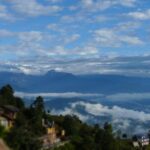
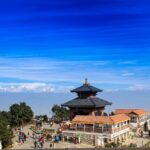
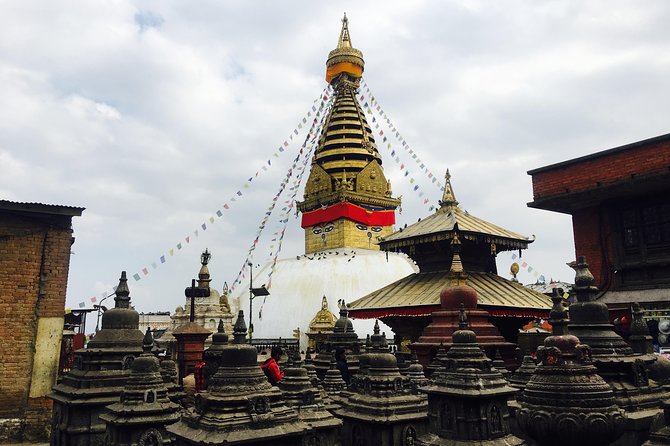
Swayambhunath is often called the Monkey Temple, and you’ll see why once you arrive. The defining experience here is the approach: the long stair climb and the sense that the whole hillside is part of a living religious site.
Plan to use the hour you’re given well. If you rush, you’ll miss the main thing: you’re walking through layers of temple spaces on the way up, not just climbing for a view. The guide’s role is helpful because you’ll understand what you’re looking at beyond the obvious religious symbolism.
Tips that make Swayambhunath easier
- Wear footwear you’re comfortable walking in, because the stairs can add up.
- If monkeys are active (they often are), keep an eye on bags and phone straps.
- Think of the viewpoint as your reward for the climb, not the only target.
This is also where you’ll feel the day’s pace. It’s the first major stop, so it sets the tone: a big cultural start, then a series of impressive sites.
Stop 2: Kathmandu Durbar Square—temples, royal spaces, and quick photos with meaning
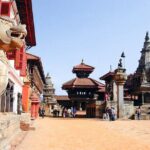
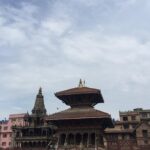
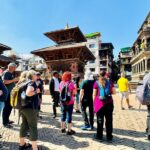
Kathmandu Durbar Square is one of those places where your eye keeps catching details. It’s home to almost 60 temples and includes the old royal palace area and a museum. It’s also where you may spot the Kumari, the Living Goddess of Kathmandu—though what you see depends on circumstances during your visit.
You get guided time here—about an hour—so you’re not just walking between scattered buildings trying to guess what’s important. A good guide helps you sort out:
- what’s part of the royal complex,
- which temple elements matter most visually,
- and what the Kumari connection means culturally.
You can also read our reviews of more tours and experiences in Kathmandu
Kumari Chowk: a short stop with big cultural weight
After Durbar Square, the tour includes Kumari Chowk. This is a short guided visit (around five minutes) to the sacred courtyard and residence associated with the Royal Kumari. The entry at this point is noted as free, which can be a nice bonus if you’re watching costs.
Even with a short visit, the point is clear: you’re not spending the day only on architecture. You’re learning how Kathmandu’s living traditions fit into the same historic spaces.
Kaal Bhairab: the powerful open-air statue moment
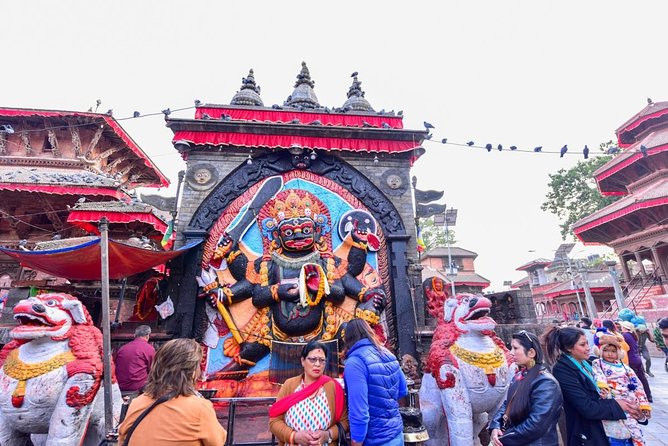
In the Durbar Square area, you’ll also get time at Kaal Bhairab. This is described as a massive open-air statue of Kala Bhairav, the Black Bhairav—an imposing figure and one of the stronger visual anchors of the square.
The time you get here is around 15 minutes. That’s usually just enough to see the statue properly from multiple angles, take a few photos, and let the symbolism sink in when your guide explains what to watch for.
This stop is a good example of why having a guide matters. Without context, it’s easy to treat it like another dramatic sculpture. With context, it becomes part of the broader Hindu religious landscape you’re seeing throughout the day.
Stop 5/6: Pashupatinath Temple—Hindu sacred space with guided focus
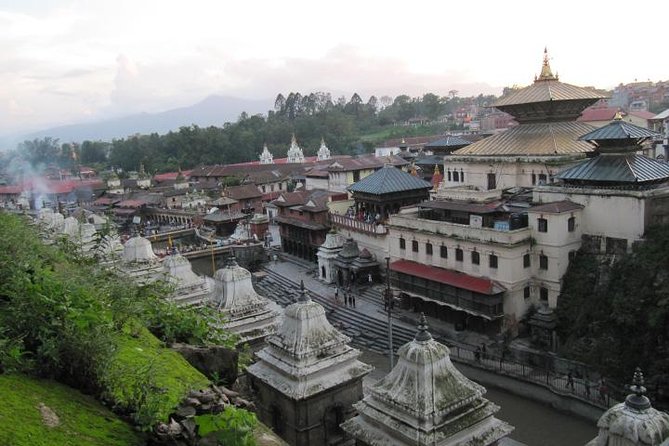
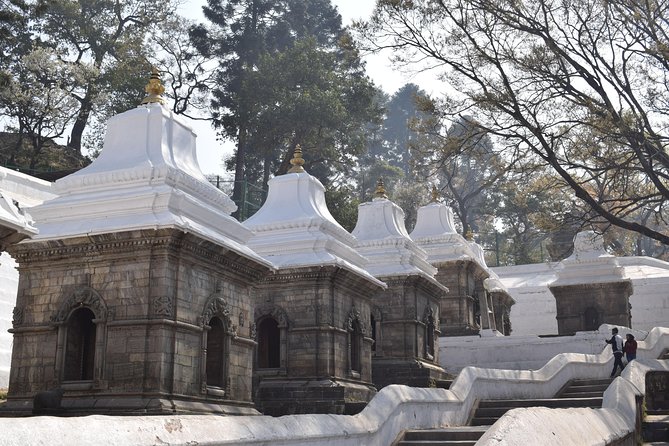
Pashupatinath is Nepal’s most sacred Hindu site and a UNESCO World Heritage landmark. The tour gives you about an hour total for the guided experience here, with a note that one portion is marked as admission free while another is listed as not included. The takeaway for you is simple: budget for entry fees overall (the tour lists around USD 20 per person), but expect that certain segments might not require the same ticket.
What makes Pashupatinath worth a guided stop isn’t just the big name. It’s the way sacred Hindu spaces work in real life: active devotion, symbolic details, and strict expectations around respect and behavior. A guide helps you avoid common mistakes, like where to stand for views, what not to photograph closely, and how to understand what the rituals and architecture represent.
What to watch for at Pashupatinath
- Dress and behavior matter. Treat it like a working sacred site.
- Give yourself time to pause. The most meaningful moments here often come from simply watching how people move through the space.
- Let your guide set the pace so you don’t feel rushed through something important.
If you only have one day to cover Kathmandu’s sacred heritage, Pashupatinath is one of the must-visit anchors.
Stop 7: Boudhanath Stupa—Buddhist calm after the Hindu intensity
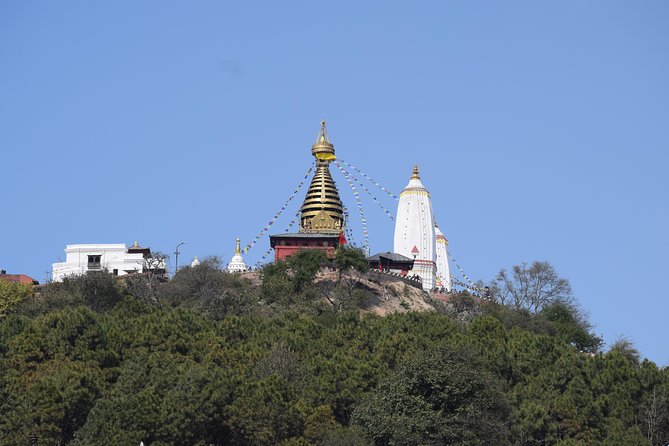
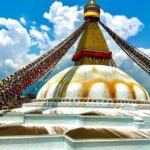
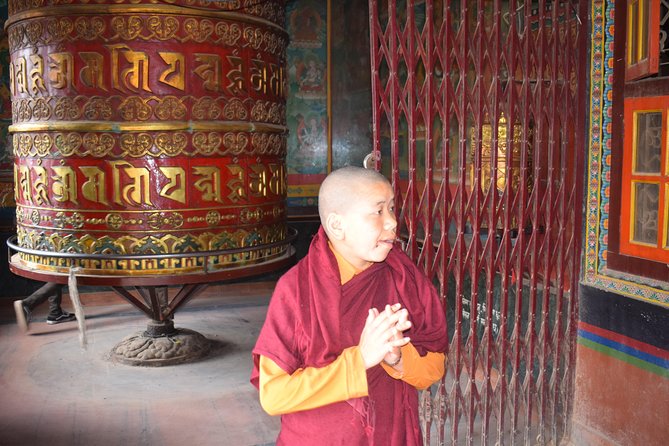
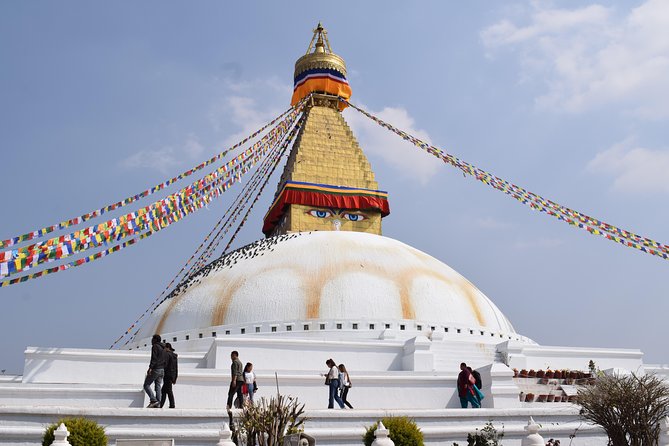
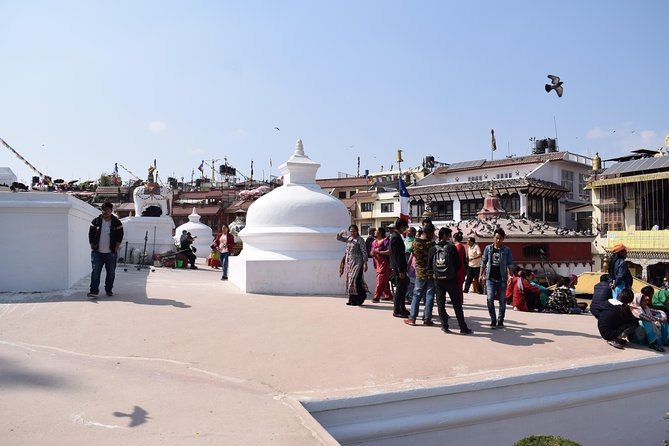
After Pashupatinath, you’ll head to Boudhanath Stupa. This is one of the largest stupas in the world and a UNESCO World Heritage site tied to Tibetan Buddhism.
The feel shifts here. Instead of the Hindu temple energy, Boudhanath often lands more meditative and steady. You’ll have about an hour at this stop, which is enough time to take in the stupa itself, notice the surrounding prayer culture, and let the atmosphere reset your senses after a full morning of sacred sites.
Why the guide still helps at Boudhanath
A stupa can look “simple” if you only see it in photos. In person, it’s all about layers: the way people interact with it, the meaning behind religious design choices, and the cultural context that makes it more than a landmark. A guide gives you the threads you’d otherwise miss.
It’s also one of the best photo stops of the day because it’s so visually consistent. You can find angles and still feel like you’re photographing something with purpose.
Price and value: what USD 105 buys you
At USD 105 per person, this tour isn’t trying to be the cheapest way to hit a few big names. It’s priced for a day with:
- hotel pickup and drop-off (inside the Ring road),
- a private professional guide,
- private transportation,
- guided time at each of the four UNESCO sites.
Then there’s the entry fee. The tour lists an entry fee of around USD 20 per person as not included. So your full budget needs to include that extra line item.
Here’s why I think the value works if you’re planning well:
- You’re packing four UNESCO sites into one day. Without guidance, the “cost” becomes your time and confusion.
- You get commentary as you walk through places that can be hard to interpret on your own.
- Private transport saves you from piecing together routes, which is where first-timer days often go sideways.
Where the value might feel weaker is if you’re the type of traveler who already has strong local background and doesn’t care about explanations. In that case, you might prefer a self-guided approach and use your time for longer individual visits. But if you want meaning fast, this day is built for that.
Practical tips that actually help on holy-site days
1) Plan around the stairs
Swayambhunath is the obvious stair challenge. If you have knee issues or you tire quickly, start thinking about pace before the day begins. Bring water when you can, and don’t treat the first viewpoint as the only viewpoint.
2) Expect a long day with limited food time
Food and drinks aren’t included. So you’ll want to bring a strategy: small snacks, water, and a clear idea of when you’ll eat. Otherwise, hunger can make the later stops feel rushed.
3) Dress for respect
Holy sites in Kathmandu are active places. You don’t need to overthink it, but you should aim for clothing that feels respectful and comfortable for walking.
4) Bring patience for crowds
Kathmandu’s UNESCO sites can be busy, especially around major religious activity windows. The private guide helps because your pacing can adapt, but you should still assume some slowdowns.
5) Weather matters
The tour notes that it requires good weather. If conditions are poor, you’ll be offered a different date or a full refund. That’s worth keeping in mind if you’re only in Kathmandu for a tight schedule.
Who should book this Kathmandu Valley culture tour?
This tour is a great fit if:
- you’re visiting Kathmandu for the first time and want a focused UNESCO introduction,
- you like having context while you walk through major religious sites,
- you want a private guide and dedicated transport rather than figuring things out in transit,
- you’re short on time but still want more than one or two landmarks.
It might not be ideal if:
- you strongly prefer to move independently without guided pacing,
- you’re trying to avoid extra walking and stairs,
- you don’t want to factor in the additional entry fees.
Should you book it or not?
Book it if you want to get your bearings fast in Kathmandu Valley and you like the idea of a guide putting Kathmandu’s UNESCO sites into a coherent story. The strongest selling point is the guide-driven experience—previous guide names like Rabina and Rishi are associated with being friendly, prepared, and willing to spend time at each stop, including photo time.
Skip or rethink if you can’t comfortably handle a long day of walking and steps, or if entry fees add up against your budget. In that case, a slower itinerary focused on fewer sites might suit you better.
For most first-time visitors who want maximum value from a single day—this is the kind of tour that makes Kathmandu feel understandable, not overwhelming.
FAQ
How long is the Kathmandu World Heritage Full Day Culture Tour?
The tour runs about 7 to 8 hours.
What UNESCO sites are included in this full-day route?
You’ll visit Kathmandu Durbar Square, Swayambhunath, Boudhanath Stupa, and Pashupati Temple.
Is hotel pickup included, and where does pickup happen?
Yes. Hotel pickup and drop-off are included from inside the Ring road. You may need to contact the local tour operator after booking to confirm your exact pickup location.
Do I need to pay an entry fee?
Yes. Entry fees are not included, and the tour lists an estimated entry fee of about USD 20 per person.
Is food or drinks included?
No. Food and drinks are not included.
What kind of guide and transportation do I get?
You get a private professional tour guide and private transportation for your group.
Is this tour private or shared with other people?
It’s private in the sense that only your group participates. Group discounts are listed as a feature, though.
Does the itinerary include time for photos and explanations?
The tour is guided at each stop, and you’re scheduled for guided time at multiple landmarks, which gives you opportunities to pause and take photos with guidance.
What happens if weather is bad?
The tour requires good weather. If it’s canceled due to poor weather, you’ll be offered a different date or a full refund.
Can I cancel for free?
Yes. You can cancel up to 24 hours in advance for a full refund. If you cancel less than 24 hours before the start time, the amount paid is not refunded.