REVIEW · KATHMANDU
5 Days Hiking, Tour, Meditation and Yoga Retreat in Kathmandu, Nepal
Book on Viator →Operated by The Trek Nepal · Bookable on Viator
Slow down in Kathmandu’s temples.
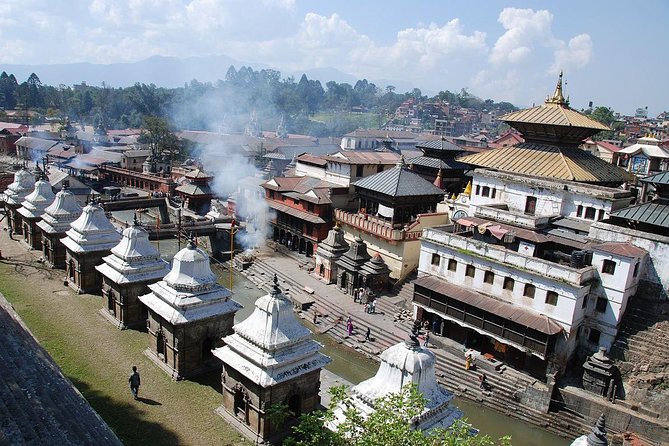
This five-day retreat pairs daily yoga and meditation with landmark sightseeing, including UNESCO-listed Pashupatinath Temple and Boudhanath Stupa, all with a small-group max of 15. I like how the pace keeps changing—morning practice, midday sightseeing, then breathing/meditation later—so the days feel balanced instead of exhausting.
I also like the personal attention built into the format, with help from The Trek Nepal’s team (names like owner Tirtha ji and yoga teacher Manoj show up in feedback, along with guides such as Mynos). One thing to weigh: the program needs good weather, and you should expect the walking/hiking parts to be more doable if you’re comfortable on your feet.
In This Review
- Key takeaways before you book
- Why this Kathmandu retreat feels calmer than a standard city tour
- Price and value: what $586.67 really covers (and what costs extra)
- Group size, guides, and your base near Nepal Yoga Home
- Day 1: easing in with lunch, dinner, and the hotel stay
- Day 2: UNESCO time at Pashupatinath and Boudhanath, then breathing practice
- Day 3: Swayambhunath and Buddhanilkantha with another morning reset
- Day 4: Patan Durbar Square and Bhaktapur, plus the evening calm
- Day 5: one last morning yoga, then check out at noon
- The hiking element: short routes, nature time, and smart expectations
- Accommodation and meals that make planning easy
- Who should book this retreat (and who should skip it)
- Should you book this Kathmandu yoga-and-heritage retreat?
- FAQ
- What is included in the $586.67 per person price?
- How long is the retreat, and how many hotel nights do I get?
- How big is the group?
- What yoga and meditation sessions are part of the program?
- Which Kathmandu Valley sights are visited?
- Where do I meet the group, and where does the tour end?
- What if the weather is bad or I need to cancel?
Key takeaways before you book
- Small-group size (max 15) means more interaction and less time stuck in a big crowd
- Two practice sessions most days: morning yoga plus late-afternoon breathing/meditation
- A real Kathmandu Valley mix: Pashupatinath, Boudhanath, Swayambhunath, Buddhanilkantha, Patan Durbar Square, and Bhaktapur
- Four nights in a 2–3 star hotel plus most meals, so you’re not constantly planning food and beds
- Hiking time may be part of the experience (one route like Changunarayan to Telkot gets named in feedback)
- You’re close to public transportation and return to the same meeting point after the tour
Why this Kathmandu retreat feels calmer than a standard city tour
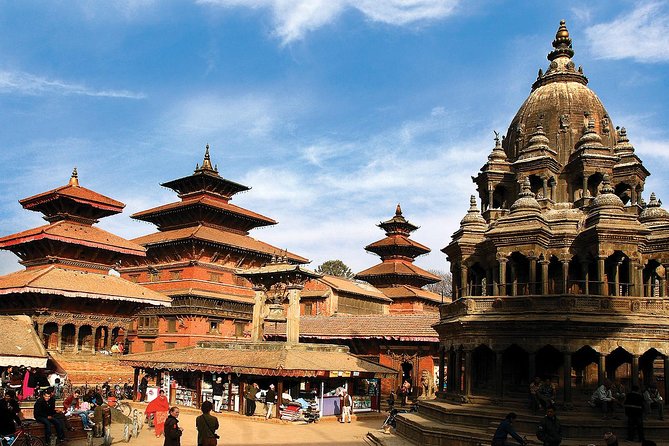
Kathmandu can hit you fast—noise, crowds, traffic, temples everywhere. What makes this experience different is that you’re not just “doing sightseeing.” You’re also practicing attention, twice a day, with breathing and meditation built into the schedule. That changes how you move through the city. Even if you’re sightseeing hard, the plan gives you recovery time and a mental reset.
I also like that it’s built for real travelers, not only yoga experts. The tour says most people can participate, and the daily rhythm is structured enough that first-timers don’t feel lost. You get a guided path through Kathmandu Valley highlights, plus the option to slow down through yoga instead of sprinting from one photo stop to the next.
You can also read our reviews of more hiking tours in Kathmandu
Price and value: what $586.67 really covers (and what costs extra)
The price is $586.67 per person for about five days. For that, you get four nights’ accommodation in a 2–3 star hotel category and most meals: breakfast (5), plus lunches (4) and dinners (4). You also get the core of the retreat—yoga and meditation classes with an experienced instructor—and guided sightseeing around the valley.
Here’s the practical angle: you’re paying for structure. Your time in Kathmandu is packaged into guided days with meals and classes already handled, which can add up quickly if you try to DIY it. Still, budget for the extras that are not included: airport transfers are $20 per person, day trips are $100 per person, and laundry is $2 per kg.
If you want a smooth, low-planning trip, that’s where the value is. If you’re the type who likes full freedom to choose restaurants, routes, and timing, you may feel boxed in by the schedule.
Group size, guides, and your base near Nepal Yoga Home
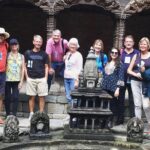
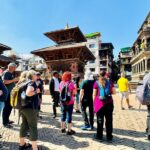
This is a small-group setup: up to 15 travelers. That matters more than it sounds. You’re more likely to get questions answered, get pacing help, and not feel invisible in a crowd. The meeting point is Nepal Yoga Home in Tarkeshwor-5, Kathmandu (44600). The tour ends back at the same meeting point, which keeps your logistics simple.
The tour’s leadership shows up in feedback by name—Tirtha ji (owner) and instructors such as Manoj, plus guides including Mynos. You shouldn’t expect the same exact pairing every time, but it’s a good sign that the program has real people behind it, not just a rotating cast.
Also helpful: the start time and operating window are set (7:15 AM to 7:15 PM), so your days have a clear frame. That’s great if you’re still getting your Kathmandu bearings.
Day 1: easing in with lunch, dinner, and the hotel stay
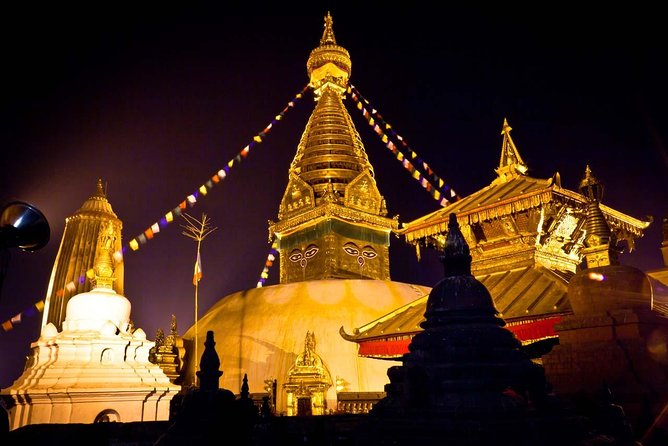
Day 1 is straightforward: you’re picked up at the meeting point area (start is Nepal Yoga Home), you have lunch and dinner included, and you sleep in the included hotel accommodation (2–3 star category). There’s no sense of being forced into an intense schedule on day one, which helps if you arrive tired or jet-lagged.
Think of day one as your “settle and get your rhythm” day. You’ll be in the Kathmandu center enough to orient yourself, but the retreat aspect is present right away through the planned meal structure and the expectation that yoga and meditation will anchor the following days.
If you’re the type who likes to scout neighborhoods on your own, day 1 also gives you room to do that without feeling behind.
Day 2: UNESCO time at Pashupatinath and Boudhanath, then breathing practice
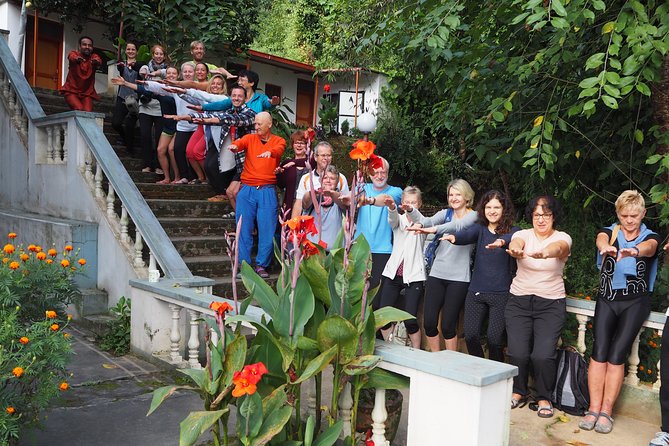
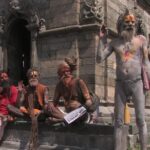
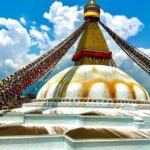
Day 2 has a very clear rhythm, and I like that it’s specific. The day begins with a morning yoga session (07:30–08:30), followed by breakfast (08:30–09:15). Then you get rest time (09:15–10:00) before the big sightseeing block (10:00–15:00), focused on Pashupatinath Temple and Boudhanath Stupa.
After that, there’s a long recovery window again (15:00–16:30). The day closes with breathing and meditation (17:00–18:00) and dinner (19:00).
This is one of the best parts of the format: the sightseeing block isn’t the whole day. The afternoon pause helps your body catch up, and the late practice helps your mind stop buzzing after the sights. For a first-time visitor, it’s also a smart way to see major icons without getting overwhelmed.
A small consideration: days like this can be long in the middle. If you’re sensitive to being out for several hours, plan to treat the rest periods as real rest, not just a “sit for 10 minutes and keep going” break.
You can also read our reviews of more tours and experiences in Kathmandu
Day 3: Swayambhunath and Buddhanilkantha with another morning reset
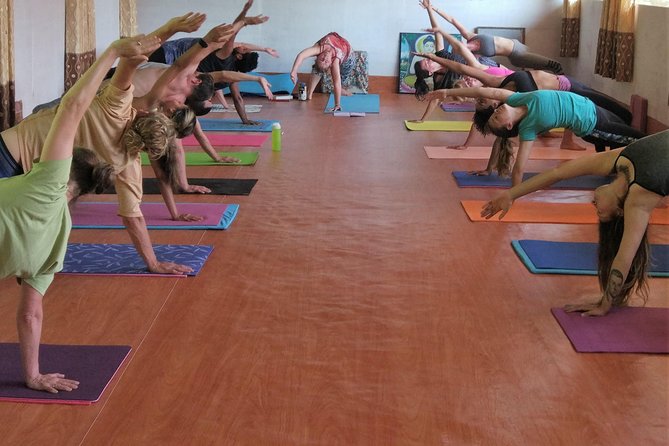
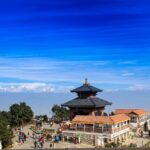
Day 3 repeats the core structure: morning yoga (07:30–08:30), breakfast (08:30–09:15), and a rest block (09:15–10:00). Then you head out for sightseeing (10:00–15:00), including Swayambhunath and Buddhanilkhantha (listed in the schedule as sying vishnu).
Afternoon rest continues (15:00–16:30), and the day again finishes with breathing and meditation in the late session window (17:00–18:00), followed by dinner (19:00).
Even if you’ve seen pictures of these places, the pacing helps. You’re not trying to “power through.” You get a yoga start to loosen up and a breathing finish to help you process the day instead of carrying it home in your head.
If you want a trip that feels more like a reset than a checklist, the repeatable rhythm of day 2 and day 3 is exactly the kind of design that works.
Day 4: Patan Durbar Square and Bhaktapur, plus the evening calm
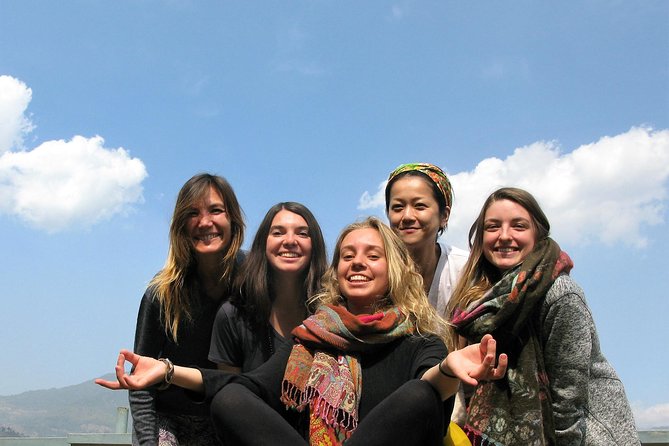
Day 4 keeps the same strong rhythm. You start with morning yoga (07:30–08:30), then breakfast (08:30–09:15), a short rest (09:15–10:00), and sightseeing (10:00–15:00) covering Patan and Bhaktapur. Afterward, there’s another rest window (15:00–16:30), then breathing and meditation (17:00–18:00) and dinner (19:00).
The schedule notes “bed” at 20:00, which is a quiet reminder of what this program values: recovery. That’s not glamorous, but it’s practical.
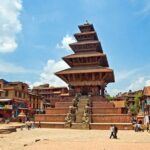
Patan and Bhaktapur can feel like a different flavor of Kathmandu Valley compared with the bigger, headline sites. The retreat format is a good fit here because it lets you slow down and really experience the area rather than just passing through.
Also, this is where the hiking/walking factor sometimes shows up. Some people describe enjoying a shorter hike route like Changunarayan to Telkot as part of the overall experience. If you see hiking listed in your confirmation details, ask how it fits your day and what footwear you’ll need.
Day 5: one last morning yoga, then check out at noon
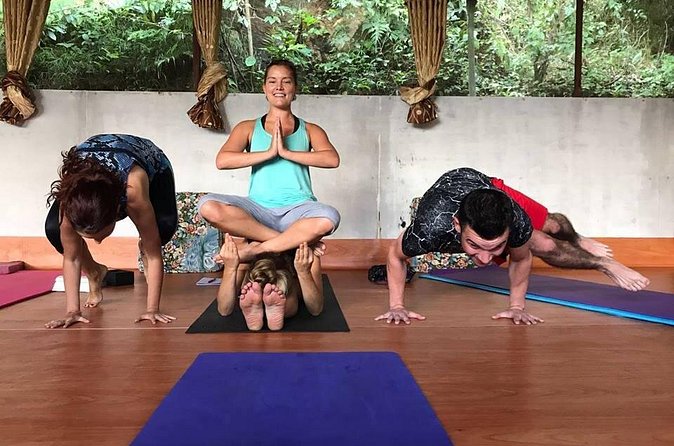
On the final day, you get a morning yoga class, and then you check out at 12:00 pm (noon). That makes day 5 a light wrap-up day. It’s ideal if you’re catching a flight or want to continue exploring Kathmandu on your own afterward.
The biggest benefit of ending with yoga is that it gives you a sense of closure. You’re not rushing straight from sightseeing into departure mode. You finish with practice, pack up, and then move on.
The hiking element: short routes, nature time, and smart expectations
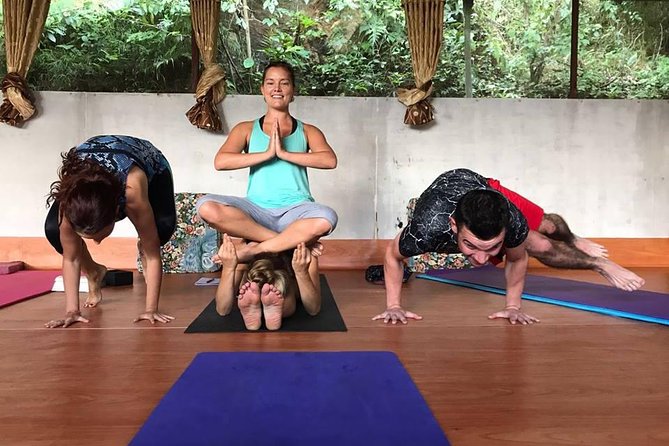
Even though the spotlight is yoga and heritage sightseeing, there’s a hiking component in the spirit of the trip. Feedback includes enjoyment of a walk route like Changunarayan to Telkot, and people also note a complimentary massage after hiking. That doesn’t mean every group gets the exact same hike route every time, but it signals the retreat’s intent: movement in the open air, not just static sightseeing.
How to think about it: treat hiking here as an add-on that pairs with yoga, not as a hardcore trekking expedition. If you want maximum endurance training, you might be better suited to a dedicated trek with daily elevation. If you want something gentler that still gets you out of the city blocks, this style can be a great match.
Practical tip: if you want to hike comfortably, plan for walking shoes you already trust. Kathmandu days can be uneven, and you’ll feel better if you’re not “breaking in” footwear while also doing yoga.
Accommodation and meals that make planning easy
You’re staying four nights in a 2–3 star category hotel. That’s intentionally not luxury-focused. The tradeoff is time and simplicity: you get a place to sleep without thinking about it, and you have meals included for most of the trip.
Breakfast is included five times, while lunches and dinners are included on most days (4 each). This matters because it keeps your energy up during long sightseeing windows. If you’ve ever tried to stitch meals together during a packed itinerary, you know it can turn into stress. Here, the meals remove that friction.
The best part is that the retreat flow works with the food plan. Eat, practice or rest, then head out. It keeps your day from feeling like a constant series of decisions.
Who should book this retreat (and who should skip it)
Book this if:
- You’re visiting Kathmandu for the first time and want guided access to major valley highlights
- You want daily yoga and meditation as part of your sightseeing rhythm
- You like small groups and don’t want to feel lost or rushed
- You want a trip that gives both body and mind a break, not only photos
Consider skipping (or pairing with something else) if:
- You’re mainly chasing a fast, independent city tour with no structure
- You prefer heavy trekking training instead of a gentler movement component
- You’re very weather-sensitive and can’t be flexible (this retreat requires good weather)
Should you book this Kathmandu yoga-and-heritage retreat?
Yes, if your ideal Kathmandu trip is calm plus cultural. The combination of yoga twice daily, guided sightseeing of key sites, and built-in rest time is a rare mix that feels more like a reset than a typical checklist tour.
If you’re excited by major places like Pashupatinath and Boudhanath, but you also want space to breathe, this is a strong fit. Just go in knowing it’s structured, and bring patience for longer sightseeing blocks with recovery time afterward.
If you want to make your decision confidently: confirm whether hiking details are included in your exact dates (especially if you care about a specific walk route) and ask if the massage option is part of your group’s plan.
FAQ
What is included in the $586.67 per person price?
It includes 4 nights of accommodation and yoga and meditation classes, plus sightseeing around Kathmandu Valley and most meals (breakfast, lunch, and dinner on most days). Airport transfers, day trips, and laundry are not included.
How long is the retreat, and how many hotel nights do I get?
The experience runs for about 5 days and includes four nights of accommodation.
How big is the group?
The tour is limited to a maximum of 15 travelers, which is how they keep the attention more personal.
What yoga and meditation sessions are part of the program?
You get morning yoga sessions most days, and late-afternoon breathing and meditation sessions are also included. The final day includes a morning yoga class.
Which Kathmandu Valley sights are visited?
You’ll visit Pashupatinath Temple and Boudhanath Stupa, plus Swayambhunath and Buddhanilkantha. Later days include Patan and Bhaktapur.
Where do I meet the group, and where does the tour end?
You meet at Nepal Yoga Home in Tarkeshwor-5, Kathmandu 44600. The tour ends back at the meeting point.
What if the weather is bad or I need to cancel?
The retreat requires good weather. If it’s canceled due to poor weather, you’ll be offered a different date or a full refund. You can cancel up to 24 hours in advance for a full refund.