REVIEW · KATHMANDU
From Kathmandu/Pokhara: 2, 3, or 4-Day Chitwan Jungle Safari
Book on GetYourGuide →Operated by Cordial Trek Pvt. Ltd. · Bookable on GetYourGuide
Rhinos in reach, tigers if you’re lucky. This Chitwan trip mixes jeep safari wildlife time with a Tharu cultural sunset and real overnight stays inside the area, from Hotel Rainforest to a jungle tower on the longest option.
I like how smoothly it runs: hotel pickup, transport, and a small-group setup with an English/Hindi nature guide. I also like the balance between spotting animals and learning through the Elephant and Gharial conservation centers, plus early bird time. One drawback to plan for: sightings depend on animal movements and weather, so you’re going for chances, not guarantees.
In This Review
- Key highlights worth planning for
- Chitwan starts with a 5–6 hour transfer you can handle
- Hotel Rainforest and the jungle tower: where the “forest night” really happens
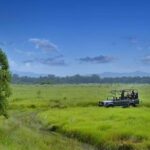
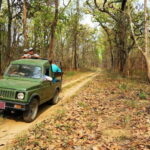
- Jeep safari in Chitwan National Park: how to maximize your odds
- Morning bird watching: small effort, big payoff
- Rapti River canoe ride and jungle walk: a slower kind of spotting
- Tharu village tour and sunset cultural program: the human side of Chitwan
- Elephant and Gharial Conservation Centers: learning that doesn’t slow you down
- 2-day vs 3-day vs 4-day: choose the right pace
- Price and value: why this can be a smart deal at $35
- What to pack (and what to skip) for a smoother safari
- Who this Chitwan safari is best for
- Should you book this jungle safari?
- FAQ
- What animals can I see on this Chitwan safari?
- How long is the tour?
- Where does the tour start and end?
- Is pickup included?
- What’s the guide language?
- Are jeep safaris included?
- Do I get to sleep inside the forest?
- What conservation centers do we visit?
- What activities are included besides the jeep safari?
- Is bottled water included?
- What should I do if weather or animal movement changes the schedule?
Key highlights worth planning for
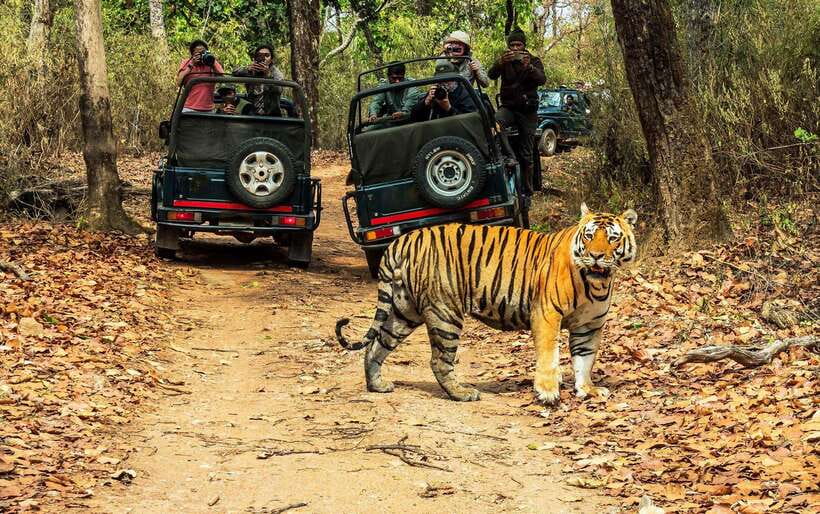
- Jeep safari inside Chitwan National Park with chances at tigers, one-horned rhinos, and wild elephants
- Rapti River canoe ride plus a jungle walk for quieter wildlife moments
- Tharu village tour and sunset cultural program in the evening after safari time
- Hotel Rainforest stays, or a jungle tower night for a more wilderness feel on the 4-day option
- Elephant and Gharial Conservation Center visits to add meaning beyond the wildlife drive
- Small-group feel and well-reviewed transport for an easier transfer from Kathmandu or Pokhara
Chitwan starts with a 5–6 hour transfer you can handle
This safari is built for people who want jungle time without wrestling complicated logistics. You’ll start from Kathmandu or Pokhara, and the transfer is typically a 5–6 hour ride to Chitwan. Pickup and drop in Kathmandu or Pokhara are included, which matters when you’re trying to keep the day from turning into “where do we meet?”
Your exact transfer method depends on which option you choose. For the 2-day option, a private car transfer can get you there earlier so you can begin jungle activities sooner. For 3 and 4 days, the trip uses bus transfer from Kathmandu or Pokhara.
A practical note: if your drop-off location doesn’t match your pickup location (like Kathmandu → Chitwan → Pokhara), you’re expected to tell the operator in advance. That small step saves time and confusion later.
You can also read our reviews of more tours and experiences in Kathmandu

Hotel Rainforest and the jungle tower: where the “forest night” really happens
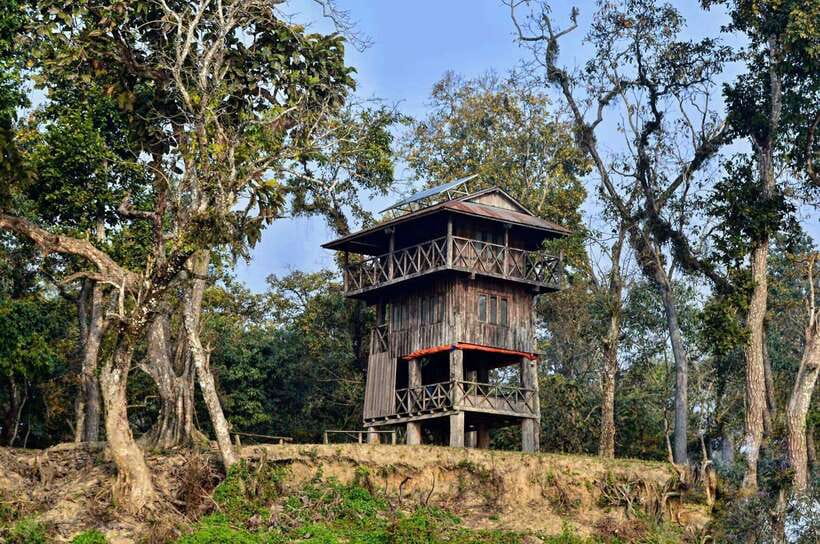
Most nights are in a hotel in Chitwan—commonly Hotel Rainforest or a similar property—after a full day of safari activities. One review specifically noted the hotel staff were friendly and that there’s a pool for relaxing downtime. That’s a real quality-of-life detail when you’ve been up early for wildlife time.
The big step-up comes on the 4-day option, where you sleep in a jungle tower inside the forest. That’s when the trip feels less like a day trip and more like staying in the ecosystem—listening to the sounds around you, with the night wrapping you up differently than a regular hotel room.
If you’re the kind of traveler who likes the comfort of predictable bathrooms and meal setups, Hotel Rainforest is the safer bet. If you want the story you’ll remember most, the jungle tower night is the one to build your decision around.
Jeep safari in Chitwan National Park: how to maximize your odds
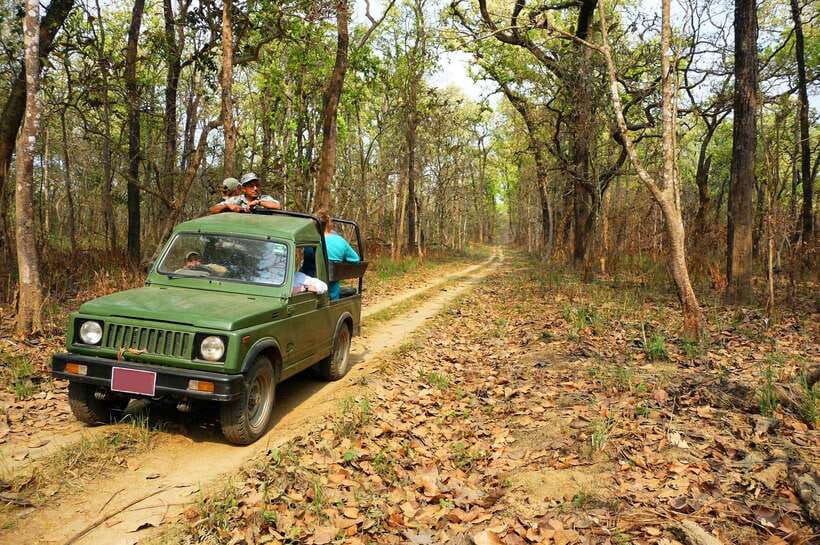
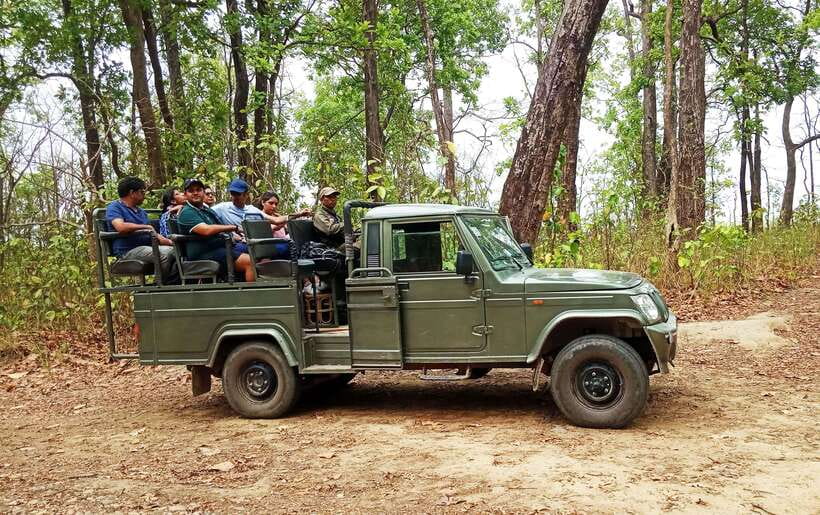
This is the core of the trip. You get a jeep safari inside Chitwan National Park, and depending on the day and option you select, you’ll spend time in areas that give strong odds for wildlife sightings. The itinerary also mentions a drive into the buffer area and, on the longer option, jeep safari inside an area described as unexplored.
What I like about structuring it this way is that you’re not doing one quick drive and hoping for fireworks. You’re given multiple chances across the schedule—plus early bird time on some days—which increases your odds to see more species, even if the big-ticket animals don’t show up.
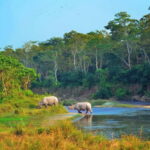
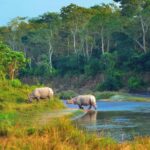
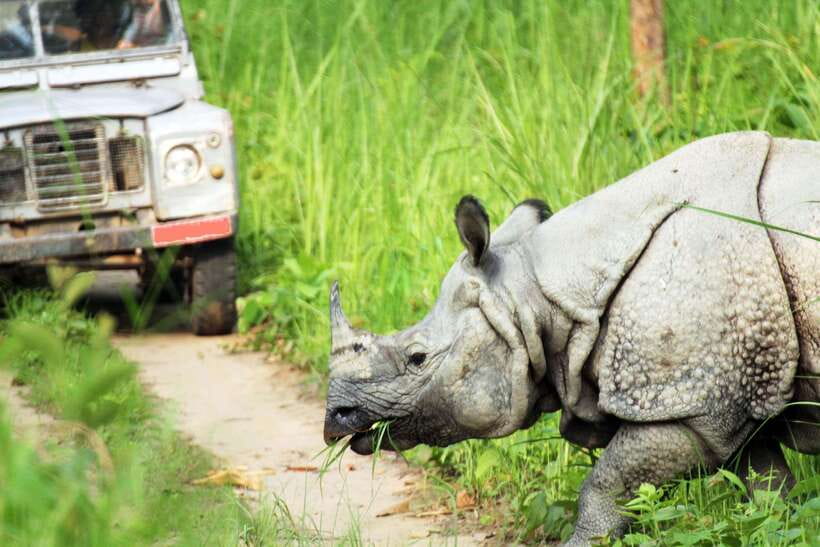
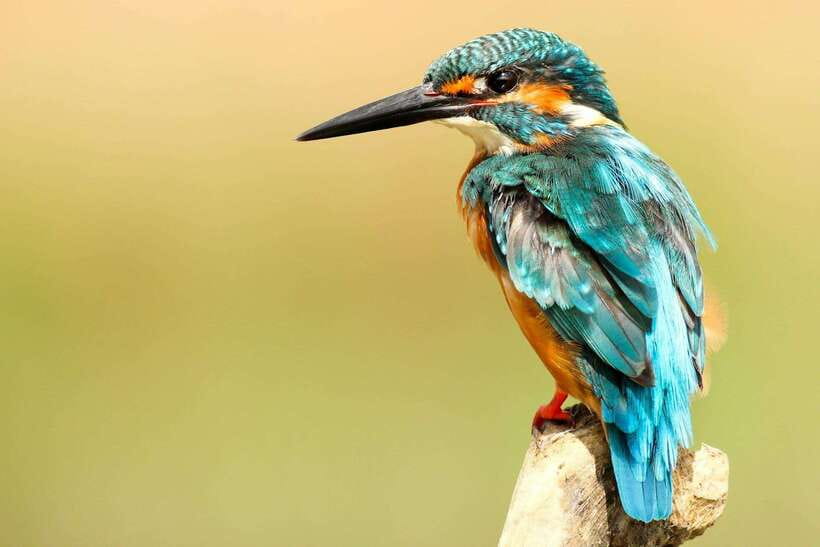
Here’s what you can realistically hope for based on the trip details: Royal Bengal tigers (chance), one-horned rhinos (chance), plus wild elephants and other wildlife. Reviews also mention deer and crocodiles, and lots of birds—so plan to be a bird person for at least part of the trip, even if you didn’t start that way.
You also need to respect the reality check: the itinerary can change if weather gets rough or animals move off schedule. That’s normal in wildlife country. Bring a calm attitude and you’ll enjoy the chase more.
Tip that helps in practice: bring binoculars if you can. With the right zoom, distant movement becomes something you can actually track, not just a blurry guess.
Morning bird watching: small effort, big payoff
Bird watching shows up as part of the early schedule on the 2-day and 3/4-day options. It’s not just a filler activity. Early hours are when animals and birds are active, and it also sets you up mentally for the day—quiet, focused, and a little different from the motorized safari vibe.
If you’re traveling with someone less excited about the “tiger or bust” aspect, bird time is a good compromise. It gives you wildlife without needing the stars to align for the biggest predators.
Wear comfortable shoes and be ready to stand and look longer than you expect. Birds move fast, and you’ll do better when you’re not thinking about sore feet.
Rapti River canoe ride and jungle walk: a slower kind of spotting
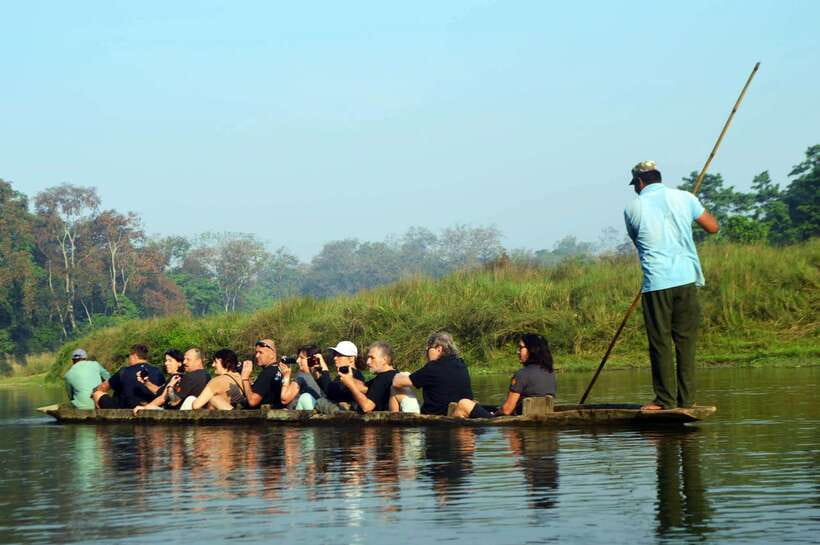
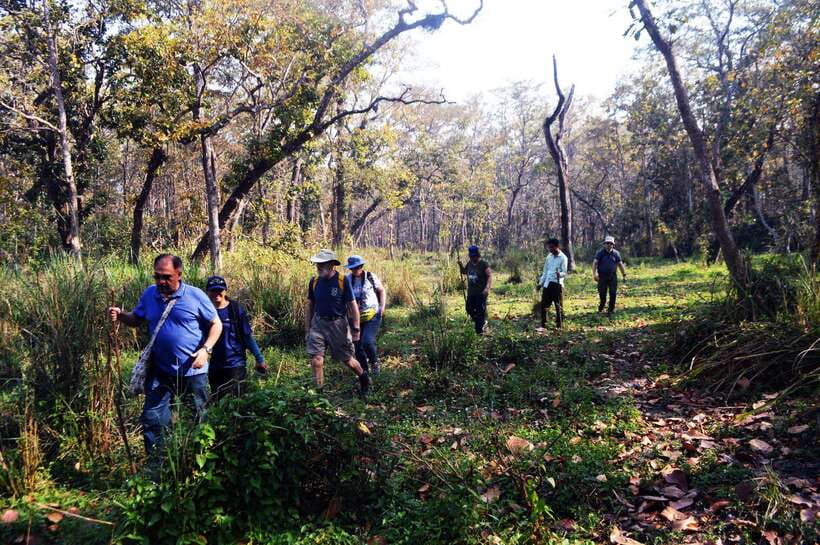
This trip includes both a canoe ride on the Rapti River and a jungle walk. Even without a guaranteed sighting list for those segments, this is where you often feel the park rather than just drive through it.
The canoe ride adds a different angle on wildlife activity. You’re lower, quieter, and moving differently than the jeep. That changes what you notice—bird calls, ripples, and small signs that animals are nearby.
The jungle walk is more hands-on, but it also means you’ll want proper footwear and bug protection. If you’re allergic to insects or hate repellent smells, test your tolerance at home first.
In general, these parts make the day feel fuller, not just “another drive.” You get to experience the environment with your own eyes and ears.
You can also read our reviews of more tours and experiences in Kathmandu
Tharu village tour and sunset cultural program: the human side of Chitwan
This is one of the best “Nepal beyond wildlife” touches on the itinerary. You’ll visit an ethnic Tharu village, then enjoy a sunset and an evening Tharu cultural program.
Why this matters: it turns your trip from a strict wildlife chase into a fuller cultural stop. You get context for the people who live alongside the natural world you came to see. And the sunset timing makes it feel natural, not bolted on between activities.
The evening format also helps you reset. After long safari drives and waiting around for animal movement, a cultural show gives you a steady, easy-to-enjoy break.
If you care about respectful cultural viewing, ask your guide for basic context about what you’re seeing. The trip includes a nature guide, and a good guide makes cultural stops feel like learning instead of passively watching.
Elephant and Gharial Conservation Centers: learning that doesn’t slow you down
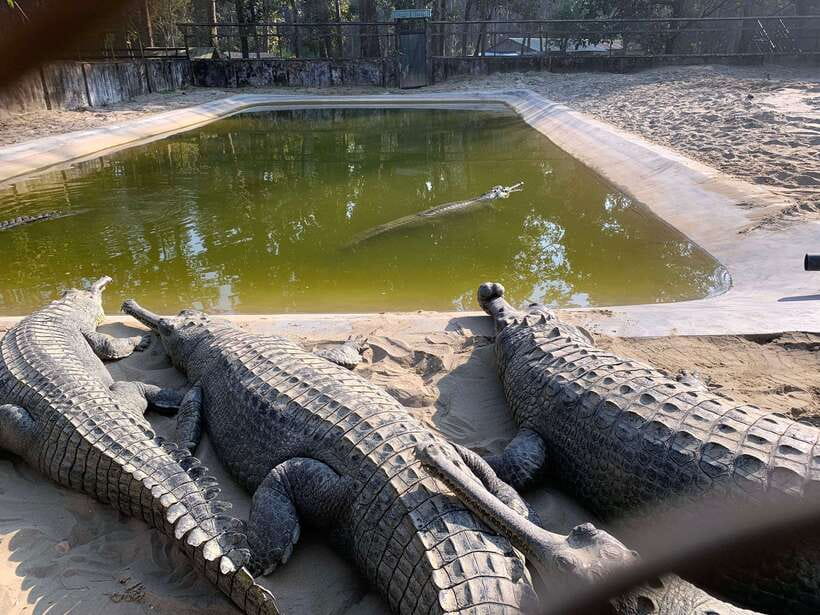
Two specific conservation stops are included: the Elephant Conservation Center and the Gharial Conservation Center. I like that the tour doesn’t treat conservation like a separate side quest. It’s scheduled alongside the safari days, so you’re seeing animals and also learning what’s being done to protect them.
The Elephant center helps you understand elephant care and conservation efforts. The Gharial center adds something different—this is a crocodilian species-focused conservation visit. Even if you only remember a few facts, the perspective shift is valuable: these places exist because wildlife needs help, not just attention.
If you want your trip to mean more than photos, these stops are the difference between “cool day” and “I understand what I’m looking at.”
2-day vs 3-day vs 4-day: choose the right pace
This is where you decide how much risk you’re willing to take for big sightings versus how much time you want in the park.
2-day option:
You’ll typically reach Chitwan earlier using a private car, then get your main safari timing right away. Expect bird time before breakfast on the second day, and then a return trip to Kathmandu or Pokhara in the morning. It’s the tightest route, so you’ll feel busy, but it’s great if you’re short on days.
3-day option:
You get a more relaxed rhythm: breakfast at the hotel, then a jeep safari in the park, plus a break for lunch. After that, you visit both conservation centers and return for dinner. On day three, you’ll have bird watching before breakfast and head back in the morning—so you still get an early wildlife window without adding a full extra safari day.
4-day option:
This adds a major upgrade: an additional safari segment described as happening in an unexplored area, plus the chance for a night in the jungle tower inside the forest. This option gives you the most time for wildlife movement and also the most variety—two safari-focused day structures, then the overnight forest experience.
If wildlife is your top priority and you don’t want to leave early, go 4 days. If you just want the highlights and can’t spare time, 2 or 3 days still gives you a meaningful Chitwan visit.
Price and value: why this can be a smart deal at $35
At around $35 per person, the standout value is that the price bundles a lot of the hard parts together. You’re not just buying a “drive and hope” day. You’re paying for a package that includes transfers from Kathmandu or Pokhara, pickup/drop, a nature guide, jeep safari time, and conservation center visits. On top of that, meals and at least one night of lodging are included, with longer options adding extra meals and the jungle tower night.
It’s also a good value because transport quality is a known strength here, with excellent feedback tied to getting people there smoothly. In a country where slow logistics can wreck your energy, that matters more than you think.
One thing to be realistic about: bottled water and alcohol aren’t included. That’s normal, but it affects your spending. Plan to budget for water and drinks on top of the tour price, especially during long safari days when you’ll be outside longer than usual.
What to pack (and what to skip) for a smoother safari
The packing list is simple, but it’s built for real field conditions. Bring comfortable shoes, a hat, camera, sunscreen, and insect repellent. Add water and consider binoculars if you want to track birds and distant wildlife more effectively.
Also note the on-the-ground rules: no littering and no feeding animals. Those are safety and conservation basics, and they keep the park healthy for wildlife.
One practical tip: since bottled water isn’t included, don’t assume you’ll always be able to buy it at the right moment for a jeep safari schedule. Keep some water handy when you’re moving between activities.
Who this Chitwan safari is best for
This trip fits you if you want:
- Wildlife time with a real chance at tigers and one-horned rhinos
- A mix of safari driving plus Rapti canoe and jungle walk
- A cultural evening that doesn’t feel random
- Conservation stops that add context, not just “look at animals”
- A small-group experience with an English/Hindi guide
If you hate long transfers and prefer ultra-local trips, you might find the 5–6 hour ride draining. But if you can handle a day of travel for a proper wildlife destination, Chitwan is a strong payoff.
Should you book this jungle safari?
Yes, I’d book it if you want a structured Chitwan experience that balances wildlife, culture, and conservation in 2 to 4 days. I especially like the idea of choosing your depth level: 2 days for speed, 3 days for balance, and 4 days when you want the jungle tower night and more safari time.
Book with extra patience if seeing a tiger or rhino is your only goal. Wildlife depends on movement and weather, and the best safari mindset is to enjoy the day even when the biggest animals don’t appear.
If you’re the type who packs well, brings binoculars, and listens to your guide, you’ll get more out of every hour.
FAQ
What animals can I see on this Chitwan safari?
You can hope to spot Royal Bengal tigers, one-horned rhinos, and wild elephants. The trip also includes chances to see other wildlife like deer, crocodiles, and lots of birds.
How long is the tour?
The tour runs for 2, 3, or 4 days, depending on the option you select.
Where does the tour start and end?
You can start from Kathmandu or Pokhara, and the itinerary can also end in your chosen drop-off location. The schedule can include Kathmandu → Chitwan → Pokhara or Pokhara → Chitwan → Kathmandu, depending on how you set it up.
Is pickup included?
Yes. There is hotel pickup and drop-off in Kathmandu or Pokhara, and you’re told to wait about 5 minutes before pickup time.
What’s the guide language?
The nature guide is available in English and Hindi.
Are jeep safaris included?
Yes. The tour includes a jeep safari inside Chitwan National Park, with different safari timing depending on the number of days.
Do I get to sleep inside the forest?
You get that experience on the 4-day option, where you sleep in a jungle tower inside the forest.
What conservation centers do we visit?
The itinerary includes visits to the Elephant Conservation Center and the Gharial Conservation Center.
What activities are included besides the jeep safari?
The included activities also mention a Tharu cultural program, a jungle walk, and a canoe ride on the Rapti River, along with bird watching on the relevant days.
Is bottled water included?
No. Bottled water is not included, and the tour notes to bring water.
What should I do if weather or animal movement changes the schedule?
The itinerary is subject to change due to adverse weather conditions and animal movements, so you should be flexible with timing while you’re in the park.