REVIEW · KATHMANDU
From Kathmandu/Pokhara: 3-Day All-Inclusive Chitwan Safari
Book on GetYourGuide →Operated by Peregrine Treks and Expedition P Ltd · Bookable on GetYourGuide
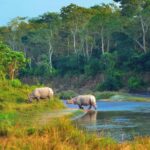
Rhinos feel close in Chitwan. This 3-day package strings together Tharu culture and real wildlife time.
I especially like the mix: the Rapti River canoe ride plus an organized 4-hour Jeep Safari inside Chitwan National Park. The only real caution is the long, bumpy bus transfer that eats a big chunk of your day.
What also wins me over is the hands-on day structure—hotel nights in Sauraha, guided activities, and plenty of scheduled animal spotting time. The possible drawback: animal-watching can mean lots of birds, crocs, elephants, rhinos… and not necessarily a tiger, depending on season and luck.
In This Review
- Key things I’d circle before you go
- Why Chitwan works so well in just 3 days
- Price and value: what you are really buying for $149
- The reality of getting there: bus time from Kathmandu and Pokhara
- Day 1 in Sauraha: Tharu culture and an easy first night
- Day 2: canoeing the Rapti, an elephant center visit, then a 4-hour jeep safari
- The Rapti canoe ride: slow scanning beats rushing
- The elephant breeding center: conservation learning with moral questions
- The 4-hour Jeep Safari: where sightings start to happen
- The value of a guided driver-and-guide combo
- Day 3: one last morning, then the bus back
- Where you sleep: Eden Jungle Resort and the comfort trade-off
- What you’ll likely see in Chitwan (and why tiger luck matters)
- What to pack and wear so Chitwan feels comfortable
- Safety and rules: how this trip manages animal distance
- Who this 3-day Chitwan safari is best for
- Should you book this Chitwan Jungle Safari?
- FAQ
- What does the trip include for meals?
- How long is the safari package?
- How do I get to Chitwan from Kathmandu or Pokhara?
- Where do you get picked up and dropped off?
- What activities are included in the safari?
- How long is the Jeep Safari?
- Does the package include a hotel?
- Is the guide English-speaking?
- What should I bring?
- What is not allowed during the experience?
Key things I’d circle before you go
- Small group (up to 10): easier questions, tighter pacing, less chaos at the viewpoints
- English-speaking guide named Laxman (often also Som): strong spotting skills and clear explanations in the park
- 4-hour Jeep Safari in Chitwan National Park: a full safari block rather than a quick drive-by
- Rapti River canoe on a dugout boat: quieter wildlife time where you scan edges and banks
- Elephant breeding center visit: conservation-focused, but it’s also the most ethically debated stop
- Eden Jungle Resort-style stay: many people report friendly service and good meals as part of the value
Why Chitwan works so well in just 3 days
Chitwan is one of Nepal’s most practical wildlife destinations. It is reachable from Kathmandu or Pokhara without flying, and the activities are grouped so you are not constantly transferring between places. The result is a trip that feels busy, but not frantic.
You get a classic triad of wildlife experiences: river (canoe), land (jeep), and human culture (Tharu village and dance). That combo matters. Wildlife parks can be hit-or-miss if you only do one kind of viewing. Here, you do at least two different ways to spot animals—so your odds feel better even when sightings are unpredictable.
Also, the overall tone is built for real-time scanning. You are not spending the day in a lecture hall. You are out and watching: birds along the water, crocodiles near the river system, and large animals when the light and timing cooperate.
You can also read our reviews of more tours and experiences in Kathmandu

Price and value: what you are really buying for $149
At $149 per person, the big value is not just the safari part. It is the package glue: transportation to and from the park area, park fees, a guide, meals, and two nights of hotel accommodation.
Here’s what’s included in the core experience:
- Round-trip transfer from Kathmandu (Balaju near Thamel) or Pokhara to Sauraha by tourist bus
- Park fees and entry fees
- A live English guide
- Activities: a canoe ride on the Rapti, a 4-hour Jeep Safari, and a Tharu cultural dance show
- Meals: 2 breakfasts, 2 lunches, 2 dinners
- National park fees and applicable taxes
What is not included is also important: personal expenses like drinks, laundry, or bar bills. And gratuities for staff are not baked in. If you want tea, soda, or extras beyond the included meals, you will pay those separately.
In plain terms: you are paying for convenience and scheduling. If you tried to DIY Chitwan from scratch—bus, guides, park fees, lodging, and entrance—this package price is hard to beat.
The reality of getting there: bus time from Kathmandu and Pokhara
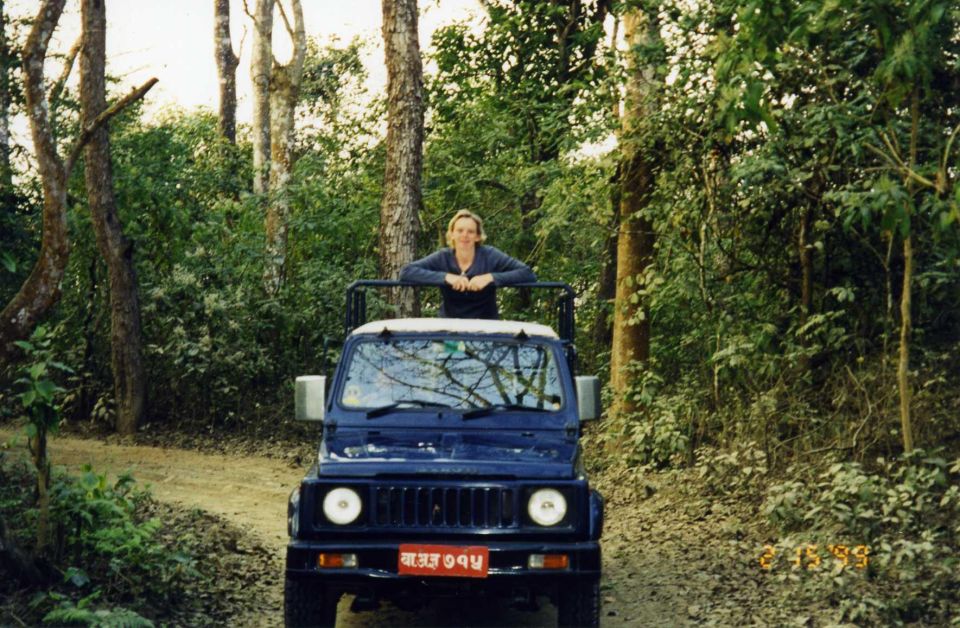
Plan on a 6–7 hour road journey each way. That is the price of staying budget-friendly and getting a start the same day. The package includes tourist bus tickets, and yes, the bus may also carry Nepali passengers.
From Kathmandu, it is about 7 hours (sometimes longer with stops). From Pokhara, it is about 6 hours. Roads can be rough. One thing people flagged clearly is that the ride can be extremely bumpy. The seats can be comfortable, but the driving style can feel intense.
Two practical tips:
- Bring something for the ride like water and snacks only if you are allowed to carry them and you do not rely on food stops.
- Expect limited phone charging. People mention there is no electricity on the bus, so keep your battery topped up before you leave.
When you arrive in Sauraha, a representative waits with a sign showing your name and escorts you to your hotel. After the safari, you return by bus to Balaju near Thamel in Kathmandu or Pokhara Bus Park (then you take a taxi to your hotel).
Small but useful note: pickup and drop-off points can vary—options like Thamel, Tourist Bus Park, Lakeside, and Tourist Bus Stop are listed. You will want to confirm your exact pickup point so you are not hunting for the bus in the wrong place.
Day 1 in Sauraha: Tharu culture and an easy first night
Your first day starts with the transfer and ends with culture and food. Once you reach Chitwan and check in, you settle into the area around Sauraha, which is the typical base for activities in the national park zone.
In the evening, you go to the Tharu Cultural Dance Show. This is not just entertainment. It is a window into how Tharu communities have lived in and around the region for generations. You’ll see colorful dance forms, hear the rhythmic structure behind the songs, and get a sense of identity that is tied to local life rather than tourist script.
Meals on Day 1 are lunch and dinner, and you spend the night at the included hotel.
What I like about Day 1 pacing: you are not asked to do heavy, high-intensity wildlife walking immediately after the road trip. You get culture, a good night’s sleep, and then the park day comes when your body is ready.
Day 2: canoeing the Rapti, an elephant center visit, then a 4-hour jeep safari
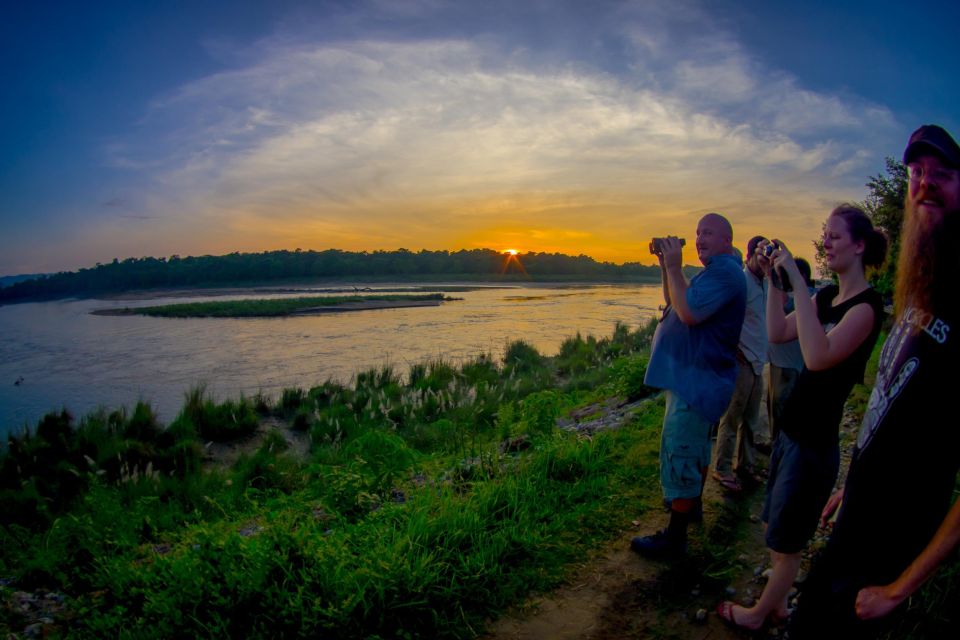
Day 2 is where the schedule gets exciting. You start with breakfast, then head out.
You can also read our reviews of more tours and experiences in Kathmandu
The Rapti canoe ride: slow scanning beats rushing
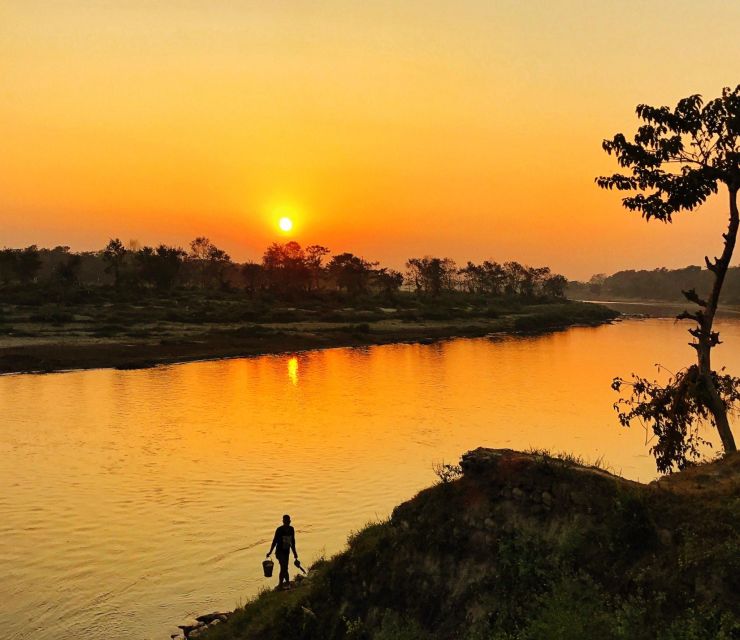
You ride a traditional dugout canoe on the Rapti River. This part changes your rhythm. Instead of searching from one viewpoint, you scan riverbanks and edges while the boat moves at a calmer pace.
This is also a prime time for birds. People also expect a chance at crocodiles and other river creatures. Even if you do not see something every minute, the key is that you are in the environment where wildlife shows up.
The elephant breeding center: conservation learning with moral questions
Next comes a visit to the Elephant Breeding Center. The program centers on conservation and you may see young elephants. The idea is to learn how conservation work supports elephants and their future.
But this stop is worth treating carefully. One important feedback point: a solo traveler described elephants as being chained and separated and said they saw signs of mistreatment, including the use of sticks. That is not a small concern. It means you should go in with open eyes, and if this kind of facility conflicts with your values, you may want to consider whether you can skip or swap that segment through your operator before committing.
I do not want to sugarcoat it. This is the most ethically sensitive portion of the trip.
The 4-hour Jeep Safari: where sightings start to happen
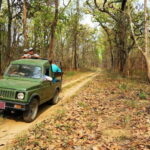
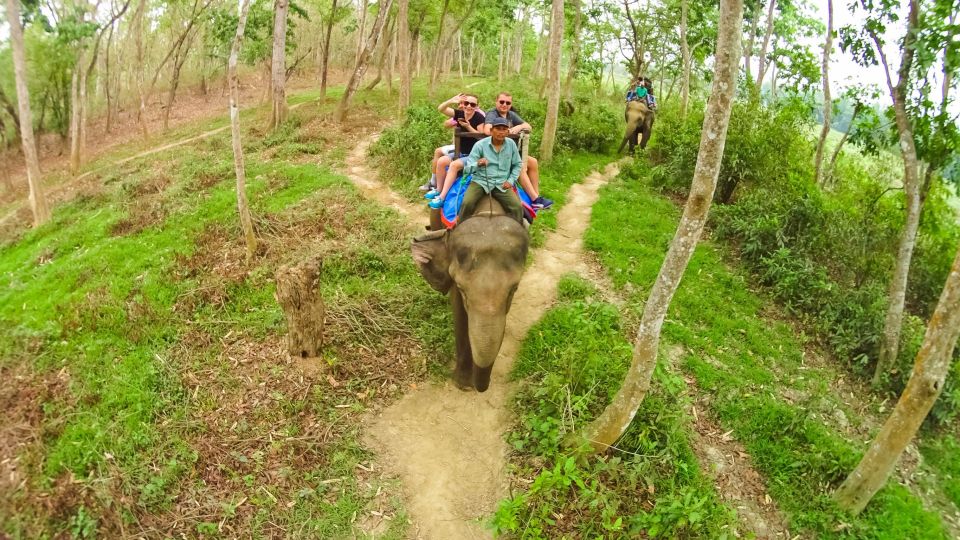
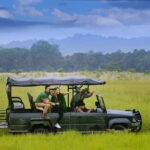
Later, you get the main safari engine: a 4-hour Jeep Safari through and around Chitwan National Park. This is the time you lean forward and start scanning with real focus.
In practice, sightings often include:
- Rhinos (many reports of rhino sightings)
- Elephants
- Crocodiles
- Deer, monkeys, and large birdlife
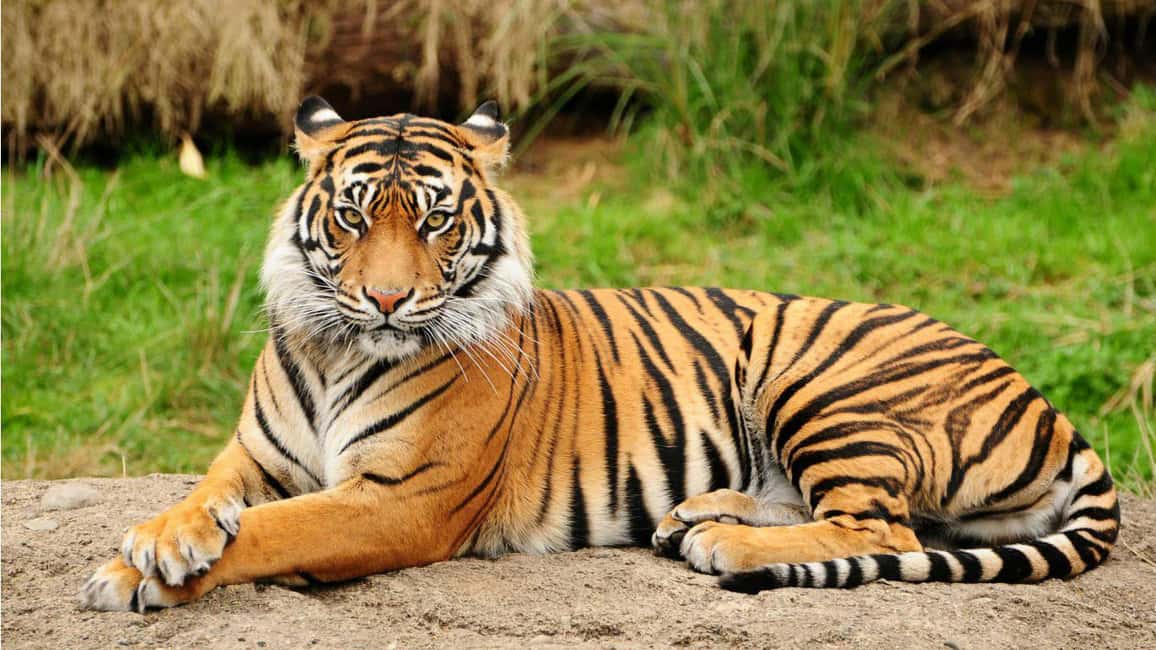
Tigers come up a lot in the stories people want to hear, but here’s the truth of safari life: tiger sightings are never guaranteed. People specifically noted that they did not see tigers in the period they went, including when it felt like off-season.
The value of a guided driver-and-guide combo
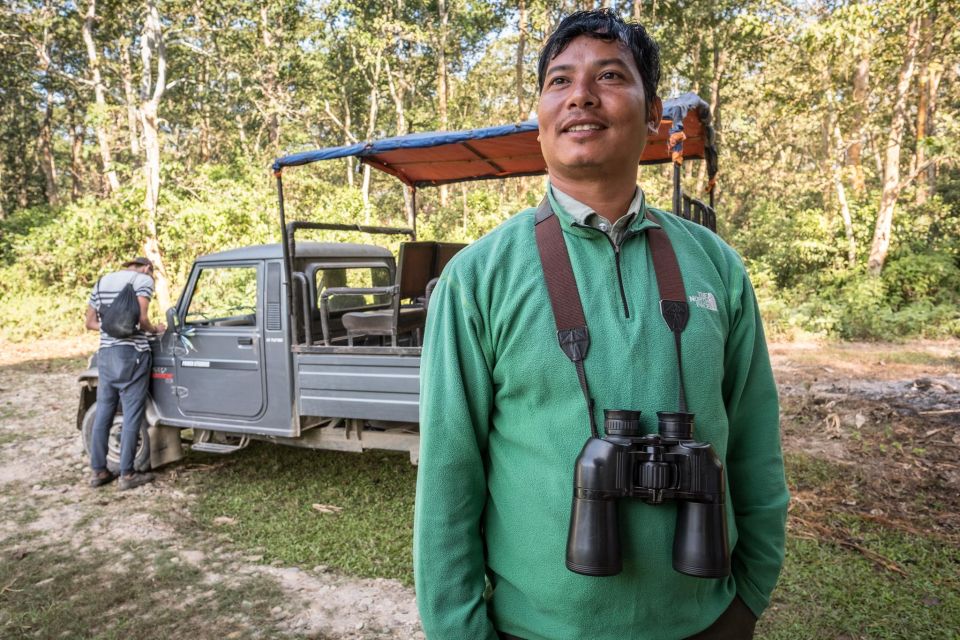
This is where having a strong guide matters. Names that came up frequently include Laxman and Som. The recurring theme: they spot things from farther away than most people can, and they explain species and animal behavior clearly. That makes your time in the jeep feel more like a lesson than just a ride.
You return for dinner and another night at the hotel.
Day 3: one last morning, then the bus back
Day 3 is intentionally lighter. You have breakfast, then you board the bus back to Kathmandu or Pokhara.
If you like wildlife timing, keep your expectations flexible. Your last morning might include one final look around the base area or a quick send-off moment, but the real focus is getting you safely back for onward travel.
The package includes the return by bus, with drop-offs at places like Thamel / Tourist Bus Stop in Kathmandu or Pokhara Bus Park, and you arrange a taxi to your hotel from there.
Where you sleep: Eden Jungle Resort and the comfort trade-off
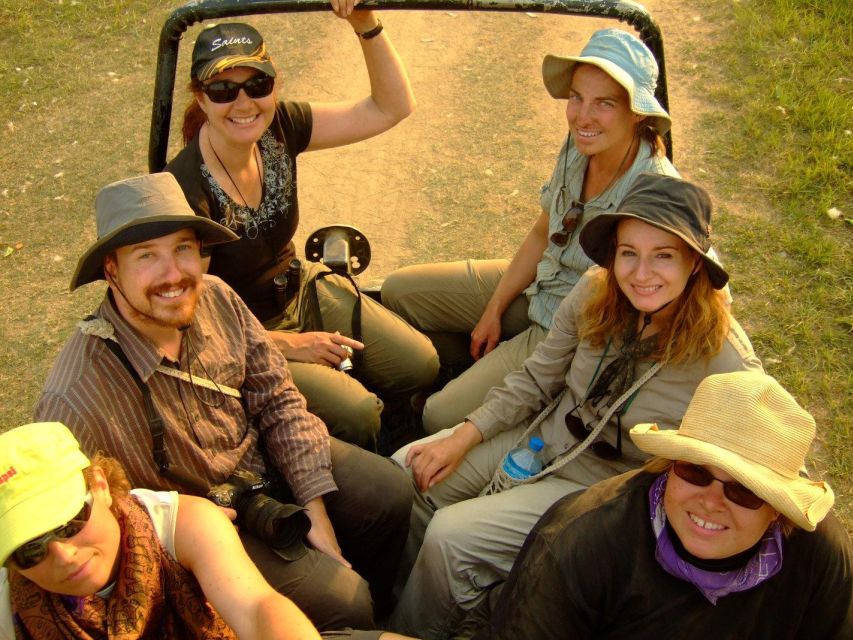
Most people tie this tour to a specific stay in Sauraha—often referred to as Eden Jungle Resort / Eden lodge in the feedback. The most common positive comments are:
- friendly, helpful staff
- good meals with attentive service
- rooms that feel clean enough and comfortable for the price
Some also point out that rooms can be basic and meals can feel repetitive. That’s not a deal-breaker for many wildlife-focused trips, but it’s good to know. If you want a high-end resort experience, Chitwan safari packages like this are not designed for that.
A small detail that came up: some people mention ants in rooms. It is not unusual in warm, outdoor-adjacent settings, but it is something to be aware of, especially if you are sensitive to insects.
What you’ll likely see in Chitwan (and why tiger luck matters)
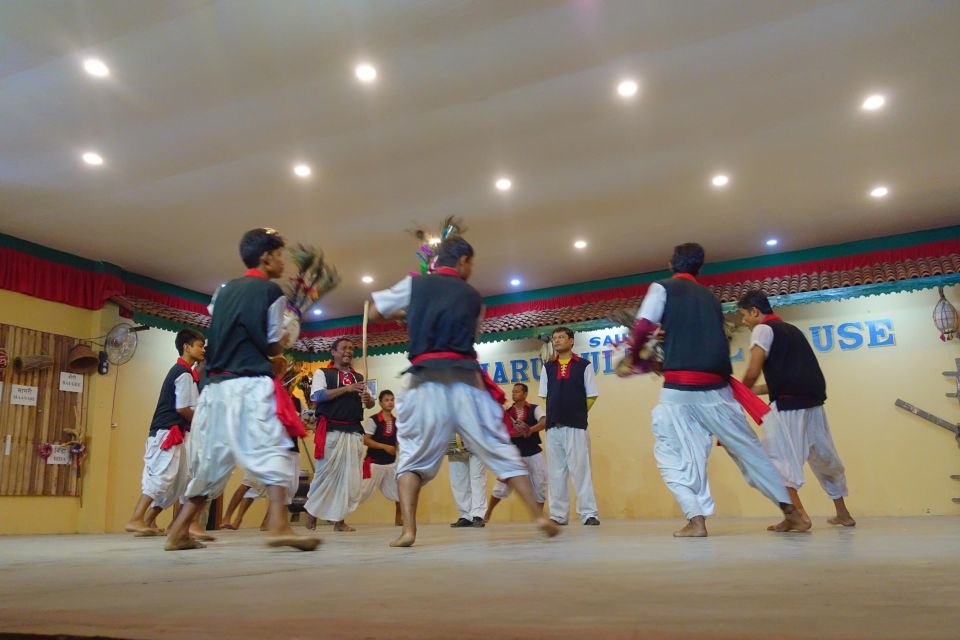
Chitwan is known for big mammals, but wildlife is not a vending machine. Your sightings depend on season, time of day, weather, and the animals’ own movement patterns.
The most strongly repeated sightings in the feedback are:
- rhinos (often more than once)
- elephants
- crocodiles
- exotic birds and other rainforest-edge wildlife
Tigers are the headline, but multiple people reported not seeing them on their trip. One person even said they got close to a rhino but still did not get tiger sightings. That matches how safari expectations usually play out: you can have an incredible animal day without checking the tiger box.
My advice: treat this as a wildlife safari for wildlife, not a tiger guarantee. If rhinos, elephants, crocs, and birdlife are enough to satisfy you, you’ll likely come away thrilled.
What to pack and wear so Chitwan feels comfortable
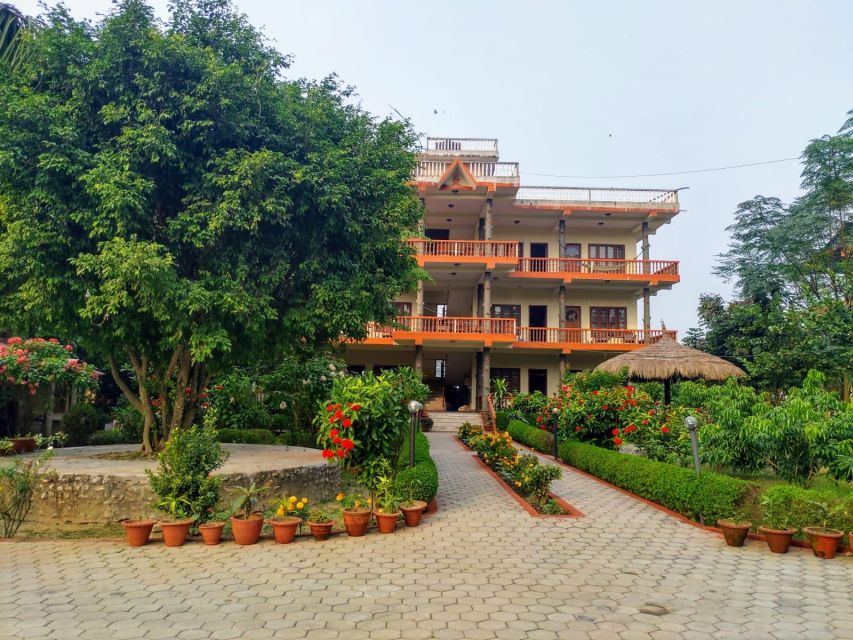
This trip is outdoors-focused. The packing advice is practical:
- a hat
- a camera
- passport (or a copy accepted)
Clothing guidance matters a lot because of sun and insects. Wear lightweight, breathable fabrics in neutral, earthy colors like khaki or green to blend in. Choose long sleeves and pants and bring sturdy closed-toe shoes.
If you think you might do any walking segments (many Chitwan days include them depending on the day’s route), closed shoes are non-negotiable. Also, you’ll want to use insect repellent before you head out, since the region is full of bugs and you will be outside for multiple hours.
Safety and rules: how this trip manages animal distance
Chitwan wildlife viewing can be safe and respectful when everyone follows the rules. The package includes clear do-not behavior like:
- no weapons or sharp objects
- no feeding animals
- no making noise
- no nudity
- no speakers
The goal is to keep wildlife unbothered and reduce risk. That is a big part of why guides matter. Many people praised Laxman and Som for keeping the group safe while walking and moving through the jungle.
That said, one feedback item raises a serious concern: a person claimed a walking safari felt borderline suicidal and said there were no safety precautions for risks like snakes and big cats. You should take that seriously as a warning sign about how you personally feel around walking in tiger country.
Practical move: during any walking part, stick close to the group, follow the guide’s instructions without improvising, and be honest about fear or discomfort. If you need extra safety assurance, ask your guide directly before any walk.
Who this 3-day Chitwan safari is best for
This fits best if you:
- want a lot of structured activities without building a plan yourself
- like wildlife viewing with a guide
- enjoy cultural add-ons like the Tharu dance show
- are comfortable with long driving days and a basic hotel setup
It is not suitable for:
- children under 5
- people with mobility impairments
- people over 95
If you are traveling solo, there are hints that Nepal can feel safe for women traveling alone, and that staff can help you feel at ease. Also, the group size is small (up to 10), so it is easier to make conversation without feeling trapped with strangers.
Should you book this Chitwan Jungle Safari?
Book it if you want a value-packed 3-day Chitwan trip that mixes culture with multiple wildlife formats (canoe plus jeep), and you are okay with the trade-off: long bus rides and unpredictable animal sightings.
Skip or at least pause if:
- the elephant center visit conflicts with your ethics
- you want a guaranteed tiger sighting
- you strongly dislike walking in wild terrain or feel uneasy about risks that come with jungle safaris
- you need high comfort and lots of extras beyond meals and basic hotel amenities
If you match the vibe—wildlife first, flexible expectations second—you’ll likely find this one a smart use of time in Nepal. And if you are lucky, rhinos (and the rest of the park cast) will make the road trip feel worth it within hours.
FAQ
What does the trip include for meals?
It includes 2 breakfasts, 2 lunches, and 2 dinners.
How long is the safari package?
The experience is 3 days.
How do I get to Chitwan from Kathmandu or Pokhara?
You travel by tourist bus. Approximate travel time is about 7 hours from Kathmandu and 6 hours from Pokhara, depending on road and traffic conditions.
Where do you get picked up and dropped off?
Pickup is available from multiple locations in Kathmandu/Pokhara. Drop-off is also available in Kathmandu (Thamel area or Tourist Bus Stop) and in Pokhara (Tourist Bus Park).
What activities are included in the safari?
A canoe ride on the Rapti River, a visit to an elephant breeding center, a 4-hour Jeep Safari, and a Tharu cultural dance show are included.
How long is the Jeep Safari?
The Jeep Safari is listed as 4 hours.
Does the package include a hotel?
Yes. It includes 2 nights of hotel accommodation.
Is the guide English-speaking?
Yes, the live tour guide is English.
What should I bring?
Bring a hat, camera, and your passport (a copy is accepted).
What is not allowed during the experience?
Weapons or sharp objects, feeding animals, making noise, jewelry, baby strollers, and speakers are not allowed (along with other restrictions listed in the activity rules).