REVIEW · KATHMANDU
Walking tour of real Kathmandu through back streets.
Book on Viator →Operated by Anil Manandhar · Bookable on Viator
Follow the lanes to real Kathmandu. This walking tour connects the everyday city with major landmarks, linking Ason bazar to Kathmandu Durbar Square and the surrounding palace and temple area through narrow back streets. I love how the route mixes street life and sacred spaces, and I love that you get a guided thread that helps you read what you’re seeing instead of just ticking off sights.
You’ll also see the Kumari Temple area and Hanuman Dhoka Palace surroundings, plus Indra Chowk and the famous Freak Street zone, all within a practical 3 to 4 hour window. One possible drawback: entrance fees are not included, so a few stops may cost extra depending on what’s open and what you choose to go into.
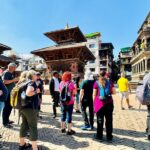
The good news is it’s a private tour for up to 10 people, led by licensed guide Anil Manandhar, and it starts at Garden of Dreams in central Kathmandu. That setup makes it easy to step from a calmer intro point into the real street grid without getting lost.
In This Review
- Key highlights on your route
- Start at Garden of Dreams, then walk into Kathmandu’s real rhythm
- Kathmandu Durbar Square: temples, stupa areas, and public courtyards
- Durbar Square tip
- Kumari Temple area: seeing a living cultural focal point
- Hanuman Dhoka Palace and a possible Pachali Bhairav moment
- Indra Chowk: the street crossroads that connects it all
- Ason bazar: Kathmandu’s ancient open super market
- What to expect while you walk Ason bazar
- Freak Street area: a different side of Kathmandu, still very real
- How to enjoy Freak Street without turning it into a theme park
- Price and logistics: what you’re paying for with $68 per group
- Who this tour fits best (and who might want a different plan)
- Quick practical advice before you go
- Should you book this walking tour?
- FAQ
- What is the meeting point for the tour?
- Where does the tour end?
- How long is the walking tour?
- How much does the tour cost?
- What is included in the price?
- Are entrance fees included?
- Is free cancellation available?
- What happens if the weather is poor?
Key highlights on your route
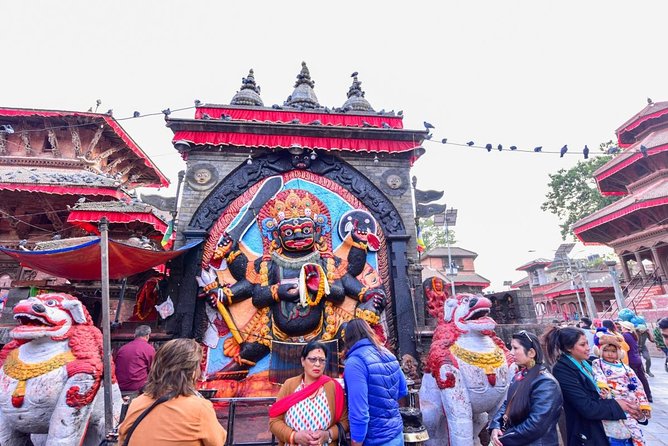
- Ason bazar, an old-school open market where you’ll see daily shopping rhythms in vegetables and groceries
- Kathmandu Durbar Square’s temple-and-courtyard layout including Buddhist stupa areas and Hindu shrines
- Kumari Temple and Hanuman Dhoka Palace zone with a cultural focus beyond photos
- Indra Chowk as a street crossroads that helps connect the monuments to neighborhood life
- Freak Street area for a taste of Kathmandu’s well-known traveler and street culture
Start at Garden of Dreams, then walk into Kathmandu’s real rhythm
I like that this tour begins at Garden of Dreams, a familiar landmark near Tridevi Sadak. It gives you a softer landing point before you head into the back streets, where everything feels closer and more immediate: foot traffic, shopfronts, temple courtyards, and people moving with purpose.
From there, you’re not doing a “stand here, look there” circuit. You’re walking. That matters in Kathmandu because the city is meant to be read on foot. Even if you only have half a day, you’ll get a sense of how the old and the everyday share the same streets.
You can also read our reviews of more walking tours in Kathmandu


Kathmandu Durbar Square: temples, stupa areas, and public courtyards
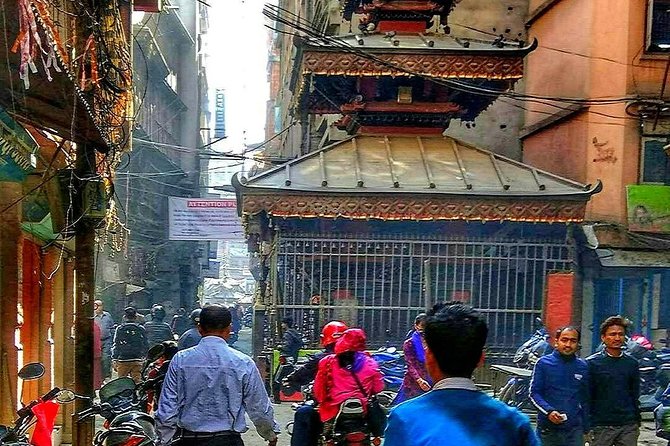
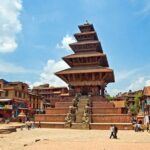
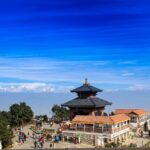
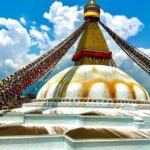
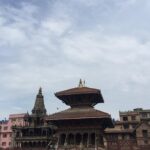
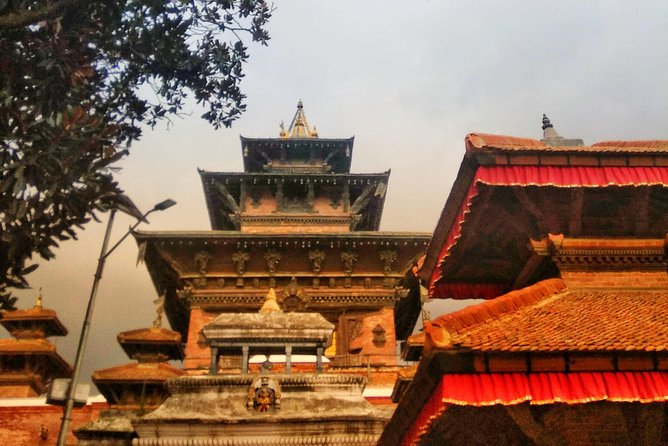
The core of the tour centers on Kathmandu Durbar Square, and it’s easy to see why. This isn’t a single monument—it’s a whole square made of layers: Buddhist stupa areas, Hindu temples, and public courtyards where life spills through the sacred spaces.
Here’s what I’d pay attention to while you’re there:
- The mix of religious styles in one compact area
- How people move through courtyards, not around them
- The way temples and palace architecture frame daily activity
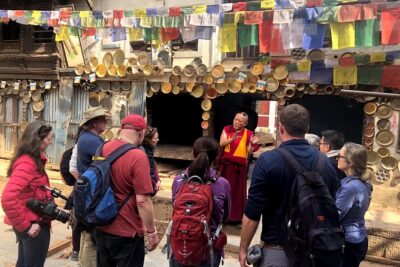
A guided walk is especially helpful at Durbar Square because details can look similar at first glance—stonework, carvings, and layered structures. With a good guide, you start noticing the differences and the meaning behind them.
Durbar Square tip
If you’re trying to photograph, do it quickly and respectfully. In courtyards, people are part of the scene, and standing in the wrong spot can block foot traffic. Keep your eyes up more than your camera does.
Kumari Temple area: seeing a living cultural focal point
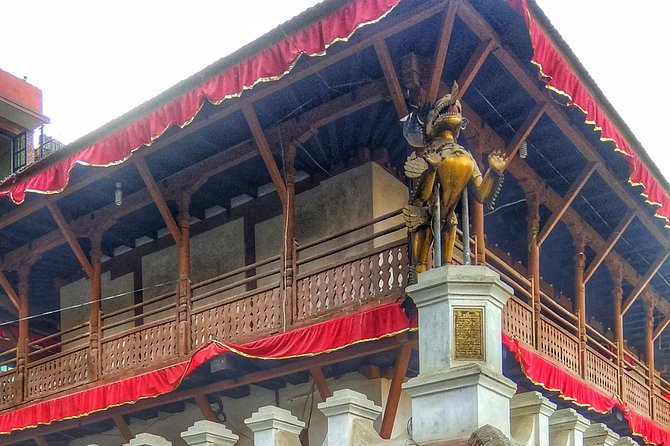
Next, you’ll focus on the Kumari Temple area. Even if you don’t know the full background, you’ll feel the importance right away because it’s treated as a focal point by the community and visitors alike.
What makes this stop valuable on a walking tour is the context. You see it not as an isolated ticketed attraction, but as part of the broader Durbar Square environment—temples, courtyards, and palace-adjacent spaces all in one flow. That’s what helps you understand why locals and visitors keep circling the same areas.
If you want to get more out of the stop, ask your guide how the area fits into Kathmandu’s daily culture. Anil Manandhar’s long experience shows up in the kind of explanations you get—clear and practical, not just dates and labels.
Hanuman Dhoka Palace and a possible Pachali Bhairav moment
The tour also includes the Hanuman Dhoka Palace surroundings. This is where the atmosphere starts to feel even more ceremonial. Palace architecture and temple details combine, and you get a sense of why the area has stayed central for generations.
One highlight from the guide’s long track record is the possibility of catching special performances during your visit. In at least one past tour, a moment featuring Pachali Bhairav dance at the palace was a standout. You should treat that as a sometimes-good-news scenario, not a guarantee, but it shows you the kind of cultural texture a guide can help you notice.
Even without a performance, palace courtyards and temple-adjacent spaces have their own logic. You’ll likely leave with a better feel for how Kathmandu’s sacred life overlaps with its built environment.

Indra Chowk: the street crossroads that connects it all
After the palace and temple focus, the route continues to Indra Chowk. This is a key bridge stop: it connects the monumental Durbar Square zone to the neighborhoods and street markets you’ll see later.
Indra Chowk helps you understand something important: Kathmandu isn’t organized only by attractions. It’s organized by everyday movement—where people gather, pass through, and shop. A guided walk makes this click faster than trying to puzzle it out alone.
A good time to slow down here is when the crowd thins slightly. Look around and track how the streets funnel toward temple zones and market areas. That pattern becomes obvious by the time you reach the next stop.
Ason bazar: Kathmandu’s ancient open super market
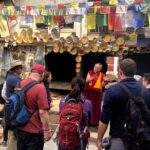
If you want the most memorable “Kathmandu in motion” moment, it’s usually Ason bazar. This is described as a traditional and ancient market place—an open super market where you’ll find vegetable and grocery markets.
This stop is more than shopping scenery. It’s about seeing how people build their day:
- vendors and shoppers sharing the same lanes
- produce and grocery trade happening in plain sight
- daily commerce woven into the city’s historic center
You’ll also appreciate the scale because it’s not a single storefront. It’s a web of stalls and activity that keeps moving even when you think it should have a quiet corner.
What to expect while you walk Ason bazar
As you move through, you’ll feel the contrast between temple silence and market noise. That contrast is part of the point of this tour. It’s also why the back-street route is so valuable: you don’t get one curated bubble. You get the real city texture.
If you’re the kind of traveler who likes to ask questions, this is a great place to do it. Ask what different sections are known for, and how the market fits into the wider rhythm of Kathmandu.
Freak Street area: a different side of Kathmandu, still very real
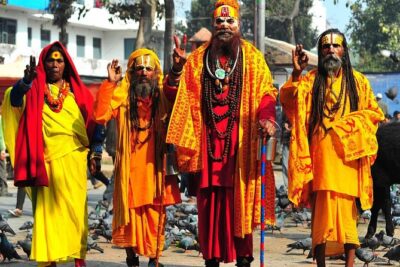
The tour also includes the famous Freak Street area. This stop gives you a different lens on Kathmandu—still local in character, but with a strong association with the kinds of travelers who have come through the city for decades.
On this walk, Freak Street works best as a contrast piece. After Ason bazar and Durbar Square, it’s a reminder that Kathmandu has always been a crossroads. It attracts pilgrims, shoppers, and wanderers, and the street scene reflects that.
How to enjoy Freak Street without turning it into a theme park
Keep it low-key. Walk through, observe the interactions, notice signage and street-level details, then move on. Your guide can point out what matters and what’s just noise.
Price and logistics: what you’re paying for with $68 per group
The price is $68.00 per group, with a group size up to 10, and the tour runs about 3 to 4 hours. That matters because the value isn’t just the sites. It’s the way someone like Anil Manandhar threads everything together for your group.
Here’s the practical math:
- If you’re able to fill the group size, the cost per person can drop a lot.
- If it’s just a couple of you, you’re paying more per head, but you still benefit from a private route and licensed guidance.
Also, the tour does not include entrance fees. So your real total depends on what you decide to enter and what’s open. I’d treat this as a “guided walk plus possible small add-ons” situation, not an all-in ticket bundle.
One more logistics note: the tour window runs daily from 9:15 AM to 2:15 PM. If you’re sensitive to heat or crowds, you’ll usually feel better starting earlier in that range.
Who this tour fits best (and who might want a different plan)
This walking tour is best for you if you like:
- back-street exploration more than big-spotset sightseeing
- market culture as much as temples and palaces
- a guide who can explain what you’re seeing without turning it into a lecture
It’s also ideal for small groups and private parties. Only your group participates, which makes it easier to ask questions and move at a comfortable pace.
You might want a different option if:
- you hate walking through busy public spaces
- you want a fully ticketed, all-inclusive monument day with no extra entrance costs
Most travelers can participate, but Kathmandu streets do require normal city-walking stamina. Wear shoes you trust.
Quick practical advice before you go
A few small things will make this smoother:
- Bring light layers and water, since the schedule sits in daytime hours.
- Keep some cash for any entrance fees that come up.
- Be ready for close-up street scenes. This isn’t a distance-viewing tour.
And mentally, go in expecting contrast: quiet sacred courtyards, then the loud, layered market lanes of Ason bazar, then the more streety vibe near Freak Street. That swing is what makes the day feel like Kathmandu, not a list.
Should you book this walking tour?
I think this is a smart booking if you want Kathmandu to feel lived-in. The mix of Ason bazar, Kathmandu Durbar Square, Kumari Temple area, Hanuman Dhoka Palace surroundings, Indra Chowk, and Freak Street keeps the walk from becoming one-note sightseeing.
Book it if you value context and pacing more than buying tickets to separate attractions. It’s also a strong choice because the guide is licensed and the experience is private for your group.
Skip it only if entrance fees would annoy you, or if you want a strictly monument-only day with less street exposure. If you’re fine with a walk and a bit of extra paying at doors when needed, this tour is one of the better ways to see the city’s everyday side while still hitting Kathmandu’s big cultural landmarks.
FAQ
What is the meeting point for the tour?
The tour starts at Garden of Dreams, Tridevi Sadak, Kathmandu 44600, Nepal.
Where does the tour end?
It ends back at the meeting point (Garden of Dreams).
How long is the walking tour?
It runs about 3 to 4 hours.
How much does the tour cost?
It costs $68.00 per group, up to 10 people.
What is included in the price?
A licensed guide service is included.
Are entrance fees included?
No. Entrance fees are not included (admission ticket not included).
Is free cancellation available?
Yes. You can cancel for a full refund up to 24 hours in advance.
What happens if the weather is poor?
The experience requires good weather. If it’s canceled due to poor weather, you’ll be offered a different date or a full refund.