REVIEW · KATHMANDU
Kathmandu: Nagarkot Sunrise & Hike with Lunch -Private/Group
Book on GetYourGuide →Operated by Luxury Holidays Nepal · Bookable on GetYourGuide
Waking up for mountains is never ordinary. This Nagarkot sunrise and hike blends a Himalayan viewpoint with a guided walk to UNESCO Changu Narayan Temple, and it feels like a break from city time; the only catch is sunrise visibility depends on weather, so fog can steal the show. You’ll start with early pickup from Thamel, ride out in a car, and then follow an English-speaking hiking guide who keeps the day moving at a human pace (I’ve heard guides like Anon, Nissan, Pradip, and Suresh stand out for being friendly and patient). If you’re the type who needs a clear Everest view no matter what, plan for disappointment on low-visibility mornings.
What I like most is how the timing makes sense: sunrise first, then a downhill culture-and-nature hike with village life along the way. You’ll also get a breakfast box (water, muffin, donut, banana, and juice) and a packed lunch, so you’re not hunting for food while everyone is moving downhill. One consideration: the trail is uneven with downhill terrain, so low-fitness walkers should choose a gentler day.
In This Review
- Key Highlights You’ll Feel Right Away
- Nagarkot Sunrise: Why the Early Start Feels Worth It
- A small reality check about fog
- Getting From Thamel to Nagarkot: Electric-Car Convenience That Helps
- The Sunrise Window: What You Should Do When the Light Arrives
- If you’re planning photos
- Breakfast option if you want extra time
- The Hike Down to Changu Narayan: Village Life, Forest Sections, and Downhill Reality
- What the trail is like
- How the guide changes the hike
- Arriving at Changu Narayan: UNESCO Texture and the Oldest-Temple Feeling
- Temple entry fee: small, but optional planning helps
- Food on the Move: Breakfast Box and Packed Lunch You’ll Actually Use
- If you have dietary restrictions
- Private vs Group: Choosing the Right Vibe for Your Day
- Group tour strengths
- Private tour strengths
- Minimum size for group operations
- Price and Value: What You’re Really Paying For
- Practical Tips That Make This Tour Easier
- Should You Book This Nagarkot Sunrise & Hike?
Key Highlights You’ll Feel Right Away
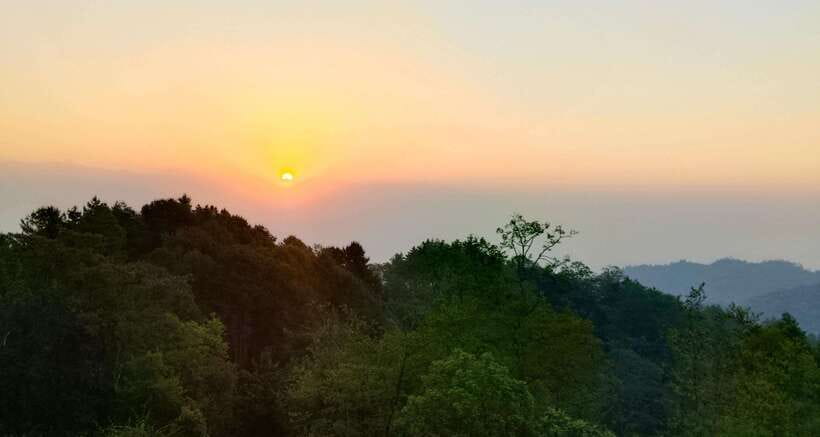
- Nagarkot sunrise viewpoint time: you get a real window (not a drive-by) to catch the first light, when skies cooperate.
- Guided hike with local context: your route links forests, terraces, and settlements to the story of Changu Narayan.
- Changu Narayan Temple, UNESCO-listed: one of the oldest temple sites in the Kathmandu Valley.
- Food planned for hikers: breakfast box plus a packed lunch keeps your energy steady.
- Electric-car comfort on the roads: air-conditioned transport makes the early start easier on your body.
Nagarkot Sunrise: Why the Early Start Feels Worth It
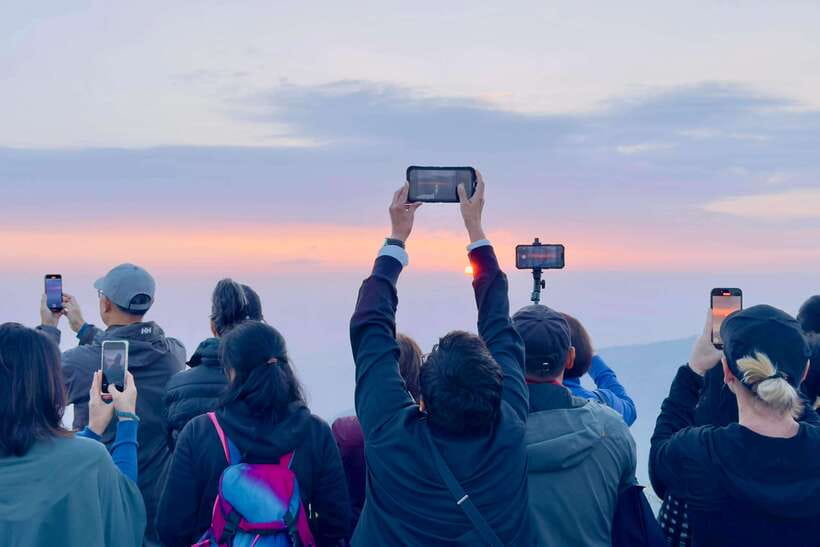
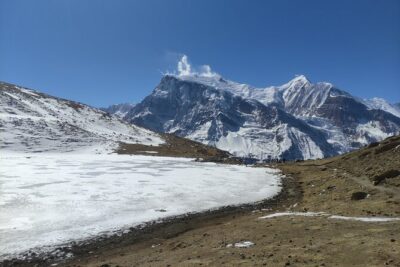
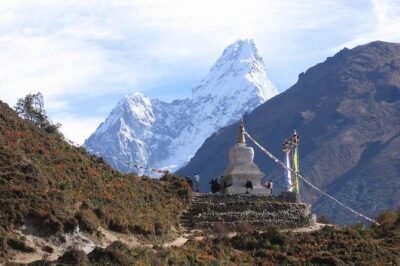
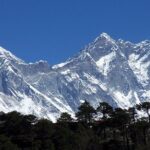
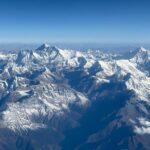
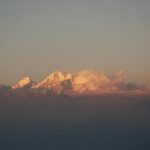
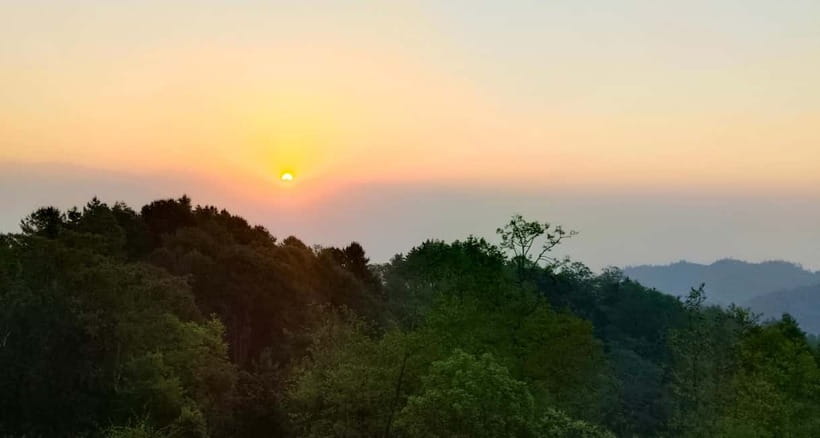
Nagarkot is one of those places where the morning has a soundtrack. You leave Kathmandu in the dark-ish early hours, then the world slowly lightens as you head toward the viewpoint. If you’re lucky with visibility, the ridgelines can look razor-sharp, and you may see peaks like Langtang and Ganesh Himal. On clearer mornings, the view can stretch farther than most people expect.
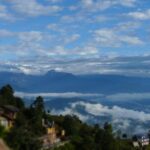
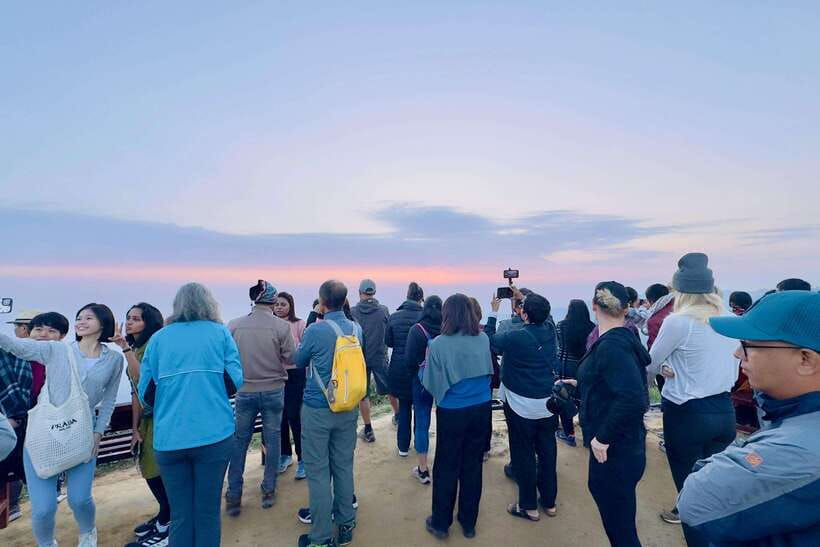
The tour’s structure respects how sunrise actually works. You don’t just arrive, take one photo, and leave. You get time at the viewpoint, which matters because weather often changes by the minute. Even when the mountains disappear behind haze, the morning can still feel special—thick air, soft light, and that quiet moment before the day fully starts.
You can also read our reviews of more private tours in Kathmandu
A small reality check about fog
The big thing to know is this: sunrise visibility is not guaranteed in Nagarkot. The itinerary builds in time, but clouds and fog still control the drama. I wouldn’t treat Everest promises as a sure thing—one guide’s comment in the data even hints that the farthest peaks are not always realistic from this angle. If you come for the hike and the temple as much as the view, you’ll still have a good day.
Getting From Thamel to Nagarkot: Electric-Car Convenience That Helps
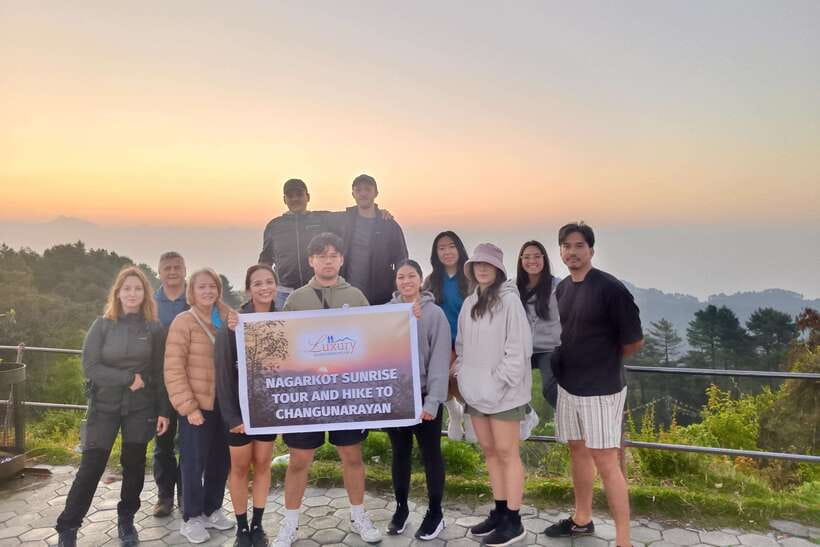
Pickup is simple and centralized: Thamel is one of the main start points in Kathmandu, and pickup is also available from other locations inside the Kathmandu Valley. You’ll be ready in the lobby about 15 minutes before pickup. Exact pickup timing is confirmed the day before since it depends on sunrise.
The drive itself is a big part of the comfort. The tour uses private air-conditioned transportation and includes an electric-car ride (listed as about 1.5 hours). That matters when you’re starting very early. You don’t want to arrive stiff and tired, especially if you’re doing a downhill hike after.
For group tours, you might wait a little. Multiple pickup stops can slow things down. It’s not a deal-breaker, but it explains why the tour duration can stretch toward the longer end of the range.
The Sunrise Window: What You Should Do When the Light Arrives
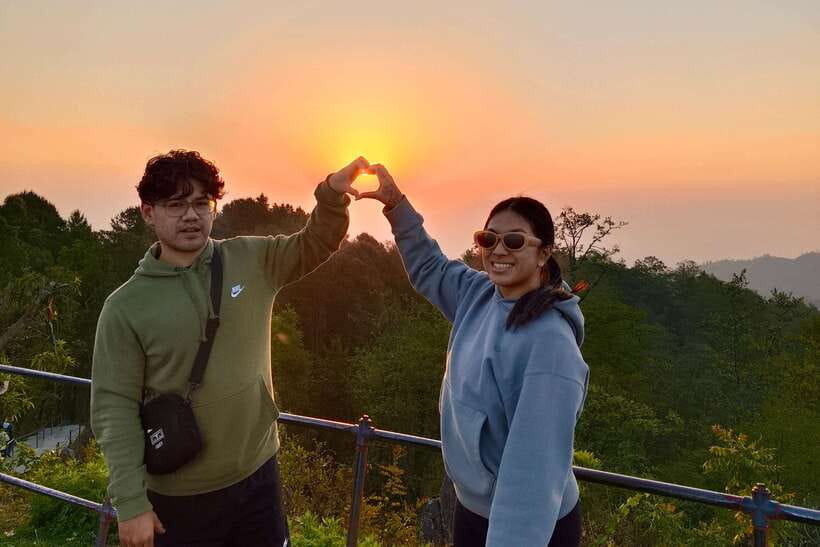
At Nagarkot, the tour experience gives you a focused block of time at the viewpoint (listed as about 2 hours). That’s long enough to:
- settle in and find the best sightlines
- watch clouds move
- take photos without feeling rushed
When conditions are good, guides often help you identify what you’re seeing. In the reviews, different guides (Anon, Nissan, Pradip, and Suresh show up by name) are described as conversational and attentive—helpful when you want more than a vague wow.
If you’re planning photos
Bring something you can layer quickly. The early hours can be chilly, and then you warm up as the sun rises. If visibility is low, don’t pack up immediately. Haze can shift and reveal peaks in short bursts.
You can also read our reviews of more tours and experiences in Kathmandu
Breakfast option if you want extra time
After sunrise, you have an optional breakfast stop at Club Himalaya. That’s not included, but it can be a nice way to slow down if your hike starts later than expected or if your group is ready for a calm food break.
The Hike Down to Changu Narayan: Village Life, Forest Sections, and Downhill Reality
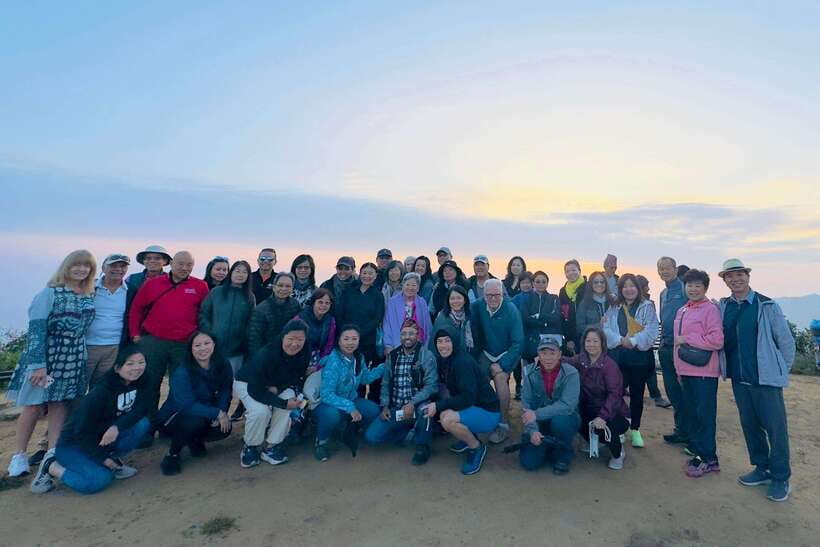
After the sunrise, the day shifts from viewing to walking. The route is a guided descent from Nagarkot to the historic Changu Narayan area. The time on the trail is listed at about 3 to 4 hours depending on the exact version you take, plus it’s described as downhill terrain.
This is the part where you should be honest about your fitness. The tour isn’t for low-level fitness, and it does include uneven trails and downhill walking. If your knees hate descents, take trekking poles if you have them.
What the trail is like
Your guide leads you through a mix of rural Nepal you don’t see from a car:
- terraced farms
- forested sections
- traditional settlements and everyday life
Some hikers also describe crossing a suspension bridge and passing through areas with waterfalls. Those details might vary by season and the chosen route, but the broader pattern is consistent: it’s not a paved stroll. It’s a real countryside hike with culture happening around you, not just scenery behind you.
How the guide changes the hike
This tour leans hard on your hiking guide for context. In the reviews, guides are repeatedly praised for pacing, friendliness, and for answering questions about religion, customs, and even classic stories like the Mahabharata and Bhagavadgita (Sujan is specifically mentioned for storytelling). That kind of commentary turns the hike from exercise into a lived-in understanding of the valley.
Arriving at Changu Narayan: UNESCO Texture and the Oldest-Temple Feeling
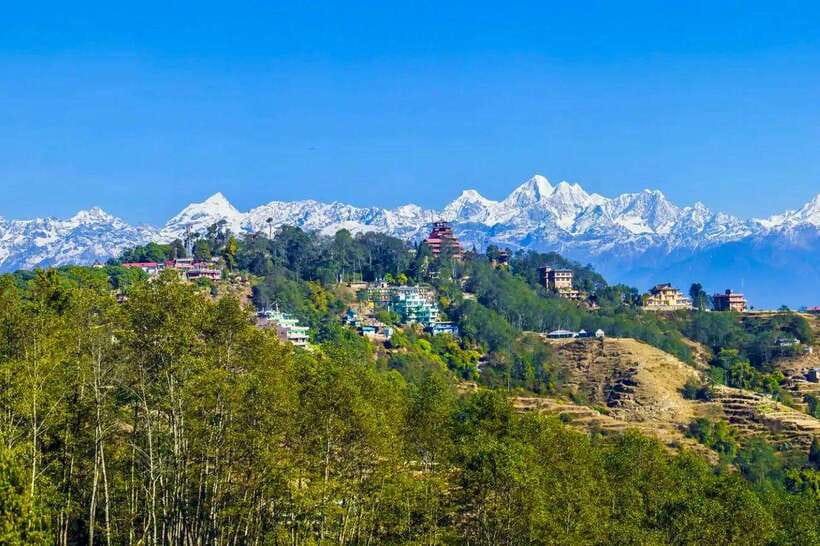
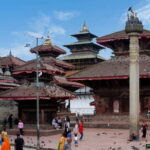
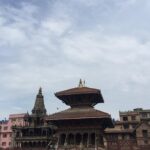
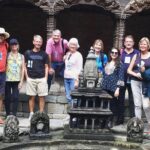
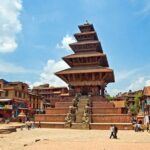
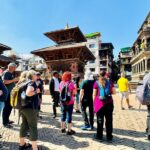
The endpoint is Changu Narayan Temple, a UNESCO-listed site and one of the oldest known temple locations in the Kathmandu Valley. When you arrive, you’re not just stepping into a viewpoint—you’re stepping into a place with deep continuity.
If you’re interested in Nepal’s religious and historical layers, this stop is a satisfying payoff. The tour gives you a guided approach during the hike and then connects you to the temple site at the end.
Temple entry fee: small, but optional planning helps
Temple entry is not included in the hike package. The listed estimate is around USD 3, and it’s optional after the hike. If you want to go in, tell your guide at the right moment so you’re not searching for cash or scrambling for time when the group is ready to move on.
Food on the Move: Breakfast Box and Packed Lunch You’ll Actually Use
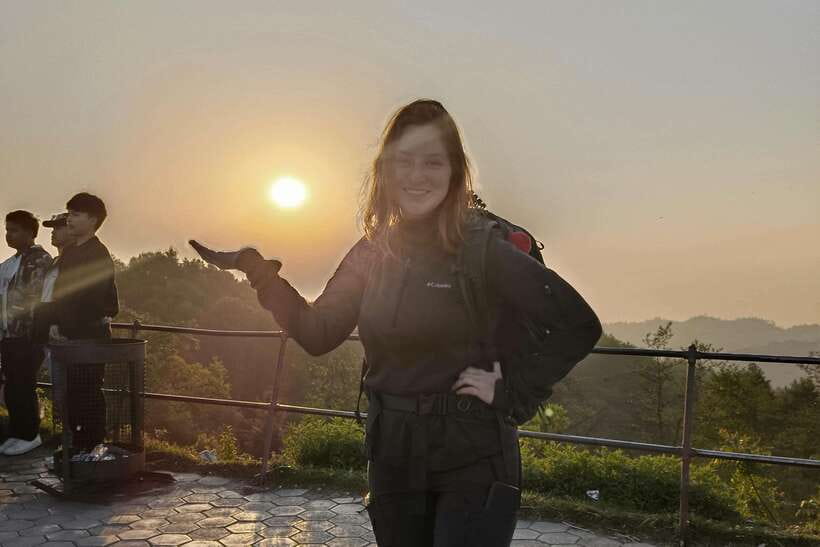
One of the smartest parts of this tour is the food strategy. You get a breakfast box included, listed as:
- 500ml bottled water
- muffin
- donut
- banana
- juice
It’s not a fancy spread, but it’s exactly the kind of calories that work before a cold morning climb and then a downhill hike. You’re not stuck hungry while everyone is waiting for the sunrise window.
You also get a packed lunch (the tour highlights it as a fresh lunch box). Having lunch built into the day matters because you’re moving between viewpoint, trail, and temple without long gaps for restaurant hunting.
If you have dietary restrictions
The tour info asks you to mention dietary restrictions in advance. If you’re picky or have allergies, message ahead so your guide can plan.
Private vs Group: Choosing the Right Vibe for Your Day
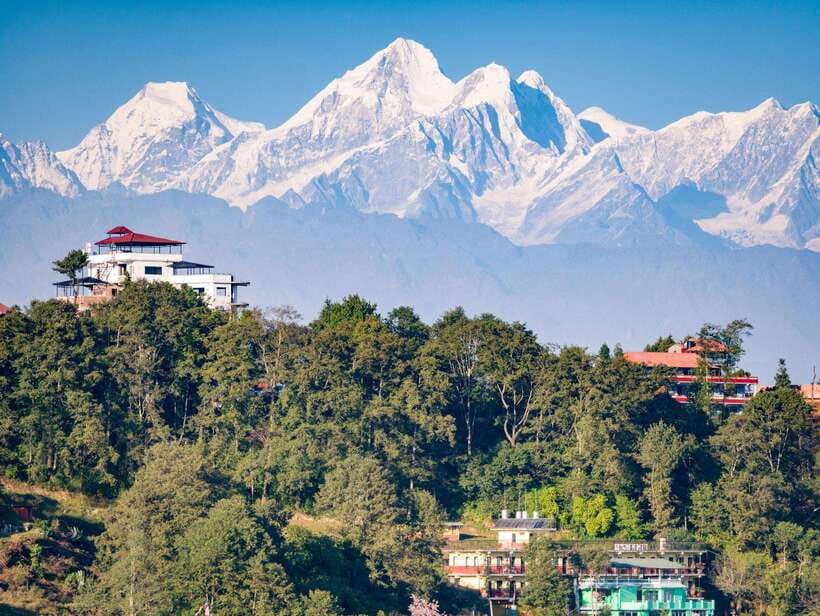
This experience offers private and group options. The difference isn’t just cost—it’s how your morning flows.
Group tour strengths
A group tour can be easier if you like social energy, and it’s often a good way to meet people while you wait for sunrise timing. In the reviews, there are mentions of group conversations with guides like Anon, and that kind of back-and-forth can make the cold morning feel warmer.
Private tour strengths
If you want control—slower photo stops, extra time at the temple, or a tighter pacing—private can be the better fit. One review describes how a guide adjusted the morning hike to show more when the weather didn’t cooperate. That kind of flexibility is easier when you’re not managing a bigger group.
Minimum size for group operations
Group tours require a minimum of two people. If you’re booking solo and want a group experience, confirm what option you’ll actually get.
Price and Value: What You’re Really Paying For
The listed price is $5 per person, with hotel pickup/drop-off, private air-conditioned transportation, an English-speaking hiking guide (for the hiking portion), and government taxes included. At that level, the value isn’t the food or the bus ride—it’s the combination of:
- early-morning logistics handled for you
- an experienced guide for the descent
- temple-area cultural context
- meals planned so you don’t lose time
Realistically, the sunrise part is weather-dependent. So the best way to think about the value is like this: you’re paying for a well-run morning and a structured cultural hike. If the mountains are visible, you get a bonus. If they’re not, you’re still doing a meaningful day outdoors with a guided story at Changu Narayan.
Also note what’s not included: personal expenses and meals beyond the box/lunch, plus temple entry if you choose to go in. That’s normal for this kind of tour, and it keeps the main package focused.
Practical Tips That Make This Tour Easier
These are the details that help the most, based on how the day works:
- Wear hiking shoes with decent grip. The trail is uneven and downhill.
- Layer up for the early start. Sunrise mornings can be cool even if Kathmandu is warm later.
- Bring weather-appropriate clothing and expect sudden changes around Nagarkot.
- Plan for uneven downhill terrain if you’re average fitness. If you’re below-average, consider skipping the hike or choosing a less physical option.
- Know that sunrise-only has a different support setup: for the sunrise-only option, the tour data says there’s no hiking guide included—just an English-speaking driver to assist.
- Tell your guide about mobility concerns or dietary needs before you go.
Finally, pick your expectations. If you treat the sunrise as the main event, fog can feel frustrating. If you treat the hike and the temple as the main event, the sunrise is the nice added bonus.
Should You Book This Nagarkot Sunrise & Hike?
Yes, you should book it if you want an early-morning break from Kathmandu that still includes real walking and a meaningful cultural endpoint. This is especially worth it when:
- you like guided context, not just photos
- you’re comfortable with a downhill, uneven hike for a few hours
- you value good logistics (pickup, transport, meals planned)
You might skip or reconsider if:
- you’re not confident on uneven downhill trails
- you can’t handle the possibility of fog or low visibility at sunrise
- you’re expecting a guaranteed view of the very farthest peaks
If your goal is to see the mountains when possible and then spend the rest of the morning getting to know rural Nepal on foot, this Nagarkot day is a strong use of half a day in the Kathmandu Valley.