REVIEW · KATHMANDU
12-Day Nepal Adventure Trek with Jungle Safari
Book on Viator →Operated by Outfitter Himalaya Holidays P. Ltd · Bookable on Viator
Two weeks, three worlds of Nepal. This trip strings together Kathmandu temple highlights, a classic Annapurna Poon Hill trek, and then a real change of pace with Chitwan jungle time. I like that it stays structured but not frantic, and guides such as Raj or Amrit are consistently praised for keeping you on track.
What I really like is how the trekking part gives you big views without requiring technical climbing. You’ll get a high-altitude sunrise payoff at Poon Hill (3,232m), then descend through forests to village routes like Ghandruk and later down through rice fields toward Syauli bazaar. The food is practical for hikers, and accommodations are often described as basic but clean—exactly what you should expect on lodge treks.
One consideration: plan for a day with steep uphill effort—some hikers call out a tough stretch with lots of stairs—and also remember Day 2 sightseeing has an extra cost (listed as $25 per person for key sites). If you’re not comfortable with sustained climbing at altitude, this trip can still work, but you’ll want to go in with the right fitness mindset.
In This Review
- Key highlights you’ll feel fast
- Why this Nepal Adventure mix actually works
- First morning: airport pickup at 6:15 and a temple circuit in Kathmandu
- The drive to Pokhara: Trisuli and Marsyangdi scenery before the trek
- Annapurna trek: from Tikhedhunga up to Ghorepani and onward
- Poon Hill sunrise: what to expect and how to make it worth the climb
- Ghandruk and Syauli bazaar: village trekking that feels real
- Pokhara to Chitwan: switching from mountain trails to jungle time
- Chitwan jungle walking and safari: wildlife plus Tharu culture in one day
- Bird watching morning and the drive back to Kathmandu
- Price and logistics: does $950 actually make sense?
- Who should book this, and what to prepare for
- Should you book this Nepal Adventure Trek with Jungle Safari?
- FAQ
- What time does the tour start and where do I meet it?
- Does the price include trekking permits?
- Are Kathmandu sightseeing entrance fees included?
- How many nights and meals are included?
- Is there airport pickup?
- Will I have a guide and group size limits?
- What if I cancel close to departure?
Key highlights you’ll feel fast
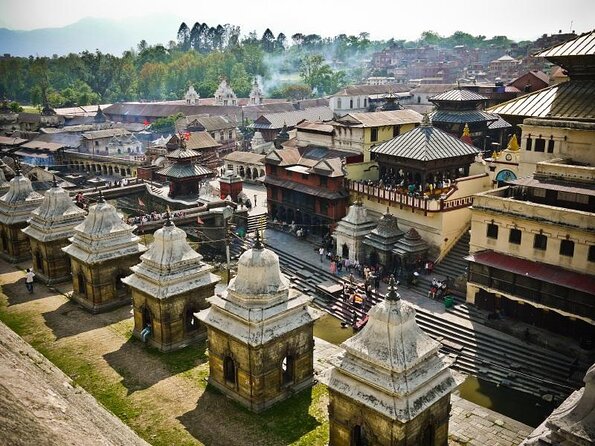
- Poon Hill sunrise at 3,232m with wide Himalayan views when skies cooperate
- Small group size (max 14) with a local guide throughout, so you’re not lost in the chaos
- Annapurna village trekking through Ulleri, Banthanti, Ghandruk, and down toward Syauli bazaar
- Chitwan jungle activities including Jungle Walking and Safari time into streams and deeper jungle
- Tharu cultural experiences (including a stick dance) alongside wildlife-focused hours
- Permits handled via TIMS and trekking permits included in the price
Why this Nepal Adventure mix actually works
This is one of those rare trips where you get three different Nepal vibes in a single package: cultural Kathmandu, mountain hiking in the Annapurna region, and wildlife-focused Chitwan. The value is that you’re not just ticking boxes. The days are sequenced so you build from city sights into trekking, then switch gears into jungle living once your legs have adjusted.
You’ll be moving by tourist bus between the big zones (Kathmandu–Pokhara–Chitwan–Kathmandu). That matters because it cuts down on guesswork and saves you from having to manage schedules and connections on your own. Your local guide helps you connect the dots—temple rules, trail timing, permit basics, and what’s realistic each day.
And even with the adventure label, this is geared toward moderate physical fitness. The trek is not described as technical, but it is described as occasionally steep. Think of it as a hiking journey with climbs and descents, not a casual stroll.
You can also read our reviews of more hiking tours in Kathmandu
First morning: airport pickup at 6:15 and a temple circuit in Kathmandu
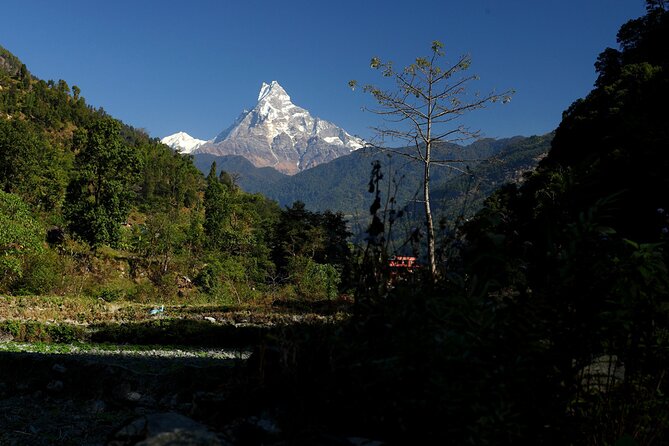
Your day starts with a straightforward meeting point: Tribhuvan Airport in Kathmandu, with a start time of 6:15am. That early time is helpful because Kathmandu traffic can be chaotic, and it gives you daylight for sightseeing.
Day 2 is a temple-and-stupa sweep with four major stops:
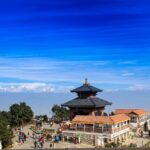
- Swayambhunath (Monkey Temple): plan on walking and climbing up to viewpoints
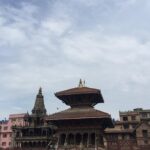
- Kathmandu Durbar Square: a major heritage area with dense cultural detail
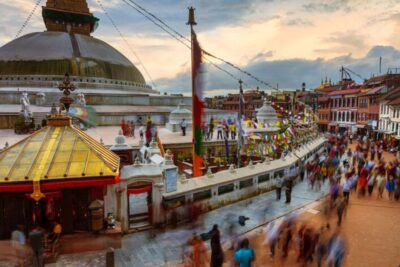
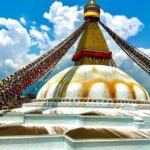
- Boudhanath Stupa: a big Buddhist site where you can slow down and watch daily devotion
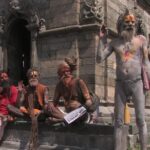
- Pashupatinath Temple: one of Nepal’s most important Hindu temples
All of this is with your local guide, which is the difference between seeing places and understanding what you’re looking at. That said, you should budget extra here. The tour notes that entrance fees for Swayambhunath and all Day-2 sightseeing places are $25 per person and are not included in the $950.
Also, Swayambhunath’s nickname comes from resident monkeys—so keep small items secured. It’s not about fear; it’s just about being practical.
The drive to Pokhara: Trisuli and Marsyangdi scenery before the trek
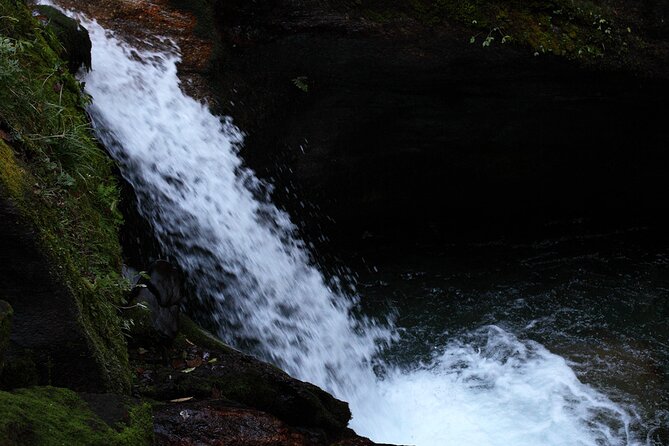
On Day 3 you travel to Pokhara by road. The tour specifically mentions a scenic drive along the Trisuli and Marsyangdi River. That’s a nice mental reset: you’ll feel the country transition from dense city energy toward river valleys.
This day is about arrival and adjustment. You’re not hiking yet. You’re positioning yourself for the first trekking day that starts around Nayapul. I like this pacing because it reduces the “land, panic, climb” effect that some shorter Nepal itineraries create.
Annapurna trek: from Tikhedhunga up to Ghorepani and onward
Your trek begins after driving to Nayapul and walking out toward Tikhedhunga (1,577m) via Birethanti (1,065m). This first hike is a classic warm-up gradient. It also gives you a feel for lodge life—where you’ll sleep and eat—because you’ll be doing it again and again for several nights.
Here’s how the Annapurna portion unfolds, in the order you’ll experience it:
Day 4: Tikhedhunga route (about 6 hours of hiking)
You start with breakfast, then drive to the Nayapul trailhead area. You’ll hike out toward Tikhedhunga, crossing through smaller settlements. Expect an early focus on getting into rhythm: steady steps, water intake, and pacing that doesn’t outrun your breathing.
Day 5: Tikhedhunga to Ghorepani (about 7 hours)
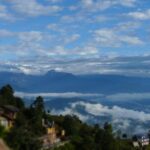
This is one of the more clearly “trekking” days. The description highlights a steep climb for the first stretch, then a gentler ascent passing through Ulleri (2,070m) and Banthanti. This is also where views start to feel closer—mountain lines show up more often, and the trail feels less like a path through villages and more like a corridor into the Himalaya.
Day 6: Ghorepani and the Poon Hill climb (about 7 hours total)
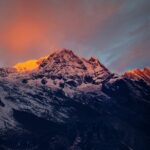
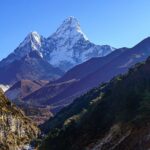
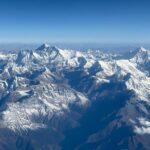
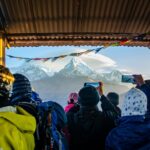
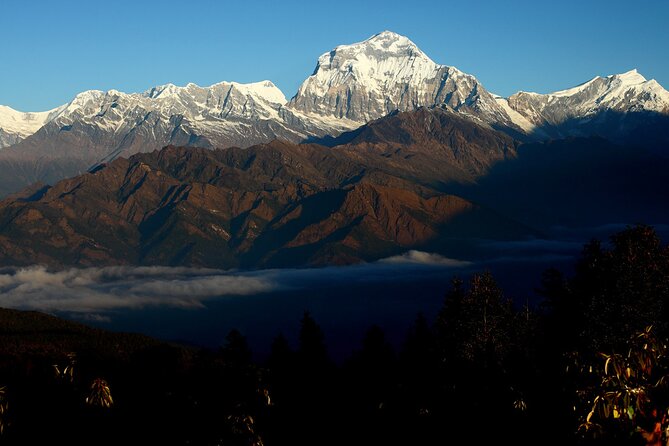
The big event is Poon Hill sunrise/viewing from 3,232m. The tour notes you’re going up in time for views including Dhaulagiri, Tukuche Peak, Nilgiri, Varaha Shikhar, Annapurna I, and Annapurna South (when weather cooperates). Even if clouds show up, the climb itself can be rewarding—because you’ll feel the altitude working on you.
Day 7: Ghorepani onward to Ghandruk (about 4 hours, easier hiking)
After the higher-energy day, Day 7 is described as easier: descending gently through rhododendron, oak, and dense forest. This is the day your legs often appreciate most. It’s also a great time to slow down and notice birdsong and tree textures, because the trail is less punishing.
Day 8: Final trek to Syauli bazaar, then Pokhara (about 6 hours)
Day 8 is easy and ends with descent through rice fields and local villages toward Syauli bazaar. Then you go back to Pokhara. This is the day you’ll feel the emotional shift: the trek is almost over, and you’re trading mountain air for warmer valley routines.
Poon Hill sunrise: what to expect and how to make it worth the climb
Poon Hill is the reason many people pick this trip. You’re going up to catch sunrise views over major peaks, and the tour frames this as a highlight.
A few practical notes so you don’t waste the effort:
- Go in planning for altitude effort. You’ll be climbing to 3,232m, and cold can sneak in early.
- Keep your camera handy, but also look up without the screen. The scale is part of the payoff.
- Weather is the wildcard. When skies are clear, the view can be spectacular. When they’re not, you still get a powerful mountainside hike.
The trek route also ties Poon Hill to the Annapurna experience. You’re not hiking just for one photo at the top; you’re moving through Ulleri, Ghorepani, then down toward Ghandruk and beyond, which makes the whole day sequence feel coherent.
You can also read our reviews of more tours and experiences in Kathmandu
Ghandruk and Syauli bazaar: village trekking that feels real
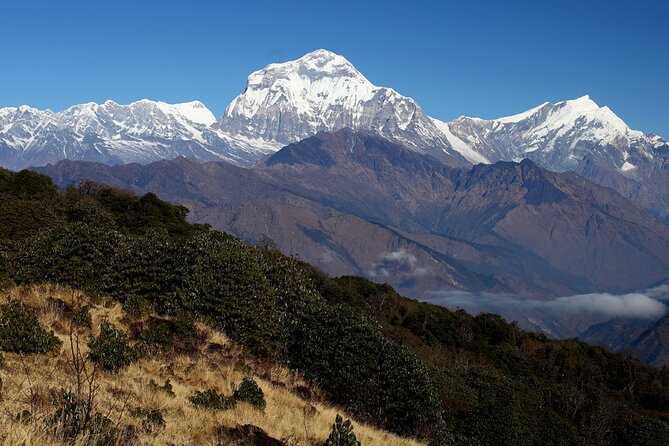
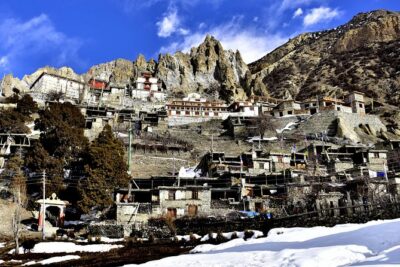
I like that this trek includes villages where life isn’t staged for tourists. You’ll pass through places like Ghandruk and then head toward Syauli bazaar on the way down. These parts of the route are less about dramatic cliff scenery and more about how Nepal communities live near the mountains.
Day 7 in particular is described as gentle descent through forest types like rhododendron and oak. That mix of green trails and bird activity makes the day feel less like an exercise treadmill.
Then Day 8 turns it into low-altitude Nepal: rice fields, local villages, and an easy-going downhill. Even if your body feels tired, the scenery changes in a satisfying way—so you don’t feel like you’re repeating the same view for hours.
Pokhara to Chitwan: switching from mountain trails to jungle time
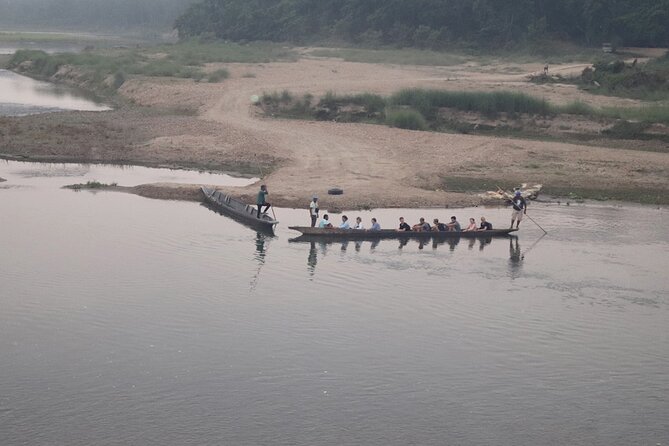
After trekking, you’ll return to Pokhara. Then Day 9 is your transition into the jungle: a drive to Chitwan National Park that takes about 6 hours.
You check into a jungle lodge and then start with a Tharu village tour. That matters because Tharu culture is not just a side activity here—it’s part of how Chitwan is interpreted. It helps you understand what you’re seeing once you’re walking near streams and into jungle areas the next day.
This is also where you should mentally reset your expectations. Trekking is about breath and foot rhythm. Jungle days are about heat, humidity, quiet scanning, and being ready for wildlife opportunities at specific times.
Chitwan jungle walking and safari: wildlife plus Tharu culture in one day
Day 10 is the action day. The tour lists a full day of jungle activities:
- Jungle Walking
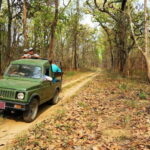
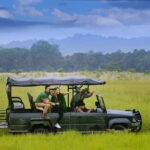
- Jungle Safari across streams and into the jungles
- Tharu cultural stick dance (described as part of the experience)
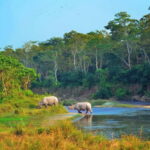
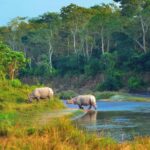
This day is where the whole “adventure” label gets real. Jungle walking isn’t like a trail walk at home. Your pace is slower, and you’re watching for movement—birds, tracks, and the kinds of signs you usually miss unless you’ve got a guide.
The safari component adds speed and range. Combined with stream crossings and deeper jungle routes, it gives you more chances to spot wildlife. The tour doesn’t promise specific animals in the description, so treat it like wildlife time rather than a checklist.
And the Tharu cultural part keeps it grounded. You’re not just chasing animals in the dark; you’re learning local context while you’re in the area.
Bird watching morning and the drive back to Kathmandu
Day 11 starts with a bird watching tour in the morning. Then you travel back to Kathmandu and check into your hotel.
That bird watching piece pairs nicely with your Chitwan day before it. If you enjoyed the quieter scanning during jungle walking, bird time is likely to feel like a natural continuation. And the return to Kathmandu gives you a day to recover and shower properly before the trip wraps.
Price and logistics: does $950 actually make sense?
At $950 per person, you’re paying for a lot more than a casual sightseeing tour. Based on what’s included, you’re getting:
- 11 nights of accommodation
- Airport transfers
- A local guide throughout
- Transport by tourist bus between the major legs
- Trekking permit and TIMS permit
- Meals: breakfast 11 times, lunch 7, dinner 6
That included meals piece is a quiet value booster. In Nepal, figuring out where to eat on your own during trekking days can become a daily effort. Having breakfast every morning, and multiple lunches and dinners covered, makes the trip feel smoother and reduces the chance you’ll run low on energy at a bad time.
What’s not included is also important:
- Nepal entry visa fee
- Travel insurance
- Meals not stated in the itinerary
- Drinks and snacks like alcohol, soft drinks, and chocolate
- Tips for guide, porter, driver
- Any extra entrance fees (notably $25 per person for Day-2 sightseeing places)
- Porter support if you need one (not included)
So the value question becomes simple: if you’re comfortable with the extra costs you’ll still pay (visa, tips, entrance fees, optional porter, drinks), then $950 looks fair for the combination of Annapurna trekking permits plus the Chitwan jungle segment.
Who should book this, and what to prepare for
This trip is a good fit if you want:
- A real trekking component (not just a short walk)
- Mountain views with a focused target like Poon Hill
- A genuine jungle experience in Chitwan, not just a day trip
- The comfort of having a guide and transport arranged
The tour asks for moderate physical fitness. That doesn’t mean you need to be a mountaineer. It does mean you should expect uphill effort at altitude and enough stair/climb days to feel it in your legs.
If you’re sensitive to steep climbs, be aware that one segment is called out as extremely challenging by at least one hiker, including a stretch involving lots of stairs at once. Plan to slow down, take breaks, and let the guide set the pace.
Porter help: the tour notes trekking porter is not included if you need one. If you want that safety net, budget for it and ask ahead so you’re not deciding on the fly.
Should you book this Nepal Adventure Trek with Jungle Safari?
If your goal is a well-paced Nepal sampler—Kathmandu culture, Annapurna mountain hiking, and Chitwan wildlife time—this is a strong option. The structure is the selling point: you arrive with transport lined up, you trek with permits handled, and you finish with a jungle day that includes both safari and Tharu culture.
I would book it if you:
- Like guided travel with small-group energy (max 14)
- Want Poon Hill views as a main highlight
- Are okay paying a few extra costs on top of the $950 (Day 2 entrance fees, visa, tips, drinks)
- Can handle moderate hiking with some steep stretches
I’d think twice if you:
- Hate steep stairs and big elevation gains
- Need fully flexible, unguided travel every day
- Want all expenses fully included, with zero extra costs beyond the base price
FAQ
What time does the tour start and where do I meet it?
The meeting point is Tribhuvan Airport in Kathmandu, and the start time is 6:15am.
Does the price include trekking permits?
Yes. The trekking permit and TIMS permit are included.
Are Kathmandu sightseeing entrance fees included?
No. Day 2 sightseeing entrance fees for places listed that day are noted as $25 per person, and those fees are not included.
How many nights and meals are included?
The tour includes 11 nights of accommodation. Meals included are breakfast 11 times, lunch 7 times, and dinner 6 times.
Is there airport pickup?
Yes. Airport transfers are included, with an airport representative meeting you and arranging pickup to your hotel.
Will I have a guide and group size limits?
You travel with a local guide throughout the tour. The maximum group size is 14 travelers.
What if I cancel close to departure?
You can cancel up to 3 days in advance for a full refund. If you cancel less than 3 full days before the experience start time, the amount paid is not refunded.