REVIEW · KATHMANDU
Rafting Tour In Trishuli river
Book on Viator →Operated by Vyas Treks & Expedition · Bookable on Viator
Rafting on Nepal’s Trishuli starts early and hits hard. This small-group trip gives you a full, day-long run from Kathmandu, with a long river section, included lunch, and serious safety gear. You also get a lot of real Nepal road time on the way out and back—mountain valley views, villages, and then forested stretches as the river day kicks in.
What I like most is the mix of practical logistics and proper kit: licensed English-speaking guides plus ISO/CE-certified helmets, paddles, and splash jackets. Another strong point is the pace. You’re out about 8 hours total, with a dedicated rafting block of roughly 4 hours and a chance to recover after with lunch.
One drawback to consider: it’s an early start, and pickup timing matters. There’s at least one reported case of a driver/guide not showing up, after an early morning wake-up—so I recommend you double-check your pickup details and stay reachable on the morning of departure.
In This Review
- Key Things to Know Before You Go
- Trishuli River Rafting: Why This Trip Fits an Active Day
- Kathmandu to Malekhu: The 3–4 Hour Drive You Should Plan For
- Malekhu to Mugling Rafting: About 4 Hours on the Water
- Safety and Equipment: What “ISO/CE” Means for Your Day
- What Lunch Adds (and What It Doesn’t)
- Timing Back to Kathmandu: Several Hours on the Return Drive
- Price and Value: Is $70 a Good Deal Here?
- Who This Rafting Tour Is Best For
- The One Logistics Risk to Watch: Pickup No-Show
- Gear and Packing Checklist (Based on What’s Not Included)
- Weather Matters: When the River Day Can Change
- Should You Book Trishuli River Rafting with Vyas Treks & Expedition?
- FAQ
- What is the start time for the rafting tour?
- How long is the Trishuli rafting experience?
- Where do we raft, and how long is the rafting time?
- Is lunch included?
- What rafting equipment is provided?
- Does the price include transport from Kathmandu?
- What if weather is poor?
Key Things to Know Before You Go
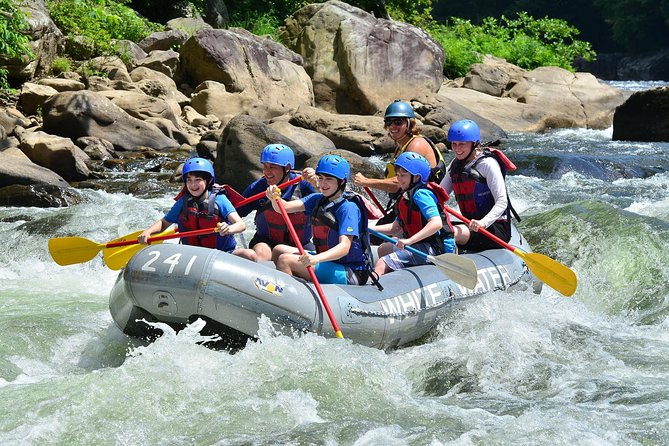
- Small group size (max 15 travelers) keeps the experience more coordinated.
- Start time 6:20 am means you’ll want an easy breakfast routine.
- ISO/CE-certified rafting equipment includes helmets, paddles, and splash jackets.
- Round-trip tourist bus transport from Kathmandu plus a drive to Malekhu.
- Lunch included, so you’re not hunting for food mid-day on the river route.
- Moderate fitness is required—this is active rafting, not a spectator outing.
Trishuli River Rafting: Why This Trip Fits an Active Day
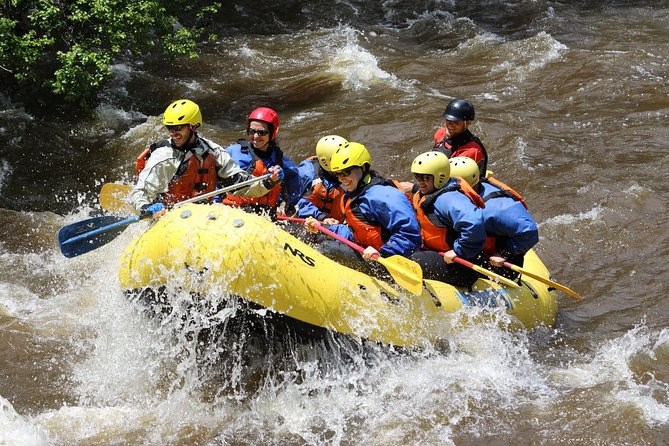
The Trishuli River is one of Nepal’s best-known rafting rivers, and you feel that in the way this day is built. It’s designed for a straightforward “get there, paddle, refuel, go back” flow, without making you piece together extra transfers or gear rentals.
You also get variety built into the schedule. First comes the 3 to 4 hour drive from Kathmandu toward the river access point at Malekhu (about 75 km away). Then you shift gears to about 4 hours of rafting, followed by lunch and the return drive. If you like your travel days with a clear rhythm, this one works.
Seasonal conditions are part of the deal here. Water levels change by season, so the river experience can feel different depending on when you go. The key point is that safety stays the priority regardless of water level.
You can also read our reviews of more tours and experiences in Kathmandu.
Kathmandu to Malekhu: The 3–4 Hour Drive You Should Plan For
Your day starts at 6:20 am. After breakfast, you’ll set off from Kathmandu by tourist bus (round-trip transport is included). This early departure matters for two reasons.
First, you get to the river access point before the day grows too hot and busy. Second, it gives the crew time to organize teams and safety briefings before you get into the boats.
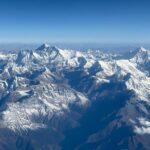
The drive itself is part of the experience. You’ll travel along the main trail toward Malekhu, and you’ll likely pass through changing scenery—urban edges giving way to countryside and river-adjacent areas. It’s not just “getting there”; it’s a real slice of Nepal road travel.
Practical tip: pack for comfort in a bus. You’ll be in transit on uneven roads. If you get motion sick easily, plan ahead with your own remedies.
Malekhu to Mugling Rafting: About 4 Hours on the Water
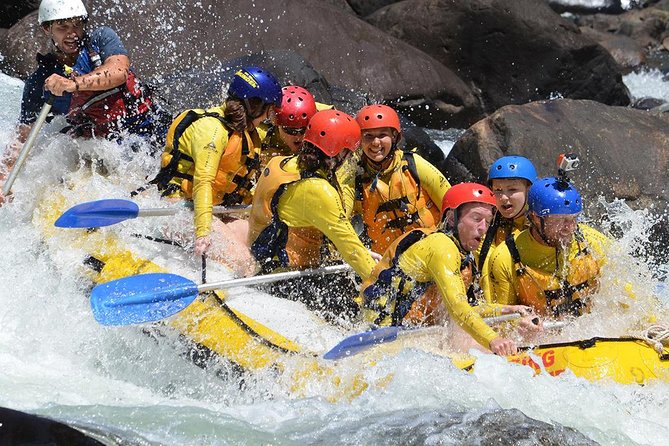
Once you reach Malekhu, you start rafting and aim to reach Mugling after about 4 hours. The schedule described for the day is very clear: you’ll raft for roughly that block of time, then tie up the experience and move on to lunch.
You should expect a mix of fun effort and teamwork. Rafting isn’t just “sit and float.” You’ll be paddling and reacting with your guide’s cues. That’s why the tour calls for moderate physical fitness. It’s not an all-out endurance hike, but you do need the stamina to stay engaged for hours.
You’ll also be watching the river, not just your hands. The Trishuli is known for changing scenery along the way—forest edges, chances to spot wildlife, and views that open up as you move through the river corridor. The tour also specifically notes you’ll see forest and wildlife as the raft bounces along.
Small-group note: with a maximum of 15 travelers, it’s easier for guides to manage instruction and positioning. It usually means less waiting time and clearer communication.
Safety and Equipment: What “ISO/CE” Means for Your Day
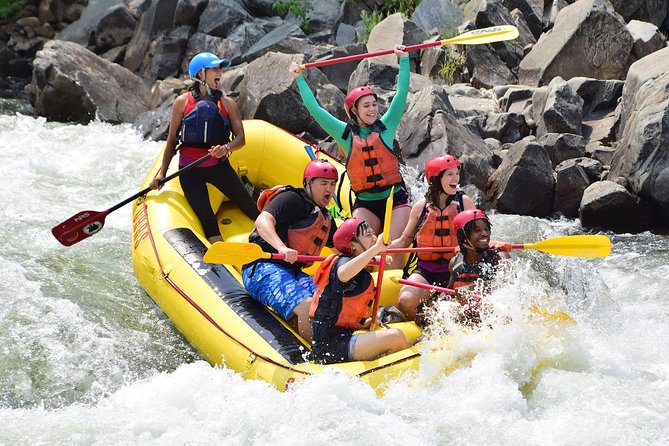
This is a safety-focused outing. The trip includes professional English-speaking licensed guides who are trained and safety certified during rafting. It’s not just a sales pitch—this matters because rafting conditions can change with water levels by season.
You also get international-name brand rafting equipment that’s described as ISO/CE certified:
- helmets
- paddles
- splash jackets
That’s a big value item. If you’ve ever priced rafting rentals elsewhere, you know the gear add-ons can add up fast. Here, you’re getting the essentials so you can focus on the river.
One more safety reality: guides can only do their job well if you listen and follow instructions. If you’re unsure about how to wear gear or where to sit, speak up early. Your job is simple: show up ready, stay attentive, and act on what the guide says.
What Lunch Adds (and What It Doesn’t)
After the rafting ends, you’ll have lunch. Including lunch in an 8-hour tour is smart. It prevents that stressful moment where you’re famished, wet, and trying to find food near a river put-in with limited options.
The catch is what the tour does not include. Alcoholic beverages aren’t included, and you should treat lunch as part of the basic day fuel—not a full feast with add-ons.
What to bring for post-rafting comfort:
- A dry layer for the ride back
- Swimwear or something you don’t mind getting soaked (the tour lists personal items like swimwear and towel as not included)
- Basic toiletries, since those aren’t provided
You’ll likely go home feeling like you survived a small weather event. Plan for the clothing change.
Timing Back to Kathmandu: Several Hours on the Return Drive
After lunch, you head back to Kathmandu using the same main trail for several hours. That means your “8 hours approx.” is really a full day commitment: you’re awake early, active on the river, then in transit again.
If you like to pack your evening plans tightly, keep it light. You’ll probably be tired from paddling and from the early wake-up. This is the kind of outing that makes dinner feel very deserved.
It also helps to think about what you’ll do after pickup. You’ll be wet earlier than you expect, and that changes how you move around on the return. Having a bag for wet items can make the bus ride back easier.
Price and Value: Is $70 a Good Deal Here?
At $70 per person, this is a mid-range day tour, and the value comes from what you don’t have to pay separately.
You’re not just paying for “a raft ride.” The price includes:
- professional English-speaking licensed guides
- ISO/CE-certified rafting equipment (helmets, paddles, splash jackets)
- round-trip transport from Kathmandu by tourist bus
- lunch
- mobile ticket
That’s the core of why the price feels fair. Most of the expensive parts of rafting—transport, guides, and gear—are bundled.
Two caution points that affect value:
1) You may still need to buy or bring your own personal items like swimwear and a towel.
2) Insurance is described this way: the provider has insurance for the crew, but participants must be properly insured. If you don’t already have travel insurance, this is a cost you should account for before you go.
Who This Rafting Tour Is Best For
This tour is designed for ages 11 to 70 and calls for moderate physical fitness. That makes it a strong option for families with older kids (at least 11) and active adults who want a real outdoor day without major trekking.
It’s also a good fit if you want:
- a structured, safe-feeling rafting day with licensed guides
- a clear schedule you can fit into a Kathmandu itinerary
- a small-group setting (max 15)
It might be less ideal if you’re looking for a totally relaxed outing, or if you don’t do well with early starts and getting wet. Also, if your mobility or stamina is limited, rafting can be hard to adjust on the fly.
The One Logistics Risk to Watch: Pickup No-Show
One issue stands out from the experience details you should take seriously: there’s at least one reported situation where a driver/guide didn’t arrive for pickup, despite repeated calls. That’s rare, but it’s the type of problem that ruins the day fast—especially because the start time is 6:20 am and you’re waking up early.
My practical advice:
- Confirm pickup time and exact meeting location the day before.
- Keep your phone available on the morning of departure.
- If you’re staying far from easy pickup points, ask how near public transportation the meeting point is, and plan to be there early.
The tour says pickup is offered. Still, the safest approach is treating confirmation as non-negotiable.
Gear and Packing Checklist (Based on What’s Not Included)
Because the tour lists several personal items as not included, you’ll want to bring your own basics. Here’s what matters most:
- Swimwear (or something you can get soaked in)
- Towel
- Toiletries you use daily
- Any personal expenses (your snacks, extra drinks, etc.)
Skip bulky items. You want to travel light so you’re not managing luggage while you’re wet and moving around.
If you’re the type who hates cold on the bus ride back, pack a dry top and socks. Small comfort items make the ride home feel civilized.
Weather Matters: When the River Day Can Change
This experience requires good weather. If it’s canceled due to poor weather, you’ll be offered a different date or a full refund.
That’s standard for rafting, but it changes your trip planning. If your Kathmandu days are already locked solid with other non-refundable reservations, it’s smart to keep some flexibility around this activity date.
Should You Book Trishuli River Rafting with Vyas Treks & Expedition?
Yes, you should book it if you want a well-paced, safety-minded rafting day with key costs handled for you: guides, ISO/CE equipment, lunch, and round-trip transport are included, and the group stays small.
Hold off or be extra careful if:
- you hate early wake-ups (this starts at 6:20 am),
- you’re unsure about your ability to handle moderate physical activity,
- or you’re very dependent on perfect pickup timing at your exact hotel door.
If you do book, your best move is simple: confirm pickup details early, arrive on time, and keep your phone ready. Then you can focus on what matters—four hours on the Trishuli, a full day out of Kathmandu, and that satisfying feeling of making it back after a proper river run.
FAQ
What is the start time for the rafting tour?
The tour starts at 6:20 am.
How long is the Trishuli rafting experience?
Plan for about 8 hours total for the full excursion, including transport and rafting.
Where do we raft, and how long is the rafting time?
You drive to Malekhu and begin rafting there, with about 4 hours on the river and a route that ends around Mugling.
Is lunch included?
Yes. Lunch is included after you finish rafting.
What rafting equipment is provided?
The tour provides ISO/CE-certified rafting equipment, including helmets, paddles, and splash jackets.
Does the price include transport from Kathmandu?
Yes. Round-trip transportation from Kathmandu is included (Kathmandu–Rafting–Kathmandu) by tourist bus.
What if weather is poor?
This activity requires good weather. If it’s canceled due to poor weather, you’ll be offered a different date or a full refund.