REVIEW · KATHMANDU
Kathmandu: 3-Day Chitwan Safari Tour with Hotel Transfers
Book on GetYourGuide →Operated by Welcome Nepal Treks P.Ltd · Bookable on GetYourGuide
Wildlife in Chitwan feels close and real. This 3-day setup pairs smooth transfers with a canoe-and-jeep wildlife combo that fits a tight schedule. I especially like how the days are paced so you’re not just traveling—you also get real time on the water and in the park. One thing to consider: the overall jungle time is limited, and the coach ride can be long and bumpy, so manage your expectations if you’re chasing a big “week-long safari” feeling.
The river views and Tharu cultural stop add texture beyond the animals. You’re staying in a lodge-style base (often Safari Adventure Lodge or Hotel Parkland, or similar), so you get a proper reset after dusty walks and jeep rides. Also, if you have back issues, this isn’t a great match because you’ll do walking and sit in vehicles for stretches.
In This Review
- Key Points You’ll Notice on This Tour
- Why Chitwan Works on a Short 3-Day Schedule
- Getting From Kathmandu to Chitwan Without Losing Your Day
- Day 1: National Park Time, Rapti River Sunset, and Tharu Culture
- Day 2 Morning Canoe, Crocodiles, and a Jeep Safari for the Big Odds
- Where the Wildlife Moments Fit Best (And What You Should Expect)
- Hotels, Meals, and the Comfort Factor Between Safaris
- Day 3: Breakfast, Final Transfers, and the Return to Kathmandu
- Price and Value: Is $151 Actually Fair for What You Get?
- Who This Tour Fits Best (And Who Might Want Something Else)
- Should You Book This 3-Day Chitwan Safari Tour?
- FAQ
- How long is the Chitwan safari tour?
- Where does the tour start and finish?
- What activities are included during the tour?
- What meals are included?
- What hotel is included in the price?
- Do I need to bring anything?
- Is this tour suitable for people with back problems?
Key Points You’ll Notice on This Tour
- Rapti River canoe ride for a calmer view of wildlife along the banks
- Chitwan National Park jeep safari aimed at seeing larger mammals up close
- Tharu village tour and dance that adds culture, not just nature
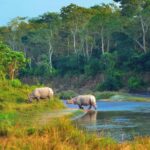
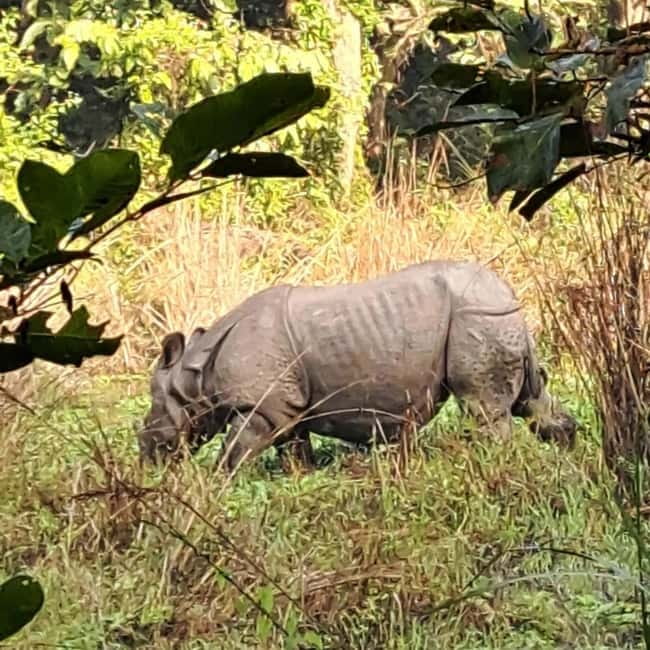
- Guide-led spotting moments for rhinos, crocodiles, deer, elephants, and birds (when conditions allow)
- Lodge comfort between activities (including pool time and hot showers on some stays)
- Long road travel to and from Kathmandu that shapes your overall experience
Why Chitwan Works on a Short 3-Day Schedule
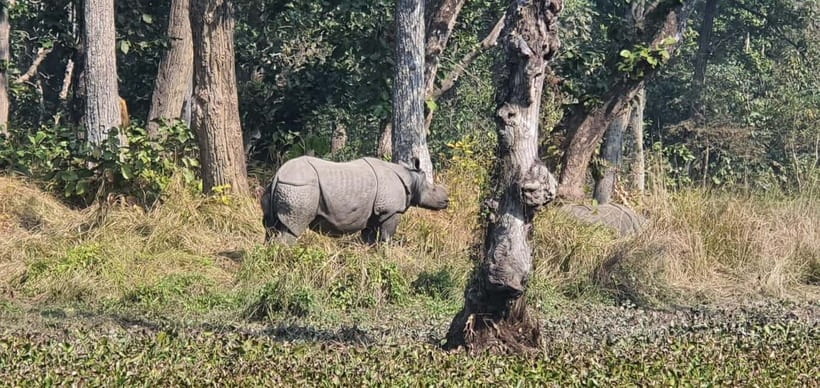
Chitwan is one of those places where your “vacation stress” drops fast. The park is built for spotting: riverbanks for crocodiles and birds, grassland edges for deer, and forest trails where animals leave signs even when they don’t show themselves. In just three days, you get a mix that usually makes wildlife feel less random—canoe in the morning, then walking and a jeep later.
What makes this particular tour practical is the flow. You’re not stuck figuring out transport on your own. You get picked up from your Kathmandu-area hotel, moved to the departure point, then handled on arrival in Chitwan so you can focus on the activities. That matters because Chitwan is not a quick hop like a city day trip. You want your energy for the park, not for chasing schedules.
Also, the itinerary avoids a common trap: turning “safari” into only one long drive. Here, you get a mix of water + foot + jeep, which increases your chances of seeing different species. One review described the canoeing and jeep ride as standouts, especially the crocodile moments. Even if you don’t get everything you hope for (tigers are always the hard ask), you’ll likely come home with more than one kind of wildlife memory.
You can also read our reviews of more tours and experiences in Kathmandu
Getting From Kathmandu to Chitwan Without Losing Your Day
This tour uses a mix of private car transfers and a tourist coach. In plain terms: you’ll be guided from your hotel to the main departure point, then you’ll ride to Chitwan by coach. Reviews describe the drive as taking around seven hours and passing time with views and comfortable seating. That’s useful to know because long road days can feel like they steal the trip.
If you’re feeling time-crunched, this is also where you can make a smart decision. One reviewer suggested flying out to save time if you can. Even if you don’t plan on flying, it’s worth thinking about your overall Nepal itinerary. If you schedule something the day you return to Kathmandu, expect to be tired.
What you’ll gain from the included transfers is less friction. Several reviews praised how smooth the pickup-to-coach-to-hotel flow was, with staff waiting for you and escorting you through the handoffs. In a country where plans can shift, that kind of organization makes a big difference.
Day 1: National Park Time, Rapti River Sunset, and Tharu Culture
Your first day is about settling in—then getting out quickly. After you travel from Kathmandu to Chitwan, you’re taken to your accommodation. You’ll have a moment to refresh, then the fun starts with a visit to Chitwan National Park.
This first park visit is your chance to get your bearings. You’re not just learning “where to look.” You’re also seeing the park’s rhythm—how wildlife uses the edges, how birds react to movement, and how the environment feels alive even when you’re not staring at a rare sight. One review specifically called out that the park offers wildlife, history, and the essence of the place, and that the guide helped them spot animals in natural habitat.
Then comes one of Chitwan’s best-feeling moments: an exotic sunset from the Rapti River. Reviews consistently highlight the river for atmosphere and for wildlife odds. Even if you’re not seeing a parade of animals every minute, the light and the calm help you pay attention the right way.
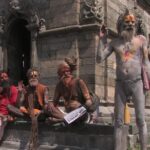
The cultural component is the final anchor of Day 1: a Tharu village tour plus a Tharu dance program. This isn’t a random performance stop. The idea is to connect the human side of the region to the wildlife setting you’re visiting. Reviews called the Tharu culture fascinating and worth your attention. If you like your safaris with context—people living with the environment rather than just watching it—this part adds real value.
A small caution from the vibe of the reviews: the “cultural” stop can feel more staged or less comfortable for some people, especially if you’re expecting something like a normal visit. If you’re sensitive to that, go in with a flexible mindset and focus on what you can learn, not whether it feels exactly like home.
Day 2 Morning Canoe, Crocodiles, and a Jeep Safari for the Big Odds
Day 2 starts early—breakfast, then out for the canoe ride along the Rapti River. Canoeing changes how you see wildlife. From the water, you can watch the banks and reed lines without the heavy disturbance of a vehicle. One review described canoeing as amazing, with crocodiles a highlight. Another mentioned crocodile sightings after a small jungle walk.
You’ll also do some land time—there’s a short jungle walk tied to the canoe day. That walk helps you notice tracks and signals: where animals cross, what’s been browsing, and what the habitat provides. Even when animals don’t appear at the exact moment you want, the signs make the walk feel worth it.
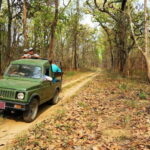
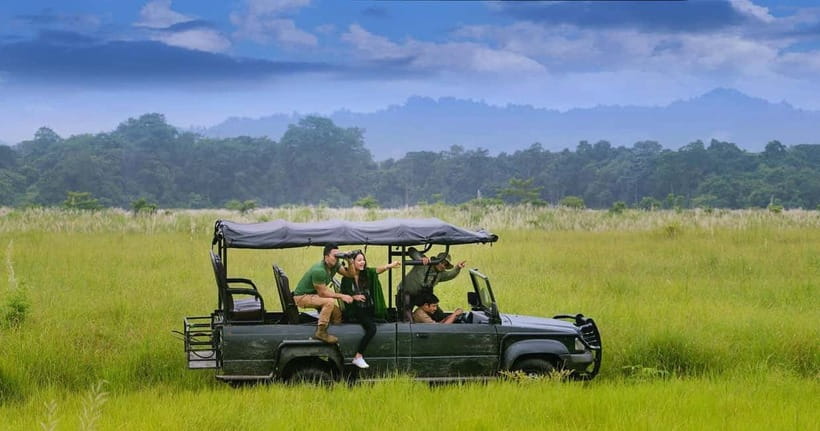
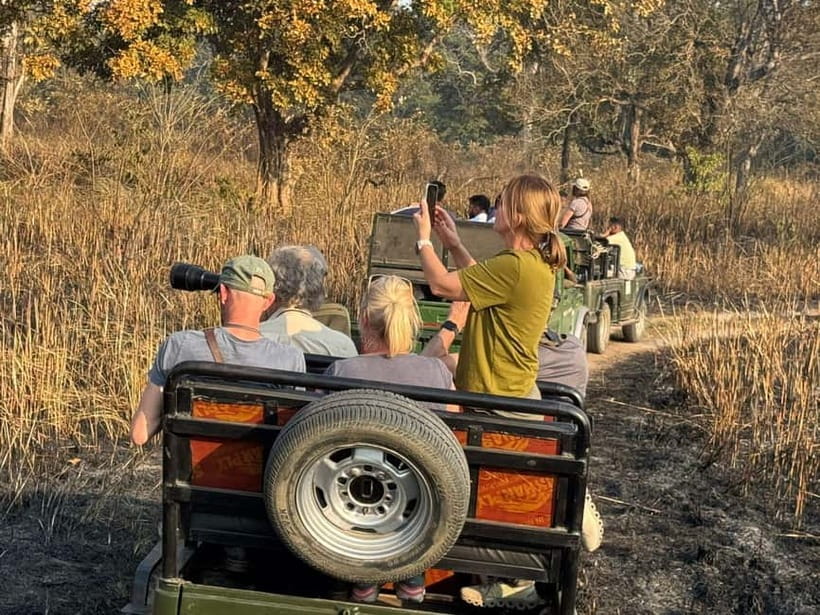
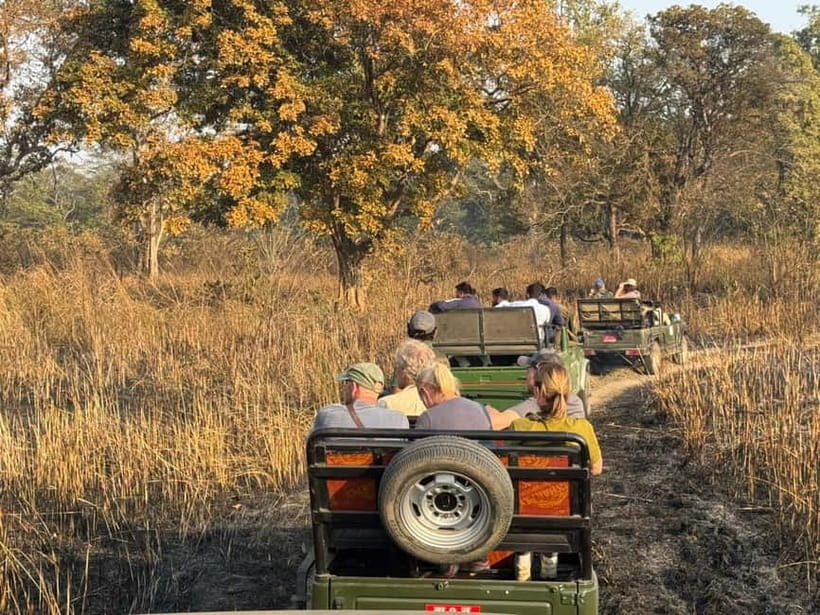
After lunch, the day turns into the classic safari rhythm: you head deep inside the jungle by jeep. This is where you’ll be chasing mammals and big-energy sightings. Reviews mention rhinos, deer, elephants, monkeys, wild boar, and lots of birds. The jeep safari is also where a patient, strong guide matters. In one review, the guide Dipu was praised for deep knowledge and fun, and another highlighted Babu sir taking care of individual needs and giving clear explanations.
Not every guide experience is identical, though. One review mentioned limited English and a small moment where they were left without direction. That’s not the overall theme, but it’s a reminder: if you care a lot about detailed English interpretation, ask questions early and watch how the guide communicates from the start.
Where the Wildlife Moments Fit Best (And What You Should Expect)
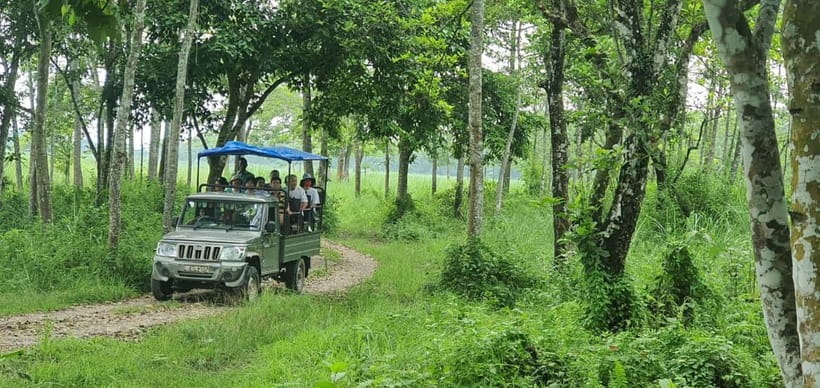
Chitwan wildlife is never a guarantee. Still, certain patterns show up often, and the tour is built around them.
You’re more likely to see rhinos during the jeep safari, because their range and movement often bring them close to paths and viewing areas. Reviews repeatedly mention rhino sightings, including the thrill of seeing them up close.
Crocodiles show up in the story most clearly around the river activities—canoeing and river-focused time. If you want one “I’m glad I booked this” moment, crocodile watching is it. The tour structure gives you multiple ways to catch that chance.
Birds also tend to be a steady payoff. Even in moments without mammals, you’ll likely notice constant movement—swallows, waders, and raptors that use the river edges and forest borders. One review emphasized bird watching in their natural habitat.
Elephants can happen too. One review described elephants playing in the river. Another mentioned elephants being ridden at the start of the jeep safari, plus chained elephants on grounds of the national park. That’s a sensitive point, and you should decide how you feel about it.
Here’s the honest way to handle elephant-related stops: the tour data doesn’t explicitly lock in one “elephant center” visit, but the reviews include mixed experiences. One person noted the elephant breeding center as a disappointing, chain-linked sight. Another said the breeding center was no longer included, but elephant riding and chained elephants might still be seen in some form. If elephant welfare is a hard line for you, plan to bring that mindset and ask what you’ll see that day, before you go in.
As for tigers: don’t build your trip around a tiger promise. One review said tiger was the only thing missing. That sums up the reality well—Chitwan is excellent for wildlife, but tigers remain rare and unpredictable.
You can also read our reviews of more tours and experiences in Kathmandu
Hotels, Meals, and the Comfort Factor Between Safaris
A safari tour only works if you can rest. Here, your lodge base is a real part of the experience. Reviews mention Safari Adventure Lodge as clean, comfortable, and a nice place to unwind, including a swimming pool for cooling off. One review even called out heating and very hot showers during a January stay, which is a detail worth knowing if you travel outside peak seasons.
Your stay is typically described as lodge-style rather than luxury resort. Think comfort, good service, and a calm reset after muddy trails and the heat of the day.
Food is also included and generally gets good marks. Reviews describe meals as delicious and filling, with some mention of multi-course dinners. Expect breakfast, lunch, and dinner included for the first two days, with the third-day lunch not included because you’re back in Kathmandu.
Service seems to be a big deal for people. Multiple reviews praise helpful staff and smooth check-ins. There’s also at least one dissenting note about an unfriendly hotel manager toward female guests. I can’t paint that as the overall standard, but it’s worth acknowledging: in any place with staff, the human factor can affect your mood. If service attitude matters a lot to you, keep your expectations flexible and focus on the broader support team that seems to run most guests’ stays well.
Day 3: Breakfast, Final Transfers, and the Return to Kathmandu
Day 3 is short and practical. You wake up early, eat breakfast, then head back toward Kathmandu. The tour includes the drive and drop-off process, with the coach ride back shaping the final impression.
One useful review-based tip: if you hate long rides, consider planning how you’ll spend the last day in Kathmandu. Don’t stack a demanding activity right after arrival. Use the time for a slower walk, a proper meal, and a little laundry magic. Your body will thank you.
In terms of “what you get,” Day 3 is less about adding new wildlife and more about wrapping up cleanly. That’s not a bad thing. It keeps the safari experience concentrated in Days 1 and 2, when you’re most active.
Price and Value: Is $151 Actually Fair for What You Get?
At around $151 per person for 3 days, the value comes from what’s bundled together. You’re getting:
- hotel nights (2 nights on a twin/double-sharing basis, with single rooms for solo travelers)
- round-trip transportation using a coach plus private car transfers for hotel pickup/drop-off
- a jungle safari guide
- full board meals for two days (breakfast, lunch, dinner) plus breakfast on the last day
- national park and conservation area fees
When you add those pieces up separately, the tour price stops looking like “just a safari ticket” and starts looking like logistics + guide + fees + food handled for you. That reduces the most expensive kind of travel risk: wasted time. You avoid scrambling for transport, ticket lines, and last-minute plan changes.
The main value trade-off is time in the park. Reviews describe the jungle portion as sufficient but not lengthy—think about it as about 1.5 days of active safari time, excluding travel. That’s often the sweet spot for many people. If you want 4–5 days purely for wildlife, you’d likely need a longer package. But if your goal is a solid first Chitwan experience without burning a whole week, the package looks like a strong deal.
Also, the tour gets praise for organization—hotel staff waiting, smooth handoffs, and clear guidance. That’s not a small detail. When safari days go sideways, it usually starts with bad logistics. Here, the system seems to work.
Who This Tour Fits Best (And Who Might Want Something Else)
This is a good match if you want:
- a first-time Chitwan safari with the key activities (canoe, walking, jeep, village culture)
- a guided wildlife experience with English interpretation
- a short time window from Kathmandu without DIY planning
- a lodge base with comfort after long outdoor hours
It may not be ideal if:
- you’re chasing a tiger guarantee (no safari can promise that)
- you’re highly sensitive to elephant welfare issues and might feel distressed by elephant riding or chained elephants in any form
- you have back problems due to walking and the reality of sitting in vehicles
If you’re traveling solo, the tour is designed with a single room option. If you’re a couple or friends, you’ll share twin/double arrangements and still get the same core activities.
Should You Book This 3-Day Chitwan Safari Tour?
If you want a clean, well-organized Chitwan intro with real wildlife time, I’d say yes. The biggest wins are the canoe + jeep structure, the Tharu culture stop, and the fact that your transfers and meals are handled so you can focus on spotting animals and enjoying the setting.
Book it if:
- you like guided experiences and want a smooth ride from Kathmandu
- you’re happy with “short safari intensity” rather than a week-long wildlife quest
- you enjoy river scenery and morning nature time
I’d think twice before booking if:
- your comfort level with elephant-related activities is zero or very low
- you need a lot more time in the jungle than this schedule allows
- your body doesn’t handle walking or long vehicle stretches
If you decide to go, pack comfortable clothes and plan for early starts. And when you’re on the water or in the jeep, slow down your brain. The best sightings in Chitwan often come right after you stop trying too hard and start paying attention.
FAQ
How long is the Chitwan safari tour?
The tour lasts 3 days.
Where does the tour start and finish?
It includes hotel pickup and drop-off in Kathmandu and also pickup is available from Kathmandu, Patan, Bhaktapur, and Pokhara. You return to Kathmandu at the end of the trip.
What activities are included during the tour?
You’ll visit Chitwan National Park, go canoeing on the Rapti River, take part in a jungle safari by jeep, do a short jungle walk, and enjoy a village tour around Chitwan with Tharu dance.
What meals are included?
The tour includes 2 breakfasts, 2 lunches, and 2 dinners. Lunch on the third day when you’re back in Kathmandu is not included.
What hotel is included in the price?
You’ll stay for 2 nights at Safari Adventure Lodge or Hotel Park Land (or similar), based on availability. Rooms are twin/double-sharing, with a single room offered to solo travelers.
Do I need to bring anything?
You should bring a passport or ID card and comfortable clothes.
Is this tour suitable for people with back problems?
No. It is not suitable for people with back problems.