REVIEW · KATHMANDU
Langtang Valley Trek
Book on Viator →Operated by Nepal High Trek & Expedition Pvt. Ltd · Bookable on Viator
Langtang feels close enough to touch. This 7-day trek into the Langtang Himalais is a solid, beginner-friendly way to see big mountain scenery and everyday Tamang culture without jumping into high-altitude chaos. I like that your trip runs with a government-licensed mountain guide for 7 days and that your Langtang National Park permit plus TIMS card are handled as part of the package.
The main thing to plan for is effort. The walking is steady and the days run long, so if you hate carrying even a small pack, you’ll want to consider the extra porter/private jeep option ($190) rather than assuming everything is weight-free.
In This Review
- Key things that make this trek a smart pick
- Good-Value Trek Design for Beginners
- Price Breakdown: What $555 Covers (and What Costs Extra)
- Kathmandu to Syabrubensi: 6:45 am Start and Mountain-Window Driving
- Into Langtang National Park: River Bridges, Farms, and Forest Climbs
- Lama Hotel to Kyanjin Gompa: Gorges, Langtang Village, and the Ridge Approach
- Valley Time and the Return Loop: Down to Lama Hotel, Then Back to Kathmandu
- Guides, Meals, and Comfort Details That Actually Help
- Should You Book This Langtang Trek?
- FAQ
- How long is the Langtang Valley Trek?
- What time does the trek start?
- Does this trek include permits for Langtang National Park?
- What meals are included during the trek?
- Is transportation included between Kathmandu and the trekking area?
- Is a porter included in the price?
- Is there a city hotel included in Kathmandu?
- Can I cancel for a full refund?
Key things that make this trek a smart pick
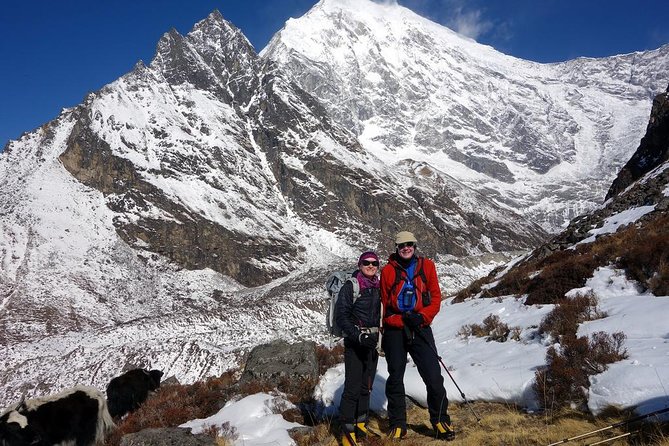
- Licensed guide included for the full 7 days, plus a medical kit bag for peace of mind
- Permits handled: Langtang National Park permit and TIMS card are part of the deal
- Real trail days, not just scenery stops: river crossings, forest climbs, and a ridge approach to Kyanjin Gompa
- Food support built in: breakfast, lunch, dinner for 7 days, plus 3 hot drinks daily and seasonal fruit
- Private accommodation during the trek (6 nights), so you can actually rest after long walking blocks
Good-Value Trek Design for Beginners
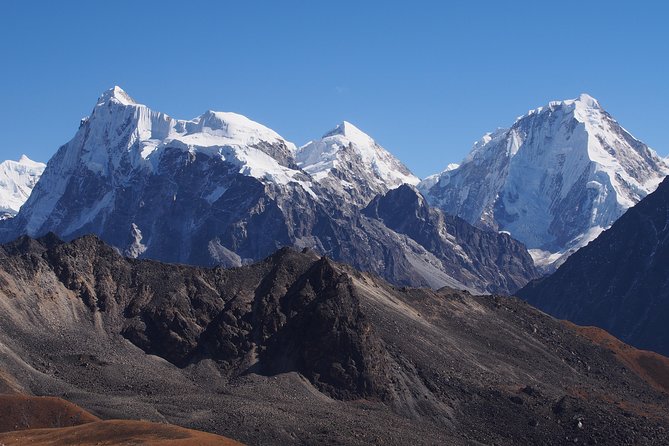
Langtang Valley Trek is built for people who want the Himalayas, but not a sufferfest. The route is described as moderate, with gradual terrain and lower altitudes compared to other popular treks. That combo matters because it lowers the stress level: you still work for the views, but you’re not forced into the toughest acclimatization style you might see on higher routes.
What I especially like is the pacing logic. Instead of huge jumps in effort, you get long, gradual walking days through forests, farm areas, gorges, and river corridors, with a clear “main goal” day later on. Even if you’re new to trekking, this kind of structure helps you build rhythm. And because your tour is a private activity, you’re not stuck with a random group pace that doesn’t match your energy.
Is this a weekend stroll? Not even close. Expect long days—some stretch into the 12–15 hour range when you include transfers and trekking—so you’ll feel it. But for a first trek, this is one of the more sensible ways to earn your Himalayan time.
You can also read our reviews of more hiking tours in Kathmandu
Price Breakdown: What $555 Covers (and What Costs Extra)
At $555 per person, this trek is priced in a way that’s easier to compare than many trekking offers, because the money goes to the key things you’d otherwise have to manage yourself: permits, guide time, transport to the trailhead, and meals.
Here’s what’s included:
- Government license holder mountain guide for 7 days
- Langtang National Park permit + TIMS card
- Both-way transportation by local sharing jeep
- 6 nights private accommodation during the trek
- Meals: breakfast (7), lunch (7), dinner (7)
- 3 cups of hot beverage per day, plus seasonal fruits
- Medical kit bag
Not included:
- Travel insurance (you’ll want this for trekking coverage)
- Hotel in the city (Kathmandu lodging isn’t listed as included)
- Tips for the trekking crew
- Optional extras: porter cost and private jeep ($190 per booking)
So where’s the value? You’re not just paying for a guide. You’re paying for the “friction” to be handled—permits, scheduled meals, basic medical support, and the back-and-forth transport. If you’re organizing solo, those details can quietly turn into time, paperwork, and surprise costs.
The one trade-off is flexibility. If you want extra gear help through a porter, or you prefer a private vehicle arrangement, that’s an additional charge.
Kathmandu to Syabrubensi: 6:45 am Start and Mountain-Window Driving
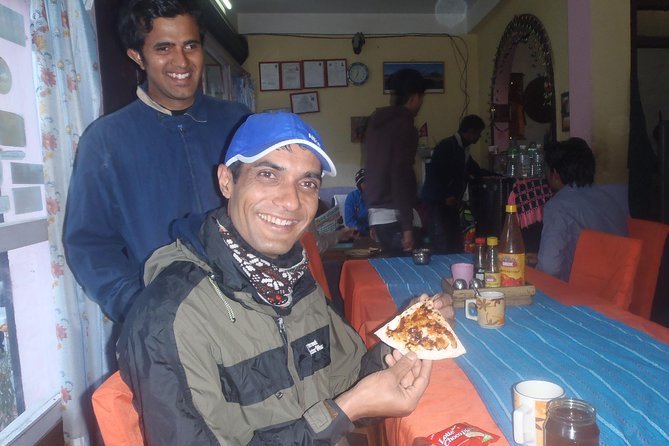
Your trek begins early: meet at 6:45 am. From Kathmandu, you travel north by local sharing jeep toward the Langtang Himal area, with a long ride that’s clearly part of the experience. The day includes major overland time—around 8 hours of drive—then you arrive in Syabrubesi village for an overnight stop.
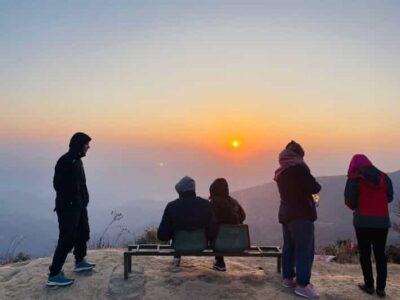
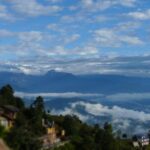
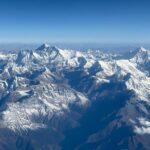
Why this matters: the road ride gives you a first hit of the region’s scale. Snow-capped peaks show up along the drive, and it helps you mentally switch from city pace to mountain pace. It also lets you get oriented without wasting the first day on extra logistics.
One practical note: because this is a long day that starts early, plan your Kathmandu morning carefully. If you’re staying in the city, don’t schedule anything tight right before pickup. This trek runs on time.
Also, it’s described as near public transportation and you get a mobile ticket. That’s useful if you prefer having digital confirmation instead of juggling paper details.
Into Langtang National Park: River Bridges, Farms, and Forest Climbs
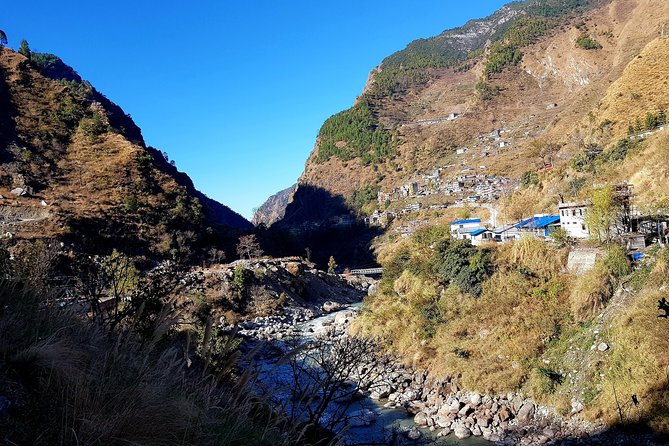
Once you reach Syabrubesi, the trail work begins. The early walking starts by crossing a bridge over the Langtang River, then you move into a mix of uphill hiking and changing scenery: farm areas first, then dense green forest.
This segment is what I call the “warm-up to the real world.” You’re not thrown into a brutal climb immediately. Instead, you work uphill while the trail shapes your breathing and posture. You also get constant visual variety—river, fields, then forest—so the hours don’t feel monotonous.
You’re also moving through protected terrain. Your package includes the Langtang National Park permit and TIMS card, which is the key to staying properly covered for this region. That’s a big deal for peace of mind, especially if you’re trying to travel correctly without doing last-minute permit hunting.
Practical drawback: forest days can feel humid and cool at the same time, and you’ll likely sweat on the climbs. Pack light layers so you can adjust as the trail moves between sun and shade.
Lama Hotel to Kyanjin Gompa: Gorges, Langtang Village, and the Ridge Approach
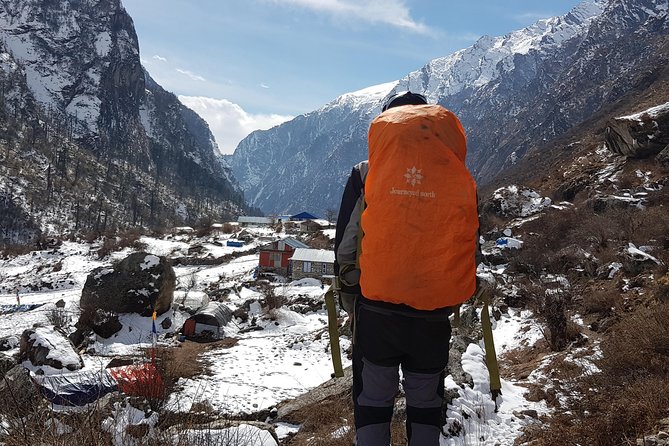
As the trek continues, the walking turns more “valley trekking” and less “trail stroll.” From Lama Hotel, you walk along the river upstream through deeply forested areas, including stretches in a gorge. The route then cools as you pass toward Ghodetabla, before reaching Langtang village for the overnight stop.
This day-to-day rhythm is one of the reasons I think beginners like this trek. You keep following a logical corridor—the river and valley line—so navigation feels straightforward and the environment does the storytelling for you. You get cooler air, narrower scenery, and a stronger sense of moving deeper into the mountains.
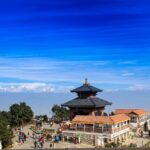
Then comes the main goal: Kyanjin Gompa. The approach is described as a short walk with a steep climb to a ridge, leaving the forested zone before the trail continues onward. Even without overhyping it, you can expect this to be the hardest-feeling part: ridge climbs tend to be short but punchy.
At Kyanjin Gompa, the trek turns into time spent in the valley area around your destination. After reaching it, you’re set up for the next phase: returning downhill, while still getting your mountain moment.
A small but important tip if you’re new: on ridge and steep sections, slow down early. Don’t wait until your legs complain—start easing your pace as soon as the climb begins.
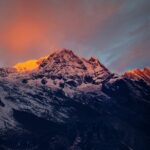
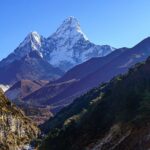
Valley Time and the Return Loop: Down to Lama Hotel, Then Back to Kathmandu
After the Kyanjin Gompa highlight, the trip follows a classic down-valley rhythm. You’ll spend an enjoyable period in the Langtang Valley around Kyanjin, then start a downhill walk toward Lama Hotel, with an overnight stop. The walking continues downhill the next morning toward Syabrubesi, crossing back over a bridge before reaching the village for your last overnight.
This return loop is more comfortable than the climb days, but it’s not “easy.” Downhill trekking can stress knees and ankles, especially if you’re tired. Wear supportive footwear and be ready to use trekking poles if you have them.
On the final day, you drive back to Kathmandu and wrap up the trek after the overland journey. Expect roughly 13 hours for the full final day when you include travel time.
If you like closure, this is a good route: you get a clear destination, then a clean descent that brings you back to the normal world without extra complication.
Guides, Meals, and Comfort Details That Actually Help
The best trekking plans still fail if the daily logistics aren’t solid. Here, the package includes the stuff that removes daily stress: breakfast, lunch, and dinner every day, plus three hot beverages per trekking day and seasonal fruits. That means you’re not scrambling for snacks between climbs.
It also includes 6 nights of private accommodation during the trek. Even in basic mountain settings, having privacy and a predictable place to sleep helps your recovery. On long walking days, sleep quality matters more than people think.
For the human side, the strongest praise in the feedback you provided centers on guides doing their job well, with both professionalism and friendly guidance. Names that show up include Nabin (with porter Tenjin), Buddhi, Laku, Padam and Sam, and Pawan—each highlighted for being kind and for keeping the trip running smoothly. In practical terms, that’s what you want on a trek: someone who adjusts when conditions shift, keeps the pace reasonable, and helps you understand what you’re seeing as you walk.
If you want to get the most from this trek, talk to your guide each day. Ask simple questions like what to watch for on the trail and what the local communities do in the valley. When guides explain local history and traditions in plain ways, it makes the walking feel less like grinding and more like connecting.
Should You Book This Langtang Trek?
Book it if: you want an honest Himalayas experience with a licensed guide, handled permits, and a route that’s built for moderate difficulty and lower altitudes than many big-name treks. The inclusion of meals, hot drinks, and private rooms makes this a smoother first-timer option.
Consider passing or upgrading options if: long days drain you, or you strongly prefer not carrying even a small pack. The porter/private jeep option ($190) is the one major “extra” that could change the feel of the trek.
If you’re choosing between DIY planning and an organized route, this one is easier to trust because the core paperwork (TIMS + national park permit) and daily support are already included. That’s not flashy, but it matters when you’re hundreds of kilometers from Kathmandu.
FAQ
How long is the Langtang Valley Trek?
The duration is listed as 7 days (approx.).
What time does the trek start?
The meeting start time is 6:45 am.
Does this trek include permits for Langtang National Park?
Yes. The Langtang National Park permit and the TIMS card are included.
What meals are included during the trek?
Breakfast, lunch, and dinner are included for 7 days.
Is transportation included between Kathmandu and the trekking area?
Yes. Both ways are included by local sharing jeep.
Is a porter included in the price?
Porter cost is not included. There is an optional porter and private jeep option listed at $190 per booking.
Is there a city hotel included in Kathmandu?
No. Hotel in the city is not included.
Can I cancel for a full refund?
Yes. Free cancellation is available up to 24 hours in advance for a full refund.