REVIEW · KATHMANDU
Life and spirituality tour of Kathmandu
Book on Viator →Operated by iTour Nepal Private Day Tours · Bookable on Viator
Temples meet everyday life in Kathmandu. This private day tour is a simple, human way to understand how Hinduism and Buddhism show up in daily routines, from courtyards to cremation rituals. I like that you get hotel pickup by private car, and that guides such as Indra, Ripu, Rabi, Raja, and Rudi are praised for explaining spiritual ideas in plain language. The one thing to plan for: entrance fees aren’t included, so your total cost will be a bit higher than the base price.
You’ll spend about 6–8 hours moving through key UNESCO areas with an air-conditioned vehicle, bottled water, and a real focus on the life around the sacred sites. Good news for practical travelers: it’s listed as wheelchair and stroller accessible. Do note that temple visits and walking through old city streets can still take stamina, even with easy pacing.
In This Review
- Key things you’ll notice on this tour
- A Kathmandu Day Built Around Life, Not Just Temples
- Hotel Pickup and a Realistic 6–8 Hour Plan
- Kathmandu Durbar Square: Courtyards, Vastu, and Medieval Spiritual Life
- Patan Durbar Square: Artisanship Meets Sacred Craft
- Pashupatinath Temple: Hindu Rituals, Ascetics, and the Reality of Cremation
- Boudhanath Stupa: Little Tibet and the Rhythm of Pilgrims
- Price and Value: What the $55 Covers (and What It Doesn’t)
- Who Should Book This Tour, and Who Might Want Something Else
- Should You Book the Life and Spirituality Tour of Kathmandu?
- FAQ
- How long is the Life and Spirituality tour of Kathmandu?
- Does the tour include pickup from my hotel?
- Is the tour wheelchair and stroller accessible?
- Are entrance fees included?
- What’s included in the price?
- What time does the tour run?
Key things you’ll notice on this tour
- Hotel pickup in a private car so you skip the hassle of figuring out local transport.
- A spirituality-first route that connects everyday Nepal to major Hindu and Buddhist sites.
- Durbar Square time on foot with attention to courtyards, Vastu, and living traditions.
- Time in Patan for artisans and sacred craft culture rather than rushed sightseeing.
- Pashupatinath viewing of Hindu practice including ascetics, astrologers, devotees, and cremation activity.
- Boudhanath as Little Tibet with many Tibetan monasteries and constant pilgrim energy.
A Kathmandu Day Built Around Life, Not Just Temples
If your idea of Kathmandu is only photos of stupas and palace gates, this tour gives you a fuller picture. You’re not just visiting monuments. You’re walking through places where spirituality is part of the city’s rhythm, alongside artisans, worshippers, and everyday neighbors.
I like the tone: it’s guided, but not scripted. The route is paced for questions, and that matters here because Hindu and Buddhist practices can look confusing until someone explains the logic behind them. Guides like Indra, Ripu, Rabi, Raja, and Rudi come up repeatedly for their ability to make big concepts feel understandable without turning the day into a lecture.
One more practical plus: you’re not on your own figuring out how to connect sites. The tour includes an air-conditioned vehicle plus a bottled-water break, so your day stays comfortable even with multiple stops.
You can also read our reviews of more tours and experiences in Kathmandu.


Hotel Pickup and a Realistic 6–8 Hour Plan
This is built as a private day tour, so it’s just your group. That means fewer awkward pauses and fewer “wait while everyone catches up” moments. You’ll get collected from your Kathmandu hotel in a private car, then the guide steers you site to site.
Expect a 6–8 hour day. That includes driving time, a couple of longer walks in the older city areas, and shorter visits at the temple complex and stupa area. If you’re trying to stack this with other Kathmandu plans, I’d leave room for a slower start and some time inside the sacred spaces.
The tour also uses a mobile ticket. That’s a small thing, but it helps the day run smoothly when entrances and checkpoints are busy.
Kathmandu Durbar Square: Courtyards, Vastu, and Medieval Spiritual Life
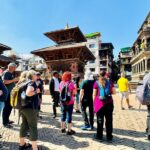
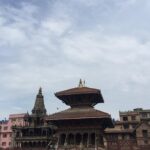
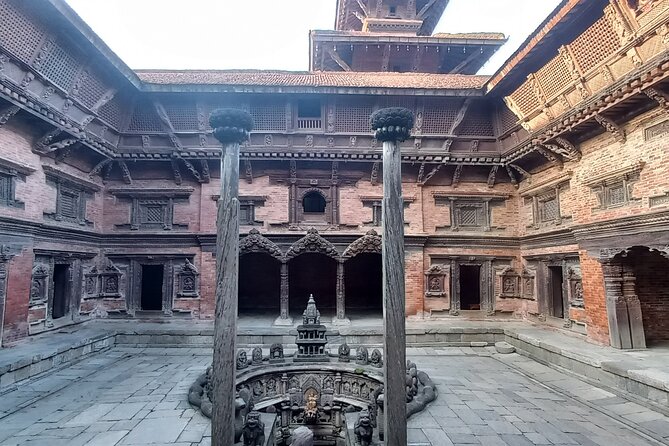
Your day begins at Kathmandu Durbar Square, where the focus is on old Kathmandu’s hidden structure. You’re not only seeing major sights from a distance. You’ll walk through older parts of the area and notice the courtyards that reflect spiritual and cultural practices from medieval times.
A standout here is the attention to Vastu architecture and “imprints” connected to important history. Even if you’ve been to Kathmandu before, this stop can feel like a course correction—less postcard, more street-level understanding of how sacred space and daily life overlap.
Admission at this first stop is free, which is also nice for budgeting. The listing calls the stop around 2 hours, and that’s enough time to see the layout and still ask questions without feeling rushed.
Practical consideration: this is a walking portion of the day. Even though the tour is listed as wheelchair and stroller accessible, you should still plan for being mobile during the courtyard walk.
Patan Durbar Square: Artisanship Meets Sacred Craft
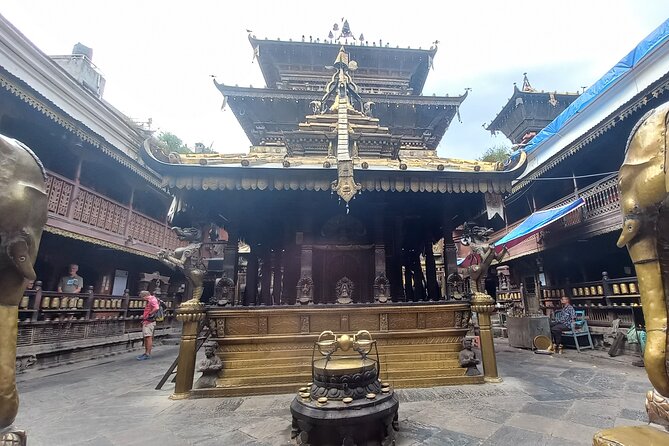
Next you’ll head to Patan Durbar Square (also known as Lalitpur). Patan is often described as a place of fine art, but what you’re really paying attention to here is how craft and spirituality travel together.
You’ll hear why Patan’s artisans were influential far beyond Nepal, with the idea that local skill reached places like India, Tibet, and China in medieval times. That’s a fascinating lens: rather than thinking of “culture” as static, you see it as something that moves through people, trade, and worship.
This stop is again about 2 hours, and admission is free here as well. I like that the schedule gives you time to slow down and look at details. When your day includes both Kathmandu Durbar Square and Patan Durbar Square, you start noticing recurring patterns in how the old city is organized around belief, work, and community space.
If you prefer your sightseeing to include makers—carvers, metalworkers, and craft traditions—this is the section that tends to land hardest.
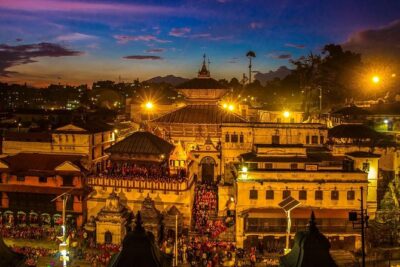
Pashupatinath Temple: Hindu Rituals, Ascetics, and the Reality of Cremation
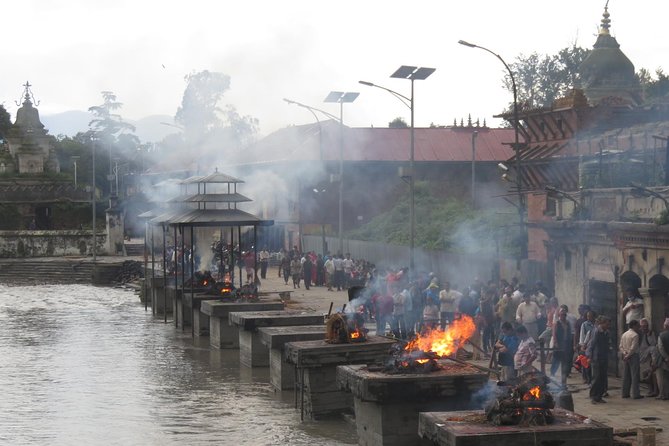
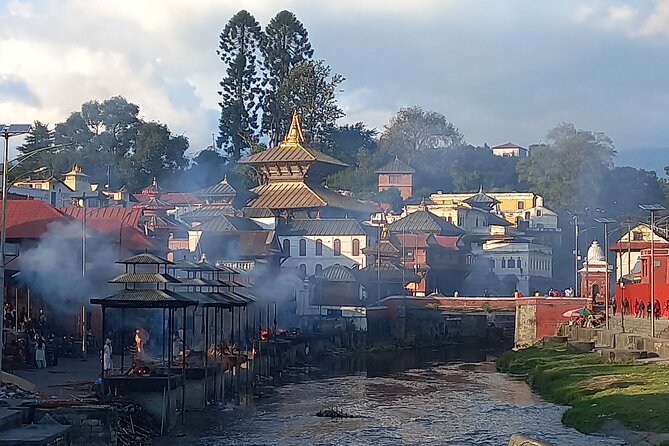
At Pashupatinath Temple, the tone shifts. This isn’t a “look but don’t touch” kind of place. It’s one of the most important Hindu sites in Nepal, and the experience is grounded in practice.
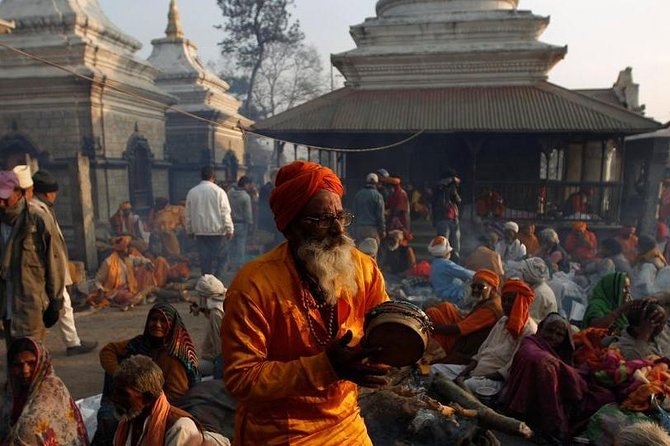
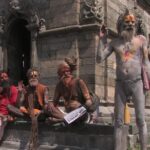
Your guide helps you understand Shiva in the context of the temple complex. You’ll also watch Hindu ways of life in action, with time set aside to observe things like Hindu ascetics (Shadu), astrologers, devotees, and open cremation.
That last part is the main consideration. Seeing cremation activity can be emotionally intense and isn’t for everyone. If you’re sensitive to funerary customs, you’ll want to mentally prepare for that reality rather than expecting a calm sightseeing vibe.
Admission is not included for this stop, so plan on an extra fee here. The visit is listed at about 1 hour—short enough to stay manageable, but long enough to take it in with context from your guide.
For value, this is one of the key stops of the day. The spirituality focus isn’t abstract. You witness it in daily religious life, and you learn what you’re seeing rather than guessing.


Boudhanath Stupa: Little Tibet and the Rhythm of Pilgrims
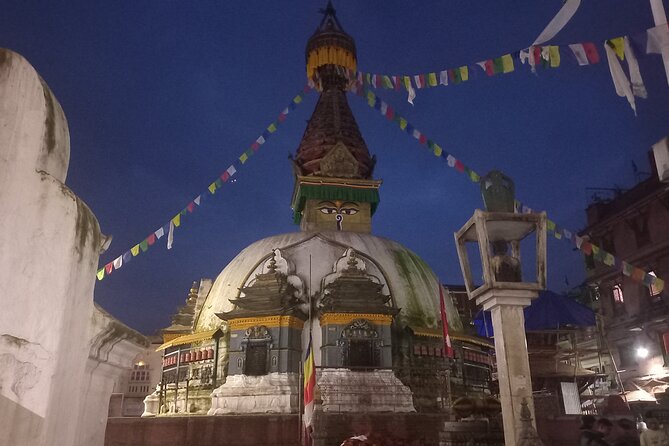
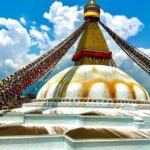
After Pashupatinath, you’ll drive to Boudhanath Stupa, an area widely known as Little Tibet of Kathmandu. The listing highlights that this part of the city is home to about 60 Tibetan Buddhist monasteries, and that it draws pilgrims from far-off Himalayan villages.
What you’re experiencing here is not only a famous stupa. It’s an ongoing flow of Buddhist practice, with pilgrims continuously visiting. If you’re the type of traveler who likes to understand the “why” behind movements and rituals, this stop gives you plenty to notice.
The stupa area visit is listed as around 1 hour. Admission is not included, so budget for that extra cost too. I find Boudhanath works best when you let it be slightly slower than the rest of the day—watch people, notice how prayer and movement feel organized, then ask your guide what the key ideas mean.
This is also where many people feel the emotional temperature shift. Compared with Pashupatinath’s intense focus on ritual practice and cremation, Boudhanath can feel more like a steady, communal pulse.
Price and Value: What the $55 Covers (and What It Doesn’t)
The base price is $55.00 per person, and that’s fairly approachable for a private guide + private vehicle in Kathmandu.
What’s included:
- Expert guide
- Air-conditioned vehicle
- Bottled water
What’s not included:
- Tips
- Lunch
- All fees and taxes (important), including entry at stops where admission is listed as not included
Two key budget tips:
- Even though part of the day includes stops with free admission (Durbar Square areas), you should still assume extra costs at Pashupatinath and Boudhanath because admission is not included there.
- Plan on a real lunch break. The schedule is packed, and your energy matters for the temple viewing and walking sections.
Overall, this feels like good value if you want a guided, context-rich day and you’re tired of trying to piece together transportation between sites. If you’re the type who hates guides and prefers self-paced wandering, you might feel boxed in. But if you want clarity, the guide component is where the money tends to pay off.
Who Should Book This Tour, and Who Might Want Something Else
This is a strong fit for:
- People who want spiritual and cultural meaning, not just “see the famous places.”
- Travelers who like walking old city areas and noticing hidden courtyards.
- Anyone who wants a guide who can answer questions about Hinduism and Buddhism in clear, practical terms.
- Visitors with mobility needs who appreciate that it’s listed as wheelchair and stroller accessible.
You might consider a different option if:
- You’re not comfortable with cremation viewing at a living Hindu site. This is a core part of the Pashupatinath experience as described in the tour plan.
- You want a lighter, purely scenic day. This route is spiritually focused and can feel intense.
The pacing also matters. It’s private, and it’s only your group, so you can usually move at a pace that works for your questions. Still, it’s not a “sit and enjoy views” tour. It’s a “watch, learn, and walk the older city” tour.
Should You Book the Life and Spirituality Tour of Kathmandu?
I’d book this if you want Kathmandu to make sense. The combination of Kathmandu Durbar Square, Patan Durbar Square, Pashupatinath, and Boudhanath creates a balanced day showing how Hindu and Buddhist life actually behaves in the city, not just how it looks on a map.
It’s also an easy decision if you value practical help: hotel pickup, air-conditioned transport, bottled water, and an expert guide means you spend less time figuring out logistics and more time understanding what you’re seeing.
The main reason not to book is simple: if you’re uncomfortable with what you might see at Pashupatinath, this tour will put that front and center. If that part sounds okay to you, and you’re ready for a guided day that connects spirituality to everyday life, this tour is a solid choice.
FAQ
How long is the Life and Spirituality tour of Kathmandu?
The tour runs about 6 to 8 hours.
Does the tour include pickup from my hotel?
Yes. The tour offers collection from your hotel in Kathmandu in a private car.
Is the tour wheelchair and stroller accessible?
Yes. The tour is listed as wheelchair and stroller accessible.
Are entrance fees included?
No. Entrance fees are extra. Admission is not included for Pashupatinath Temple and Boudhanath Stupa, while Kathmandu Durbar Square and Patan Durbar Square are listed as free.
What’s included in the price?
The tour includes an air-conditioned vehicle, bottled water, and an expert guide.
What time does the tour run?
The listed opening hours are Monday to Sunday from 9:15 AM to 5:15 PM.