REVIEW · KATHMANDU
Best Nepali Cooking Class in Thamel with Local Market Trip
Book on Viator →Operated by Epic Adventures Pvt. Ltd. · Bookable on Viator
Food teaches you faster than facts. A Thamel market trip plus hands-on cooking is the hook. What makes this experience especially interesting is the market shopping of fresh ingredients and the way a local Nepali cook guides you step by step at the school in Kathmandu. You’ll also get recipes to take home, so you’re not just eating and forgetting.
I especially like that everything needed for the menu is included, so you don’t spend your time hunting for spices or second-guessing what’s necessary. I also like the pacing: it’s short, about 3 hours, and very practical, which keeps the whole thing fun instead of turning into a lecture. One possible drawback to consider is that the cooking space can feel tight, so the experience may get a bit stressful if you prefer a lot of breathing room while chopping and cooking.
In This Review
- Key Points at a Glance
- Why This Thamel Market-to-Kitchen Format Works
- The Market Trip: Picking Ingredients Like You Mean It
- Nepal Cooking School Stop: Where Technique Becomes Real
- What You’ll Cook and Taste (And Why the Eating Matters)
- Vegetarian and Vegan Options: Easier Than You Think
- Snacks, Breakfast, Lunch, and Dinner: Good Value in Real Time
- Pickup, Mobile Ticket, and Getting There Without Stress
- Small Group Size: Better Coaching, Tighter Kitchen
- Price and Logistics: What $30 Really Covers
- Who This Class Is Best For
- Should You Book This Nepali Cooking Class With Market Trip?
- FAQ
- What is the price per person?
- How long is the cooking class?
- Is pickup included?
- Do I get a mobile ticket?
- Are ingredients included?
- What meals are included?
- Is vegetarian or vegan food available?
- How many people are in the group?
- Is private transportation included?
- What is the cancellation policy?
Key Points at a Glance
- Guided market shopping in Kathmandu so you start with real, local ingredients, not a pantry list
- All ingredients included which lowers cost and reduces planning headaches
- Hands-on cooking with a Nepali cook where you do the work, not just watch
- Small group size (max 8) that can mean faster instruction, but also a smaller kitchen feel
- Vegetarian and vegan options on request so you can enjoy the same experience in your preferred style
Why This Thamel Market-to-Kitchen Format Works
A cooking class in Kathmandu is easy to overthink. You either get a nice meal with a show, or you get theory with no taste payoff. This one tries to do the best of both: you shop, you cook, and you eat what you make, all within a compact timeframe.
The market part matters because Nepali cooking starts with choices you can’t fully replicate from a supermarket shelf. When you’re guided to pick ingredients on-site, you learn what locals actually buy and why certain flavors land the way they do. That’s also why this works well for visitors who want something more authentic than just a cooking demo.
You’ll also find that the experience feels social in a good way. You’re meeting other people who came for the same reason: food, curiosity, and hands-on fun. It’s the kind of activity that helps you talk to locals and other visitors without it feeling forced.
You can also read our reviews of more shopping tours in Kathmandu
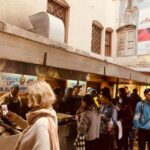
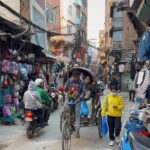
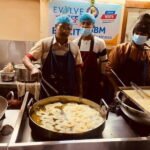
The Market Trip: Picking Ingredients Like You Mean It
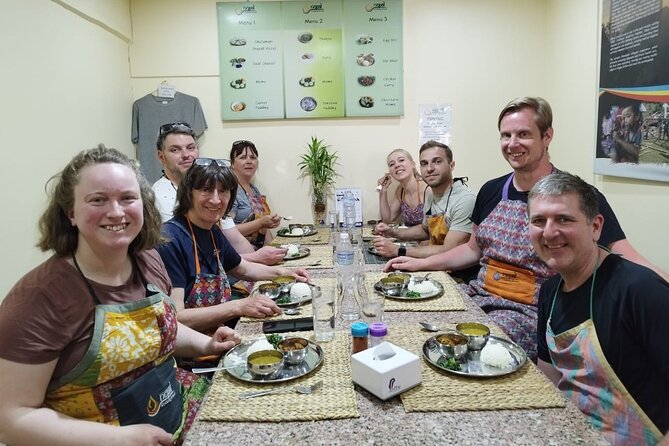
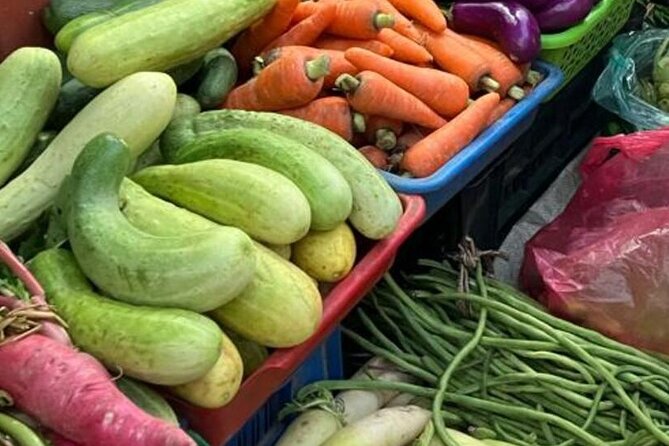
The flow typically starts with an introduction to local ingredients, spices, and common techniques. From there, you may go to a local market or grocery store to buy fresh produce and key items for your menu. Even though the itinerary is short, the goal is clear: you should understand what you’re cooking before you start cooking.
What makes this market shopping valuable is that it turns spices and vegetables into something you can name, choose, and use. You’re not just getting ingredients handed to you. You’re learning by seeing what’s available, what looks fresh, and what the cook expects you to use.
Also, since market shopping of ingredients is included, you’re not stuck figuring out what to pay for or what to bring. It’s built to reduce friction. If you like practical travel that gets you working fast, this style fits.
Nepal Cooking School Stop: Where Technique Becomes Real
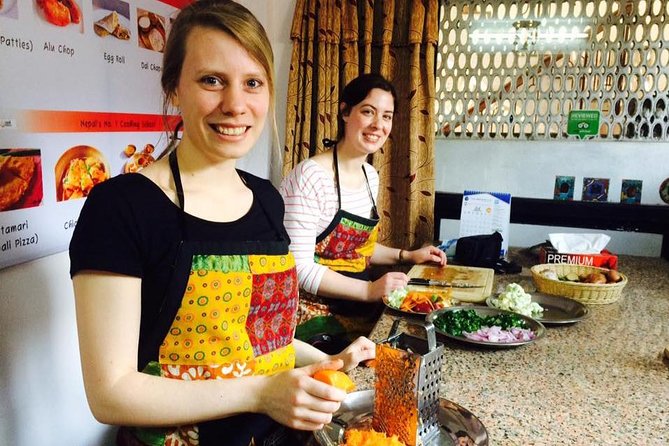
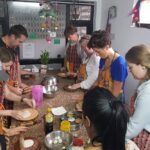
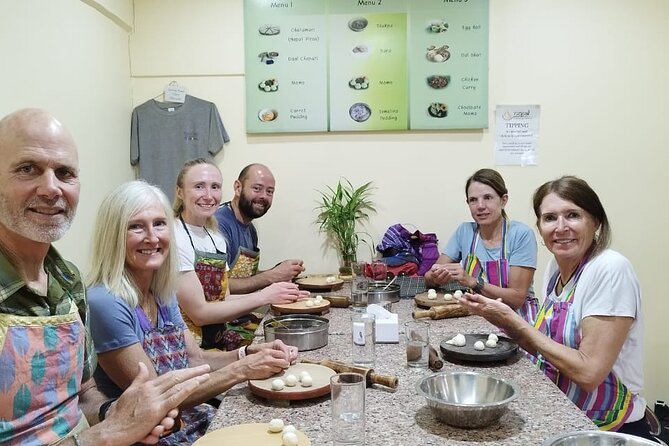
The class centers around Nepal Cooking School, which is where the cooking time happens. You can expect a short intro to the local ingredients and cooking techniques that are common in the region, followed by you actively cooking.
This is the point where the experience either clicks for you or doesn’t. When it’s working well, you’ll feel like you’re learning by doing—chopping, mixing, seasoning, and assembling dishes with guidance. The best part is that you’re not left staring at a recipe card while someone else cooks.
There is one consideration: the kitchen space can be small. When the group is full, it can feel like there’s not much extra room, and you may end up moving quickly to keep everyone on track. If you prefer slow, relaxed cooking with lots of personal workspace, mentally plan for a more active pace.
What You’ll Cook and Taste (And Why the Eating Matters)
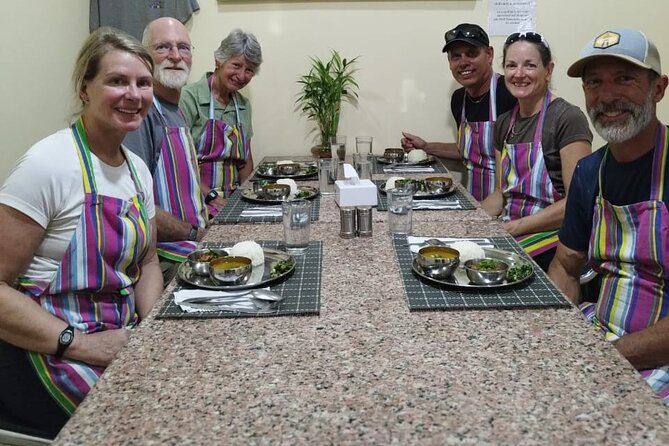
The experience is designed around cooking and then eating your creations. Lunch and dinner are included, plus breakfast and snacks, so you won’t leave hungry or scrambling for food plans afterward. That’s a big deal in Kathmandu, where meal logistics can take time.
The tour also emphasizes that the menu is based on what you’re learning in the kitchen. In other words, you get the learning-to-eating loop that helps the cooking stick. When you taste your own food right after cooking it, you understand which flavors worked and how the technique shaped the outcome.
You’ll likely leave thinking more about ingredients than about steps. That’s what makes cooking classes useful for real-life cooking later. You don’t just copy a recipe—you understand the role of each ingredient.
Vegetarian and Vegan Options: Easier Than You Think
The experience states that vegetarian and vegan options are available on request. That’s important because some cooking classes treat diet as an afterthought. Here, the wording suggests the menu can adapt, rather than forcing you into a watered-down version.
If you eat plant-based, I’d treat this as a good sign for flexibility. Still, since the info only says options are available by request, message ahead so the school can adjust the plan before you arrive.
You can also read our reviews of more tours and experiences in Kathmandu
Snacks, Breakfast, Lunch, and Dinner: Good Value in Real Time
At $30 per person for about 3 hours, the value isn’t just the instruction. It’s the food coverage. The experience includes snacks, breakfast, lunch, and dinner, plus all food according to the menu.
In practical terms, this can undercut the “hidden costs” that pop up with other paid food experiences. A cooking class that doesn’t include meals often turns into a full-day expense once you add drinks and dinner afterward. Here, you’re already fed across the session.
Also, because the menu meals are tied to what you cook, you’re getting more than calories. You’re getting a chance to taste the dishes in context and compare flavors across the menu.
Pickup, Mobile Ticket, and Getting There Without Stress
Pickup is offered, and there’s a mobile ticket. That combination is helpful in Thamel, where walking around is easy but direct routes can still be confusing when you’re new to the streets.
The experience does not include private transportation, so if you’re far outside the normal pickup area, you might still rely on the local transport network. The good news is that it’s listed as near public transportation, which usually means you can reach it without complicated planning.
If you’re the kind of person who hates meeting-point games, pickup helps. Just be ready for the schedule to run tightly since the class itself is only about 3 hours.
Small Group Size: Better Coaching, Tighter Kitchen
This has a maximum of 8 travelers. That’s small enough to feel personal, and it also keeps the kitchen focused. When instruction is going well, you can ask questions and get quick corrections before your dish drifts off track.
The tradeoff is space. If the kitchen is compact, more bodies can turn into a bit of a bottleneck. One concern that came up is that the kitchen may not have room for extra people, and the experience can feel more like assembling ingredients under time pressure than a relaxed school-style lesson.
My advice: treat it as a hands-on cooking workshop, not a quiet study session. Go with a flexible attitude, keep your station organized, and let the cook’s pace lead.
Price and Logistics: What $30 Really Covers
Let’s talk value. At $30 per person, the headline sounds simple. But what matters is what you’re actually getting.
You get:
- All ingredients included
- Market shopping included
- Snacks, breakfast, lunch, and dinner included
- A guided market experience
- A cooking session at the school with local instruction
For many food tours, the cost mostly covers the guide and the activity. Here, a lot of the price is absorbed by food and ingredients. That’s where the math gets favorable for anyone trying to eat well in Kathmandu without turning it into a daily budget problem.
One more practical detail: the experience is commonly booked about 13 days in advance on average. If you’re visiting during a busy period or traveling with a schedule that’s hard to shift, I’d plan ahead rather than waiting until the last minute.
Who This Class Is Best For
This is a strong fit if you:
- Want a food-focused cultural activity that’s active and social
- Prefer learning by doing rather than watching from the sidelines
- Like the idea of market shopping with someone who can guide ingredient choices
- Want a full meal plan included in the price
It’s also a good pick for people who eat vegetarian or vegan, since options are available on request.
If you hate fast pacing, or if you need a lot of counter space and quiet, you might find the kitchen feel a bit tight. In that case, consider it more of an energetic workshop than a slow, spacious classroom.
Should You Book This Nepali Cooking Class With Market Trip?
Yes, I’d book it if your goal is a practical, hands-on food experience with real market ingredient shopping and meals included. The small group size and the hands-on format are exactly what make it memorable, and the included food coverage improves the value a lot.
I’d hesitate only if you strongly dislike tight workspaces or you want a more traditional, slow “school” style with plenty of individual space. If that’s you, go in expecting a lively workshop pace, not a calm, seated lecture.
If you want one Kathmandu activity that connects everyday Nepali life to something you can actually cook again, this is a solid choice.
FAQ
What is the price per person?
The price is $30.00 per person.
How long is the cooking class?
The duration is about 3 hours.
Is pickup included?
Pickup is offered.
Do I get a mobile ticket?
Yes, the experience includes a mobile ticket.
Are ingredients included?
Yes. All ingredients are included, and there is market shopping of ingredients as part of the experience.
What meals are included?
Breakfast, snacks, lunch, and dinner are included.
Is vegetarian or vegan food available?
Yes. Vegetarian and vegan options are available on request.
How many people are in the group?
The group has a maximum of 8 travelers.
Is private transportation included?
No. Private transportation is not included.
What is the cancellation policy?
Free cancellation is available up to 24 hours in advance for a full refund.